fbpx

MindFlex Biology Tuition

Biology Tuition in Singapore:
1-to-1 Home Tutors for All Levels

Biology becomes much harder when remembering the content is no longer enough to answer the question in front of you. Students need to understand biological processes, connect concepts across topics and apply what they know to unfamiliar questions, data and experiments. MindFlex connects students with 1-to-1 Biology tutors in Singapore who can provide targeted support across Secondary, O-Level, IP, IGCSE, JC and IB Biology, with lessons tailored to their weaker topics, learning pace, school progress and examination requirements.


Free Request For Biology Tutor

Biology Tutor Conducting A Lesson
Challenges Faced While Learning Chemistry

What Are The Challenges Faced By Biology Students in Singapore?

Key Challenges:

  • Difficulty in Understanding and Applying Biology Concepts, particularly when connecting biological processes across different topics.
  • Struggling to Interpret Biological Data, Graphs and Experimental Results, especially when questions involve unfamiliar scenarios.
  • Inability to Use Correct Biology Keywords and Scientific Terminology, resulting in incomplete or inaccurate examination answers.
  • Difficulty in Understanding Practical Biology and Experimental Procedures, including identifying variables, analysing results and evaluating experiments.
  • Struggling to Manage Extensive Biology Content and Examination Demands, particularly when balancing revision, application-based questions and time management.
Read more

biology Tuition Singapore

How Our Biology Tutors Support Your Child’s Learning Journey

Biology students need more than content recall to perform consistently across different question types. MindFlex’s Biology tutors can tailor 1-to-1 lessons around your child’s level, weaker topics and school progress, helping them strengthen conceptual understanding while developing the data interpretation, answering, practical and examination skills required for Biology.

 

Build a Stronger Understanding of Biology Concepts

Tutors can break down complex biological processes into clearer steps and help students see how different topics are connected. This gives students a stronger foundation for explaining concepts accurately and applying what they have learnt when questions are presented in unfamiliar contexts.

Improve Data and Graph Interpretation Skills

Students can practise interpreting biological graphs, tables, diagrams and experimental results with guidance from their tutor. Tutors can show them how to identify relevant patterns, connect observations with biological concepts and develop explanations based on the information provided.

Use Biology Keywords More Accurately

Tutors can identify answers that are too vague or missing important scientific terminology and show students how to express their understanding more precisely. Through targeted question practice and feedback, students can become more familiar with the biological keywords and level of explanation expected in their responses.

Strengthen Practical and Experiment Skills

Tutors can guide students through experiment-based questions involving variables, procedures, observations, results and possible sources of error. Students can also practise applying biological concepts to experimental situations so that practical questions become part of their wider understanding rather than a separate area to memorise.

Develop Stronger Examination Answering Skills

Regular practice with level-appropriate Biology questions can help students understand what different questions require and organise their answers more effectively. Tutors can review mistakes, explain where marks may have been missed and help students develop a more systematic approach to application and structured-response questions.

Manage Biology Revision and Examination Time More Effectively

Tutors can help students identify priority topics and organise revision around areas that need the most attention. Timed practice can also help students become more efficient at interpreting questions, deciding how much detail is required and completing different sections within examination conditions.

Focus Lessons on Individual H2 Economics Weaknesses

1-to-1 tuition allows tutors to spend more lesson time on the areas where your child needs additional support instead of following a fixed group pace. Whether the difficulty involves a particular topic, case study analysis, essay evaluation, diagrams or examination technique, practice can be adjusted according to the student’s progress.

Read more

Effective Biology Home Tuition

What Are The Topics And Skills Covered By MindFlex’s Biology Tutors?

 
SECONDARY
Topics Covered

Secondary 3


Secondary 3
Secondary 3 Biology introduces students to more specialised biological concepts, including how cells, organisms and body systems function. Tutors can help students understand key biological processes, connect related concepts and develop the skills needed to apply their knowledge to structured questions, data interpretation and experimental contexts.

​
+
Combined Biology
CELLS AND THE CHEMISTRY OF LIFE
  • Cell Structure and Organisation (not taught in G1)
    • Plant and animal cells and cell specialisation
  • Movement of Substances (not taught in G1)
    • Diffusion and osmosis
  • Biological Molecules (not taught in G1)
    • Carbohydrates, fats, proteins and enzyme action
THE HUMAN BODY – MAINTAINING LIFE
  • Nutrition in Humans
    • Digestive system, digestion, absorption and assimilation
  • Transport in Humans
    • Circulatory system, blood, heart and blood vessels
  • Respiration in Humans
    • Aerobic and anaerobic respiration and gaseous exchange
  • Infectious Diseases in Humans
    • Pathogens, transmission, immunity and vaccination
LIVING TOGETHER – PLANTS, ANIMALS AND ECOSYSTEMS
  • Nutrition and Transport in Flowering Plants
    • Plant structure and photosynthesis
+Biology
CELLS AND THE CHEMISTRY OF LIFE
  • Cell Structure and Organisation (not taught in G1)
    • Plant and animal cells, organelles and cell specialisation
  • Movement of Substances (not taught in G1)
    • Diffusion, osmosis and active transport
  • Biological Molecules (not taught in G1)
    • Carbohydrates, fats, proteins, DNA and enzyme action
THE HUMAN BODY – MAINTAINING LIFE
  • Nutrition in Humans
    • Digestive system; physical and chemical digestion, absorption and assimilation
  • Transport in Humans
    • Circulatory system, blood, heart and blood vessels
  • Respiration in Humans
    • Aerobic and anaerobic respiration and gaseous exchange
  • Excretion in Humans (not taught in G2 and G1)
    • Deamination, urea formation, kidneys, nephrons and dialysis
  • Homeostasis, Co-ordination and Response in Humans (not taught in G2 and G1)
    • Internal environment, temperature control and blood glucose regulation

Secondary 4


Secondary 4
Secondary 4 Biology builds on earlier concepts while requiring students to connect knowledge across different biological processes and apply it to a wider range of questions. Tutors can help students consolidate important concepts, strengthen data and experiment interpretation skills and practise using accurate biological terminology for school and national examinations.

​
+
Combined Biology
LIVING TOGETHER – PLANTS, ANIMALS AND ECOSYSTEMS
  • Nutrition and Transport in Flowering Plants
    • Transpiration and translocation
  • Organisms and their Environment (not taught in G2 and G1)
    • Energy flow, food webs, carbon cycle, human impacts and conservation
CONTINUITY OF LIFE
  • Molecular Genetics (not taught in G2 and G1)
    • DNA, genes, protein synthesis and genetic engineering
  • Reproduction in Humans (not taught in G2 and G1)
    • Human reproductive systems, fertilisation, pregnancy and sexually transmitted diseases
  • Inheritance (not taught in G2 and G1)
    • Genes, alleles, monohybrid inheritance and variation
+Biology
THE HUMAN BODY – MAINTAINING LIFE
  • Homeostasis, Co-ordination and Response in Humans (not taught in G2 and G1)
    • Nervous and hormonal co-ordination, reflexes and the eye
  • Infectious Diseases in Humans
    • Pathogens, transmission, immunity, vaccination and antimicrobial resistance
LIVING TOGETHER – PLANTS, ANIMALS AND ECOSYSTEMS
  • Nutrition and Transport in Flowering Plants
    • Plant structure, photosynthesis, transpiration and translocation
  • Organisms and their Environment (not taught in G2 and G1)
    • Energy flow, food webs, carbon cycle, human impacts and conservation
CONTINUITY OF LIFE
  • Molecular Genetics (not taught in G2 and G1)
    • DNA structure, genes, protein synthesis and genetic engineering
  • Reproduction (not taught in G2 and G1)
    • Asexual and sexual reproduction, cell division, flowering plants and humans
  • Inheritance (not taught in G2 and G1)
    • Genes, alleles, monohybrid inheritance, variation and natural selection
 
JC
Topics Covered

JC 1


JC 1
JC 1 Biology introduces students to Biology at greater depth, with increased emphasis on molecular and cellular processes, biological interactions and the application of scientific knowledge. Tutors can support students in building a strong conceptual foundation, interpreting biological data and developing the analytical skills required for H1 or H2 Biology.

​
+
H1 Biology
CORE IDEA 1: THE CELL AND BIOMOLECULES OF LIFE
  • Organelles and Cellular Structures
    • Cell structure and organisation
  • Biomolecules of Life and Cellular Transport
    • Biomolecules, membranes and transport
  • Proteins
    • Protein structure, enzymes and function
  • Stem Cells
    • Potency and applications
CORE IDEA 2: GENETICS AND INHERITANCE
  • The Structure of Nucleic Acids and Gene Expression
    • DNA, RNA and protein synthesis
  • DNA Mutations
    • Gene and chromosomal mutations
  • The Cell Cycle
    • Mitosis, meiosis and cancer
  • Inheritance
    • Mendelian inheritance and variation
+H2 Biology
CORE IDEA 1: THE CELL AND BIOMOLECULES OF LIFE
  • Organelles and Cellular Structures
    • Cell structure and organisation
  • Biomolecules of Life and Cellular Transport
    • Biomolecules, membranes and transport
  • Proteins
    • Protein structure, enzymes and function
CORE IDEA 2: GENETICS AND INHERITANCE
  • The Structure of Nucleic Acids and Gene Expression
    • DNA, RNA and protein synthesis
  • Organisation of Genomes
    • Prokaryotic and eukaryotic genomes
  • Control of Gene Expression
    • Regulation of gene expression
  • DNA Mutations
    • Gene and chromosomal mutations
  • The Cell Cycle
    • Mitosis, meiosis and cancer
  • Inheritance
    • Mendelian inheritance and variation

JC 2


JC 2
JC 2 Biology builds on earlier concepts while requiring students to integrate knowledge across different topics and apply it to more complex biological questions. Tutors can support students in consolidating difficult concepts, analysing experimental data and strengthening their application and examination skills as they prepare for the A-Level examinations.

​
+
H1 Biology
CORE IDEA 3: ENERGY AND EQUILIBRIUM
  • Energy Transformations
    • Photosynthesis and cellular respiration
CORE IDEA 4: BIOLOGICAL EVOLUTION
  • Biological Evolution
    • Natural selection, adaptation and biodiversity
EXTENSION TOPIC: IMPACT OF CLIMATE CHANGE
  • Impact of Climate Change
    • Biological effects of climate change and responses
+H2 Biology
CORE IDEA 1: THE CELL AND BIOMOLECULES OF LIFE
  • Stem Cells
    • Potency, applications and ethical considerations
CORE IDEA 2: GENETICS AND INHERITANCE
  • Molecular Techniques
    • DNA amplification, analysis and applications
CORE IDEA 3: ENERGY AND EQUILIBRIUM
  • Transformation of Energy between the Environment and Organisms
    • Photosynthesis and cellular respiration
  • Communication and Equilibrium in Organisms
    • Cell signalling and homeostasis
CORE IDEA 4: BIOLOGICAL EVOLUTION
  • Natural Selection and Adaptation
    • Selection and adaptation
  • Evolution and Biodiversity, Species and Speciation
    • Evolutionary relationships and speciation
EXTENSION TOPIC A: INFECTIOUS DISEASES
  • Infectious Diseases
    • Pathogens, transmission and control
EXTENSION TOPIC B: IMPACT OF CLIMATE CHANGE ON ANIMALS AND PLANTS
  • Impact of Climate Change on Animals and Plants
    • Biological impacts and responses
 
IB
Topics Covered

IB Y1


IB Y1
IB Y1 Biology establishes important biological foundations while developing students’ understanding of concepts across molecular, cellular and organismal Biology. Tutors can support SL and HL students in connecting biological concepts, interpreting data and experiments and developing the inquiry and analytical skills required in IB Biology.

​
+
Biology (SL)
UNITY AND DIVERSITY
  • Cells
    • Cell structure, membranes, organelles, specialization and water potential
  • Molecular Unity
    • Water and nucleic acids
FORM AND FUNCTION
  • Biological Molecules
    • Carbohydrates, lipids and proteins
INTERACTION AND INTERDEPENDENCE
  • Metabolism
    • Enzymes, cell respiration and photosynthesis
CONTINUITY AND CHANGE
  • Genetics
    • DNA replication, protein synthesis, mutations and gene editing
    • Cell and nuclear division and inheritance
EXPERIMENTAL PROGRAMME
  • Practical and Inquiry Skills
    • Microscopy, experimentation, data processing and investigation design
+Biology (HL)
UNITY AND DIVERSITY
  • Cells and Molecular Unity
    • Cell structure, membranes, organelles, specialization and water potential
    • Water, nucleic acids, origins of cells and viruses
FORM AND FUNCTION
  • Biological Molecules
    • Carbohydrates, lipids, proteins and molecular structure-function relationships
INTERACTION AND INTERDEPENDENCE
  • Metabolism
    • Enzymes, cell respiration and photosynthesis in extended depth
CONTINUITY AND CHANGE
  • Genetics
    • DNA replication, protein synthesis, mutations and gene editing
    • Cell division, inheritance and regulation of gene expression
EXPERIMENTAL PROGRAMME
  • Practical and Inquiry Skills
    • Advanced microscopy, experimentation, data processing and investigation design

IB Y2


IB Y2
IB Y2 Biology develops students’ understanding of more advanced and interconnected biological concepts while placing greater emphasis on applying knowledge and analysing scientific evidence. Tutors can support SL and HL students in consolidating difficult topics, interpreting experimental data and strengthening their application and examination skills for IB Biology assessments and examinations.

​
+
Biology (SL)
FORM AND FUNCTION
  • Organism Systems
    • Gas exchange, transport, integration of body systems and homeostasis
    • Adaptation to environment and ecological niches
INTERACTION AND INTERDEPENDENCE
  • Coordination and Defence
    • Neural signalling and defence against disease
  • Ecological Interactions
    • Populations, communities, and transfer of energy and matter
UNITY AND DIVERSITY
  • Biodiversity
    • Diversity, evolution and conservation of biodiversity
CONTINUITY AND CHANGE
  • Reproduction and Environmental Change
    • Reproduction, natural selection, sustainability and climate change
EXPERIMENTAL PROGRAMME
  • Scientific Investigation
    • Complete the investigation, collaborative project and syllabus review
+Biology (HL)
FORM AND FUNCTION
  • Organism Systems
    • Gas exchange, transport, body-system integration, homeostasis and motility
    • Adaptation to environment and ecological niches
INTERACTION AND INTERDEPENDENCE
  • Coordination, Defence and Ecology
    • Chemical and neural signalling; defence against disease
    • Populations, communities, and transfer of energy and matter
UNITY AND DIVERSITY
  • Biodiversity
    • Diversity, classification and cladistics, evolution and conservation
CONTINUITY AND CHANGE
  • Reproduction and Environmental Change
    • Reproduction, natural selection, sustainability and climate change
EXPERIMENTAL PROGRAMME
  • Scientific Investigation
    • Complete the investigation, collaborative project and full HL review
 
IGCSE
Topics Covered

IGCSE Year 10


IGCSE Year 10
IGCSE Year 10 Biology introduces students to key biological principles involving cells, organisms, nutrition, transport and other fundamental life processes. Tutors can support students in understanding how these processes work, connecting related concepts and developing the data interpretation, experimental and answering skills needed for more advanced IGCSE Biology topics.

​
CHARACTERISTICS AND CLASSIFICATION
  • Living Organisms
    • Characteristics, classification systems and keys
ORGANISATION OF THE ORGANISM
  • Cells, Tissues and Organs
    • Cell structure, specialised cells, levels of organisation and microscopy
MOVEMENT INTO AND OUT OF CELLS
  • Transport Across Membranes
    • Diffusion, osmosis and active transport
BIOLOGICAL MOLECULES AND ENZYMES
  • Biochemistry
    • Carbohydrates, fats, proteins, water and enzyme action
NUTRITION
  • Plant and Human Nutrition
    • Photosynthesis, mineral requirements and leaf structure
    • Diet, digestion, absorption and assimilation
TRANSPORT
  • Plants and Animals
    • Xylem, phloem and translocation
    • Circulatory system, blood vessels and blood
DISEASES AND IMMUNITY
  • Health and Defence
    • Pathogens, transmission, prevention and immune responses

IGCSE Year 11


IGCSE Year 11
IGCSE Year 11 Biology builds on earlier foundations while covering more interconnected biological concepts and requiring students to apply their knowledge to unfamiliar situations. Tutors can support students in consolidating key topics, interpreting biological data and experiments and strengthening their use of scientific terminology and examination skills for IGCSE Biology questions.

​
GAS EXCHANGE AND RESPIRATION
  • Energy Release
    • Gas exchange surfaces and breathing
    • Aerobic and anaerobic respiration
EXCRETION
  • Excretion in Humans
    • Metabolic waste, kidneys and homeostasis
COORDINATION AND RESPONSE
  • Control Systems
    • Nervous and hormonal coordination; sense organs and tropisms
DRUGS AND REPRODUCTION
  • Human and Plant Reproduction
    • Medicinal and recreational drugs
    • Sexual and asexual reproduction and development
INHERITANCE, VARIATION AND SELECTION
  • Genetics and Evolution
    • DNA, genes, chromosomes, inheritance and genetic diagrams
    • Variation, natural selection and selective breeding
ORGANISMS AND THEIR ENVIRONMENT
  • Ecology
    • Energy flow, food chains, nutrient cycles, populations and communities
HUMAN INFLUENCES AND BIOTECHNOLOGY
  • Applied Biology
    • Food supply, habitat destruction, pollution and conservation
    • Biotechnology and genetic modification

MindFlex’s Biology tutors follow the relevant syllabus closely when planning lessons, selecting practice questions and guiding students through level-appropriate Biology topics. This helps ensure that tuition remains relevant to what students are learning in school while allowing tutors to spend more time on individual concepts and skills that require additional support.

View MOE Secondary School Syllabuses

View MOE A-Level Curriculum and Subject Syllabuses

Learn More About the MOE Integrated Programme

Affordable Biology Tuition

Biology Tuition Rates Singapore

Our Biology home tuition rates are constantly updated in real-time based on rates quoted by home tutors in Singapore. These market rates are based on the volume of 10,000+ monthly tuition assignment applications over a pool of 60,000+ active home tutors.

Part-Time
Tutors

Full-Time
Tutors

Ex/Current
MOE Teachers

Pre-School

$25-$35/h

$40-$50/h

$55-$70/h

Primary 1-4

$25-$35/h

$40-$45/h

$55-$70/h

Primary 5-6

$30-$40/h

$40-$55/h

$60-$80/h

Sec 1-2

$30-$45/h

$45-$55/h

$60-$85/h

Sec 3-5

$35-$45/h

$45-$65/h

$70-$95/h

JC

$40-$55/h

$65-$90/h

$90-$130/h

IB

$40-$55/h

$65-$90/h

$90-$130/h

IGCSE / International

$30-$55/h

$45-$85/h

$60-$120/h

Poly / Uni

$40-$65/h

$60-$95/h

$100-$130/h

Adult

$30-$45/h

$40-$65/h

$70-$100/h

Why Choose MindFlex For Your Biology Tuition?

Tutors Matched to Your Child’s Biology Learning Needs

Qualified Tutors Aligned With The Latest MOE Biology Syllabus

Clear Explanations That Build Real Biology Understanding

A Free Tutor Recommendation Within 6 Hours

No Agency Fees

Flexible 1-to-1 Home Or Online Biology Lessons

Hear From Other Parents & Students

Testimonials About Our Biology Home Tuition

MindFlex was very helpful in my request for a tutor. I was quite worried for my A levels because I was still performing poorly during Prelims. I did not expect that I would be able to get a tutor so quickly, and manage to ace my Biology A levels within 2 months. Thank you!

Mr Jeremy Lim, JC2 H2 Biology Student
(C to A)


I like how easy the requesting process for a tutor is. MindFlex was also very professional in helping us find a tutor based on our criteria. Would like to thank MindFlex for joining us with a good tutor that helped my son improve to B within half a year. Very good and efficient service.

Ms Nikita, Mum of JC1 H1 Biology Student
(E to B)


Thank you MindFlex for connecting us with Ms Roxanne! She is very dedicated in helping my daughter improve, and often brings practices to help my daughter in her revision. I am very happy with my daughter’s results for her O levels, and I believe that she would have been able to score even higher if I decided to find a tutor for her earlier. I will surely recommend MindFlex to my friends in the future!

Ms Amelia Chan, Mum of Sec 4 Biology Student
(D7 to A2)


Hi MindFlex, thank you for helping my daughter find Mr Patrick for her biology tuition. He is very good at teaching and I did not expect that my daughter will be able to improve so much within 3 months. We will continue with Mr Patrick next year and also for her O levels if she continues to do well. Thank you for your great service and amazing tutor.

Ms Farah, Mum of Sec 3 NA Combined Biology Student
(E8 to B4) 


Convinient & Accessible Biology Tuition

Biology Tuition Near Me? 

Enjoy Biology Tuition at the convenience of your home today. MindFlex provides Biology Home Tuition all across Singapore. Learn in a safe & comfortable environment today with us.

REQUEST FOR A TUTOR

Frequently Asked Questions About Biology Tuition in Singapore

Thinking of H2 Economics Tuition?

Is H2 Economics a difficult subject?

H2 Economics can be challenging because students need to understand economic concepts and apply them to case studies, essays and real-world situations. They must also demonstrate analysis and evaluation, use economic diagrams appropriately and develop well-supported judgements under examination conditions.

Why do students struggle with H2 Economics?

Students may understand individual theories but struggle to connect concepts or determine which economic framework is relevant to an unfamiliar question. Case study interpretation, essay argumentation, evaluation, diagrams and managing time during examinations can add to the difficulty.

How do I know if my child needs help with H2 Economics?

Look for recurring difficulties rather than relying on a single assessment result. Your child may benefit from additional support if they consistently struggle with applying concepts, interpreting case study information, structuring essays, evaluating arguments or completing examination questions within the available time.

How can H2 Economics tuition help my child?

1-to-1 home tuition allows lessons to focus on your child’s particular H2 Economics difficulties and learning pace. A tutor can provide targeted practice in weaker areas such as economic analysis, case studies, essays, evaluation, diagrams and examination techniques.

When should my child start H2 Economics tuition?

There is no single ideal time for every student to begin tuition. Additional support may be useful when difficulties persist despite independent revision and school consultations, particularly when gaps in earlier topics begin to affect your child’s understanding of more advanced concepts.

Should I choose home tuition or an H2 Economics tuition centre?

An H2 Economics tuition centre may suit students who prefer structured group lessons and a fixed learning schedule, while 1-to-1 home tuition provides more flexibility to address individual weaknesses. Parents can compare options for an H2 Economics tuition centre with home tuition before deciding which format better suits their child.

Getting a Tutor

How do I request an H2 Economics tutor from MindFlex?

Provide MindFlex with information about your child’s learning needs, current progress, preferred schedule, location, budget and tutor preferences. You can also highlight specific H2 Economics concerns, such as case study analysis, essay writing, evaluation or examination preparation.

What types of H2 Economics tutors are available?

MindFlex provides access to part-time tutors, full-time tutors and current or former MOE teachers, subject to availability and your requirements. Parents can refer to the current tuition fees to compare the applicable rates for different tutor categories.

How are H2 Economics tutors matched to my child?

Matching can take into account your child’s learning needs, weaker areas, schedule, location, budget and preferred tutor profile. Sharing specific concerns about your child’s H2 Economics progress can help MindFlex narrow the recommendations.

Can I request a specific tutor or tutor profile?

Yes. You can state preferences relating to factors such as the tutor’s experience, qualifications, tutor category, availability or teaching background. You can then review suitable tutor profiles before deciding whether to proceed.

How quickly can I get an H2 Economics tutor?

MindFlex typically provides suitable tutor profiles within 6 hours after receiving your tuition request. The actual first lesson will depend on the selected tutor’s availability and the schedule agreed upon by both parties.

Can one tutor teach more than one subject or child, such as siblings?

This may be possible if the tutor has suitable experience in the required subjects and academic levels. Let MindFlex know about all the students and subjects involved when submitting your request so these requirements can be considered during matching.

Lessons

Where are H2 Economics lessons conducted?

1-to-1 lessons can be conducted at the student’s home at an agreed location and time. Students who prefer remote learning can also consider online lessons.

Are online H2 Economics lessons available?

Yes. Online tuition is available for students who prefer remote lessons or need greater flexibility with their schedules. Lessons can still focus on the student’s H2 Economics topics, school progress and examination preparation.

How long and how frequent should H2 Economics lessons be?

The appropriate lesson duration and frequency depend on the student’s current progress, weaker areas and assessment schedule. A student who needs ongoing support throughout JC may require a different arrangement from one seeking targeted revision before the A-Level examinations.

Can lessons follow my child's school syllabus and assessments?

Yes. Students can share their school materials, current topics, assignments and upcoming assessments with their tutor. Lessons can then reinforce the relevant H2 Economics syllabus content while providing additional practice in areas where the student needs more support.

Can I postpone or reschedule lessons?

Lesson changes should be communicated as early as possible and remain subject to the agreed tuition arrangements. For the first lesson, MindFlex requires at least four hours’ notice for a postponement or cancellation, subject to the applicable terms.

Can I change or stop lessons if the tutor is not suitable?

You can contact MindFlex if the tuition arrangement is not suitable and discuss changing tutors after the first conducted lesson, subject to the applicable terms. Lessons already conducted and any applicable cancellation charges remain payable according to the confirmed arrangement.

Others

How much does H2 Economics tuition cost?

H2 Economics tuition rates vary according to factors such as the tutor category and tuition arrangement. Parents can refer to MindFlex’s current tuition fees to compare the applicable rates.

Are there any agency or commission fees?

No. MindFlex does not charge parents agency fees for the tutor-matching service. Parents pay the applicable lesson fees according to the confirmed tuition arrangement.

Are there any contracts or minimum commitments?

MindFlex does not require a minimum number of lessons for a standard tuition arrangement. Lessons already conducted and any applicable cancellation arrangements remain subject to the confirmed tuition terms.

How do I pay for lessons?

Payment arrangements are stated in the tuition confirmation provided by MindFlex. Initial lesson fees are generally paid to MindFlex according to the confirmed arrangement, while subsequent payments may be made directly to the tutor.

How do I give feedback about my H2 Economics tutor?

You can contact us to provide feedback or raise concerns about your tutor or tuition arrangement. You can also visit the MindFlex blog for additional education and tuition-related resources.

Questions Answered? Request a Tutor

biology multimedia lrarning

Biology Tuition Video Resources
Singaporeans Try: 'O' Level Biology Quiz
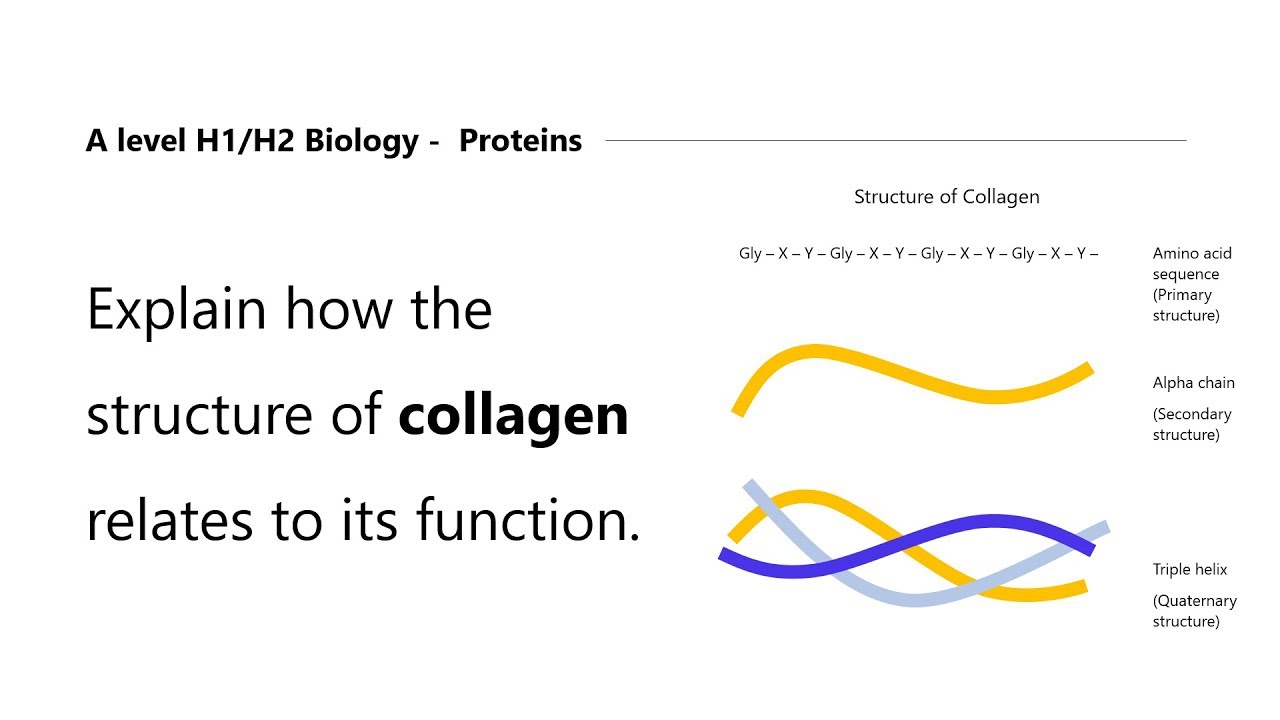
Diffusion | Singapore Tuition | A Level H1/H2 Biology | Collagen and its Function
Affordable Tuition Rates

Home Tuition Rates Singapore 2026

Part-Time
Tutors

Full-Time
Tutors

Ex/Current
MOE Teachers

Pre-School

$25-$35/h

$40-$50/h

$55-$70/h

Primary 1-4

$25-$35/h

$40-$45/h

$55-$70/h

Primary 5-6

$30-$40/h

$40-$55/h

$60-$80/h

Sec 1-2

$30-$45/h

$45-$55/h

$60-$85/h

Sec 3-5

$35-$45/h

$45-$65/h

$70-$95/h

JC

$40-$55/h

$65-$90/h

$90-$130/h

IB

$40-$55/h

$65-$90/h

$90-$130/h

IGCSE / International

$30-$55/h

$45-$85/h

$60-$120/h

Poly / Uni

$40-$65/h

$60-$95/h

$100-$130/h

Adult

$30-$45/h

$40-$65/h

$70-$100/h


Our home tuition rates are constantly updated based on rates quoted by Home Tutors in Singapore. These market rates are based on the volume of 10,000+ monthly tuition assignment applications over a pool of 60,000+ active home tutors.