fbpx

Secondary Science Tuition in Singapore:
1-to-1 Home Tutors for All Levels

Secondary Science can become much more demanding once students are expected to connect concepts across Biology, Chemistry and Physics, apply them to unfamiliar questions and explain their reasoning clearly. MindFlex provides 1-to-1 Secondary Science home tuition tailored to your child’s level, weaker topics, school syllabus and examination needs.


Free Request For Secondary School Science Tutor

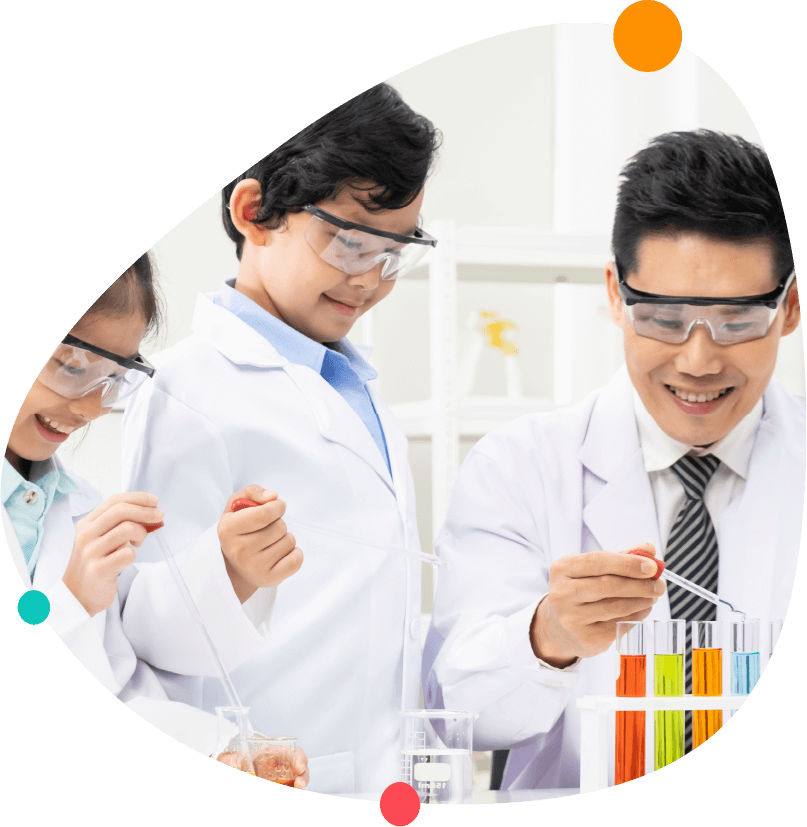
Science Tutor Conducting A Lesson
Challenges Faced While Learning Chinese

What Are The Challenges Faced By Secondary Science Students in Singapore?

Key Challenges:

  • Adjusting to more complex Science concepts
  • Connecting concepts across Biology, Chemistry, and Physics
  • Applying scientific knowledge to unfamiliar questions
  • Understanding experimental procedures and variables
  • Interpreting graphs, tables, diagrams, and experimental data
  • Using accurate scientific keywords and terminology
  • Explaining scientific reasoning clearly
  • Managing calculations and multi-step questions
  • Coping with a heavier Secondary School workload
  • Preparing for upper-secondary Science examinations

Read more

Secondary Science Tuition Singapore

How Our Secondary Science Tutors Support Your Child’s Learning Journey

Make The Secondary Science Syllabus Easier To Navigate

Tutors break unfamiliar Biology, Chemistry and Physics concepts into manageable steps and reinforce them through targeted practice.

Build Stronger Higher-Order Thinking Skills

Tutors guide students to analyse information, connect concepts and apply scientific reasoning to more complex questions.

Keep Revision Focused Around Busy Schedules

1-to-1 lessons can prioritise weaker topics and upcoming assessments, helping students use limited revision time more purposefully.

Manage A Heavier Science Workload

Addresses: Losing Motivation During PSLE Preparation

Tutors organise revision into smaller goals and help students strengthen weaker areas without making Science feel overwhelming.

Read more

Effective secondary Science Home Tuition

What Are The Topics And Skills Covered By MindFlex’s Secondary Science Tutors?

 
SECONDARY 1
Build a strong foundation in scientific concepts through hands-on investigations and explore topics such as matter, cells, light and scientific inquiry.
Topics Covered

Secondary 1


Science
THE SCIENTIFIC ENDEAVOUR
  • Scientific Inquiry
    • Nature of scientific knowledge, evidence and applications
    • Laboratory safety, measurement, investigations and communication
DIVERSITY
  • Exploring Diversity of Matter by its Physical Properties
    • Conductivity, melting and boiling points, strength, hardness, flexibility and density
  • Exploring Diversity of Matter by its Chemical Composition (not taught in G1)
    • Elements, compounds, mixtures, solutes, solvents and solutions
  • Exploring Diversity of Matter using Separation Techniques
    • Magnetic attraction, filtration, evaporation, distillation and paper chromatography
MODELS
  • Ray Model of Light (not taught in G1)
    • Light rays, reflection, refraction and image formation
  • Model of Cells – the Basic Unit of Life
    • Elements, compounds, mixtures, solutes, solvents and solutions
  • Model of Matter – the Particulate Nature of Matter (not taught in G1)
    • Particle arrangement, states of matter, heating, cooling and diffusion
  • Model of Matter – Atoms and Molecules (not taught in G1)
    • Atoms, molecules and representations of elements and compounds

Secondary

 
SECONDARY 2
Deepen scientific understanding by exploring forces, energy, heat, electricity, chemical changes and the systems that support life.
Topics Covered

Secondary 1

Secondary 2

Science

​
INTERACTIONS
  • Application of Forces and Transfer of Energy
    • Effects of forces; work, kinetic and potential energy, and energy conservation
  • Transfer of Heat Energy and its Effects
    • Conduction, convection, radiation and thermal expansion
  • Chemical Changes (not taught in G1)
    • New substances, word equations, conservation of mass and common reactions
  • Interactions within Ecosystems (not taught in G1)
    • Biotic and abiotic factors, relationships, energy flow and human impacts
SYSTEMS
  • Electrical Systems
    • Current, potential difference, resistance, circuits, effects and electrical safety
  • Human Digestive System
    • Organs, digestion, enzymes, end-products and healthy choices
  • Transport Systems in Living Things (not taught in G1)
    • Human blood vessels, plant transport, diffusion and osmosis
  • Human Sexual Reproductive System
    • Fertilisation, heredity, puberty, reproductive organs and health decisions

Secondary 3

 
SECONDARY 3
Develop a deeper understanding of scientific principles and apply them to more complex topics in Chemistry, Biology and Physics, including chemical reactions, human physiology and motion.
Topics Covered

Secondary 1

Secondary 3


Science

​
+
Chemistry
MATTER – STRUCTURES AND PROPERTIES
  • Experimental Chemistry (not taught in G1)
    • Experimental design; methods of purification and analysis
  • The Particulate Nature of Matter (not taught in G1)
    • Kinetic particle theory and atomic structure
  • Chemical Bonding and Structure (not taught in G1)
    • Ionic, covalent and metallic bonding; structure and properties of materials
CHEMICAL REACTIONS
  • Chemical Calculations (not taught in G1)
    • Formulae, equations, the mole concept and stoichiometry
  • Acid-Base Chemistry
    • Acids, bases, oxides and preparation of salts
  • Redox Chemistry (not taught in G2 and G1)
    • Oxidation and reduction; reactivity series and metals
  • Patterns in the Periodic Table (not taught in G1)
    • Periodic trends and properties of selected groups
  • Rate of Reactions (not taught in G2 and G1)
    • Collision theory, activation energy, catalysts and rate investigations
+
Biology
CELLS AND THE CHEMISTRY OF LIFE
  • Cell Structure and Organisation (not taught in G1)
    • Plant and animal cells, organelles and cell specialisation
  • Movement of Substances (not taught in G1)
    • Diffusion, osmosis and active transport
  • Biological Molecules (not taught in G1)
    • Carbohydrates, fats, proteins, DNA and enzyme action
THE HUMAN BODY – MAINTAINING LIFE
  • Nutrition in Humans
    • Digestive system; physical and chemical digestion, absorption and assimilation
  • Transport in Humans
    • Circulatory system, blood, heart and blood vessels
  • Respiration in Humans
    • Aerobic and anaerobic respiration and gaseous exchange
  • Excretion in Humans (not taught in G2 and G1)
    • Deamination, urea formation, kidneys, nephrons and dialysis
  • Homeostasis, Co-ordination and Response in Humans (not taught in G2 and G1)
    • Internal environment, temperature control and blood glucose regulation
+Physics
MEASUREMENT
  • Physical Quantities, Units and Measurement
    • SI units, measuring instruments, scalars and vectors
NEWTONIAN MECHANICS
  • Kinematics
    • Speed, velocity, acceleration and motion graphs
  • Dynamics
    • Forces, Newton’s laws, mass, weight and density
  • Turning Effect of Forces (not taught in G2)
    • Moments, equilibrium and centre of gravity
  • Pressure (not taught in G1)
    • Pressure in solids, liquids and gases
  • Energy
    • Work, energy stores and transfers, power and efficiency
THERMAL PHYSICS
  • Kinetic Particle Model of Matter (not taught in G1)
    • States of matter, particles and internal energy
  • Thermal Processes
    • Conduction, convection and radiation
WAVES
  • General Properties of Waves
    • Wave motion, transverse and longitudinal waves, and sound
  • Electromagnetic Spectrum
    • Properties, applications and effects of electromagnetic waves
  • Light (not taught in G2)
    • Reflection, refraction and thin converging lenses
+Combined Chemistry
MATTER – STRUCTURES AND PROPERTIES
  • Experimental Chemistry (not taught in G1)
    • Experimental design; methods of purification and analysis
  • The Particulate Nature of Matter (not taught in G1)
    • Kinetic particle theory and atomic structure
  • Chemical Bonding and Structure (not taught in G1)
    • Ionic and covalent bonding; structure and properties of materials
CHEMICAL REACTIONS
  • Chemical Calculations (not taught in G1)
    • Formulae, equations, mole concept and stoichiometry
  • Acid-Base Chemistry
    • Acids, bases, oxides and salts
  • Patterns in the Periodic Table (not taught in G1)
    • Periodic trends and selected group properties
  • Chemical Energetics (not taught in G2 and G1)
    • Exothermic and endothermic reactions and energy profiles
+Combined  Biology
CELLS AND THE CHEMISTRY OF LIFE
  • Cell Structure and Organisation (not taught in G1)
    • Plant and animal cells and cell specialisation
  • Movement of Substances (not taught in G1)
    • Diffusion and osmosis
  • Biological Molecules (not taught in G1)
    • Carbohydrates, fats, proteins and enzyme action
THE HUMAN BODY – MAINTAINING LIFE
  • Nutrition in Humans
    • Digestive system, digestion, absorption and assimilation
  • Transport in Humans
    • Circulatory system, blood, heart and blood vessels
  • Respiration in Humans
    • Aerobic and anaerobic respiration and gaseous exchange
  • Infectious Diseases in Humans
    • Pathogens, transmission, immunity and vaccination
LIVING TOGETHER – PLANTS, ANIMALS AND ECOSYSTEMS
  • Nutrition and Transport in Flowering Plants
    • Plant structure and photosynthesis
+Combined  Physics
MEASUREMENT
  • Physical Quantities, Units and Measurement
    • SI units, measuring instruments, scalars and vectors
NEWTONIAN MECHANICS
  • Kinematics
    • Speed, velocity, acceleration and motion graphs
  • Force and Pressure (not taught in G1)
    • Contact and non-contact forces, mass, weight, density and pressure
  • Dynamics
    • Newton’s laws annd resistive forces
  • Turning Effect of Forces (not taught in G2)
    • Moments, equilibrium and centre of gravity
  • Energy
    • Work, energy stores and transfers, power and efficiency
THERMAL PHYSICS
  • Kinetic Particle Model of Matter (not taught in G1)
    • States of matter, particles and internal energy
  • Thermal Processes
    • Conduction, convection and radiation
WAVES
  • General Wave Properties
    • Wave motion, transverse and longitudinal waves, and sound
  • Electromagnetic Spectrum
    • Properties, applications and effects of electromagnetic waves
  • Light (not taught in G2)
    • Reflection, refraction and thin converging lenses

Secondary

 
SECONDARY 4
Consolidate key scientific concepts and strengthen application skills through focused revision, practical knowledge and exam preparation for the O-Level Science examinations.
 
Topics Covered

Secondary

Secondary 4


Science

​
+
Chemistry
CHEMICAL REACTIONS
  • Qualitative Analysis (not taught in G1)
    • Tests for gases, cations and anions
  • Redox Chemistry (not taught in G2 and G1)
    • Electrochemical cells, electrolysis, corrosion and rusting
  • Chemical Energetics (not taught in G2 and G1)
    •  Enthalpy changes, energy profile diagrams and bond energy changes
CHEMISTRY IN A SUSTAINABLE WORLD
  • Organic Chemistry (not taught in G1)
    • Fuels and crude oil; hydrocarbons; alcohols, carboxylic acids, esters and polymers
  • Maintaining Air Quality (not taught in G1)
    • Air pollutants, greenhouse gases and sustainable chemical choices
+
Biology
THE HUMAN BODY – MAINTAINING LIFE
  • Homeostasis, Co-ordination and Response in Humans (not taught in G2 and G1)
    • Nervous and hormonal co-ordination, reflexes and the eye
  • Infectious Diseases in Humans
    • Pathogens, transmission, immunity, vaccination and antimicrobial resistance
LIVING TOGETHER – PLANTS, ANIMALS AND ECOSYSTEMS
  • Nutrition and Transport in Flowering Plants
    • Plant structure, photosynthesis, transpiration and translocation
  • Organisms and their Environment (not taught in G2 and G1)
    • Energy flow, food webs, carbon cycle, human impacts and conservation
CONTINUITY OF LIFE
  • Molecular Genetics (not taught in G2 and G1)
    • DNA structure, genes, protein synthesis and genetic engineering
  • Reproduction (not taught in G2 and G1)
    • Asexual and sexual reproduction, cell division, flowering plants and humans
  • Inheritance (not taught in G2 and G1)
    • Genes, alleles, monohybrid inheritance, variation and natural selection
+Physics
THERMAL PHYSICS
  • Thermal Properties of Matter (not taught in G2 and G1)
    • Heat capacity, specific heat capacity and latent heat
ELECTRICITY AND MAGNETISM
  • Static Electricity (not taught in G2 and G1)
    • Electric charge, fields, hazards and applications
  • Current of Electricity
    • Conventional current, e.m.f., potential difference and resistance
  • D.C. Circuits
    • Series and parallel circuits and circuit components
  • Practical Electricity
    • Electrical power, energy, hazards and household safety
  • Magnetism (not taught in G2 and G1)
    • Magnetic properties, fields and laws of magnetism
  • Electromagnetism (not taught in G2 and G1)
    • Magnetic effect of current, forces and the d.c. motor
  • Electromagnetic Induction (not taught in G2)
    • Induction, a.c. generators and transformers
RADIOACTIVITY
  • Radioactivity (not taught in G1)
    • Atomic structure, radioactive decay, hazards and applications
+Combined Chemistry
CHEMICAL REACTIONS
  • Qualitative Analysis (not taught in G1)
    • Tests for gases, cations and anions
  • Redox Chemistry (not taught in G2 and G1)
    • Oxidation and reduction, reactivity series, corrosion and rusting
  • Rate of Reactions (not taught in G2 and G1)
    • Collision theory, catalysts and rate investigations
CHEMISTRY IN A SUSTAINABLE WORLD
  • Organic Chemistry (not taught in G1)
    • Fuels, crude oil, hydrocarbons, alcohols, carboxylic acids and polymers
  • Maintaining Air Quality (not taught in G1)
    • Air pollutants, greenhouse gases and sustainability
+Combined  Biology
LIVING TOGETHER – PLANTS, ANIMALS AND ECOSYSTEMS
  • Nutrition and Transport in Flowering Plants
    • Transpiration and translocation
  • Organisms and their Environment (not taught in G2 and G1)
    • Energy flow, food webs, carbon cycle, human impacts and conservation
CONTINUITY OF LIFE
  • Molecular Genetics (not taught in G2 and G1)
    • DNA, genes, protein synthesis and genetic engineering
  • Reproduction in Humans (not taught in G2 and G1)
    • Human reproductive systems, fertilisation, pregnancy and sexually transmitted diseases
  • Inheritance (not taught in G2 and G1)
    • Genes, alleles, monohybrid inheritance and variation
+Combined  Physics
ELECTRICITY AND MAGNETISM
  • Electric Charge and Current of Electricity
    • Electric charge, current, e.m.f., potential difference and resistance
  • D.C. Circuits
    • Series and parallel circuits and circuit components
  • Practical Electricity
    • Electrical power, energy, hazards and household safety
  • Magnetism and Electromagnetism (not taught in G2 and G1)
    • Magnetic fields, magnetic effect of current and applications
RADIOACTIVITY
  • Radioactivity (not taught in G1)
    • Atomic structure, radioactive decay, hazards and applications

MindFlex’s Secondary Science tutors follow the relevant MOE Secondary School syllabus closely while adapting lessons to the student’s school, Science subject combination, weaker topics and upcoming assessments. For Upper Secondary students, lessons can also be tailored according to whether they take Pure Science, Combined Science, O-Level Science or N-Level Science.

View Full MOE Secondary School Syllabus

How Much Does Secondary School Science Tuition Cost

The average rate for Secondary School Science Tuition varies greatly based on factors such as the type of tutor selected and the duration of each class, among many other factors. On an overview, the tuition rates for Secondary School ScienceTuition range from $25 to $90 for 1 to 1 home tuition, depending on the qualifications and experience of the tutor. Tuition centres also offer group rates for Secondary School Science at around $160-$400/month, depending on the reputation and quality of the centre.

Part-Time
Tutors

Full-Time
Tutors

Ex/Current
MOE Teachers

Sec 1

$30-$45/h

$45-$55/h

$60-$85/h

Sec 2

$30-$45/h

$45-$55/h

$60-$85/h

Sec 3

$35-$45/h

$45-$60/h

$60-$95/h

Sec 4

$35-$45/h

$45-$60/h

$60-$95/h

Sec 5

$35-$45/h

$45-$60/h

$60-$95/h

Why Choose MindFlex For Your Secondary Science Tuition?

Tutors Matched to Your Child’s Needs

Qualified Tutors Aligned With The Latest MOE Syllabus

Clear Explanations That Build Real Understanding

A Free Tutor Recommendation Within 6 Hours

No Agency Fees, Ever

Flexible 1-to-1 Home Or Online Lessons

Testimonials from Secondary Science Students

My Science Tutor, Lynn, was helpful and patient. She would always patiently explain to me my mistakes, even if she has to explain it many times for me to understand. She will also go through some past year papers with me before my school exams to give me more practice.

Yeo Si Ting
Sec 1 Student from Hua Yi Sec

Learning Science in school was difficult for me as I could never catch up with the pace my school was going at. With my Science Tutor Mdm Yong, I could understand the concepts much better and much more easily. Mdm Yong is extremely patient and never fails to motivate and encourage me.

Janna Choong
Sec 2 Student from Nanyang Girls’ High School

My tutor was very helpful in helping me improve in my Science. I did badly in Sec 1 as I could not understand many of the concepts. Hence, I decided to look for a Science Tutor in Sec 2. Miss Chen is patient and will always ensure that I understand what was taught in school. When required, she would even stay back after class to finish up explanations or to help me check my school homework.

Glenda Hoo
Sec 2 Student from Compassvale Sec

I’ve been having Science Tuition with Vanessa since the start of my Sec 1 year, and she has been so helpful in ensuring that I keep up with the fast pace in school. Vanessa works hard to ensure that her lessons are ahead of my school’s pace, allowing me to have more time to learn and understand concepts. With her help, I’ve consistently gotten A1 or A2 in my Science, both in Sec 1 and 2!

Lim Shu Yi
Sec 2 Student from CHIJ St. Nicholas Girls’ School

Convinient & Accessible science Tuition

Secondary Science Tuition Near Me? 

Enjoy Science Tuition at the convenience of your home today. MindFlex provides Science Home Tuition all across Singapore. Learn in a safe & comfortable environment today with us.

REQUEST FOR A TUTOR


Frequently Asked Questions About Secondary Science Tuition in Singapore

Thinking of Secondary Science Tuition?

Is Secondary Science a difficult subject?

Secondary Science can become challenging as students move from general Science into more detailed Biology, Chemistry and Physics concepts. They also need to apply scientific principles, interpret data and explain answers using accurate terminology. You can also explore our blogs for additional study tips and learning resources.

Why do students struggle with Secondary Science?

Students may find the faster pace, heavier content and more demanding question types difficult to manage. Gaps in foundational concepts can also make later topics harder to understand.

How do I know if my child needs help with Secondary Science?

Your child may need additional support if they repeatedly struggle with concepts, graphs, experiments or structured questions despite regular revision. Falling assessment scores or difficulty keeping up with schoolwork can also indicate that extra guidance may help.

How can Secondary Science tuition help my child?

Home tuition gives students 1-to-1 support focused on their weaker topics and learning pace. Tutors can reinforce concepts, improve scientific answering skills and provide targeted practice for upcoming assessments.

When should my child start Secondary Science tuition?

Students can start when they begin experiencing recurring difficulties or find it hard to keep pace with the syllabus. Addressing learning gaps earlier can make advanced topics more manageable later.

Should I choose home tuition or a Secondary Science tuition centre?

Home tuition provides personalised 1-to-1 support, while tuition centres generally follow a structured group-learning format. Parents can compare different options through our Secondary Science tuition centre guide.

Getting a Tutor

How do I request a Secondary Science tutor from MindFlex?

Share your child’s level, Science subject combination, weaker topics, preferred schedule and tutor requirements with MindFlex. You can contact us with these details to begin the matching process.

What types of Secondary Science tutors are available?

MindFlex can match students with part-time tutors, full-time tutors and current or former MOE teachers. You can compare typical rates for the different tutor categories under our tuition fees.

How are Secondary Science tutors matched to my child?

Matching considers your child’s academic level, Science subjects, weaker areas, preferred schedule, location and budget. Tutor preferences can also be included when suitable profiles are shortlisted.

Can I request a specific tutor or tutor profile?

Yes. You can indicate preferences such as tutor category, gender, teaching experience, availability or familiarity with specific Science subjects. MindFlex will consider these preferences during matching.

How quickly can I get a Secondary Science tutor?

MindFlex typically provides suitable tutor profiles within 6 hours after receiving your requirements. Availability may vary if you have highly specific scheduling or tutor preferences.

Can one tutor teach more than one subject or child?

Yes, provided the tutor is suitably qualified to teach the additional subjects or siblings. Sharing all requirements at the start allows MindFlex to look for a tutor who can accommodate them.

Lessons

Where are the lessons conducted?

Face-to-face Secondary Science lessons are generally conducted at the family’s preferred location. This allows students to learn in a familiar environment with direct 1-to-1 guidance.

Are online Secondary Science lessons available?

Yes. Students can also choose online tuition for Secondary Science. Tutors can explain concepts, review questions and work through graphs, calculations or diagrams remotely.

How long and how frequent should lessons be?

Weekly lessons are common, although the ideal duration and frequency depend on the student’s level, subject combination and learning needs. Additional lessons may be useful before major school assessments or national examinations.

Can lessons follow my child's school syllabus and assessments?

Yes. Tutors can align lessons with the relevant MOE Science syllabus and the topics currently covered in school. Lessons can also focus on weighted assessments, prelims, N-Level or O-Level preparation where applicable.

Can I postpone or reschedule lessons?

Lessons can generally be rescheduled when both the family and tutor agree on another suitable time. It is advisable to provide notice as early as possible when changes are needed.

Can I change or stop lessons if the tutor is not suitable?

Yes. If the tutor is not a suitable match, you can contact us for assistance with another tutor. Lessons already conducted remain payable according to the agreed arrangement.

Others

How much does Secondary Science tuition cost?

Rates depend on the student’s level, Science subject and tutor category. Refer to our tuition fees to compare typical rates for part-time, full-time and current or former MOE tutors.

Are there any agency or commission fees?

No. MindFlex charges no agency fees to families for its tutor-matching service.

Are there any contracts or minimum commitments?

The applicable tuition terms are provided when the tutor is confirmed. Parents should review the arrangement before lessons begin, including any notice requirements for stopping tuition.

How do I pay for lessons?

Payment details are provided when the tuition assignment is confirmed. Subsequent payments generally follow the agreed arrangement between the family and tutor.

How do I give feedback about my tutor?

You can contact us to share feedback, concerns or questions about your tuition arrangement.

Secondary School Science Video Resources
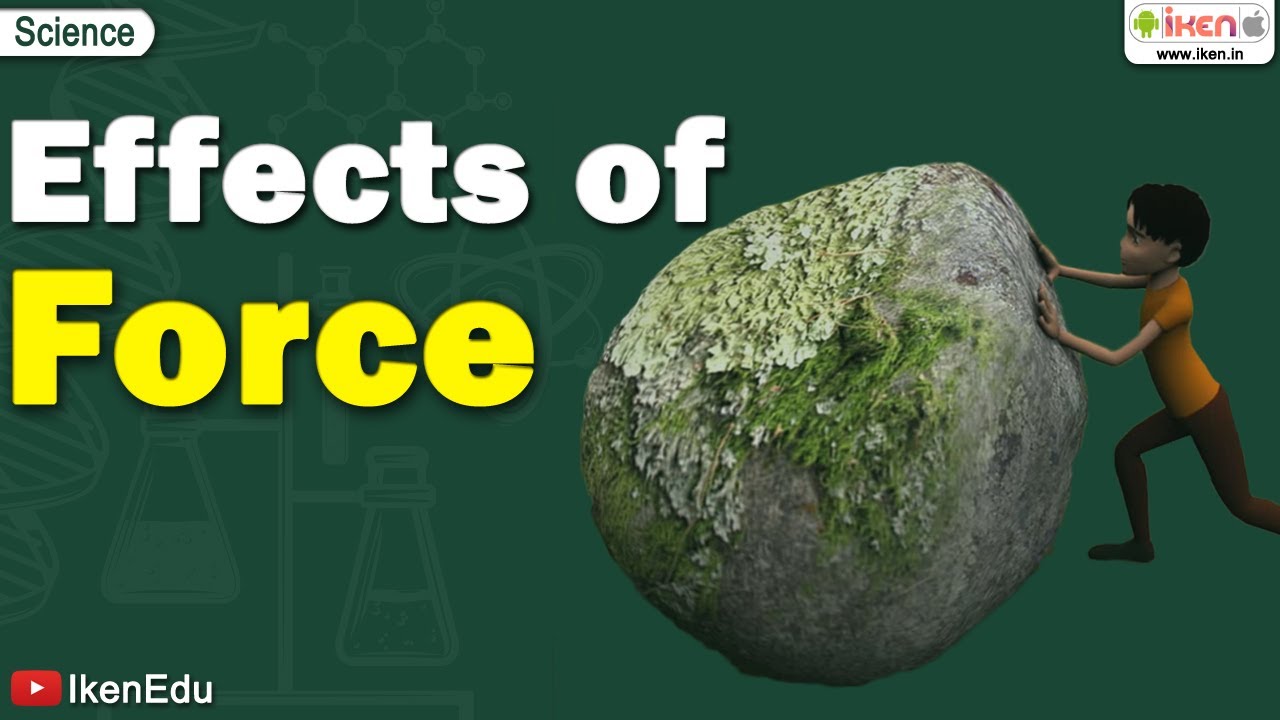
Force & Effects of Force | Secondary Science | iken | ikenapp | ikenedu
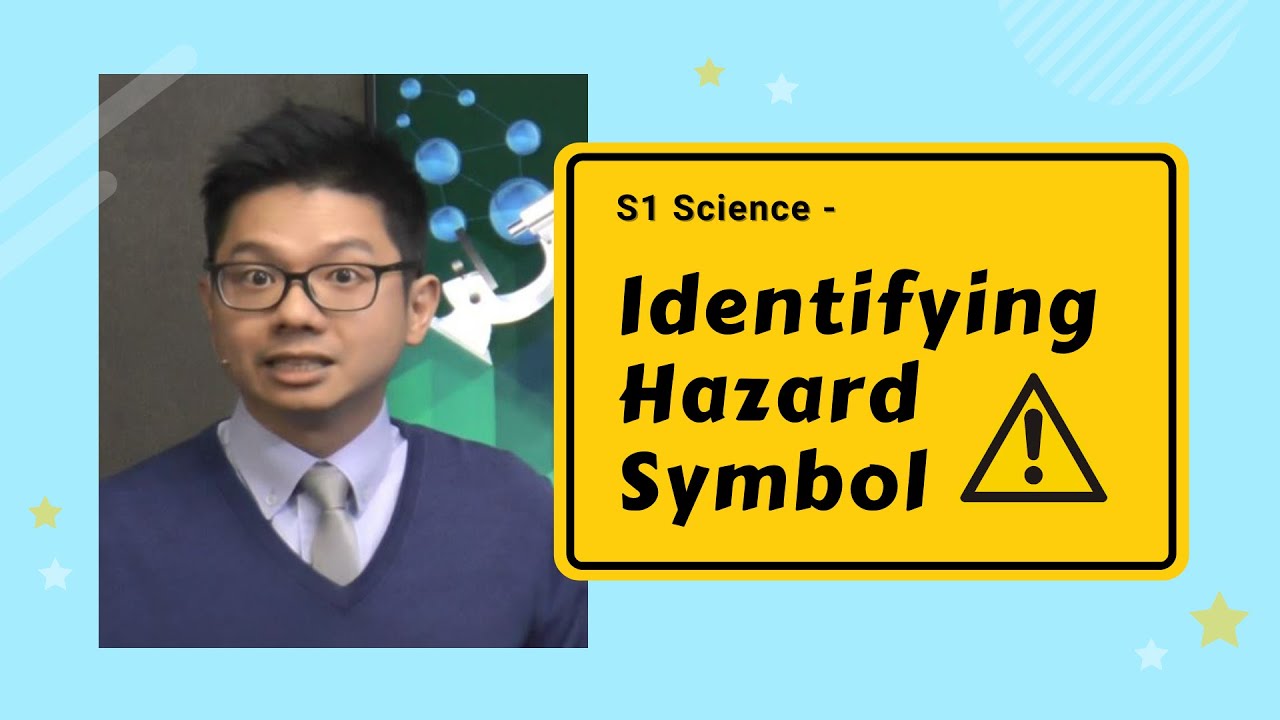
Identifying Hazard Symbols | Secondary Science

Helpful Secondary Science Resources for Students
Top 10 A Level Science Tuition Centres in Singapore

Top 10 A Level Science Tuition Centres in Singapore

This guide reviews ten A Level science tuition centres in Singapore, covering JC-focused centres, boutique classes and private tutors. It compares teaching styles, class size, locations, prices and practical support to help parents shortlist options that match their teen’s subject combination, learning gaps and exam preparation needs.
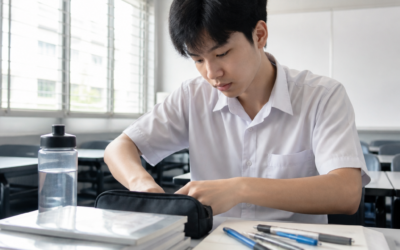
FREE Secondary Test Papers
Available For Download!

Consistent practice is important for students preparing for Secondary A Maths tests and examinations, especially when topics such as algebra, trigonometry, differentiation, and integration require strong accuracy and clear working steps. To support revision, MindFlex provides free secondary test papers that students and parents can download for additional practice at home.

These test papers can help students review weaker topics, become more familiar with exam-style questions, and identify areas that may need further guidance from a suitable A Maths tutor.


practice free test papers with your tutor
Affordable Tuition Rates

Home Tuition Rates Singapore 2026

Part-Time
Tutors

Full-Time
Tutors

Ex/Current
MOE Teachers

Pre-School

$25-$35/h

$40-$50/h

$55-$70/h

Primary 1-4

$25-$35/h

$40-$45/h

$55-$70/h

Primary 5-6

$30-$40/h

$40-$55/h

$60-$80/h

Sec 1-2

$30-$45/h

$45-$55/h

$60-$85/h

Sec 3-5

$35-$45/h

$45-$65/h

$70-$95/h

JC

$40-$55/h

$65-$90/h

$90-$130/h

IB

$40-$55/h

$65-$90/h

$90-$130/h

IGCSE / International

$30-$55/h

$45-$85/h

$60-$120/h

Poly / Uni

$40-$65/h

$60-$95/h

$100-$130/h

Adult

$30-$45/h

$40-$65/h

$70-$100/h


Our home tuition rates are constantly updated based on rates quoted by Home Tutors in Singapore. These market rates are based on the volume of 10,000+ monthly tuition assignment applications over a pool of 60,000+ active home tutors.