fbpx

MindFlex JC Tuition

JC Tuition Singapore: 1-to-1 Home Tutors for A-Level H1 and H2 Subjects

JC moves fast, and falling behind in one topic can quickly affect the next. Our JC tuition matches students with suitable tutors who can support H1 and H2 subjects, explain difficult concepts clearly and provide focused one-to-one guidance based on each student’s learning needs and examination goals.

Free Request For JC Tutor

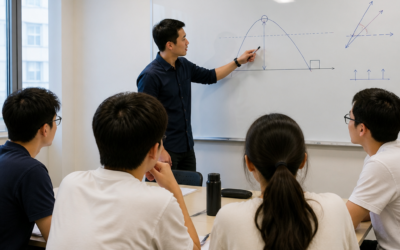
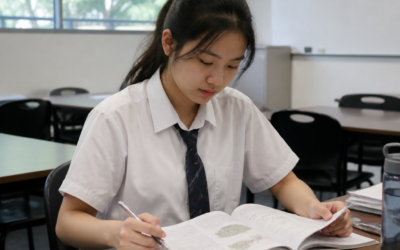
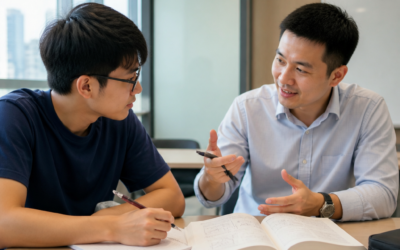
JC Tutor Conducting A Lesson
Challenges Faced While Learning JC

What Are The Challenges Faced By JC Students in Singapore?

Key Challenges:

  • Difficulty Applying Concepts, Calculating Equations, and Performing Calculations Accurately
  • Difficulty Memorising Huge Amounts of Content for every JC subject
  • Struggling to Organise Arguments and Write Well for Essays in General Paper and Humanities subjects
  • Feeling Overwhelmed by having to Master More than 4 Subjects within a short period of 2 years
  • Feeling Pressured by JC Peers and Strong Competition to win in the rat race
  • Feeling Stressed and Anxious about Personal Performance in JC and how that might impact their future prospects
  • Having Problems Balancing Both Personal and Academic Lives
  • Inability to Finish the Examination Paper due to poor examination and time management strategies
  • Inability to Perform Laboratory Experiments and Score Well for Practicals 
  • Insufficient Time to Work on Both Building Leadership Experience and Academic Proficiency
  • truggling to Keep Up with Fast Lesson Pace in JC

JC Tuition Singapore

How Our JC Tutors Support Your Child’s Learning Journey

Personalised One-to-One JC Tuition

Tutors can adapt lesson pace, examples and practice to the student’s learning style and weaker areas. This supports students who are struggling to keep up with fast JC lessons or feel overwhelmed by having to master several subjects within two years.

Consolidated Notes and Past-Year Papers

Depending on the tutor, students may receive summary notes, topical worksheets and examination papers from different schools. These resources can help students manage large amounts of content and gain wider exposure to the question types used in school and A-Level examinations.

Effective Answering Techniques

Tutors can guide students on question interpretation, answer structure, workings, time allocation and checking methods. This helps students who understand the content but struggle to organise essays, apply concepts accurately or complete papers within the time limit.

Clear Explanations and Doubt Clarification

Difficult theories, calculations and processes can be broken into smaller steps and explained using examples suited to the student’s current understanding. This supports students who have accumulated doubts or make repeated mistakes when applying formulas and concepts.

Flexible Home-Based Learning

Home tuition allows students to learn without travelling to another location after a full school day. This can make lessons easier to fit around co-curricular activities, leadership commitments and revision while giving students a familiar environment in which to focus.

Real-World Applications of JC Concepts

Tutors can connect classroom topics to current affairs, practical situations and real-world examples. These connections can make abstract content easier to understand and help students appreciate how subjects such as Economics, Physics and General Paper relate to wider issues.

Support for University and Degree Goals

Tutors can help students understand the academic expectations associated with their chosen subjects and post-JC pathways. While admission decisions depend on many factors, focused tuition can support the subject knowledge and examination skills needed to work towards university and degree goals.

Structured A-Level Preparation

Regular lessons allow tutors and students to review recurring mistakes, monitor topic mastery and plan revision before preliminary examinations and the A-Levels. This structure can reduce last-minute stress and help students approach assessments with greater confidence.

A JC Tutor Matched to the Student’s Needs

We consider the student’s subjects, level, preferred schedule, location, learning needs and budget when recommending tutors. Parents and students can review suitable profiles before confirming lessons, helping them choose someone with relevant JC teaching experience.

Effective Secondary School Home Tuition

What Are the Topics and Skills Covered by MindFlex’s JC Tutors?

JC 1
Topics and Skills Covered

General Paper

General Paper
AREA 1: UNDERSTANDING OF ISSUES OF LOCAL, REGIONAL AND GLOBAL SIGNIFICANCE
  • Society and culture
  • Economics
  • Politics
  • The arts and humanities
  • Science and technology
  • The environment
AREA 2: CRITICAL AND INVENTIVE THINKING
  • Analysis
  • Evaluation
  • Creation
AREA 3: ENGLISH LANGUAGE FOR EFFECTIVE COMMUNICATION
  • Organisation and development of ideas
  • Appropriate use of language
  • Revision of ideas and language use

H1 Mathematics

H1 Mathematics
FUNCTIONS AND GRAPHS
  • Exponential and logarithmic functions and Graphing techniques
  • Equations and inequalities
CALCULUS
  • Differentiation
  • Integration

H2 Mathematics

H2 Mathematics
FUNCTIONS AND GRAPHS
  • Functions
  • Graphing techniques
  • Equations and inequalities
SEQUENCES AND SERIES
  • Sequences and series
VECTORS
  • Basic properties of vectors in two- and three-dimensions
  • Scalar and vector products in vectors
  • Three-dimensional vector geometry
CALCULUS
  • Differentiation
  • Integration techniques
  • Definite integrals
  • Differential equations

Chinese

Chinese
LANGUAGE SKILLS
  • Reading
    • Read functional and authentic texts, essays and literary works
  • Writing
    • Write complete and coherent narrative, argumentative and expository essays
  • Spoken and Written Interaction
    • Express and exchange views on general topics
    • Draw connections across issues and apply understanding in different contexts
THEMATIC LEARNING
  • Culture
    • Examine identity, values, traditions and cultural diversity
  • Relationship
    • Explore connections among people, communities, events and the environment
  • Change
    • Analyse personal, social, environmental, technological and economic change
HIGHER-ORDER THINKING
  • Critical and Inventive Thinking
    • Develop multi-dimensional perspectives and key understandings
    • Think critically, assess options and make sound decisions

Malay

Malay
LANGUAGE SKILLS
  • Reading
    • Read functional and authentic texts, essays and literary works
  • Writing
    • Write complete and coherent narrative, argumentative and expository essays
  • Spoken and Written Interaction
    • Express and exchange views on general topics
    • Draw connections across issues and apply understanding in different contexts
THEMATIC LEARNING
  • Culture
    • Examine identity, values, traditions and cultural diversity
  • Relationship
    • Explore connections among people, communities, events and the environment
  • Change
    • Analyse personal, social, environmental, technological and economic change
HIGHER-ORDER THINKING
  • Critical and Inventive Thinking
    • Develop multi-dimensional perspectives and key understandings
    • Think critically, assess options and make sound decisions

Tamil

Tamil
LANGUAGE SKILLS
  • Reading
    • Read functional and authentic texts, essays and literary works
  • Writing
    • Write complete and coherent narrative, argumentative and expository essays
  • Spoken and Written Interaction
    • Express and exchange views on general topics
    • Draw connections across issues and apply understanding in different contexts
THEMATIC LEARNING
  • Culture
    • Examine identity, values, traditions and cultural diversity
  • Relationship
    • Explore connections among people, communities, events and the environment
  • Change
    • Analyse personal, social, environmental, technological and economic change
HIGHER-ORDER THINKING
  • Critical and Inventive Thinking
    • Develop multi-dimensional perspectives and key understandings
    • Think critically, assess options and make sound decisions

H1 Chemistry

H1 Chemistry
CORE IDEA 1: MATTER
  • Atomic Structure
    • Subatomic particles, electronic structure and ionisation energy
CORE IDEA 2: STRUCTURE AND PROPERTIES
  • Chemical Bonding
    • Ionic, covalent and metallic bonding; structure and properties
  • Theories of Acids and Bases
    • Brønsted–Lowry acids and bases
  • The Periodic Table
    • Periodicity and Group 2 and Group 17 trends
CORE IDEA 3: TRANSFORMATION
  • The Mole Concept and Stoichiometry
    • Formulae, equations and quantitative calculations
  • Chemical Energetics: Thermochemistry
    • Enthalpy changes and Hess’ Law

H2 Chemistry

H2 Chemistry
CORE IDEA 1: MATTER
  • Atomic Structure
    • Electronic configuration and ionisation energies
CORE IDEA 2: STRUCTURE AND PROPERTIES
  • Chemical Bonding
    • Bonding, structure, shape and intermolecular forces
  • The Gaseous State
    • Ideal gases and the ideal gas equation
  • The Periodic Table
    • Periodicity and selected group chemistry
CORE IDEA 3: TRANSFORMATION
  • The Mole Concept and Stoichiometry
    • Quantitative chemical calculations and redox equations
  • Chemical Energetics: Thermochemistry and Thermodynamics
    • Enthalpy, entropy and Gibbs free energy
  • Reaction Kinetics
    • Rate equations, mechanisms and activation energy
  • Chemical Equilibria
    • Equilibrium constants and Le Chatelier’s Principle
EXTENSION TOPIC: ORGANIC CHEMISTRY
  • Introduction and Isomerism
    • Formulae, nomenclature and structural and stereoisomerism
  • Hydrocarbons
    • Alkanes, alkenes and arenes

H1 Biology

H1 Biology
CORE IDEA 1: THE CELL AND BIOMOLECULES OF LIFE
  • Organelles and Cellular Structures
    • Cell structure and organisation
  • Biomolecules of Life and Cellular Transport
    • Biomolecules, membranes and transport
  • Proteins
    • Protein structure, enzymes and function
  • Stem Cells
    • Potency and applications
CORE IDEA 2: GENETICS AND INHERITANCE
  • The Structure of Nucleic Acids and Gene Expression
    • DNA, RNA and protein synthesis
  • DNA Mutations
    • Gene and chromosomal mutations
  • The Cell Cycle
    • Mitosis, meiosis and cancer
  • Inheritance
    • Mendelian inheritance and variation

H2 Biology

H2 Biology
CORE IDEA 1: THE CELL AND BIOMOLECULES OF LIFE
  • Organelles and Cellular Structures
    • Cell structure and organisation
  • Biomolecules of Life and Cellular Transport
    • Biomolecules, membranes and transport
  • Proteins
    • Protein structure, enzymes and function
CORE IDEA 2: GENETICS AND INHERITANCE
  • The Structure of Nucleic Acids and Gene Expression
    • DNA, RNA and protein synthesis
  • Organisation of Genomes
    • Prokaryotic and eukaryotic genomes
  • Control of Gene Expression
    • Regulation of gene expression
  • DNA Mutations
    • Gene and chromosomal mutations
  • The Cell Cycle
    • Mitosis, meiosis and cancer
  • Inheritance
    • Mendelian inheritance and variation

H1 Physics

H1 Physics
MEASUREMENT
  • Measurement
    • Physical quantities, units and uncertainty
NEWTONIAN MECHANICS
  • Kinematics
    • Motion in one and two dimensions
  • Dynamics
    • Newton’s laws and momentum
  • Forces
    • Types and effects of forces
  • Work, Energy, Power
    • Conservation of energy and power
  • Motion in a Circle and Orbits
    • Circular motion, gravitation and satellites

H2 Physics

H2 Physics
MEASUREMENT
  • Measurement
    • Physical quantities, units and uncertainty
NEWTONIAN MECHANICS
  • Kinematics
    • Motion in one and two dimensions
  • Dynamics
    • Newton’s laws and momentum
  • Forces
    • Types and effects of forces
  • Work, Energy, Power
    • Conservation of energy and power
  • Motion in a Circle
    • Centripetal acceleration and force
  • Gravitational Field
    • Field strength, potential and orbits
OSCILLATIONS AND WAVES
  • Oscillations
    • Simple harmonic motion
  • Wave Motion
    • Progressive waves and wave properties
  • Superposition
    • Interference, diffraction and stationary waves

H1 Economics

H1 Economics
THEME 1: THE CENTRAL ECONOMIC PROBLEM
  • Scarcity as the Central Economic Problem
    • Scarcity, Choice and Resource Allocation
    • Decision-Making Process of Economic Agents
THEME 2: MARKETS
  • Price Mechanism and its Applications
    • Price Mechanism and its Functions
    • Demand and Supply Analysis and its Applications
    • Government Intervention in Markets
  • Microeconomic Objectives and Policies
    • Governments’ Microeconomic Objectives
    • Market Failure and its Causes
    • Microeconomic Policies

H2 Economics

H2 Economics
THEME 1: THE CENTRAL ECONOMIC PROBLEM
  • Scarcity as the Central Economic Problem
    • Scarcity, Choice and Resource Allocation
    • Decision-Making Process of Economic Agents
THEME 2: MARKETS
  • Price Mechanism and its Applications
    • Price Mechanism and its Functions
    • Demand and Supply Analysis and its Applications
    • Government Intervention in Markets
  • Firms and Decisions
    • Objectives of Firms
    • Cost and Revenue
    • Firms’ Decisions and Strategies
  • Microeconomic Objectives and Policies
    • Governments’ Microeconomic Objectives
    • Market Failure and its Causes
    • Microeconomic Policies

H1 Geography

H1 Geography
CLUSTER 1: SUSTAINABLE FUTURES AND CLIMATE CHANGE
  • Cities in a Sustainable Future
    • Sustainable development and sustainable urban development
    • Management of waste, slums and urban reimaging
    • Sustainability, liveability, age and gender
CLUSTER 2: FIELDWORK
  • Needs Analysis of the Elderly Living in an Urban Neighbourhood
    • Craft a geographical question or hypothesis
    • Plan, collect, present and analyse data
    • Draw conclusions and evaluate the investigation

H2 Geography

H2 Geography
CLUSTER 1: DEVELOPMENT, ECONOMY AND ENVIRONMENT
  • Environment and Resources
    • Sustainable development, resource supply and environmental limits
    • Renewable energy, transboundary water and non-renewable resources
  • Development and the Global Economy
    • Development patterns, trade, investment and labour flows
    • Global production networks and the influence of different actors
CLUSTER 2: TROPICAL ENVIRONMENTS
  • Tropical Climates and Drainage Basins
    • Tropical climate zones, atmospheric circulation and hydrological systems
    • Drainage basin processes and flooding in the humid tropics
  • Landforms in the Tropics
    • Geomorphic processes and karst and fluvial landforms
    • Human impacts on tropical landforms

H1 History

H1 History
HISTORICAL THINKING
  • Historical Concepts
    • Accounts, chronology, evidence and historical empathy
    • Cause and effect; change and continuity
THE COLD WAR AND THE MODERN WORLD (1945-1991)
  • Theme I: The Development of the Cold War (1945-1991)
    • Emergence of tensions between the USA and USSR
    • Manifestations of the global Cold War: Korean War and Cuban Missile Crisis
    • End of the Cold War and historical interpretations

H2 History

H2 History
HISTORICAL THINKING
  • Historical Concepts
    • Accounts, chronology, evidence and historical empathy
    • Cause and effect, change and continuity, diversity and significance
PAPER 1: THE CHANGING INTERNATIONAL ORDER (1945-2000)
  • Theme I: The Development of the Cold War (1945-1991)
    • Emergence, global manifestations and end of the Cold War
  • Theme II: The Development of the Global Economy (1945-2000)
    • Growth and challenges in the global economy
    • Transformation of the Japanese and Chinese economies
  • Theme III: Conflict and Cooperation (1945-2000)
    • Causes, development and management of inter-state conflicts
    • Causes, development and management of intra-state conflicts

H1 Literature

H1 Literature
RESPONSE
  • Literary Features
    • Genre, individual form and stylistic features
    • How writers use literary features and their effects
  • Text and Context
    • Social, cultural and historical contexts of texts
    • Ideologies and assumptions that frame texts
FOUNDATIONAL LITERARY STUDY
  • Personal and Critical Response
    • Understand ideas through close examination of texts
    • Make relevant and informed personal responses

H2 Literature

H2 Literature
RESPONSE AND ANALYSIS
  • Literary Features
    • Genre, form, structure, language and stylistic features
    • Analyse and evaluate how writers’ choices shape meanings
  • Text and Context
    • Social, cultural and historical contexts
    • Ideologies and assumptions that frame texts
  • Language Use
    • Communicate ideas and explain how language shapes responses
LITERARY INQUIRY
  • Personal and Critical Response
    • Make informed responses supported by textual evidence

JC 2
Topics and Skills Covered

General Paper

General Paper
AREA 1: UNDERSTANDING OF ISSUES OF LOCAL, REGIONAL AND GLOBAL SIGNIFICANCE
  • Society and culture
  • Economics
  • Politics
  • The arts and humanities
  • Science and technology
  • The environment
AREA 2: CRITICAL AND INVENTIVE THINKING
  • Analysis
  • Evaluation
  • Creation
AREA 3: ENGLISH LANGUAGE FOR EFFECTIVE COMMUNICATION
  • Organisation and development of ideas
  • Appropriate use of language
  • Revision of ideas and language use

H1 Mathematics

H1 Mathematics
PROBABILITY AND STATISTICS
  • Probability
  • Binomial distribution
  • Normal distribution
  • Sampling
  • Hypothesis testing
  • Correlation and Linear regression

H2 Mathematics

H2 Mathematics
INTRODUCTION TO COMPLEX NUMBERS
  • Complex numbers expressed in Cartesian form and Argand diagrams
CALCULUS
  • Maclaurin series
PROBABILITY AND STATISTICS
  • Probability
  • Discrete random variables
  • Normal distribution
  • Sampling
  • Hypothesis testing
  • Correlation and Linear regression

Chinese

Chinese
LANGUAGE SKILLS
  • Reading
    • Read functional and authentic texts, essays and literary works
  • Writing
    • Write complete and coherent narrative, argumentative and expository essays
  • Spoken and Written Interaction
    • Express and exchange views on general topics
    • Draw connections across issues and apply understanding in different contexts
THEMATIC LEARNING
  • Culture
    • Examine identity, values, traditions and cultural diversity
  • Relationship
    • Explore connections among people, communities, events and the environment
  • Change
    • Analyse personal, social, environmental, technological and economic change
HIGHER-ORDER THINKING
  • Critical and Inventive Thinking
    • Develop multi-dimensional perspectives and key understandings
    • Think critically, assess options and make sound decisions

Malay

Malay
LANGUAGE SKILLS
  • Reading
    • Read functional and authentic texts, essays and literary works
  • Writing
    • Write complete and coherent narrative, argumentative and expository essays
  • Spoken and Written Interaction
    • Express and exchange views on general topics
    • Draw connections across issues and apply understanding in different contexts
THEMATIC LEARNING
  • Culture
    • Examine identity, values, traditions and cultural diversity
  • Relationship
    • Explore connections among people, communities, events and the environment
  • Change
    • Analyse personal, social, environmental, technological and economic change
HIGHER-ORDER THINKING
  • Critical and Inventive Thinking
    • Develop multi-dimensional perspectives and key understandings
    • Think critically, assess options and make sound decisions

Tamil

Tamil
LANGUAGE SKILLS
  • Reading
    • Read functional and authentic texts, essays and literary works
  • Writing
    • Write complete and coherent narrative, argumentative and expository essays
  • Spoken and Written Interaction
    • Express and exchange views on general topics
    • Draw connections across issues and apply understanding in different contexts
THEMATIC LEARNING
  • Culture
    • Examine identity, values, traditions and cultural diversity
  • Relationship
    • Explore connections among people, communities, events and the environment
  • Change
    • Analyse personal, social, environmental, technological and economic change
HIGHER-ORDER THINKING
  • Critical and Inventive Thinking
    • Develop multi-dimensional perspectives and key understandings
    • Think critically, assess options and make sound decisions

H1 Chemistry

H1 Chemistry
CORE IDEA 3: TRANSFORMATION
  • Reaction Kinetics
    • Rates, collision theory and activation energy
  • Chemical Equilibria
    • Dynamic equilibrium and Le Chatelier’s Principle
EXTENSION TOPIC: MATERIALS
  • Nanomaterials
    • Properties, applications and risks of nanomaterials
  • Polymers
    • Polymerisation, properties, uses and environmental impact

H2 Chemistry

H2 Chemistry
CORE IDEA 2: STRUCTURE AND PROPERTIES
  • Theories of Acids and Bases
    • Brønsted–Lowry theory and acid–base behaviour
EXTENSION TOPIC: CHEMISTRY OF AQUEOUS SOLUTIONS
  • Acid–Base Equilibria
    • pH, buffer solutions and titration curves
  • Solubility Equilibria
    • Solubility products and precipitation
EXTENSION TOPIC: ORGANIC CHEMISTRY
  • Halogen Derivatives
    • Reactions and mechanisms of halogenoalkanes
  • Hydroxy Compounds
    • Alcohols and phenols
  • Carbonyl Compounds
    • Aldehydes and ketones
  • Carboxylic Acids and Derivatives
    • Acids, acyl chlorides, esters and amides
  • Nitrogen Compounds
    • Amines, amino acids and proteins
EXTENSION TOPIC: ELECTROCHEMISTRY
  • Electrochemistry
    • Electrode potentials, cells and electrolysis
EXTENSION TOPIC: TRANSITION ELEMENTS
  • An Introduction to the Chemistry of Transition Elements
    • Complexes, colours, catalysis and redox chemistry

H1 Biology

H1 Biology
CORE IDEA 3: ENERGY AND EQUILIBRIUM
  • Energy Transformations
    • Photosynthesis and cellular respiration
CORE IDEA 4: BIOLOGICAL EVOLUTION
  • Biological Evolution
    • Natural selection, adaptation and biodiversity
EXTENSION TOPIC: IMPACT OF CLIMATE CHANGE
  • Impact of Climate Change
    • Biological effects of climate change and responses

H2 Biology

H2 Biology
CORE IDEA 1: THE CELL AND BIOMOLECULES OF LIFE
  • Stem Cells
    • Potency, applications and ethical considerations
CORE IDEA 2: GENETICS AND INHERITANCE
  • Molecular Techniques
    • DNA amplification, analysis and applications
CORE IDEA 3: ENERGY AND EQUILIBRIUM
  • Transformation of Energy between the Environment and Organisms
    • Photosynthesis and cellular respiration
  • Communication and Equilibrium in Organisms
    • Cell signalling and homeostasis
CORE IDEA 4: BIOLOGICAL EVOLUTION
  • Natural Selection and Adaptation
    • Selection and adaptation
  • Evolution and Biodiversity, Species and Speciation
    • Evolutionary relationships and speciation
EXTENSION TOPIC A: INFECTIOUS DISEASES
  • Infectious Diseases
    • Pathogens, transmission and control
EXTENSION TOPIC B: IMPACT OF CLIMATE CHANGE ON ANIMALS AND PLANTS
  • Impact of Climate Change on Animals and Plants
    • Biological impacts and responses

H1 Physics

H1 Physics
ELECTRICITY AND MAGNETISM
  • Current of Electricity
    • Charge, current, potential difference and resistance
  • D.C. Circuits
    • Circuit analysis and electrical power
  • Electromagnetism
    • Magnetic fields and forces on currents and charges
NUCLEAR PHYSICS
  • Nuclear Physics
    • Nuclear structure, radioactivity and nuclear energy

H2 Physics

H2 Physics
THERMAL PHYSICS
  • Temperature and Ideal Gases
    • Thermal equilibrium and kinetic theory
  • First Law of Thermodynamics
    • Internal energy, heat and work
ELECTRICITY AND MAGNETISM
  • Electric Fields
    • Field strength, potential and capacitance
  • Current of Electricity
    • Charge, current and resistance
  • D.C. Circuits
    • Circuit analysis
  • Electromagnetism
    • Magnetic fields and forces
  • Electromagnetic Induction
    • Magnetic flux and Faraday’s Law
  • Alternating Current
    • Sinusoidal supplies and transformers
MODERN PHYSICS
  • Quantum Physics
    • Photons, matter waves and energy levels
  • Nuclear Physics
    • Nuclear structure, radioactivity and nuclear energy

H1 Economics

H1 Economics
THEME 3: THE NATIONAL ECONOMY
  • Introduction to Macroeconomics
    • Aggregate Demand and Aggregate Supply
  • Macroeconomic Objectives and Policies
    • Standard of Living and Macroeconomic Indicators
    • Macroeconomic Issues
    • Macroeconomic Policies

H2 Economics

H2 Economics
THEME 3: THE NATIONAL AND INTERNATIONAL ECONOMY
  • Introduction to Macroeconomics
    • Circular Flow of Income
    • Aggregate Demand and Aggregate Supply
  • Macroeconomic Objectives and Policies
    • Standard of Living and Macroeconomic Indicators
    • Macroeconomic Issues
    • Macroeconomic Policies
  • Globalisation and the International Economy
    • Globalisation, International Trade and Economic Co-operation

H1 Geography

H1 Geography
CLUSTER 1: SUSTAINABLE FUTURES AND CLIMATE CHANGE
  • The Future with Climate Change
    • Contemporary climate change and past changes in Earth’s climate
    • Anthropogenic contributions and impacts on humans
    • Responses to climate change and implementation challenges
CLUSTER 2: FIELDWORK
  • Community Response to Climate Change
    • Craft a geographical question or hypothesis
    • Plan, collect, present and analyse data
    • Draw conclusions and evaluate the investigation

H2 Geography

H2 Geography
CLUSTER 3: SUSTAINABLE FUTURES AND CLIMATE CHANGE
  • Cities in a Sustainable Future
    • Measuring and managing sustainable urban development
    • Waste, slums, urban reimaging, liveability, age and gender
  • The Future with Climate Change
    • Causes, evidence and human impacts of contemporary climate change
    • Responses and challenges in planning and implementation
CLUSTER 4: FIELDWORK
  • Fieldwork Focus Areas
    • Community response to climate change
    • Needs analysis of the elderly living in an urban neighbourhood
    • Fluvial flood risk and strategies to mitigate it
  • Fieldwork Process
    • Question or hypothesis, planning, data collection and presentation
    • Analysis, conclusions and evaluation

H1 History

H1 History
HISTORICAL INQUIRY
  • Working with Historical Evidence
    • Source analysis, contextualisation and corroboration
    • Construct and evaluate historical explanations
THE COLD WAR AND THE MODERN WORLD (1945-1991)
  • Theme II: The Cold War and East Asia (1945-1991)
    • China and the Cold War: Sino-Soviet and Sino-American relations
    • Japan and the Cold War: Japan-USA relations and regional responses
  • Theme III: The Cold War and Southeast Asia (1945-1991)
    • Second and Third Indochina Wars
    • ASEAN and the Cold War
    • Singapore and the Cold War

H2 History

H2 History
HISTORICAL INQUIRY
  • Working with Historical Evidence
    • Source analysis, contextualisation and corroboration
    • Comparative and thematic historical explanation
PAPER 2: DEVELOPMENTS IN SOUTHEAST ASIA (INDEPENDENCE-2000)
  • Theme I: Forming Nation-States
    • Political structures, legitimacy and consolidation of power
    • Pursuit of national unity
  • Theme II: Economic Change After Independence
    • Changes across key economic sectors
    • Factors and outcomes of economic change
  • Theme III: Regional Conflicts and Cooperation
    • Inter-state tensions and cooperation
    • Formation, growth and development of ASEAN

H1 Literature

H1 Literature
ANALYSIS
  • Literary Features
    • Analyse and evaluate form, structure and language
  • Language Use
    • Communicate ideas in response to literary texts
    • Explain how writers shape meaning and evoke responses
SPECTRUM OF SKILLS
  • Critical Interpretation
    • Understand how text and writer contexts inform meanings
  • Communication
    • Communicate knowledge, understanding, insights and perspectives clearly

H2 Literature

H2 Literature
COMPARISON
  • Comparative Literary Study
    • Compare how texts construct and develop ideas
    • Compare writers’ choices of form, structure and language
    • Relate texts to their social, cultural and historical contexts
SPECTRUM OF SKILLS
  • Writers, Topics and Periods
    • Engage with major, canonical and contemporary writers
    • Study established literary topics and periods
  • Nuanced Critical Understanding
    • Negotiate complexity, ambiguity and diverse interpretations
    • Communicate insights and perspectives clearly and persuasively

Our JC tutors follow the relevant MOE and SEAB A-Level syllabuses closely when planning lessons and selecting materials. This helps keep tuition aligned with examinable content while allowing each lesson to focus on the student’s weaker topics and assessment needs.

View Full A-Level Syllabuses

Affordable JC Tuition

JC Tuition Rates Singapore

Our JC home tuition rates are constantly updated in real-time based on rates quoted by home tutors in Singapore. These market rates are based on the volume of 10,000+ monthly tuition assignment applications over a pool of 30,000+ active home tutors.

Part-Time
Tutors

Full-Time
Tutors

Ex/Current
MOE Teachers

JC 1

$40-$55/h

$60-$85/h

$90-$130/h

JC 2

$40-$55/h

$60-$85/h

$90-$130/h

Year 3 (MI)

$40-$55/h

$60-$85/h

$90-$130/h

Why Choose MindFlex for JC Tuition?

Qualified Tutors Aligned With the Latest MOE Syllabus

Clear Explanations That Build Understanding

Tutors Matched to Your Learning Needs

A Free Tutor Recommendation Within 6 Hours

No Agency Fees

Flexible One-to-One Home or Online Lessons

Hear From Other Parents & Students

Testimonials About Our JC Home Tuition


Chemistry is one of my most dreaded subjects, especially when my school releases such difficult examinations. Seeing consistent Us and Ss on my results slip is so demoralising and I couldn’t understand how to improve my grades since I didn’t understand my school lessons. I am so glad to have made the choice to request a Chemistry tutor on MindFlex, which helped me find a tutor within a week! Mr Kelvin is so clear in explaining the concepts and clarified so many of my questions and doubts. Thank you MindFlex and Mr Kelvin for helping me ace my Chemistry for A levels!

Ms Emelyn Chew, JC2 Chemistry Student
(S to A) 

Seeing consistent Ds and failures for my GP results made me decide to find a GP tutor. Ms Sharon is very dedicated in spending the first part of every lesson to drill in content for the essay topics I was interested in before focusing on helping me build skills in essay writing, comprehension, summary writing and application. She would also review my marked assignments and papers and make sure I understood all my mistakes. I am really glad to have found Ms Sharon as my tutor, and am looking forward to another year of tuition with her! Thank you MindFlex and Ms Sharon!

Ms Chloe, JC1 General Paper Student
(D to B) 

Having a weak foundation in Chinese, I did not expect to be able to pass my Chinese A levels. I am glad to find Ms Chen through MindFlex, who is so patient and detailed in improving my Chinese and expanding my appreciation for Chinese. It is a relief that I got a B for H1 Chinese so that I can apply for local universities. Thank you MindFlex and Ms Chen!

Mr Tan Ming Wei, JC1 Chinese Student
(E to B) 

Thank you MindFlex for helping me find Ms Shermaine for my daughter. My daughter has been failing her Economics since her first year in JC, and I am glad to have made the right choice in finding a tutor for her. She looks very interested during the tuition sessions, and her JC teacher also told me that she has improved a lot throughout the year. Thank you for all the help!

Mr Sivakumar, Father of JC2 Economics Student
(U to A)  

Convinient & Accessible JC Tuition

JC Tuition Near Me? 

Enjoy JC Tuition at the convenience of your home today. MindFlex provides JC Home Tuition all across Singapore. Learn in a safe & comfortable environment today with us.

REQUEST FOR A TUTOR


Frequently Asked Questions About JC Tuition

Thinking of JC Tuition?

Is JC tuition necessary for every student?

Not every student needs tuition. It may be useful when a student has persistent learning gaps, struggles with the faster pace of JC, needs support with H1 or H2 subjects or benefits from additional one-to-one guidance.

Why do students struggle in JC?

Common reasons include the faster academic pace, greater subject depth, heavier independent study demands and difficulty applying concepts under examination conditions.

How do I know if I need JC tuition?

Look for recurring difficulties rather than one poor result. Signs may include repeated mistakes, difficulty keeping up with lectures or tutorials, weaker performance across several assessments or uncertainty about how to approach examination questions.

How can JC tuition help?

A tutor can revisit weaker topics, explain concepts differently, provide targeted practice and help the student develop more consistent revision and examination strategies.

When should a student start JC tuition?

Some students begin in JC1 to adjust to the faster pace and strengthen new foundations, while others seek support later for weaker topics, school examinations or focused A-Level preparation.

Should I choose home tuition or a JC tuition centre?

Home tuition offers one-to-one attention and greater scheduling flexibility, while a JC tuition centre may suit students who prefer a structured group environment. The better choice depends on the student’s learning style, timetable and need for individual guidance.

Getting a Tutor

How do I request a JC tutor from MindFlex?

Share the student’s year, subjects, learning needs, preferred schedule, location and budget with MindFlex. Suitable tutor profiles can then be shortlisted for review.

What types of tutors are available?

Students can choose from part-time tutors, full-time tutors and current or former MOE teachers. Rates vary according to tutor category, experience and the subject required. You can review the current tuition fees before deciding which option fits your budget.

Can I request a tutor experienced with the JC syllabus?

Yes. MindFlex can recommend tutors with relevant JC teaching experience and familiarity with H1, H2 or H3 subject requirements where applicable.

How are tutors matched to the student?

The matching process considers the student’s year, subjects, weaker areas, preferred schedule, location, budget and any tutor preferences shared.

How quickly can I get a tutor?

MindFlex typically sends suitable tutor profiles within 6 hours after receiving the required details, subject to tutor availability and the specificity of the request.

Can one tutor teach multiple subjects or siblings?

Some tutors can teach more than one JC subject or work with siblings at different levels. Availability depends on the tutor’s subject coverage, experience and schedule.

Lessons

Where and how are JC tuition lessons conducted?

Lessons can be arranged at home or online, depending on the tutor and student’s preferences. One-to-one private tuition gives the tutor more flexibility to adjust the lesson around the student’s pace and needs.

Are online JC tuition lessons available?

Yes. Online lessons may be arranged when suitable tutors are available and the student is comfortable learning through video-based lessons.

How long and how frequent should JC tuition lessons be?

Many students attend one or two lessons each week, with lesson duration adjusted according to the subject, workload and proximity to examinations. The tutor can recommend a suitable schedule after assessing the student.

Can lessons follow the student’s school syllabus and examinations?

Yes. Tutors can align lessons with the student’s school curriculum, internal examinations, preliminary examinations and A-Level requirements.

Can I postpone or reschedule lessons?

Rescheduling arrangements are typically discussed directly with the tutor. Students should give as much notice as possible and agree on a replacement timing that works for both parties.

Can I change the tutor if the tutor is not suitable?

Yes. If the tutor is not suitable, please contact us and share your concerns so another tutor profile can be considered.

Other Questions

How much does JC tuition cost?

Rates depend on the subject and the tutor’s experience and qualifications. Part-time tutors generally charge less than full-time tutors or current and former MOE teachers.

Are there any agency fees?

No. MindFlex does not charge students or parents agency fees for the tutor-matching service.

Are there contracts or minimum commitments?

Tuition arrangements depend on the agreed lesson schedule and the tutor selected. Students should confirm any notice or cancellation expectations before lessons begin.

How do I pay for lessons?

Payment arrangements depend on the tuition arrangement and instructions provided when the tutor is confirmed. Clarify the payment schedule before the first lesson if you have any questions.

How do I give feedback about my tutor?

You can contact us to share feedback about your tutor or request support with the tuition arrangement. Students and parents can also explore our blog for subject and examination guidance.

JC Multimedia Learning

JC Tuition Video Resources
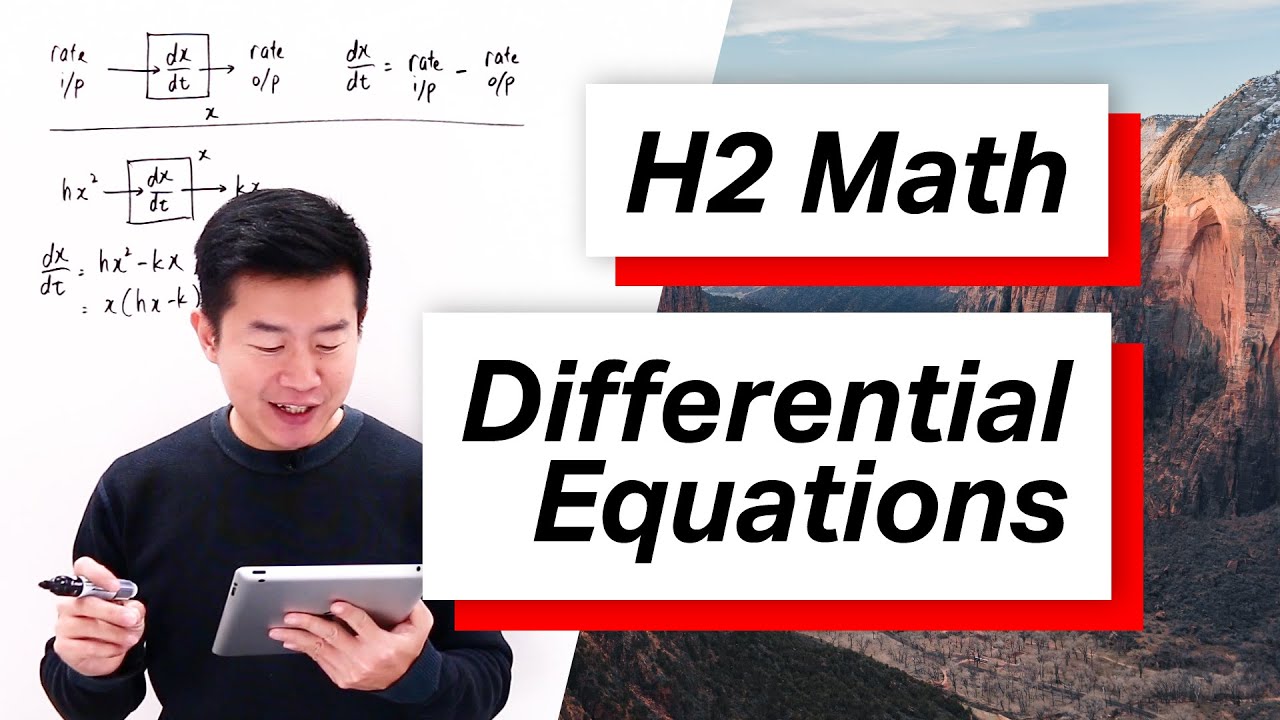
How To Model A Differential Equation | A Level H2 Math

Helpful JC Resources for Students

Top 10 A Level H1 Physics Tuition Centres in Singapore

Top 10 A Level H1 Physics Tuition Centres in Singapore

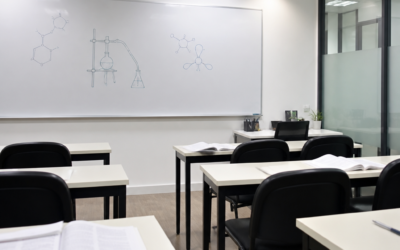
This guide reviews the top 10 A Level H1 Physics tuition centres in Singapore, comparing teaching approach, class sizes, locations, price ranges and parent feedback. It helps parents shortlist specialist and centre-based options so teens can get focused support, exam technique practice and steady improvement before A Levels.
Top 10 A Level Chemistry Tuition Centres in Singapore

Top 10 A Level Chemistry Tuition Centres in Singapore

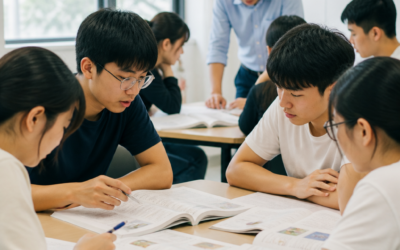
This guide compares ten A Level Chemistry tuition centres in Singapore, outlining programmes, teaching methods, class sizes, locations and typical fees. It highlights specialist chemistry options, small-group centres and JC-focused providers, with practical tips to help parents choose the best fit for their child’s learning needs and exam preparation.
JC FREE Test Papers
Available For Download!

MindFlex has specially curated Exam Papers from Top Schools to download & practice. All Levels & Subjects Available.

100% FREE, Updated & Reliable!

practice free test papers with your tutor
Affordable Tuition Rates

Home Tuition Rates Singapore 2026

Part-Time
Tutors

Full-Time
Tutors

Ex/Current
MOE Teachers

Pre-School

$25-$35/h

$40-$50/h

$55-$70/h

Primary 1-4

$25-$35/h

$40-$45/h

$55-$70/h

Primary 5-6

$30-$40/h

$40-$55/h

$60-$80/h

Sec 1-2

$30-$45/h

$45-$55/h

$60-$85/h

Sec 3-5

$35-$45/h

$45-$65/h

$70-$95/h

JC

$40-$55/h

$65-$90/h

$90-$130/h

IB

$40-$55/h

$65-$90/h

$90-$130/h

IGCSE / International

$30-$55/h

$45-$85/h

$60-$120/h

Poly / Uni

$40-$65/h

$60-$95/h

$100-$130/h

Adult

$30-$45/h

$40-$65/h

$70-$100/h


Our home tuition rates are constantly updated based on rates quoted by Home Tutors in Singapore. These market rates are based on the volume of 10,000+ monthly tuition assignment applications over a pool of 60,000+ active home tutors.