fbpx

MindFlex Chinese Tuition

Chinese Tuition in Singapore: 1-to-1 Home Tutors for All Levels

MindFlex provides personalised 1-to-1 Chinese tuition in Singapore for students across different academic levels. Choose from part-time tutors, full-time tutors and current or former MOE teachers, with lessons tailored to your child’s learning needs, school syllabus and schedule.

Free Request For Chinese Tutor

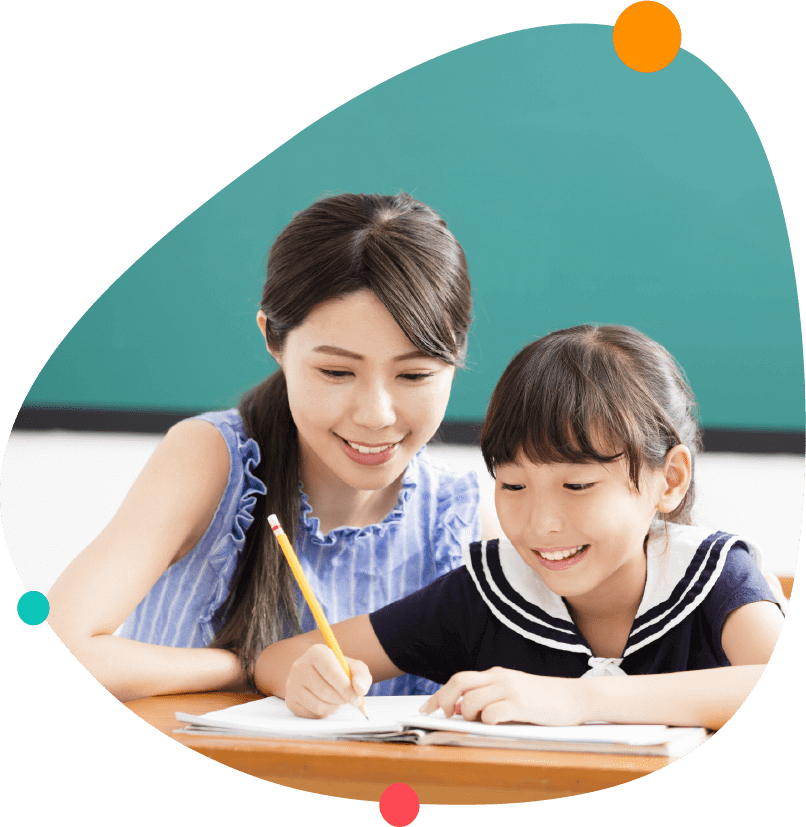
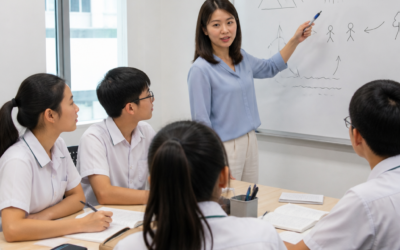
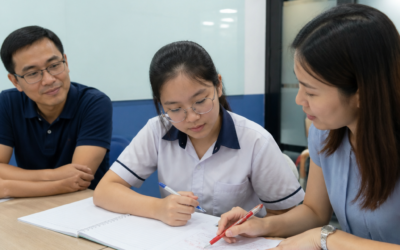
Chinese Tutor Conducting A Lesson
Challenges Faced While Learning Chinese

What Are The Challenges Faced By Chinese Students in Singapore?

Key Challenges:

  • Building a strong Chinese vocabulary
  • Recognising and remembering Chinese characters
  • Speaking Chinese confidently and fluently
  • Writing clear and well-developed compositions
  • Understanding longer and more complex passages
  • Following spoken Chinese during listening exercises
  • Using appropriate grammar and sentence structures
  • Applying Chinese language skills under examination conditions

Read more

CHINESE Tuition Singaporee

How Our Chinese Tutors Support Your Child’s Learning Journey

Different students struggle with different parts of Chinese. One child may speak confidently but struggle with comprehension, while another may understand passages yet struggle to write compositions or express ideas during oral examinations. MindFlex’s 1-to-1 Chinese tutors can focus lessons on these specific gaps and adjust the pace as your child progresses.

Personalised Lessons That Focus on Your Child’s Weak Areas

Instead of following the same lesson plan for every student, a Chinese tutor can identify where your child is losing marks and spend more time on those areas. This may include difficulty recognising vocabulary, understanding comprehension passages, generating ideas for compositions, catching information during Listening Comprehension 听力理解 or speaking confidently during Oral Communication 口试.

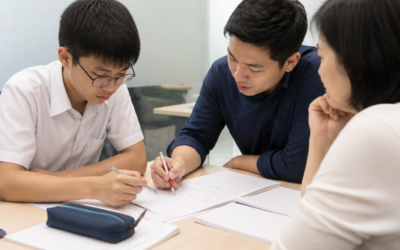
With one-to-one tuition, students can also stop and ask questions whenever they are unsure rather than moving on before they understand a concept.

Build Clearer and More Confident Chinese Oral Skills 口试

Students may know what they want to say but struggle to pronounce words accurately, organise their thoughts or give sufficiently developed answers.

Chinese tutors can provide repeated practice in pronunciation, sentence construction and spoken expression. For video-based oral components, students can learn how to observe important details, explain what is happening and connect those observations to their own views or experiences.

This gives students a clearer structure for approaching Oral Communication, rather than relying on memorised responses.

Develop Better Ideas for Composition, Email and Argumentative Writing 写作

A lack of content can make writing difficult even when a student understands the question. Tutors can help students build idea banks for common composition, email and argumentative topics and show them how to organise those ideas into a logical response.

For 议论文, lessons may also incorporate discussions of current affairs and commonly examined social issues. This gives students more examples and general knowledge to draw upon rather than trying to memorise entire essays before an examination.

Tutors can also work on vocabulary choice, sentence construction and the appropriate use of Chengyu 成语 and Yanyu 谚语 so that students can express their ideas more precisely.

Strengthen Vocabulary, Chengyu and 综合填空 Skills

Students who struggle to recognise and write Chinese vocabulary may find both comprehension and composition increasingly difficult as the syllabus progresses.

Tutors can introduce vocabulary in context and use regular recall, spelling and application exercises to reinforce unfamiliar words. Chengyu 成语 and Yanyu 谚语 can similarly be taught by meaning and usage rather than through memorisation alone, helping students prepare for 默写 and 听写.

For 综合填空, tutors can also compare similar Chinese words and explain the differences in meaning, collocation and sentence context so students can make more informed choices.

Break Down Difficult Comprehension Passages 阅读理解

Reading every character in a passage does not necessarily mean a student understands what the passage is saying. Some students struggle to interpret individual sentences, identify the relevant part of the text or understand exactly what a comprehension question requires.

A Chinese tutor can break passages into manageable sections and guide students through keywords, context and question requirements. Students can then practise identifying relevant evidence and constructing complete answers rather than copying large portions of the passage or giving incomplete responses.

Improve Listening Skills and Examination Time Management

During Listening Comprehension 听力理解, students need to identify key information while the audio plays. Tutors can use listening exercises to train students to pick out keywords, distinguish important details from supporting information and become more familiar with common question formats.

Timed practices can also support students who regularly fail to complete their examination papers. A tutor can review how long the student spends on each component and help them develop a more realistic approach to allocating time across writing, comprehension and other sections.

Help Students Decide Whether Higher Chinese Is Suitable

Students considering Higher Chinese may need to assess more than their latest examination grade. They should also consider their vocabulary foundation, reading ability, writing proficiency, current workload, and willingness to handle a more demanding Chinese syllabus.

A tutor familiar with the relevant level can identify areas that may require strengthening and help parents and students understand the additional demands involved before deciding whether Higher Chinese is suitable.

Read more

Effective cHINESE Home Tuition

What Are the Subjects, Topics and Skills Do MindFlex Tutors Cover?

 
PRIMARY
Topics Covered

Primary 1


Primary 1
Builds foundational Chinese skills through character recognition, basic vocabulary, simple sentence structures, listening, speaking, and early reading activities.
RECEPTIVE SKILLS
  • Listening
    • Recognise familiar sounds, words and simple sentences
    • Understand short, clearly delivered texts about self, family and school
  • Reading
    • Recognise basic character forms, sounds and meanings, supported by Hanyu Pinyin
    • Understand short texts with visual and teacher support
PRODUCTIVE SKILLS
  • Speaking
    • Describe familiar people, objects and experiences using simple language
  • Writing
    • Write basic characters with correct strokes and stroke order
INTERACTION SKILLS
  • Oral Interaction
    • Ask and answer simple questions in guided conversations
  • Written Interaction
    • Exchange simple information using words, phrases and visual

Primary 2

Primary 2
Develops vocabulary, character recognition, reading comprehension, oral communication, listening, and the ability to construct increasingly complete Chinese sentences.

​
RECEPTIVE SKILLS
  • Listening
    • Recognise sounds, words, phrases and simple sentence patterns
    • Understand short texts about self, family and school
  • Reading
    • Recognise basic character forms, sounds and meanings, supported by Hanyu Pinyin
    • Identify key information and sequence in simple texts
PRODUCTIVE SKILLS
  • Speaking
    • Speak about familiar topics in connected simple sentences
  • Writing
    • Write familiar characters and simple sentences accurately
INTERACTION SKILLS
  • Oral Interaction
    • Respond to and initiate short conversations on familiar topics
  • Written Interaction
    • Exchange facts and simple ideas in short written messages

Primary 3


Primary 3
Introduces more developed reading, writing, oral, and listening tasks while strengthening vocabulary, comprehension, sentence construction, and Chinese language application.

​
RECEPTIVE SKILLS
  • Listening
    • Follow age-appropriate oral texts in familiar contexts
    • Identify main ideas, details and simple relationships
  • Reading
    • Recognise and use character forms, sounds and meanings in context
    • Understand main ideas and supporting details in familiar texts
PRODUCTIVE SKILLS
  • Speaking
    • Describe, narrate and explain using basic vocabulary and connected sentences
  • Writing
    • Develop simple paragraphs with a clear sequence and basic organisation
INTERACTION SKILLS
  • Oral Interaction
    • Ask, answer and share ideas in guided discussions
  • Written Interaction
    • Exchange information and opinions in short written responses

Primary 4


Primary 4
Builds greater confidence in comprehension, composition, oral communication, and listening while introducing more complex vocabulary, passages, and language structures.

​
RECEPTIVE SKILLS
  • Listening
    • Understand age-appropriate oral and multimodal texts
    • Identify main ideas, supporting details, sequence and simple inference
  • Reading
    • Recognise and use character forms, sounds and meanings in context
    • Interpret literal and basic inferential meaning
PRODUCTIVE SKILLS
  • Speaking
    • Present descriptions, narratives and explanations clearly and coherently
  • Writing
    • Organise ideas into coherent paragraphs and revise for clarity
    • Review and improve organisation, vocabulary and accuracy
INTERACTION SKILLS
  • Oral Interaction
    • Sustain conversations and discuss ideas with appropriate responses
  • Written Interaction
    • Respond to others and develop ideas in written exchanges

Primary 5


Primary 5
Develops upper-primary Chinese skills through more demanding comprehension, composition, oral, and listening tasks, with greater emphasis on accurate language application.

​
RECEPTIVE SKILLS
  • Listening
    • Understand varied oral and multimodal texts delivered at a moderate pace
    • Interpret literal and inferential meaning and evaluate key ideas
  • Reading
    • Recognise and use character forms, sounds and meanings in context
    • Analyse text structure, purpose, viewpoint and supporting details
PRODUCTIVE SKILLS
  • Speaking
    • Communicate ideas, experiences and viewpoints clearly for different purposes
  • Writing
    • Produce coherent prose and creative texts for different purposes
    • Review and improve organisation, vocabulary and accuracy
INTERACTION SKILLS
  • Oral Interaction
    • Discuss, clarify and build on others’ ideas appropriately
  • Written Interaction
    • Exchange information and viewpoints in sustained written interaction

Primary 6


Primary 6
Consolidates Chinese language skills for PSLE preparation, including comprehension, composition, oral communication, listening comprehension, vocabulary, and examination techniques.

​
RECEPTIVE SKILLS
  • Listening
    • Understand a wide range of authentic oral and multimodal texts
    • Analyse, interpret and evaluate information, viewpoints and implied meaning
  • Reading
    • Recognise and use character forms, sounds and meanings in context
    • Critically interpret content, structure, purpose and language use
PRODUCTIVE SKILLS
  • Speaking
    • Present and justify ideas coherently, confidently and appropriately
  • Writing
    • Plan, draft, revise and refine well-organised texts for audience and purpose
    • Review and improve organisation, vocabulary and accuracy
INTERACTION SKILLS
  • Oral Interaction
    • Lead and sustain purposeful discussions while considering others’ perspectives
  • Written Interaction
    • Develop and respond to ideas independently in extended written exchanges

View Full MOE Primary School Syllabus

 
SECONDARY
Topics Covered

Secondary 1


Secondary 1
Builds on Primary School foundations with more advanced vocabulary, reading comprehension, writing, oral communication, and listening skills at Secondary School level.
LANGUAGE SKILLS
  • Receptive Skills
    • Listening: derive underlying messages from dialogues, speeches and reports
    • Reading: understand underlying messages and appreciate texts of varied genres
  • Productive Skills
    • Speak fluently and clearly about familiar topics and viewpoints
    • Write coherently using varied vocabulary and sentence structures
  • Interactive Skills
    • Interact fluently in physical and virtual settings
    • Exchange views using appropriate language and expressions
CULTURE AND CONNECTION
  • Cultural Understanding
    • Appreciate the culture and history of Mother Tongue communities
    • Respect diverse cultural backgrounds, worldviews and perspectives
  • Contemporary Issues
    • Understand and discuss local and global current affairs
CRITICAL AND INVENTIVE THINKING
  • Critical Thinking
    • Develop perspectives, assess options and make sound decisions
    • Evaluate the accuracy, credibility and relevance of information

Secondary 2

Secondary 2
Strengthens Chinese language proficiency through increasingly complex texts, vocabulary, writing tasks, comprehension questions, oral communication, and listening activities.

​
LANGUAGE SKILLS
  • Receptive Skills
    • Listening: derive underlying messages from dialogues, speeches and reports
    • Reading: understand underlying messages and appreciate texts of varied genres
  • Productive Skills
    • Speak fluently and clearly about familiar topics and viewpoints
    • Write coherently using varied vocabulary and sentence structures
  • Interactive Skills
    • Interact fluently in physical and virtual settings
    • Exchange views using appropriate language and expressions
CULTURE AND CONNECTION
  • Cultural Understanding
    • Appreciate the culture and history of Mother Tongue communities
    • Respect diverse cultural backgrounds, worldviews and perspectives
  • Contemporary Issues
    • Understand and discuss local and global current affairs
CRITICAL AND INVENTIVE THINKING
  • Critical Thinking
    • Develop perspectives, assess options and make sound decisions
    • Evaluate the accuracy, credibility and relevance of information

Secondary 3


Secondary 3
Develops more advanced comprehension, writing, vocabulary, oral, and listening skills while preparing students for the demands of upper-secondary Chinese assessments.

​
LANGUAGE SKILLS
  • Receptive Skills
    • Listening: derive underlying messages from dialogues, speeches and reports
    • Reading: understand underlying messages and appreciate texts of varied genres
  • Productive Skills
    • Speak fluently and clearly about familiar topics and viewpoints
    • Write coherently using varied vocabulary and sentence structures
  • Interactive Skills
    • Interact fluently in physical and virtual settings
    • Exchange views using appropriate language and expressions
CULTURE AND CONNECTION
  • Cultural Understanding
    • Appreciate the culture and history of Mother Tongue communities
    • Respect diverse cultural backgrounds, worldviews and perspectives
  • Contemporary Issues
    • Understand and discuss local and global current affairs
CRITICAL AND INVENTIVE THINKING
  • Critical Thinking
    • Develop perspectives, assess options and make sound decisions
    • Evaluate the accuracy, credibility and relevance of information

Secondary 4


Secondary 4
Focuses on consolidating Chinese language proficiency and applying comprehension, writing, oral, and listening skills effectively in upper-secondary assessments and national examinations.

​
LANGUAGE SKILLS
  • Receptive Skills
    • Listening: derive underlying messages from dialogues, speeches and reports
    • Reading: understand underlying messages and appreciate texts of varied genres
  • Productive Skills
    • Speak fluently and clearly about familiar topics and viewpoints
    • Write coherently using varied vocabulary and sentence structures
  • Interactive Skills
    • Interact fluently in physical and virtual settings
    • Exchange views using appropriate language and expressions
CULTURE AND CONNECTION
  • Cultural Understanding
    • Appreciate the culture and history of Mother Tongue communities
    • Respect diverse cultural backgrounds, worldviews and perspectives
  • Contemporary Issues
    • Understand and discuss local and global current affairs
CRITICAL AND INVENTIVE THINKING
  • Critical Thinking
    • Sustain conversations and discuss ideas with appropriate responses
  • Written Interaction
    • Develop perspectives, assess options and make sound decisions
    • Evaluate the accuracy, credibility and relevance of information

Secondary 5


Secondary 5
Provides continued preparation for upper-secondary Chinese examinations, with focused practice in comprehension, writing, oral communication, listening, vocabulary, and examination techniques.

​
LANGUAGE SKILLS
  • Receptive Skills
    • Listening: derive underlying messages from dialogues, speeches and reports
    • Reading: understand underlying messages and appreciate texts of varied genres
  • Productive Skills
    • Speak fluently and clearly about familiar topics and viewpoints
    • Write coherently using varied vocabulary and sentence structures
  • Interactive Skills
    • Interact fluently in physical and virtual settings
    • Exchange views using appropriate language and expressions
CULTURE AND CONNECTION
  • Cultural Understanding
    • Appreciate the culture and history of Mother Tongue communities
    • Respect diverse cultural backgrounds, worldviews and perspectives
  • Contemporary Issues
    • Understand and discuss local and global current affairs
CRITICAL AND INVENTIVE THINKING
  • Critical Thinking
    • Develop perspectives, assess options and make sound decisions
    • Evaluate the accuracy, credibility and relevance of information

View Full MOE Secondary School Syllabus

 
JC
Topics Covered

JC 1


JC 1
Develops Chinese language proficiency at pre-university level through more sophisticated texts, language use, communication skills, and preparation for relevant A-Level Chinese requirements.
LANGUAGE SKILLS
  • Reading
    • Read functional and authentic texts, essays and literary works
  • Writing
    • Write complete and coherent narrative, argumentative and expository essays
  • Spoken and Written Interaction
    • Express and exchange views on general topics
    • Draw connections across issues and apply understanding in different contexts
THEMATIC LEARNING
  • Culture
    • Examine identity, values, traditions and cultural diversity
  • Relationship
    • Explore connections among people, communities, events and the environment
  • Change
    • Analyse personal, social, environmental, technological and economic change
HIGHER-ORDER THINKING
  • Critical and Inventive Thinking
    • Develop multi-dimensional perspectives and key understandings
    • Think critically, assess options and make sound decisions

JC 2

JC 2
Consolidates pre-university Chinese skills with greater emphasis on applying language knowledge accurately and preparing for relevant A-Level Chinese assessments.

​
LANGUAGE SKILLS
  • Reading
    • Read functional and authentic texts, essays and literary works
  • Writing
    • Write complete and coherent narrative, argumentative and expository essays
  • Spoken and Written Interaction
    • Express and exchange views on general topics
    • Draw connections across issues and apply understanding in different contexts
THEMATIC LEARNING
  • Culture
    • Examine identity, values, traditions and cultural diversity
  • Relationship
    • Explore connections among people, communities, events and the environment
  • Change
    • Analyse personal, social, environmental, technological and economic change
HIGHER-ORDER THINKING
  • Critical and Inventive Thinking
    • Develop multi-dimensional perspectives and key understandings
    • Think critically, assess options and make sound decisions

View Full MOE A-Level Syllabus

 
IP
Topics Covered

Y1


Y1
Builds foundational Chinese language proficiency within the student’s programme, covering vocabulary, reading, writing, listening, and oral communication according to their curriculum requirements.

​
+
Language AB Initio (Chinese, Malay, Tamil) (SL)
RECEPTIVE SKILLS
  • Listening and Reading
    • Understand and respond to written, audio and audiovisual texts
    • Identify main ideas, details, context, audience, purpose and meaning
PRODUCTIVE SKILLS
  • Writing and Speaking
    • Communicate clearly and effectively in familiar and unfamiliar contexts
    • Use appropriate vocabulary, grammar, register and text conventions
    • Organize and present ideas for varied audiences and purposes
INTERACTIVE SKILLS
  • Interpersonal and Intercultural Communication
    • Participate in conversations and respond appropriately
    • Explore perspectives and cultural practices of target-language communities
INTERCULTURAL UNDERSTANDING
  • Identities
    • Personal attributes; Personal relationships
    • Eating and drinking; Physical well-being
  • Experiences
    • Daily routine; Leisure
    • Holidays; Festivals and celebrations
  • Human Ingenuity
    • Transport; Entertainment
    • Media; Technology
  • Social Organization
    • Neighbourhood; Education
    • The workplace; Social issues
  • Sharing the Planet
    • Climate; Physical geography
    • The environment; Global issues
+
Language B (Chinese, Malay, Tamil) (SL)
RECEPTIVE SKILLS
  • Listening and Reading
    • Understand and analyse written, audio and audiovisual texts
    • Interpret context, audience, purpose, meaning and variation
PRODUCTIVE SKILLS
  • Writing and Speaking
    • Communicate clearly and accurately for varied purposes
    • Organize ideas using appropriate register and conventions
INTERACTIVE SKILLS
  • Interpersonal and Intercultural Communication
    • Sustain interaction in familiar and unfamiliar contexts
    • Respond to perspectives from target-language cultures
INTERCULTURAL UNDERSTANDING
  • Prescribed Themes
    • Identities; Experiences; Human Ingenuity
    • Social Organization; Sharing the Planet
+Language B (Chinese, Malay, Tamil) (HL)
RECEPTIVE SKILLS
  • Listening and Reading
    • Analyse complex written, audio and audiovisual texts
    • Interpret nuance, implicit meaning, context and cultural perspectives
PRODUCTIVE SKILLS
  • Writing and Speaking
    • Communicate fluently and accurately using an extended range of language
    • Construct and evaluate complex arguments for varied audiences and purposes
INTERACTIVE SKILLS
  • Interpersonal and Intercultural Communication
    • Sustain sophisticated interaction in familiar and unfamiliar contexts
INTERCULTURAL UNDERSTANDING
  • Prescribed Themes
    • Identities; Experiences; Human Ingenuity
    • Social Organization; Sharing the Planet
  • Literary Study
    • Study two literary works originally written in the target language

Y2


Y2
Develops more advanced Chinese communication and literacy skills, with lessons adapted to the student’s programme, assessment requirements, and areas requiring additional support.

​
+
Language AB Initio (Chinese, Malay, Tamil) (SL)
RECEPTIVE SKILLS
  • Listening and Reading
    • Understand and respond to written, audio and audiovisual texts
    • Identify main ideas, details, context, audience, purpose and meaning
PRODUCTIVE SKILLS
  • Writing and Speaking
    • Communicate clearly and effectively in familiar and unfamiliar contexts
    • Use appropriate vocabulary, grammar, register and text conventions
    • Organize and present ideas for varied audiences and purposes
INTERACTIVE SKILLS
  • Interpersonal and Intercultural Communication
    • Participate in conversations and respond appropriately
    • Explore perspectives and cultural practices of target-language communities
INTERCULTURAL UNDERSTANDING
  • Identities
    • Personal attributes; Personal relationships
    • Eating and drinking; Physical well-being
  • Experiences
    • Daily routine; Leisure
    • Holidays; Festivals and celebrations
  • Human Ingenuity
    • Transport; Entertainment
    • Media; Technology
  • Social Organization
    • Neighbourhood; Education
    • The workplace; Social issues
  • Sharing the Planet
    • Climate; Physical geography
    • The environment; Global issues
+
Language B (Chinese, Malay, Tamil) (SL)
RECEPTIVE SKILLS
  • Listening and Reading
    • Understand and analyse written, audio and audiovisual texts
    • Interpret context, audience, purpose, meaning and variation
PRODUCTIVE SKILLS
  • Writing and Speaking
    • Communicate clearly and accurately for varied purposes
    • Organize ideas using appropriate register and conventions
INTERACTIVE SKILLS
  • Interpersonal and Intercultural Communication
    • Sustain interaction in familiar and unfamiliar contexts
    • Respond to perspectives from target-language cultures
INTERCULTURAL UNDERSTANDING
  • Prescribed Themes
    • Identities; Experiences; Human Ingenuity
    • Social Organization; Sharing the Planet
+Language B (Chinese, Malay, Tamil) (HL)
RECEPTIVE SKILLS
  • Listening and Reading
    • Analyse complex written, audio and audiovisual texts
    • Interpret nuance, implicit meaning, context and cultural perspectives
PRODUCTIVE SKILLS
  • Writing and Speaking
    • Communicate fluently and accurately using an extended range of language
    • Construct and evaluate complex arguments for varied audiences and purposes
INTERACTIVE SKILLS
  • Interpersonal and Intercultural Communication
    • Sustain sophisticated interaction in familiar and unfamiliar contexts
INTERCULTURAL UNDERSTANDING
  • Prescribed Themes
    • Identities; Experiences; Human Ingenuity
    • Social Organization; Sharing the Planet
  • Literary Study
    • Study two literary works originally written in the target language

Year 10


Year 10
Supports students in increasingly advanced Chinese reading, writing, listening, speaking, vocabulary, and assessment skills, aligned with school and curriculum requirements.

​
READING
  • Understanding Texts
    • Understand notices, signs and a range of short and extended texts
    • Identify details, important points, themes, ideas, opinions and attitudes
  • Interpretation
    • Understand implied meaning, purpose and intention
    • Select, organise and connect relevant information
WRITING
  • Written Communication
    • Communicate factual information, ideas, opinions and arguments in Chinese
    • Respond to stimuli using appropriate purpose, audience, register and format
  • Language Use
    • Use a range of vocabulary, grammatical structures, punctuation and linking devices
    • Organise information and ideas into coherent paragraphs
LISTENING
  • Listening Comprehension
    • Understand factual information, ideas, opinions and attitudes from varied sources
    • Identify details, connections, intentions and feelings
SPEAKING
  • Oral Communication
    • Present and discuss information, ideas and arguments clearly
    • Use appropriate vocabulary, grammar, pronunciation, intonation and linking devices
    • Respond flexibly in conversation and show awareness of audience

Year 11


Year 11
Consolidates Chinese language skills for upper-secondary or international curriculum assessments, with focused practice based on the student’s syllabus, examination format, and weaker areas.

​
READING
  • Understanding Texts
    • Understand notices, signs and a range of short and extended texts
    • Identify details, important points, themes, ideas, opinions and attitudes
  • Interpretation
    • Understand implied meaning, purpose and intention
    • Select, organise and connect relevant information
WRITING
  • Written Communication
    • Communicate factual information, ideas, opinions and arguments in Chinese
    • Respond to stimuli using appropriate purpose, audience, register and format
  • Language Use
    • Use a range of vocabulary, grammatical structures, punctuation and linking devices
    • Organise information and ideas into coherent paragraphs
LISTENING
  • Listening Comprehension
    • Understand factual information, ideas, opinions and attitudes from varied sources
    • Identify details, connections, intentions and feelings
SPEAKING
  • Oral Communication
    • Present and discuss information, ideas and arguments clearly
    • Use appropriate vocabulary, grammar, pronunciation, intonation and linking devices
    • Respond flexibly in conversation and show awareness of audience

View Full MOE Integrated Programme (IP) Syllabus

MindFlex’s Chinese tutors follow the MOE syllabus closely when planning lessons, selecting practice questions and guiding students through level-appropriate topics. This helps ensure that tuition remains relevant to what students are learning in school while allowing tutors to spend more time on individual areas of difficulty.

Affordable Chinese Tuition

Chinese Tuition Rates Singapore

Our Chinese home tuition rates are constantly updated in real-time based on rates quoted by home tutors in Singapore. These market rates are based on the volume of 10,000+ monthly tuition assignment applications over a pool of 60,000+ active home tutors.

Part-Time
Tutors

Full-Time
Tutors

Ex/Current
MOE Teachers

Pre-School

$25-$35/h

$40-$50/h

$55-$70/h

Primary 1-4

$25-$35/h

$40-$45/h

$55-$70/h

Primary 5-6

$30-$40/h

$40-$55/h

$60-$80/h

Sec 1-2

$30-$45/h

$45-$55/h

$60-$85/h

Sec 3-5

$35-$45/h

$45-$65/h

$70-$95/h

JC

$40-$55/h

$65-$90/h

$90-$130/h

IB

$40-$55/h

$65-$90/h

$90-$130/h

IGCSE / International

$30-$55/h

$45-$85/h

$60-$120/h

Poly / Uni

$40-$65/h

$60-$95/h

$100-$130/h

Adult

$30-$45/h

$40-$65/h

$70-$100/h

Why Choose MindFlex For Your Chinese Tuition?

Tutors Matched to Your Child’s Needs

Qualified Tutors Aligned With The Latest MOE Syllabus

Clear Explanations That Build Real Understanding

A Free Tutor Recommendation Within 6 Hours

No Agency Fees, Ever

Flexible 1-to-1 Home Or Online Lessons

Hear From Other Parents & Students

Testimonials About Our Chinese Home Tuition

I would like to thank MindFlex for helping me find Mr Joseph Tan to help me with my Chinese! I have always scored poorly for my Chinese, so I couldn’t take up Higher Chinese O levels and had to study H1 Chinese during JC. Thankfully, Mr Joseph gave me many tips and practices to improve my Chinese skills before my H1 Chinese paper. Within 10 months, I was able to improve from D to A! Thank you, Mr Joseph! I really enjoyed my tuition with you.

Mr Damon Chia, JC1 H1 Chinese Student 
(D to A)

Thank you MindFlex and Ms Jamie for helping my daughter get into the Higher Chinese! Initially, I thought it will be acceptable for my daughter to score Bs and Cs for Chinese since her other subjects were doing relatively well. But after she followed her brother for the open house to River Valley High School, she was quite insistent to enter the school for her secondary education.  With Ms Jamie following my daughter up to PSLE, I’m confident that my daughter can enter her dream school!

Ms Michelle Tong, Mum of P4 Chinese Student
(C to A)

Chinese has always been a subject I struggle in since young. Thank you MindFlex and Ms Janice for helping me find interest in Chinese through dramas and storybooks, and for being patient of my slow learning progress. I am quite happy with my results, and even more satisfied that I can understand Chinese dramas and news. The IB Chinese syllabus is also quite unique, I am lucky to have Ms Janice as my Chinese Tutor. Thank you so much!

Mr Steve Ng, IB SL Chinese B Student
(4 Points to 7 Points)

Hi MindFlex, thank you for helping me find a suitable Chinese Tutor. Moving to Singapore, I found that it was necessary for me to pick up basic Chinese. However, I wasn’t able to find much useful online resources to learn Chinese, and I didn’t have anyone to help me check if I was pronouncing the words correctly. Thank you Ms Caroline for your help in teaching me the basics of HanyuPinyin and conversational Chinese. 感谢你们的帮助!

Mr Oliver, Adult Conversational Chinese Student
(Improved Speaking in Chinese)

Convinient & Accessible Chinese Tuition

Chinese Tuition Near Me? 

Enjoy Chinese Tuition at the convenience of your home today. MindFlex provides Chinese Home Tuition all across Singapore. Learn in a safe & comfortable environment today with us.

REQUEST FOR A TUTOR


Frequently Asked Questions About Chinese Tuition in Singapore

Thinking of Chinese Tuition?

Is Chinese a difficult subject?

Chinese can be challenging when students have limited exposure outside school, particularly as vocabulary, comprehension, oral and writing requirements become more advanced.

Why do students struggle with Chinese?

Common challenges include vocabulary recall, character recognition, comprehension, oral expression and composition. Some students also need more practice applying what they learn under examination conditions.

How do I know if my child needs help with Chinese?

Consider additional support if difficulties persist across assessments, such as weak comprehension, limited vocabulary, unfinished papers, reluctance to speak Chinese or difficulty developing writing ideas.

Explore our blogs for more Chinese learning and examination guidance.

How can Chinese tuition help my child?

1-to-1 tuition allows tutors to focus on specific weaknesses, adjust lesson pace and provide targeted practice in areas such as comprehension, oral, vocabulary, composition and examination techniques.

When should my child start Chinese tuition?

Consider tuition when learning gaps persist, your child struggles to keep pace with school, or more focused preparation is needed before major examinations.

Should I choose home tuition or a Chinese tuition centre?

Home tuition offers 1-to-1 attention and flexible pacing, while group classes may suit students who prefer classroom learning.

Getting a Tutor

How do I request a Chinese tutor from MindFlex?

Submit your child’s level, learning needs, location, schedule and tutor preferences. MindFlex will then recommend suitable tutor profiles for you to review.

What types of Chinese tutors are available?

Choose from part-time tutors, full-time tutors and current or former MOE teachers. Rates vary by level and tutor category, as shown in our tuition fees.

How are tutors matched to my child?

MindFlex considers your child’s level, learning needs, location, preferred schedule, lesson mode, budget and tutor preferences when shortlisting suitable profiles.

Can I request a specific tutor or tutor profile?

Yes. You may state preferences such as tutor category, experience, gender, availability or syllabus familiarity, subject to suitable tutor availability.

How quickly can I get a Chinese tutor?

MindFlex typically provides suitable tutor profiles within 6 hours of receiving your requirements, allowing you to review the options before choosing.

Can one tutor teach more than one subject or child, such as siblings?

Yes, if the tutor is suitable. Include additional subjects or siblings when submitting your request so MindFlex can consider these requirements during matching.

Lessons

Where are the lessons conducted?

Face-to-face home tuition is usually conducted at the family’s preferred location, unless another arrangement is agreed between the tutor and client.

Are online Chinese lessons available?

Yes. MindFlex offers online tuition for families seeking greater flexibility. Lessons can still be conducted 1-to-1 and tailored to the student’s needs.

How long and how frequent should Chinese lessons be?

Lesson length and frequency depend on the student’s level, needs and upcoming assessments. Weekly lessons are common, with additional sessions arranged when necessary.

Can lessons follow my child’s school syllabus and assessments?

Yes. Tutors can align lessons with the relevant Chinese syllabus while focusing on current school topics, upcoming assessments and areas requiring additional practice.

Can I postpone or reschedule lessons?

Yes. After the first lesson, schedules can generally be rearranged directly with the tutor, provided both parties agree on the revised timing.

Can I change or stop lessons if the tutor is not suitable?

Yes. You may stop an unsuitable tuition arrangement, although lessons already attended remain payable. You can also contact MindFlex for assistance.

Others

How much does Chinese tuition cost?

Rates depend on academic level and tutor category. View our tuition fees for current hourly rates for part-time, full-time and current or former MOE tutors.

Are there any agency or commission fees?

No agency fees are charged to clients for MindFlex’s tutor-matching service. Applicable GST may still apply to payments collected through MindFlex where stated.

Are there any contracts or minimum commitments?

Requesting tutor profiles does not require you to accept a tutor. Once tuition begins, the arrangement is subject to MindFlex’s applicable client terms.

How do I pay for lessons?

We may collect initial payments as outlined in your Confirmation Note. You generally pay subsequent tuition fees directly to the tutor under the agreed arrangement.

How do I give feedback about my tutor?

If you have feedback or concerns about your tutor, contact the team, and we can review your situation.

Chinese Multimedia learning

Chinese Tuition Video Resources
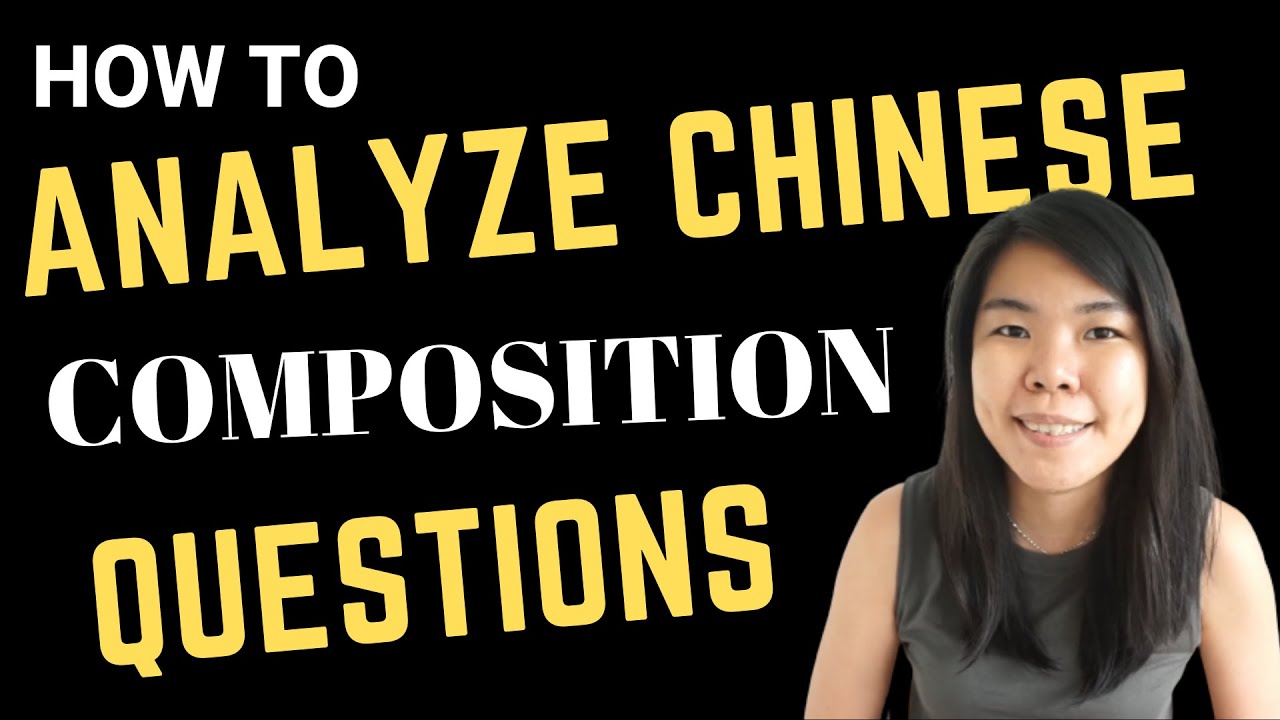
Chinese Composition Writing Tips | How to Analyze Chinese Composition  Questions and stay on point!
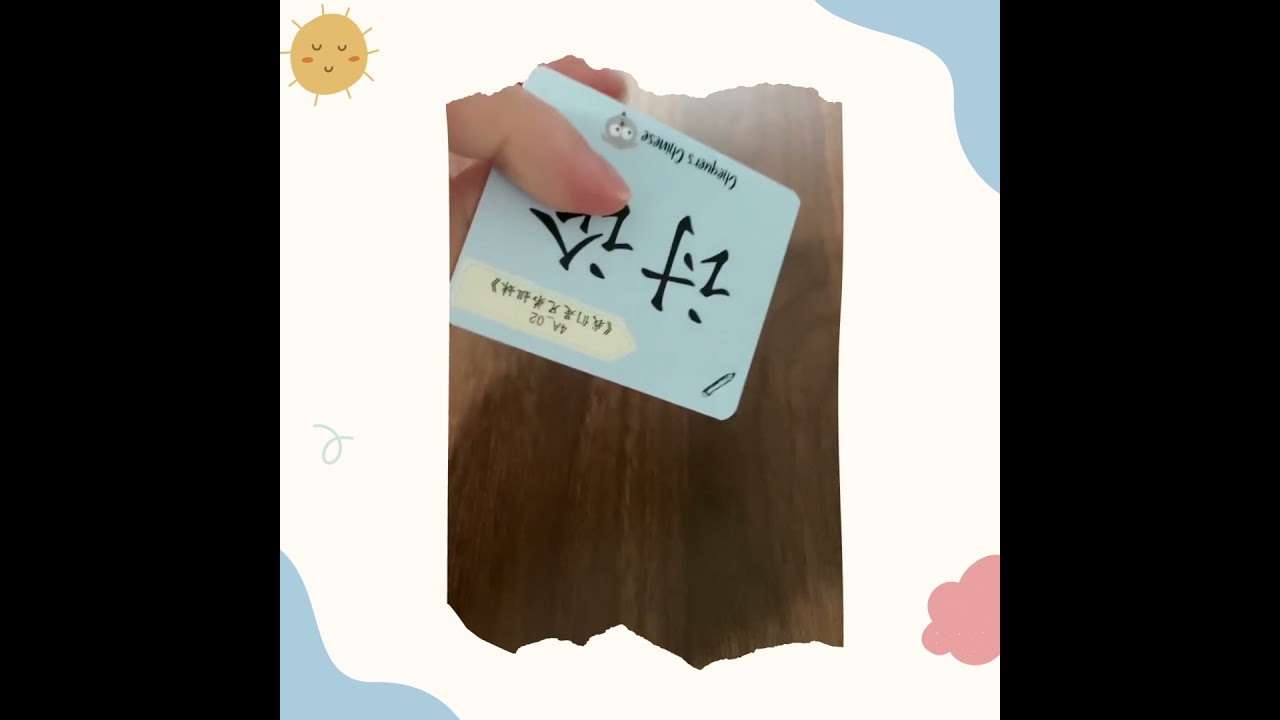
Singapore Primary School Chinese Flashcards 新加坡小学华文词卡

Helpful Chinese Resources for Students
Top 10 IB SL Chinese Tuition Centres in Singapore

Top 10 IB SL Chinese Tuition Centres in Singapore

This guide reviews ten IB SL Chinese tuition centres in Singapore, comparing teaching style, IB experience, class size, lesson format, location and fees. It helps parents and students choose between specialist IB providers, Chinese language schools and tuition centres to find the best fit for Standard Level Chinese.
Top 10 IB Chinese Tuition Centres in Singapore

Top 10 IB Chinese Tuition Centres in Singapore

This guide reviews 10 IB Chinese tuition centres across Singapore, comparing course fit for Chinese A, Chinese B and ab initio, class size, teaching approach, locations, schedules and fees. It highlights specialist programmes, exam-focused training and centres suited to students needing oral, writing or comprehension support.
Top 10 A Level Chinese Tuition Centres in Singapore

Top 10 A Level Chinese Tuition Centres in Singapore

This guide compares 10 A Level Chinese tuition centres across Singapore, including specialist schools, small-class academies and JC-focused centres. It outlines teaching approaches, class sizes, branch availability, fees and exam preparation features so parents can shortlist centres that match their teen’s H1 Chinese needs and learning style.
FREE Test Papers
Available For Download!

MindFlex has specially curated Exam Papers from Top Schools to download & practice. All Levels & Subjects Available.

100% FREE, Updated & Reliable!

practice free test papers with your tutor
Affordable Tuition Rates

Home Tuition Rates Singapore 2026

Part-Time
Tutors

Full-Time
Tutors

Ex/Current
MOE Teachers

Pre-School

$25-$35/h

$40-$50/h

$55-$70/h

Primary 1-4

$25-$35/h

$40-$45/h

$55-$70/h

Primary 5-6

$30-$40/h

$40-$55/h

$60-$80/h

Sec 1-2

$30-$45/h

$45-$55/h

$60-$85/h

Sec 3-5

$35-$45/h

$45-$65/h

$70-$95/h

JC

$40-$55/h

$65-$90/h

$90-$130/h

IB

$40-$55/h

$65-$90/h

$90-$130/h

IGCSE / International

$30-$55/h

$45-$85/h

$60-$120/h

Poly / Uni

$40-$65/h

$60-$95/h

$100-$130/h

Adult

$30-$45/h

$40-$65/h

$70-$100/h


Our home tuition rates are constantly updated based on rates quoted by Home Tutors in Singapore. These market rates are based on the volume of 10,000+ monthly tuition assignment applications over a pool of 60,000+ active home tutors.