


Introduction
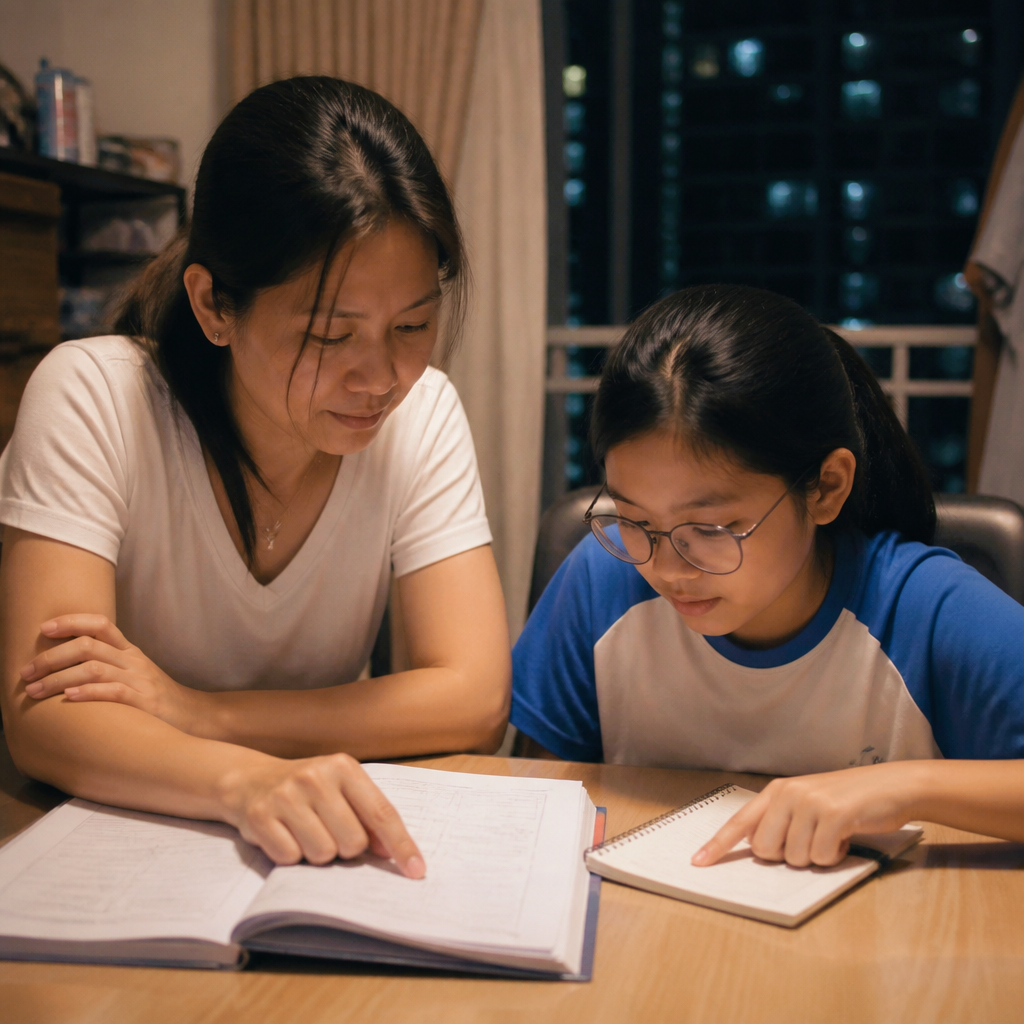
If your child is in Primary 6, your evenings may already feel very different. It is late, there are still corrections to finish, tomorrow’s school tasks are waiting, and the mood at home can change quickly. Many parents searching for how to study for PSLE are not asking for a perfect plan. They are trying to find a realistic way to help their child revise without every night ending in stress.
The good news is that learning how to prepare for the PSLE does not mean packing every spare hour with assessment books. In Singapore, PSLE revision usually works best when it is consistent, targeted, and shaped around your child’s actual weak spots. A calm routine that can be repeated week after week often works better than an ambitious timetable that collapses by the third day. This guide shows you how to revise for PSLE with practical routines, subject-specific support, and sensible ways busy parents can help at home, even without sitting beside their child for hours every day.
Key Takeaways
- Short, consistent revision works better than marathon sessions. A Primary 6 child is more likely to stay focused with 30 to 45 minute blocks than with a three-hour session after a long school day. Short sessions also make it easier to return to revision the next day without dread.
- A good PSLE study plan starts with weak topics, not random practice. Use school papers, weighted assessments, and prelim scripts to spot patterns, such as careless fractions errors or weak Science open-ended answers. This helps your child spend time where marks are actually being lost.
- Each PSLE subject needs a different revision method. Math cannot be revised the same way as English oral, and Science does not improve through memorising keywords alone. Matching the method to the subject saves time and reduces frustration.
- Busy working parents can still support effectively. Even short check-ins during dinner, car rides, or weekends can strengthen routines, confidence, and accountability. Your role is not only to teach, but also to notice patterns and keep revision steady.
- Doing more papers is not the same as improving. Many children keep practising but repeat the same mistakes because no one slows them down to review why they lost marks. Correction and reflection are where much of the learning happens.
- The final six weeks should be focused, not frantic. This is the time to tighten routines, sharpen exam skills, and reduce avoidable mistakes, not suddenly double the workload. A calmer final stretch usually leads to better retention and confidence.
- Tuition is sometimes helpful, but only when the support is specific. If your child has one persistently weak subject or cannot correct errors independently, targeted help may be useful without overloading the week. The goal should be to solve a problem, not just add more lessons.
How To Study For PSLE Without Overloading Your Child
Many parents worry that if they do not push hard enough, their child will fall behind. Just as many worry they are pushing too hard and making things worse. That tension is very real in Primary 6, especially when school homework, supplementary worksheets, CCA, and family schedules are all competing for time.
The first thing to remember is that PSLE revision should match your child’s stamina. A child who is already mentally drained at 8pm will not gain much from endless drilling. Very often, tired revision creates the appearance of hard work without much retention.
What revision is really preparing your child for
PSLE is not simply about studying more. It is about preparing for the demands of four subjects under exam conditions. English includes writing, comprehension, language use, listening comprehension, and oral. Mathematics tests concepts, procedures, problem sums, and working under time pressure. Science requires content knowledge, application, and careful reading of questions. Mother Tongue usually includes writing, language components, comprehension, listening, and oral.
That matters because a child can look hardworking but still revise in the wrong way. Copying model compositions every night may feel productive, but it does little if oral reading is weak or comprehension answers are vague. In the same way, finishing many Math worksheets may not help if the child still does not understand why a method works.
Tutors often notice this pattern. A child may be putting in effort, but the revision method does not match the skill being tested.
What a sustainable PSLE revision week looks like
The best way to prepare for PSLE at home is often more modest than parents expect.
A clean, repeatable routine often helps more than intensity. Parents trying to prepare for PSLE without tuition sometimes underestimate how much steady structure can do over several months.
One useful rule is to end most sessions while your child still has some energy left. That may sound counterintuitive, but it helps preserve momentum. When every revision block ends in frustration, children start associating study time with failure or conflict. When sessions are short enough to finish well, they are more willing to return the next day.
Build A PSLE Study Timetable That Actually Works
A timetable sounds simple until real life gets in the way. There is remedial on Tuesday, enrichment on Thursday, and by Friday everyone is flat. That is why a PSLE study timetable should begin with reality, not with an ideal schedule copied from another family.
Start with available energy, not empty slots
Many parents make the mistake of filling every free hour. But free on paper does not mean your child can think well at that time. If your child gets home at 6.30pm after school and tuition, a heavy two-hour revision plan is unlikely to last.
Instead, map out the week based on these three things:
- High-focus slots, usually weekend mornings or earlier evenings, for harder tasks such as problem sums, comprehension, or Science open-ended review.
- Lower-energy slots, for lighter review, oral reading, vocabulary revision, or checking corrections.
- Non-negotiables, including school homework, CCA, sleep, meals, and travel time.
A timetable that ignores these basics may look impressive, but it usually falls apart quickly.
A practical study plan for busy working parents in Singapore might look like this:
Prioritise weak areas, not equal time
Do not split time equally just because it feels fair. If your child is stable in English but losing many marks in Science open-ended questions and Math problem sums, revision time should reflect that.
A useful weekly balance often looks like this:
- Stronger subjects get maintenance. This keeps confidence up and prevents backsliding.
- Weaker subjects get repeated exposure. Revisiting a weak topic several times a week usually works better than one long session.
- Oral and listening are scheduled early. These components are often neglected, then rushed too late.
After every school paper or class test, adjust the next week’s focus. If your child suddenly struggles with ratio or synthesis and transformation, the timetable should respond. If one subject keeps stalling despite regular effort, some families explore targeted help through PSLE tutors. The key is to use support for a specific need, not to pile on more lessons blindly.
Revise By Subject, Even If You Are Not The Subject Expert
A common fear among parents is, “I want to help, but I do not know the syllabus well enough.” The reassuring part is that helping with PSLE preparation is not mainly about teaching content. More often, it is about helping your child revise in the right way.
English: strengthen expression, comprehension, and oral
For English, many children read quite a lot but still struggle to score because their answers are vague or they misread what the question is asking.
At home, help by:
- Asking your child to explain why an answer is correct. If they can only point to the line without explaining, comprehension may be shallow.
- Reviewing composition ideas by topic. Instead of memorising one full model essay, discuss scenes, feelings, and details.
- Practising oral aloud. A child who sounds flat, rushes, or cannot develop personal response points needs repeated speaking practice, not just silent reading.
Mathematics: focus on accuracy and method
Math revision often goes wrong when children keep doing paper after paper but never fix the thinking behind mistakes. A common pattern among students is that they appear hardworking, yet the same errors keep returning because no one paused to examine the method.
Support at home by:
- Checking whether workings are organised. A messy page often hides confused steps.
- Making your child explain the method verbally. If they say, “I just know,” that method is usually not secure.
- Keeping an error notebook. Record patterns such as misreading the question or forgetting unit conversion.
Science: apply concepts, do not just memorise
Science is one subject where parents often see a child memorise a lot and still underperform. Usually, the issue is not effort. The child knows content, but cannot apply it when the question is phrased differently.
At home:
- Ask what the question is really testing. This helps your child move beyond spotting keywords.
- Train complete answers. Precision matters in open-ended questions.
- Revisit open-ended corrections carefully. This is often where many marks are lost.
Mother Tongue: improve through little and often
Leaving Mother Tongue oral or comprehension until the final stretch can backfire. Fluency and confidence usually build gradually.
Try:
- Short oral reading practice a few times a week.
- Discussing common themes for stimulus-based conversation.
- Reviewing composition phrases in context.
For subject expectations, check the latest official information at MOE and SEAB.

Fix Weak Topics Early Before Panic Sets In
If there is one shift that helps most with PSLE revision, it is this: find weak topics early and work on them before panic takes over.
Use school papers as diagnostic tools
Weighted assessments, common tests, and prelims are not just scores. They show patterns. A child who gets 65 for Math may not be weak in everything. The paper might show strong basic operations but repeated loss in geometry and word problems.
Look for:
- Topics with repeated mistakes.
- Question types that cause freezing.
- Marks lost through carelessness versus lack of understanding.
These do not all need the same response, and that is where many families get stuck. Carelessness may need slower checking habits. Weak understanding usually needs reteaching and focused practice.
Review errors calmly and properly
It is easy for paper review to become tense. Parents ask, “Why did you lose this mark?” The child shuts down, shrugs, or gets upset. Once that happens, the review stops being useful.
A calmer approach often works better.
“Show me where you got stuck.”
“Did you not know the concept, or did you rush?”
“If this question comes out again, what will you do differently?”
This turns mistakes into something your child can act on. It also makes it easier for them to be honest about what they do not understand.
Choose revision materials with purpose
Not every child needs ten assessment books. Use materials according to the problem you are trying to solve.
When a topic is weak, topical practice is usually better than random full papers. Full papers are more useful later, when skills are steadier.
A simple way to organise this is to keep three folders or sections: needs reteaching, needs more practice, and careless mistakes. This helps parents and children avoid treating every error as the same kind of problem. It also makes weekend review much more efficient.
The Final Stretch: What To Do In The Last Six Weeks
The last phase before PSLE often makes families anxious, but it should not become a sudden sprint of endless papers. At this stage, the goal is to sharpen exam habits and consolidate what has already been taught.
A sensible final stretch usually includes:
- More timed practice, but not every day. Children need to experience pacing, but they also need time to review mistakes properly.
- Regular correction of common errors. This is when repeated slips in units, keywords, or question interpretation should be tightened.
- Stable sleep and routine. A tired child in the final weeks often forgets things they already know.
- Confidence-building review of familiar topics. Not every session should feel like a struggle.
If your child is becoming more emotional or resistant, that is often a sign to simplify, not intensify. A calmer final month is usually more productive than a panicked one.
How Busy Working Parents Can Still Help
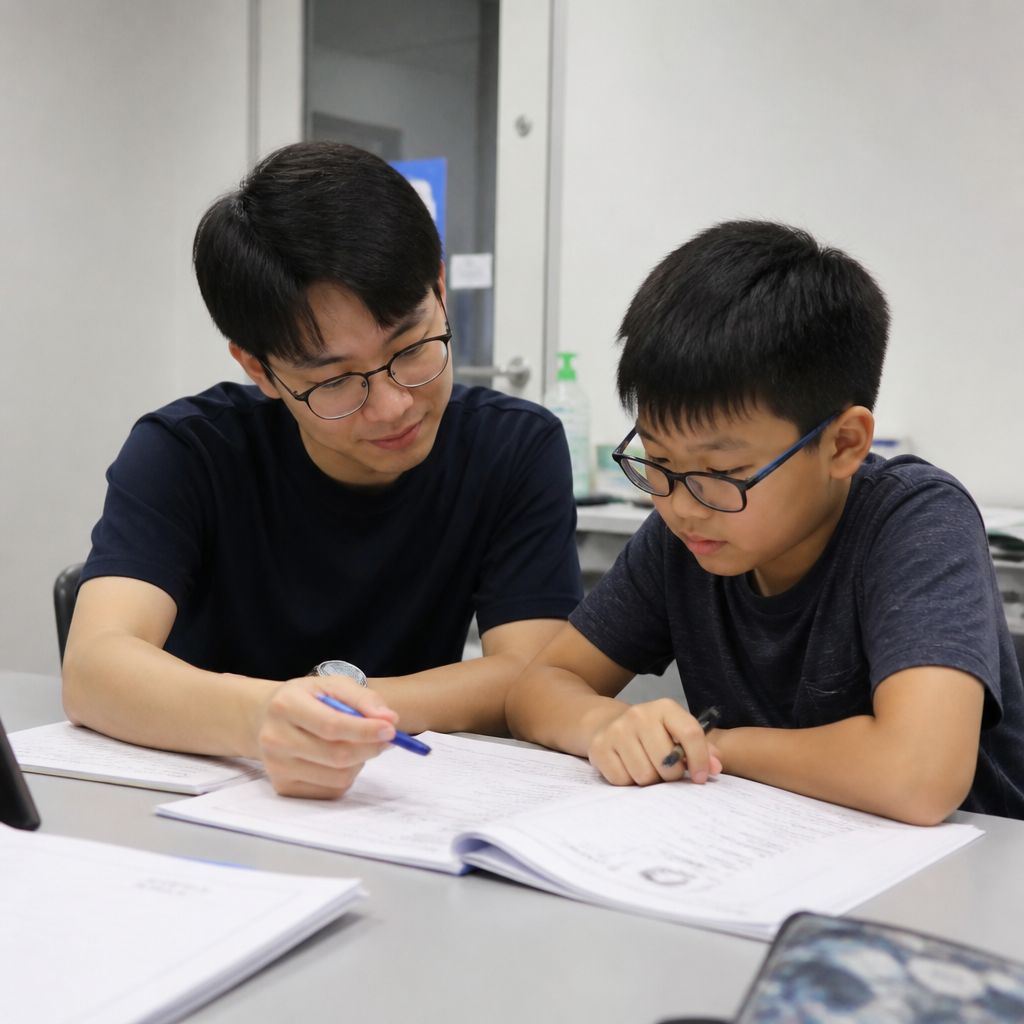
Many parents feel guilty because they cannot sit beside their child every afternoon. But constant supervision is not always what a child needs. What matters more is consistent, targeted involvement.
Use short pockets of time well
A realistic PSLE routine can include:
- 10 minutes at breakfast to test Science concepts.
- 15 minutes in the evening to review one Math error.
- Weekend check-ins to set goals for the next week.
- Oral practice during car rides or while walking home.
These small pockets of time may look minor, but they often keep revision moving when long sessions are not possible.
Focus on accountability, not hovering
Children in Primary 6 often resist when every revision session feels like an interrogation. Sometimes the most effective support is simpler. Check whether the task was done, ask what felt hard, look at corrections together, and praise specific effort, not just marks.
For example, “I noticed you rewrote the Science answers properly today” is more useful than “Good job.” Specific praise tells your child what to keep doing.
It also helps to keep expectations visible. A short whiteboard, notebook, or weekly checklist can reduce nagging because the plan is already clear. Instead of repeating reminders all evening, you can simply refer back to the agreed task.
Frequently Asked Questions
How many hours a day should my child study for PSLE?
There is no single number that fits every child. On school days, 30 to 45 minutes of focused revision is often enough, especially when homework is already part of the day. Weekend sessions can be longer, but they should still include breaks. Quality, consistency, and proper review matter more than chasing a high number of hours.
How can I help if I come home late from work?
You do not need to supervise every worksheet to make a difference. You can check completed work, review one or two mistakes, listen to oral reading, or plan the weekend revision focus. Even short, steady involvement helps your child feel supported and accountable.
What is the best way to revise if my child is weak in one subject?
Start by figuring out whether the issue is content, exam technique, or carelessness. Use school papers and corrections to spot the pattern. Then increase focused practice in that subject without cutting into sleep or overloading the whole week. The goal is not to do everything, but to work on the problem that is actually causing the marks to drop.
How do I know if my child needs tuition?
Consider tuition when a specific subject stays weak despite regular revision, when your child cannot explain corrections independently, or when parent-child revision has become too tense to be productive. Targeted support is usually more helpful than adding tuition for every subject.
Where can I check the latest PSLE information?
Use official sources such as MOE and SEAB, and check your child’s school updates for prelim schedules, oral dates, and exam timelines.
Conclusion
Learning how to study for PSLE does not require an exhausting, overpacked schedule. For most Primary 6 children, effective revision comes from short, regular study blocks, careful review of mistakes, early attention to weak topics, and calm support at home. The strongest plans are usually not the most intense. They are the most sustainable.
If you have been wondering how to revise for PSLE without turning home into a pressure cooker, start small. Build a realistic timetable, revise based on actual weaknesses, and adjust as school papers reveal what your child needs. For parents balancing work and family, that is often the best way to prepare for the PSLE without burning everyone out.
If your child needs extra support in a specific weak subject, you can learn more about our PSLE tutors or explore primary school tuition for PSLE to find help that fits your child’s needs without overloading the schedule.