


Introduction
For some families, the thought comes right after results day. For others, it shows up much later, during NS, after starting work, or after a long break from studying. If you are trying to figure out how to take A Levels as a private candidate in Singapore, the first thing to know is simple, the private route is possible, but it asks for much more self-management than many people expect.
A private candidate is not always someone retaking the exam after doing badly. Some are recent JC leavers going back for one or two subjects. Some are adult learners. Some are NS men trying to keep academic options open. Some are working adults returning to formal exams after years away. The route is flexible, but that flexibility comes with less structure, less supervision, and fewer reminders.
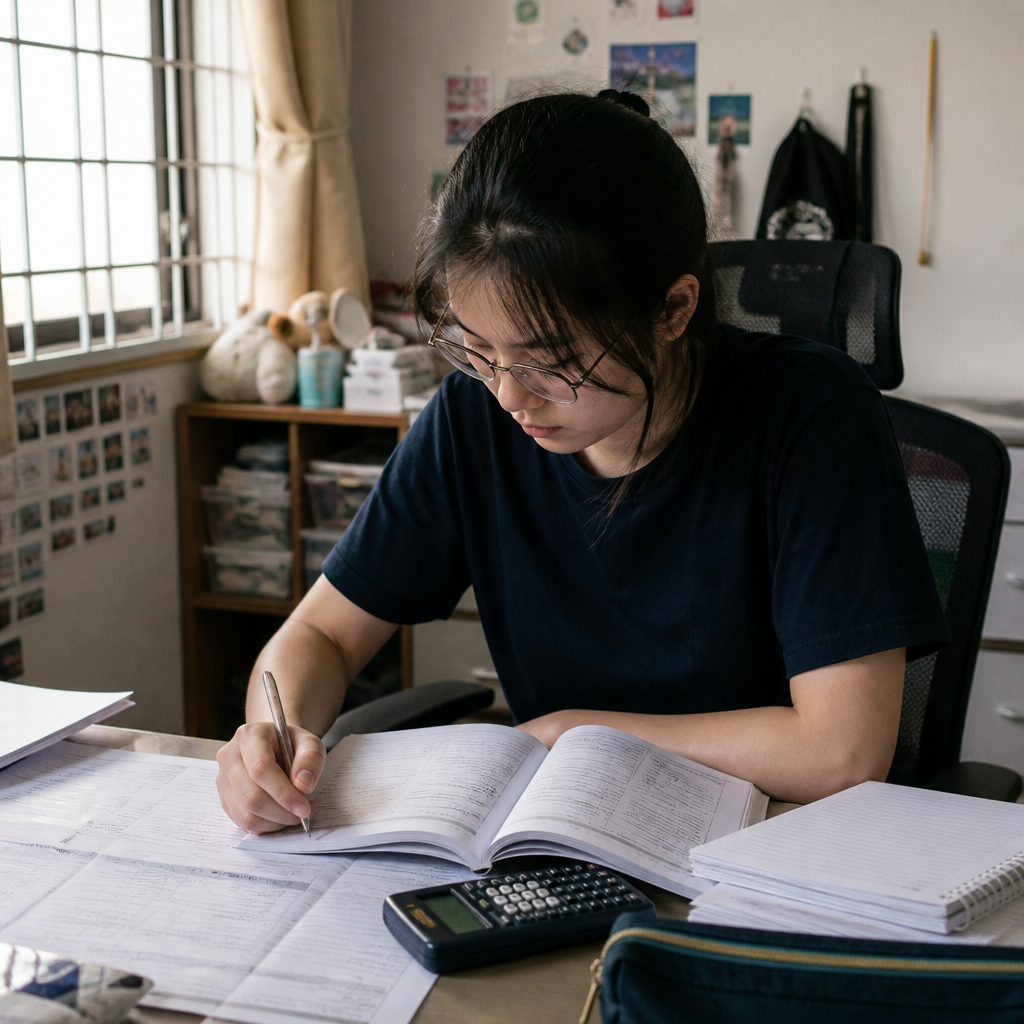
This guide explains how private A-Level candidature works in Singapore, including registration, subject choices, exam requirements, venues, deadlines, and how to prepare realistically without school support.
Key Takeaways
- Private candidature is flexible, not easy. You can register without being in a school, but you will not have school lectures, tutorials, internal exams, or teachers checking whether you are on track. That freedom helps some candidates, but it can also expose weak planning very quickly.
- Not all private candidates are retaking the full A Levels. Some only register for selected H1 or H2 subjects, while others are taking the exam after NS, work, or a study gap. Your preparation strategy should match your actual reason for taking the exam, not someone else’s path.
- Registration details matter a lot. Subject codes, deadlines, fees, identification records, science practical availability, and syllabus changes must be checked carefully through official sources. A small admin mistake can create unnecessary stress later.
- Being allowed to register does not mean your subject load is realistic. A working adult taking four heavy content subjects may be technically eligible, but still set up for burnout by August. A sensible subject combination is part of exam strategy, not just admin.
- Old JC notes help, but they are not enough. Many private candidates revise familiar content but do too little timed practice, feedback-based correction, and exam-format preparation. Notes rebuild memory, they do not automatically build exam performance.
- Different candidates need different study plans. An NS man, a recent JC student, and a full-time employee do not need the same weekly schedule or pace. The best study plan is one you can actually sustain for months.
- Targeted support can help with structure. If you need accountability, essay marking, practical guidance, or exam technique support, tutoring can be useful, but it does not replace consistent effort. Support works best when it strengthens a clear study routine.
What Private A-Level Candidature Means In Singapore
When people search for how to take A Levels as a private candidate, they often imagine one standard profile. In reality, private candidates in Singapore come from very different situations.
School candidates vs private candidates
A school candidate takes the GCE A-Level examination through a junior college or Millennia Institute. The school handles much of the administrative process, prepares the student through lectures and tutorials, and usually provides internal exams, consultations, and practical arrangements where applicable.
A private candidate, by contrast, registers independently. You are responsible for checking eligibility, selecting the right subjects, monitoring deadlines, preparing documents, paying fees, and studying without the usual school framework.
That difference sounds obvious when written down. In real life, it catches many people off guard. A candidate may feel confident in January because they still have old notes and “know the syllabus”, then realise by July that no one has marked their GP essays, checked their Math workings, or pointed out weak exam habits.
Who this route may suit
Private candidature may suit:
- Recent JC students retaking one or two subjects with a clear plan. This group often still remembers the content reasonably well, so the main task is rebuilding exam sharpness and correcting weak areas.
- NS men who can sustain a long revision schedule despite service commitments. The key is not having perfect free time, but being able to study consistently around an unpredictable routine.
- Working adults who are disciplined and realistic about available study hours. This route can work, but only if the subject load matches real energy levels after work.
- Independent learners returning after a gap, with strong self-management. These candidates usually do better when they treat the exam like a structured long-term project rather than a casual self-study attempt.
Who should be cautious before registering
This route may be harder than expected if you:
- Need regular teacher prompting to stay consistent. Without external structure, missed weeks can quietly become missed months.
- Are planning an unrealistic subject load on top of work or NS. Ambition is useful, but overloading yourself often leads to shallow preparation across too many papers.
- Have science subjects with practical components but no clear preparation plan. Theory revision alone is rarely enough for practical confidence.
- Are relying only on old materials without checking current syllabus changes. Familiar notes can be helpful, but outdated materials can mislead you.
If you are a parent reading this, you may already recognise the tension. Your child says, “I can do it on my own this time,” but you are worried that independence may slowly turn into isolation. That concern is valid. Private candidature works best when the candidate has a concrete system, not just motivation.
What To Check Before You Register
Any useful guide to A-Level private candidate registration in Singapore should begin with one reminder, always verify the latest official information for the year you are registering. Policies, subject offerings, timelines, and administrative procedures can change.
Use the official SEAB page for private examinations at SEAB, and where relevant, check broader education information at MOE.
Check the latest SEAB private candidate information
Before thinking about notes or tuition, confirm the basics:
- Registration period. Missing the window can delay your plans by a full year.
- Subject availability. Not every subject decision should be based on what a friend took previously.
- Current subject codes. Entering the wrong code is an avoidable but serious mistake.
- Examination fees. Budgeting matters, especially if you are combining exam fees with materials or tuition.
- Payment modes. Make sure you can complete payment smoothly within the registration period.
- Supporting documents required. Prepare these early so you are not scrambling at the last minute.
- Whether practical or coursework components are available for your subject entry. This is especially important for science subjects and any paper with special arrangements.
A common mistake is relying on an old forum thread or a senior’s screenshot from a previous year. That is how candidates end up selecting the wrong code or assuming a component is available when the latest arrangement differs.
Prepare identification and login details
For many candidates, registration starts online. Be ready with your Singpass or the identification details required for the registration process. Make sure your personal particulars match official records. Even small errors in names or identification details can create unnecessary stress later when you are trying to access your entry proof or exam information.
Keep a full record of your registration
Once you submit your entry, do not treat the process as done and forgotten. Save and print:
- Confirmation page. This is your first proof that the submission went through properly.
- Payment receipt. Keep it in case you need to verify payment later.
- Subject entry details. Review them carefully so you can spot mistakes early.
- Timetable references when released. These help you plan revision and logistics properly.
- Any official notices sent to you. Private candidates need to track updates themselves.
Private candidates do not have a school admin office chasing them. If you misplace a record, there may be no one to help you reconstruct everything quickly.
Choose Subjects With Realism, Not Just Hope
One of the most important parts of taking A Levels privately is choosing a subject combination that is administratively correct and academically realistic.
H1 and H2 choices are not just about confidence
Some candidates register based on familiarity. “I took this before, so I’ll just do it again.” It sounds sensible at first. But familiarity with lectures from two years ago is not the same as current exam readiness.
Ask yourself:
- Which subjects do I still remember well enough to rebuild quickly? This helps you identify where your revision can move faster.
- Which subjects need active marking or feedback, like GP or essay-based papers? These subjects often improve slowly without external comments.
- Which subjects include practical or special preparation demands? Some papers require more than content memorisation.
- Can I sustain this load across the whole year? A subject combination that looks manageable in January may feel very different in August.
A recent JC student retaking H2 Math and GP may have a manageable path. A working adult signing up for multiple H2 sciences after a long study gap may be underestimating how much rebuilding is needed.
Check science practicals, coursework, and assessment format carefully
This is one of the biggest areas of confusion for private candidates in Singapore. Not every candidate checks whether their chosen subject has practical or coursework components and how those work for private candidates.
For sciences, practical preparation is often the blind spot. Someone may revise content chapters diligently, only to realise later that practical skills, timing, and familiarity with lab-based tasks were never developed. That is not a small gap.

Also check:
- Whether the syllabus has changed. Even small syllabus updates can affect what you prioritise.
- Whether the paper structure has changed. Old habits may not match the current paper format.
- Whether old notes match the current exam format. Notes are only useful if they still reflect what is tested.
- Whether there are updated specimen papers or official documents. These can give you a more accurate picture of current expectations.
Old notes are useful, but only if they are current enough
Many private candidates over-trust their old JC files. Notes can still be helpful for rebuilding concepts, but if they are tied to an outdated syllabus or an old paper format, they can create false confidence.
Tutors often notice this pattern. A candidate feels reassured because the content looks familiar, but when current papers are attempted under timed conditions, the gaps appear quickly. Good preparation means comparing old materials against current requirements, not assuming they still fit.
How To Register Through SEAB
If you want a practical answer to how to register for A Levels as a private candidate, think of registration as an accuracy exercise, not just a form submission.
Follow the official entry process carefully
The registration process for SEAB private candidate A Levels is typically done through the official private examinations system during the published registration window. Read each screen slowly. Double-check each selected subject and level before payment.
Do not rush because “it’s just admin”. Some of the most frustrating private candidate problems begin here, not in the exam hall.
Confirm fees, entries, and deadlines
Fees vary depending on subject entries and status, so refer to the latest official schedule. Budget for the full process, not just the exam fee. If you plan to sit for practical subjects, buy updated materials, travel to exam venues, or get targeted help for essays or weak topics, those costs matter too.
Deadlines are another major issue. Every year, some candidates intend to register but delay because they are still deciding on subject combinations. By the time they are ready, the window may be closing or already closed.
Know how exam venues work
Many candidates also want to know where private candidates take the A-Level exam in Singapore. Private candidates are usually assigned exam venues based on arrangements made by the examining authorities, not chosen freely like booking a classroom.
That means you should be prepared for:
- Travelling to an assigned venue. Build in enough time so transport stress does not affect your paper.
- Checking reporting times carefully. Different papers may have different reporting requirements.
- Planning transport in advance. Do a trial route if the venue is unfamiliar.
- Accounting for weekday work or NS timing clashes where possible. Early planning reduces last-minute panic.
Do not wait until the night before the paper to figure out your route. Exam-day lateness is an avoidable problem, and it becomes much more likely when you are handling everything alone.
Build A Study Plan Without School Structure
A strong A-Level private candidate study plan looks very different from a hopeful to-do list written in January. Without lectures, tutorials, or school tests, your study plan must create its own structure.
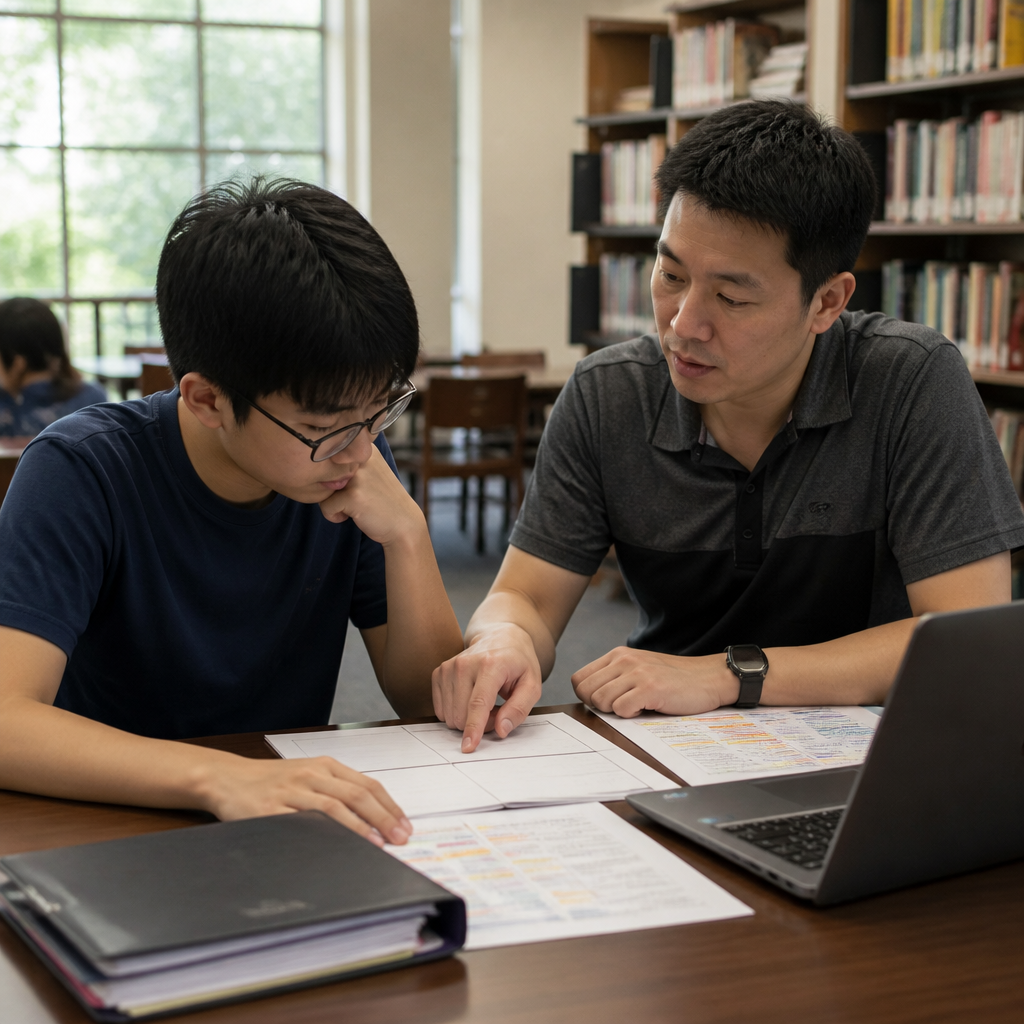
Before choosing a routine, it helps to be honest about what kind of candidate you are.
Recent JC leavers need exam discipline, not just content review
If you left school recently, your biggest risk is assuming that previous exposure is enough. Often, it is not content understanding that causes trouble, but weak exam execution. Candidates know the chapter, but their answers are too slow, too vague, or too careless under timed conditions.
A better plan includes:
- Weekly timed practices. This builds speed, stamina, and familiarity with real paper pressure.
- Regular correction review. Mistakes only become useful when you analyse and fix them.
- Clear topic rotation. Rotating topics prevents over-revising strengths while neglecting weak chapters.
- At least one method for external feedback, especially for GP or humanities essays. Feedback helps you catch repeated weaknesses early.
NS men need flexible consistency
NS candidates often start with strong motivation during book-out weekends or quieter periods. Then field camp, duty cycles, fatigue, and unpredictable schedules disrupt everything. The issue is usually not laziness. It is planning as if every week will be normal.
A realistic plan might involve shorter weekday revision blocks, portable materials, and a fixed minimum weekly target rather than a perfect schedule. A common pattern among students is that the ones who survive the year are not always the ones with the most ambitious timetable. They are the ones with a routine they can return to after disruptions.
Working adults need energy management, not just time management
After a full day of work, evening study can feel hardworking but ineffective. Reading notes late at night while exhausted may create the feeling of effort without much retention.
Working adults often do better with:
- Morning study blocks on selected weekdays. Fresh attention is often more valuable than late-night effort.
- One protected weekend paper session. This creates a stable anchor for serious revision.
- Batching similar tasks together, such as one essay-marking cycle each week. Grouping tasks reduces mental switching.
- Trimming subject load if necessary. A smaller, well-prepared entry can be wiser than an overloaded one.
Candidates retaking selected subjects need sharp focus
If you are only retaking one or two subjects, the temptation is to relax because the load seems lighter. Ironically, that can lead to drifting. A narrower retake plan works best when it is tightly targeted, for example, rebuilding weak topics first, then shifting early into exam-format practice.
One useful way to stay on track is to split the year into phases. In the first phase, rebuild content and identify weak chapters. In the second, move into topical timed practice. In the third, focus mainly on full-paper work, correction logs, and repeated review of recurring mistakes. This phased approach gives private candidates a clearer sense of progress than simply “studying whenever possible”.
If you need structure, accountability, or subject-specific support, some private candidates choose targeted tuition rather than broad weekly classes. For those exploring that option, you can learn more about our tutors. If you want subject-specific support for A-Level preparation, this page may also help: A-Level tuition.
Common Mistakes Private Candidates Make
By the middle of the year, the same patterns show up again and again. Candidates rarely struggle because they did nothing. More often, they did the wrong things for too long.
Another common mistake is spending too much time on passive revision. Re-reading notes, highlighting chapters, and watching explanation videos can feel productive because they are comfortable. But A-Level performance depends heavily on retrieval, application, and timing. If your revision does not regularly include writing full answers, checking mark schemes, and correcting errors, you may be building familiarity without building exam readiness.
Frequently Asked Questions
Can I take A Levels privately without going to JC?
Yes, private candidature exists for candidates who are not sitting the exam through a school. But whether that path is suitable depends on your background, subject choice, and ability to prepare independently. Being able to register does not automatically mean you are ready for the academic demands.
Can I register for only one or two subjects instead of the full A Levels?
In many cases, yes, private candidates may register for selected subjects rather than a full school-style combination. This is one reason private candidature is used by candidates with different goals. Still, always verify the latest subject entry rules and requirements through the official SEAB information for the relevant year.
Are science practical papers available to private candidates in Singapore?
This must be checked carefully each year against official information. Do not assume that practical arrangements are identical across all subjects or years. If you are considering a science subject, review the latest subject requirements, components, and any practical-related details before registering.
Is taking A Levels as a private candidate the same as retaking?
Not exactly. Retaking is one common reason for private candidature, but not the only one. Some private candidates are adult learners, NS men, or independent learners entering the exam outside the school route.
Do private candidates need tuition to do well?
Not always. Some candidates are highly self-directed and only need past-year papers and a clear schedule. Others struggle without feedback, especially for GP, essay subjects, exam technique, or balancing study with NS and work. Tuition is optional support, not a guarantee.
When should private candidates start preparing after registration?
As early as possible. Private candidates often underestimate how long it takes to rebuild content, practise under timed conditions, and get feedback on weak areas. Waiting until the middle of the year can make preparation feel rushed, especially for candidates balancing NS or work.
Conclusion
Taking A Levels as a private candidate in Singapore means understanding both the administrative path and the practical reality behind it. You need to know what private candidature is, how it differs from the school route, how to register correctly through SEAB, what to check about subject codes and assessment components, and how to build a study system without lectures, tutorials, or school reminders.
Most importantly, be honest about fit. Private candidature offers flexibility, but it removes structure. Subject familiarity is helpful, but not enough on its own. Old notes can support revision, but timed practice, updated materials, and feedback often make the difference between “I studied” and “I was exam-ready”.
If you decide to take this route, treat it like a year-long project with admin, logistics, and academic milestones. Register carefully, choose subjects realistically, and build a routine that matches your actual life rather than an ideal version of it. That is usually what separates candidates who merely sign up from candidates who give themselves a real chance.
If you want extra structure while preparing, whether for selected subjects, GP marking, weak-topic recovery, or balancing revision with NS or work, you can learn more about our tutors.