


Introduction
If your family is asking what is ITE, it usually is not just a simple question. It often comes after a tense results day, a difficult conversation at home, or that sinking feeling that your child is somehow “behind” everyone else. In many Singapore families, post-secondary choices can feel deeply personal, because they are so often tied to comparison.
But what is ITE really about? The Institute of Technical Education is not simply a backup plan. It is a recognised part of Singapore’s post-secondary education system, built around hands-on learning, industry-relevant training, and pathways to work or further study. For some students, it is not a compromise at all. It is a better fit.

This guide explains what ITE is, who it suits, how it compares with polytechnic and junior college, what courses are available, and how applications typically work after N Levels or O Levels. Because admissions and progression policies can change, always verify the latest details at ITE and MOE post-secondary education.
Key Takeaways
- ITE is a mainstream post-secondary pathway in Singapore. It offers structured training, recognised qualifications, and practical learning for students who learn better by doing rather than by sitting through heavily theory-based lessons.
- ITE is not a last resort. For students who struggle with purely academic learning but show strength in technical, service, design, or applied work, ITE can be a more suitable and motivating environment. In many cases, the right fit leads to better effort and stronger long-term outcomes.
- Students can enter ITE through different routes. Normal Technical, Normal Academic, and O-Level students may all find relevant pathways, but course eligibility and progression options differ. Families should check entry requirements carefully instead of relying on assumptions.
- ITE and polytechnic differ mainly in learning style and pace. Polytechnic is generally more independent and academically demanding, while ITE often provides more guided, practical, skills-based training. That difference matters for students who need structure to rebuild confidence.
- ITE courses cover many industries. Options may include business, engineering, design, electronics, hospitality, digital fields, health-related support, and service sectors. The range is broader than many families expect.
- Progression does not stop at ITE. Some students move on to polytechnic, while others enter the workforce with stronger confidence and job-ready skills. The route depends on performance, course fit, and long-term goals.
- Families should compare pathways based on fit, not status. A student who keeps struggling in an academic route may do better in a practical environment where effort, skills, and confidence can finally start to grow.
What ITE Means In Singapore’s Education System
When families ask what the Institute of Technical Education in Singapore is, they are usually trying to work out whether it is a serious pathway with long-term value. The short answer is yes. ITE is a public post-secondary institution that provides vocational and technical education, with a strong focus on applied skills, industry preparation, and employability.
What ITE is designed to do
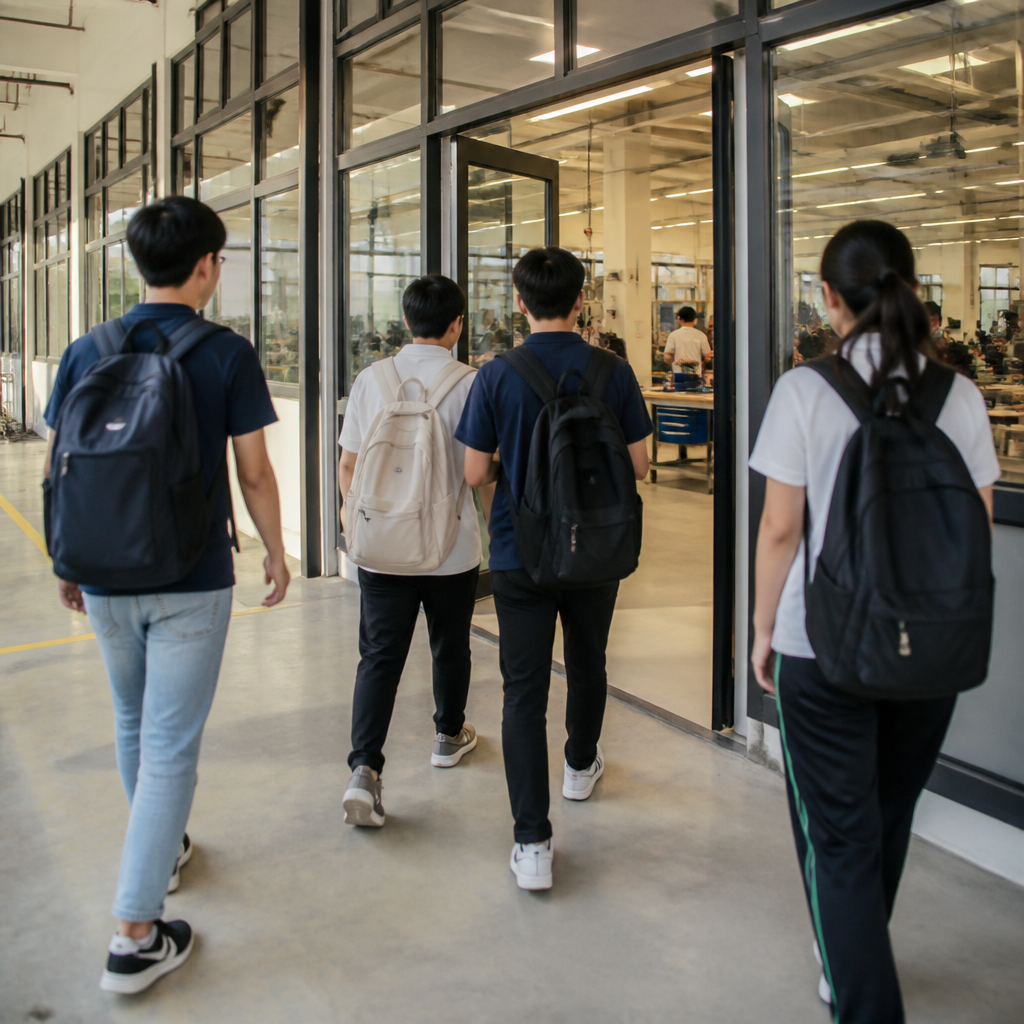
ITE is meant for students who may thrive better in a practical, career-linked learning environment. Instead of spending most of the week on abstract academic content, students in ITE often learn through workshops, lab sessions, applied projects, simulations, and course-specific tasks.
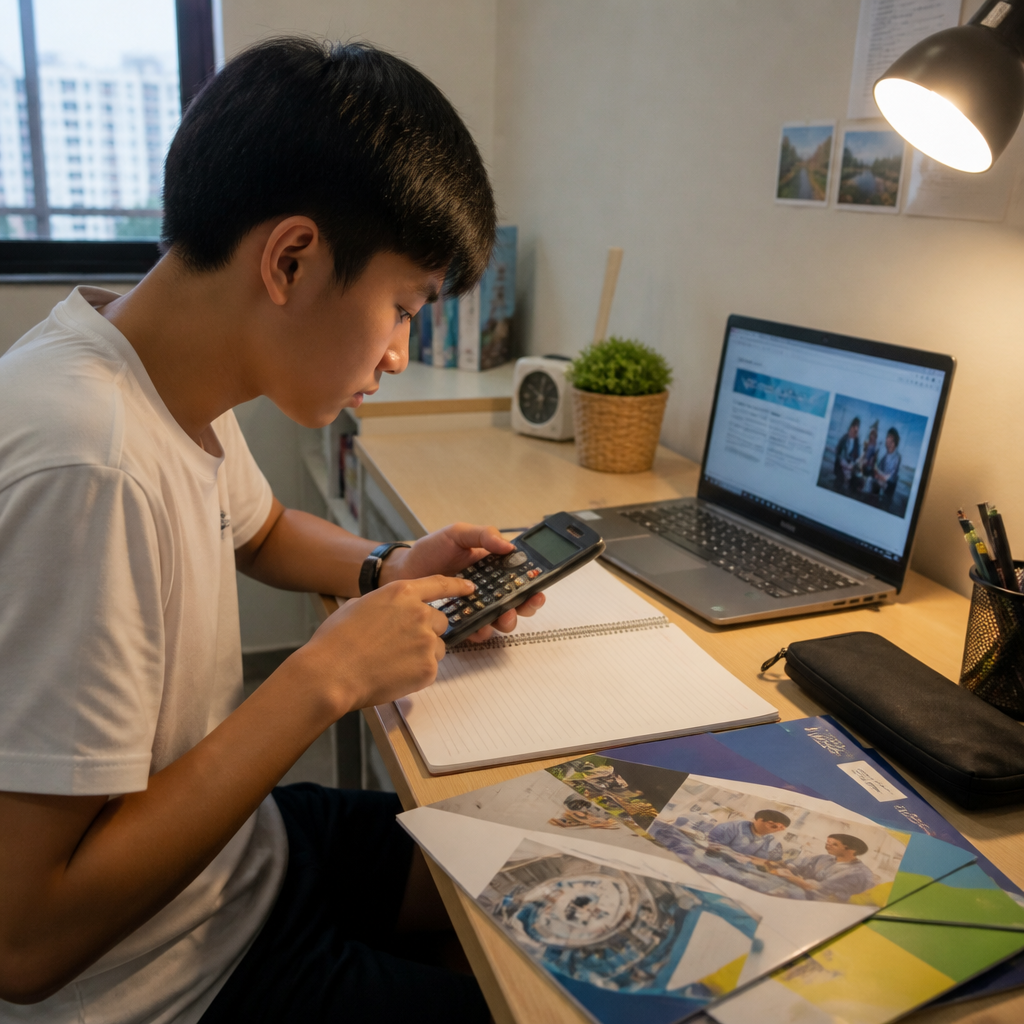
That difference matters more than many families expect. A student who switches off during long theory lessons may become far more engaged when repairing equipment, planning an event, designing a visual concept, or working on hospitality tasks. Over time, that shift can affect not only grades, but also confidence and willingness to keep trying.
Why ITE exists
Singapore’s education system does not have only one definition of success. Some students are strongly academic and do well in JC or polytechnic. Others are more hands-on, more practical, or simply develop later.
ITE exists because the economy also needs technicians, skilled service professionals, applied technology workers, and practice-ready graduates. Once parents see that clearly, the conversation changes. ITE starts to look less like a “second choice” and more like a different kind of strength.
That is why reducing ITE to a stereotype is unfair. Right after results day, families can become overly focused on prestige. Yet tutors often notice that students who felt defeated in secondary school begin to stabilise when they move into an environment that fits how they learn.
Who Tends To Do Well In ITE
A more useful version of the question “what is ITE” is this: who tends to do well there? The answer is not simply “students with weaker results”. Fit depends on learning style, motivation, maturity, and what kind of environment helps a student move forward.
Students from the Normal Technical route
For many Normal Technical students, ITE is already a familiar and realistic pathway. That does not mean the route is fixed or limiting. It means the teaching approach often aligns better with students who prefer structured, practical learning.
A student who struggles to write long exam essays may still be excellent at service tasks, digital work, food preparation, repair work, or hands-on assignments. In school, that ability may not always show up clearly on paper. In ITE, it often becomes more visible and more valued.
Students from the Normal Academic route
Normal Academic students may consider ITE after N Levels, depending on their results, plans, and readiness for more academic study. Some continue on academic routes, while others realise that a practical course suits them better.
This is often where family tension appears. A parent may think, “You can do more if you just push harder,” while the student is already tired from years of trying without much progress. Sometimes the better question is not whether the child can survive an academic pathway, but whether they can actually grow in it.
O-Level students considering ITE
O-Level students may also choose ITE, especially if they want a more applied route or do not qualify for their preferred polytechnic options. Emotionally, this can be difficult, because O-Level students often compare themselves with peers heading to JC or poly.
Still, ITE can be a good pathway after secondary school for some O-Level students, especially when the student wants practical training, needs a stronger foundation, or has a clear interest in a technical or vocational area. What looks like a detour from the outside can be a steadier starting point for the student.
Students who need confidence rebuilt
Another group that may benefit from ITE is students whose main issue is not ability alone, but confidence. Some teenagers have spent years hearing that they are careless, slow, or not “academic enough”. By the time they reach post-secondary decisions, they may already expect failure.
A more practical environment can sometimes interrupt that pattern. When students begin succeeding in visible tasks, meeting practical benchmarks, or completing projects they can actually understand, they often become more willing to put in effort again. That emotional reset can be just as important as the qualification itself.
When ITE May Or May Not Be The Right Fit
How ITE Compares With Polytechnic And JC
One of the biggest worries families have is whether ITE means “less than” other pathways. It helps to compare routes properly, not emotionally.
Before deciding, it can help to look at the differences side by side.
ITE vs polytechnic
The difference between ITE and polytechnic is not just the qualification name. The day-to-day learning experience is different. Polytechnic usually expects more independent study, faster academic processing, stronger report-writing, and the ability to manage multiple modules with less direct supervision.
ITE often offers more scaffolding. Students may receive clearer structure, more guided practice, and a more direct connection between lessons and practical tasks. For students who need to rebuild confidence, that is not a small detail. It can be the reason they finally start coping.
A common pattern among students is this: some say they will “study properly next year” if they enter a more academic route, but they are already barely managing deadlines, weak basics, and low confidence. In those cases, choosing based on status can backfire.
ITE vs junior college
Junior college is the most academically intensive of the three pathways. It suits students who are ready for a fast pace, content-heavy subjects, and a strong exam orientation leading to A Levels. A student who already feels overwhelmed by upper secondary written work may find JC deeply stressful.
That does not make JC bad, and it does not make ITE better for everyone. It simply shows that different pathways serve different learners.
Compare based on fit, not image
A student who learns best through practice, demonstration, repetition, and applied work may bloom in ITE. Another may prefer theory and enjoy academic depth, and be happier in JC or polytechnic.
Families usually make better decisions when they compare teaching style, course interest, and long-term goals, instead of reacting to social stigma.
What Students Can Study At ITE
When people ask about ITE courses and career options, they are often surprised by how broad the choices can be. ITE is not only about traditional technical trades. Depending on current offerings, students may find courses related to engineering, electronics, business services, design, media support, hospitality, culinary fields, info-communications, beauty and wellness, health support, and more.
Common course areas
Some students are drawn to engineering or automotive-related fields because they enjoy fixing things, understanding systems, or working with equipment. Others may prefer hospitality because they are people-oriented and enjoy service environments. A student who seemed disengaged during geography or history lessons may suddenly become focused during event planning or culinary practicals.
That change is worth noticing. Motivation often increases when students can see the purpose of what they are learning. A course that feels real can sometimes unlock effort that never appeared in a purely academic setting.
Why career-linked learning matters
ITE’s practical orientation can give students a more concrete sense of working life. Instead of studying subjects that feel distant, they may begin to understand workplace habits, punctuality, technical procedures, teamwork, and professional communication.
This can be especially helpful for students who mature through doing. Some teenagers do not respond well to repeated reminders about “future success”, but they become more responsible when the course feels connected to real work and real expectations.
Choosing a course carefully
Not every practical-sounding course is automatically suitable. A student may like gaming but not enjoy coding. Another may like watching cooking videos but dislike the pace and discipline of actual kitchen work. Interest needs to be tested honestly, not based on surface impressions.
Families should also think about the student’s strengths, stamina, and temperament. A course may look attractive on paper, but if the student dislikes customer interaction, shift-based work, or repetitive technical practice, the fit may still be poor. Visiting open houses, reading module descriptions, and asking practical questions can help avoid mismatched choices.
If your child needs extra support while exploring options or coping with subject weaknesses before the next step, families can also look at targeted help such as ITE tuition support or speak to a tutor through our contact page. The goal is not to force a pathway, but to steady the student while decisions are being made.
Progression After ITE
A common fear behind the question “what is ITE” is this: “If my child goes there, is that the end?” In most cases, no. ITE can lead to further study or employment, depending on the student’s performance and goals.
Moving on to polytechnic
Some ITE students progress to polytechnic after doing well in their courses. This route can suit students who need more time to build maturity, academic habits, and confidence before handling polytechnic-level demands.
Parents sometimes worry that this means their child is “taking longer”. But longer does not always mean worse. A student who enters poly too early without the right foundation may struggle badly. Another who takes the ITE-to-poly route may arrive more focused and better prepared.
Entering the workforce
For some students, entering the workforce after ITE is a valid and practical choice. If the student has built useful skills, industry exposure, and a realistic sense of what they want, work can be a meaningful next step.
This is where ITE’s applied training matters. It is not only about classroom learning. It is about helping students function in real settings and understand what employment demands.
Progress depends on attitude too
Not every student who enters ITE will automatically progress smoothly. Some still struggle with attendance, effort, time management, or confidence. The environment may fit better, but growth still requires responsibility.
Families can help most by encouraging independence without turning every day into a battle. Constant monitoring may come from concern, but teenagers who already feel judged often respond by resisting even more.
How To Apply For ITE In Singapore
Families often ask how to apply for ITE courses in Singapore after N Levels or O Levels. The broad answer is that applications typically depend on the student’s academic results, eligibility route, and the courses available during the relevant admissions exercise. Since requirements and timelines may change, always check the latest information directly through ITE and MOE.
What to check before applying
Start with the basics: course eligibility, entry requirements, campus location, and the student’s real interest in the course. Families sometimes focus only on whether the student can get in, but not whether the course is actually suitable. That can lead to regret later.
A student may choose a course because a friend is going there, or because the name sounds impressive. A better question is, “Can I imagine doing this kind of learning every week?” That usually gives a clearer answer.
Timing after national exams
Applications often happen around the period after results release, depending on the route. This is exactly when many households are emotionally stretched. A parent may feel disappointed, a student may feel embarrassed, and decisions may become rushed.
Try not to choose out of panic. Short-term emotion can distort judgment. Read the latest admissions guides carefully, compare options, and talk through what the student can realistically handle.
Use current official information
Because admissions exercises, progression routes, and course offerings can change over time, avoid relying too heavily on old forum posts or what an older cousin experienced years ago. Official sources are the safest place to check current details.
Why ITE Deserves More Respect
This is often the hardest part of the conversation. Families may understand the facts, yet still carry fear about how relatives, teachers, or peers will react. In Singapore, social comparison can be intense. One student goes to JC, another to poly, and suddenly ITE feels like something to explain away.
Why stigma can hurt students
When a child already feels ashamed, repeated comments like “You still can transfer later if you work hard” may sound encouraging to adults. To the student, though, it can sound like their current pathway is not good enough.
Respect matters. If a student enters ITE feeling looked down on at home, they may disengage, stop trying, or decide there is no point making the effort.
That is why the tone at home matters so much. Students do better when they feel challenged with respect, not supported with hidden disappointment.
Is ITE a good pathway after secondary school?
For the right student, yes. Whether ITE is a good pathway after secondary school depends on whether the environment supports learning, confidence, and progress.
A good pathway is not the one that impresses others most. It is the one that helps the student become more capable, more responsible, and more hopeful about the future.
Ask a better question
Instead of asking, “Is this route prestigious?” ask, “Will this route give my child a better chance to succeed?” Those are not always the same thing.
Some students need challenge. Others need rebuilding. ITE can be that rebuilding ground, not because expectations are low, but because the mode of learning is different.
Frequently Asked Questions
Is ITE only for weak students?
No. ITE is for students whose strengths, results, or learning preferences make a practical and applied route more suitable at that stage. Some students may have average results but thrive in hands-on training. Others may be academically capable in some areas but still prefer a career-linked route.
Can ITE students still go to polytechnic later, or is the path closed after that?
Some do progress to polytechnic, depending on their course performance and current progression policies. The key point is that progression is possible, but families should check the latest official details rather than assume every course leads to the same outcome.
How can I tell if ITE suits my child, or if they are just discouraged after results?
Look at more than exam scores. Notice whether your child learns better through doing, tires quickly in theory-heavy settings, or becomes more focused when tasks feel practical and real. Also consider maturity, motivation, and whether the course genuinely matches their interests. Sometimes a student is discouraged, but sometimes they are also showing clear signs that a different learning environment would suit them better.
Is polytechnic always better than ITE if my child can qualify?
Not always. Polytechnic may be better for students who are ready for greater academic independence and coursework demands. ITE may be a better fit for students who need stronger foundations, more guided learning, and a practical training environment. Qualifying for a route is not quite the same as being ready to thrive in it.
Where should we check the latest ITE admissions and course information without relying on outdated advice?
Use official sources, especially ITE and MOE post-secondary education. Course offerings, admissions criteria, and progression rules can change, so it is best to verify the most current information there.
Conclusion
So, what is ITE? It is a real, respected post-secondary pathway in Singapore for students who may benefit from practical, structured, and industry-linked learning. It is not a dead end, and it is not a label for failure. For some students, it is the first place where learning finally starts to make sense.
The most helpful decision is not the one that sounds most impressive at a family gathering. It is the one that fits the student’s strengths, readiness, and future direction. Compare ITE, polytechnic, and JC honestly. Think about learning style, course interest, emotional readiness, and what kind of environment will help the student grow.
If your child is exploring ITE pathways or needs support rebuilding confidence in key subjects before the next step, steady guidance can make the transition feel less overwhelming. You can learn more about our tutors here.