


Introduction
You know that moment. The notes are open, the phone is somehow still in your hand, and half an hour has passed with almost nothing done. You tell yourself to focus, but your brain feels foggy, irritated, or just done. If you have been wondering how to find motivation to study, you are not lazy. More often, you are tired, overwhelmed, discouraged, or carrying all three at once.

This happens to students all across Singapore, from Secondary school to JC to Polytechnic. Sometimes it shows up after a long day of school and CCA. Sometimes it hits after a disappointing test paper. Sometimes exams are close, the backlog is growing, and starting feels so painful that avoiding it seems easier. The difficult part is often not studying itself. It is getting past the emotional weight of starting.
When your mind keeps saying, “Too much already”, “I am too far behind”, or “Even if I study now, I still won’t catch up”, motivation drops quickly. The good news is that study motivation often comes after action, not before it. It usually appears once you begin, even in a very small way. This guide is for that stuck moment, when you need a realistic way to restart without pretending to feel energetic or confident first.
Key Takeaways
- Motivation often comes after action, not before it. Waiting to feel ready can keep you stuck. A five-minute start is often more useful than a perfect plan because it lowers resistance and helps your brain settle into the task.
- Feeling tired or behind usually has a cause. Burnout, fear of failure, weak foundations, and phone distraction can all make studying feel heavier than it should.
- Small wins rebuild momentum faster than dramatic study goals. Finishing one question, one summary, or one page can calm your brain and make the next step easier.
- Reduce friction before you chase discipline. If your notes are messy, your phone is beside you, and you do not know what to do first, studying will feel harder than necessary.
- A simple daily restart routine works better than a full productivity overhaul. When energy is low, consistency matters more than creating a timetable you cannot sustain.
- Repeated confusion can look like laziness. If you keep avoiding a subject because you never understand it, support from a teacher or tutor may help more than self-pressure.
- You do not need to catch up on everything today. The goal is to restart, not to fix your whole academic life in one night.
Why Study Motivation Drops When You Feel Tired Or Behind
A lot of students ask, “Why do I have no motivation to study anymore?” Usually, what they mean is, “Why does studying suddenly feel so heavy?” That difference matters. If you keep calling yourself lazy, you may miss what is really going on.
Fear can make avoidance look like procrastination
Sometimes the problem is not that you do not care. It is fear. You open your E Math paper, remember your last F9, and your brain wants to escape immediately. Or you know your GP essay is weak, so you keep pushing it to later. A common pattern among students is this: they avoid the subject that makes them feel incompetent, not necessarily the one they dislike most.
That is why advice like “just be disciplined” can backfire. If the task already feels like proof that you are failing, forcing yourself to sit there for two hours may only create more resistance. A better approach is to reduce the emotional threat of the task so that starting feels safer.
Tiredness is not always just physical
In Singapore, many students are running on low battery. School, homework, tuition, CCA, travelling time, family expectations, then revision at night. By the time you sit at your desk, your body is there but your mind has checked out.
Mental tiredness often sounds like this: “I know I should study, but I cannot make myself start.” Sometimes your brain simply needs a gentler entry point, a shorter task, or a clearer first step.
Being behind creates hopelessness
A student falls behind for a couple of weeks, avoids looking at the backlog because it feels awful, and then the backlog grows until even a 20-minute revision block feels pointless. The thought becomes, “What is the point?”
If that sounds familiar, your problem is not just motivation. It is emotional overload linked to feeling behind. Before you push harder, you need to make starting feel possible again.
How To Start Studying When You Feel Too Far Behind
When you feel behind, your brain tends to look at everything at once. Ten undone worksheets, three lectures not watched, one upcoming test, and someone at home asking whether you revised already. It is no surprise you freeze.
Shrink the task until your brain stops resisting
Do not start with “catch up on Chemistry”. That is too vague and too big. Start with something your brain cannot argue with.
This is one of the most practical ways to focus on studying when you feel unmotivated. Make the first step so small that avoiding it feels sillier than doing it.
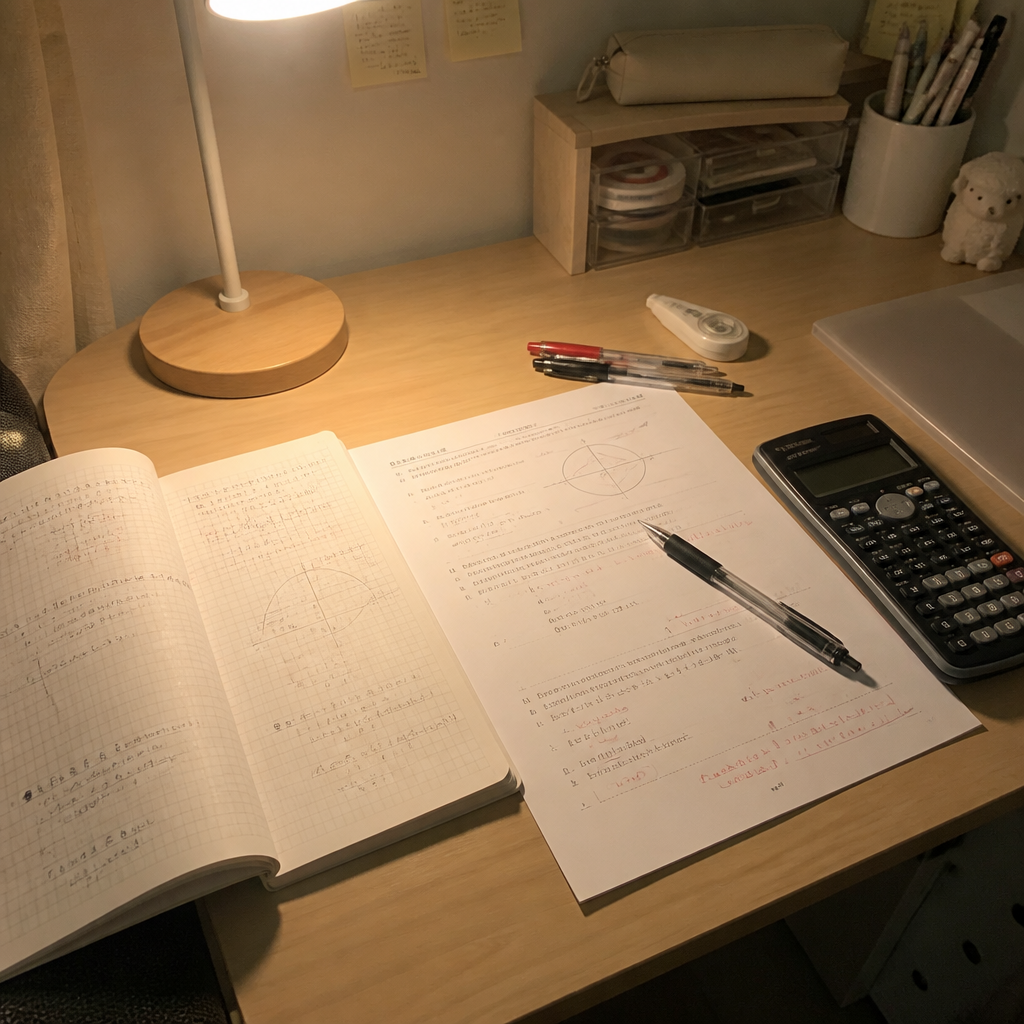
Choose the subject that gives the fastest confidence boost
A common mistake is forcing yourself to begin with your worst subject because it feels more responsible. Quite often, it does not work. If confidence is already low, starting with the hardest thing can shut you down.
Try starting with a subject where you can complete one useful task successfully in 15 to 20 minutes. Maybe it is summarising History notes, reviewing Chinese oral themes, or clearing one short Math exercise. Momentum matters.
Decide what counts as enough for today
When you feel far behind, your mind keeps moving the goalpost. Even after 40 minutes of work, it says, “Still not enough.” That is exhausting.
Before you begin, decide what counts as a win today. It could be finishing one topical worksheet and checking corrections, or reviewing one lecture and writing five key points. That gives your effort an ending point.
How To Stay Motivated To Study For Exams In Singapore
When exams are near, motivation problems often get worse because the pressure becomes more real. O-Levels, A-Levels, weighted assessments, Poly submissions, or final exams can make every study session feel like a judgment on your future.
Exam pressure can make you freeze, not focus
People often assume pressure automatically creates urgency. Not always. Some students move faster under pressure. Others go numb. They reread notes without absorbing anything, copy model answers without understanding them, or spend hours planning revision without doing real work.
This is especially common in Singapore, where exam culture can feel intense. You may hear classmates comparing TYS completion, mock exam scores, or tuition progress. That kind of comparison can make you feel even more behind.
Study for the next mark, not your entire future
A more useful question is not, “How do I save my entire exam?” It is, “What can I improve by one step this week?” If your English Paper 1 is weak, work on introductions and paragraph development, not every writing skill at once. If H2 Math feels messy, focus on one topic where careless mistakes are costing you marks.
That is a much more realistic way to motivate yourself to study for exams. You are not trying to become perfect overnight.
Match your revision to what exams actually require
Different levels need different kinds of studying. Secondary students may need topical drilling and correction review. JC students often need to learn how to structure answers under time pressure. Poly students may need steady project consistency, not just last-minute memorising.
An experienced tutor will often notice this pattern. The student says they studied for many hours, but most of that time was passive, like rereading notes, highlighting everything, or watching videos without attempting questions. Motivation drops when effort feels real but results do not move. Sometimes the fastest way to feel motivated again is to study in a way that creates visible progress.
If repeated confusion is making you dread revision, structured support can help. If studying feels overwhelming, learn more about our tutors for steady academic support, better study routines, and subject help that fits your pace at Singapore Tuition Teachers.
How To Overcome Procrastination While Studying At Home
Home can be the worst place to study when you already feel unmotivated. Your bed is nearby, your phone is nearby, snacks are nearby, and it is very easy to spend 45 minutes “getting ready” without actually starting.
Remove the tiny excuses that let you delay
Procrastination is often powered by friction. You cannot find your notes. Your charger is missing. Your desk is full of old worksheets. You open your laptop for schoolwork and end up on YouTube. These sound small, but when motivation is low, small barriers become easy exit points.
Set up your first task before your break ends. Put the exact worksheet on the table. Open only the tabs you need. Place your phone outside arm’s reach, even if it is just across the room. If you know you will use your phone as a timer and then get distracted, use a clock instead.
Do not negotiate with the “later” voice
A familiar weekday scene goes like this. You get home after school and CCA around 6.30pm. You tell yourself you will rest for 20 minutes. At 7.15pm, you are still in bed watching videos. By 8pm, guilt has kicked in, and studying feels even harder.
When that happens, do not ask, “Do I feel like studying now?” Ask, “What is the smallest study action I can do before I lose the whole night?”
Use visible progress to beat avoidance
A blank study session feels discouraging. A marked worksheet, a completed flashcard stack, or a checked summary feels real. If you are looking for ways to overcome procrastination while studying at home, choose tasks that leave visible evidence.
Instead of “revise Geography”, label a page with “Tourism impacts, 5 examples” and complete it. Instead of “study Accounting”, finish one set of journal entries and tick them off. Visible progress gives your brain proof that effort happened.
Build A Study Routine That Works Even On Low-Energy Days
You do not need a perfect timetable right now. If you are already tired and behind, a heavy routine can become one more thing you feel bad about. What you need is a repeatable restart.
Build your routine around starting, not long hours
If you are trying to build a daily study routine, keep it simple. Anchor your study to one reliable moment of the day. Maybe it is 30 minutes after dinner, or right after showering when you get home.
The routine can be as small as this:
- Sit down.
- Put your phone away.
- Start one task chosen in advance.
- Work for 15 to 25 minutes.
That may sound too little, but it is far better than a two-hour plan you avoid every day.
Prepare low-energy and medium-energy tasks
Not every evening feels the same. Some nights after tuition, your brain can handle only review work. Other days you can do active questions. That is normal. A workable routine makes room for both.
This kind of flexibility matters. A routine that only works on ideal days is not really a routine.
When Low Motivation Is Really A Confidence Problem
Sometimes you are not unmotivated in general. You are unmotivated about one subject because every attempt ends in confusion. That is a very different problem.
Weak foundations create silent avoidance
A Secondary 3 student may keep “forgetting” to revise Algebra because Sec 2 concepts were never solid. A JC student may avoid Chemistry because mole concept and bonding were shaky from the start. A Poly student may delay reports because lectures move too fast and the basics never settled.
In these cases, motivation drops because studying feels like repeated failure. You sit there, read the notes, and still do not get it. After a while, your brain learns to avoid the subject entirely.
Ask for help before panic sets in
Many students wait until the week before exams to ask for help because they feel embarrassed. But confusion usually grows when left alone. A teacher, friend, senior, or tutor can often identify the exact missing piece much faster than you can.
This is where tuition can genuinely help, not as a magic fix, but as support when poor subject confidence keeps blocking motivation. When someone explains the chapter clearly, shows you what to practise first, and helps you experience a few correct answers, resistance usually drops.
You can also explore education and study support resources through Singapore Tuition Teachers if you want guidance that matches your pace.
If exhaustion feels constant, check your well-being too
Not every motivation issue is academic. If you feel flat, irritable, unable to focus, or overwhelmed for a long time, it may help to look at stress and mental well-being too. Singapore students can refer to MOE for school-related support directions and HealthHub for mental well-being resources.
Frequently Asked Questions
Why do I only feel motivated at the last minute?
Last-minute pressure gives your brain a sense of urgency, so it can temporarily cut through avoidance. The trade-off is that it also raises panic, careless mistakes, and shallow learning. If this keeps happening, start much smaller and much earlier.
How can I focus on studying when I feel unmotivated and distracted by my phone?
Do not rely only on willpower. Put your phone physically away, prepare one clear task, and begin with a short session. Instead of saying “I will revise Chemistry”, say “I will complete Questions 1 to 3 on acids and bases before checking my phone.” Specific tasks beat vague intentions.
What if I am so behind that even a small start feels pointless?
That feeling is common, but it is misleading. A small start is not meant to solve everything today. It is meant to break the freeze. One completed task gives you movement, information, and a bit of confidence.
How do I stay motivated to study for exams when stress is high?
Focus on the next area that can realistically improve your marks. Do not compare your revision pace with classmates who may have different foundations, tuition support, or stress tolerance.
When should I ask for extra help?
Ask when avoidance keeps repeating, when you do the work but still do not understand, or when one subject keeps hurting your confidence. Sometimes one teacher consult, one study session with a friend, or the right tutor is enough to make studying feel possible again.
Conclusion
If you have been asking how to find motivation to study, the answer is usually not to wait for a sudden burst of inspiration. Most of the time, motivation returns after a manageable start. When you feel tired or behind, the goal is not to transform yourself overnight. It is to lower the emotional barrier enough to begin.
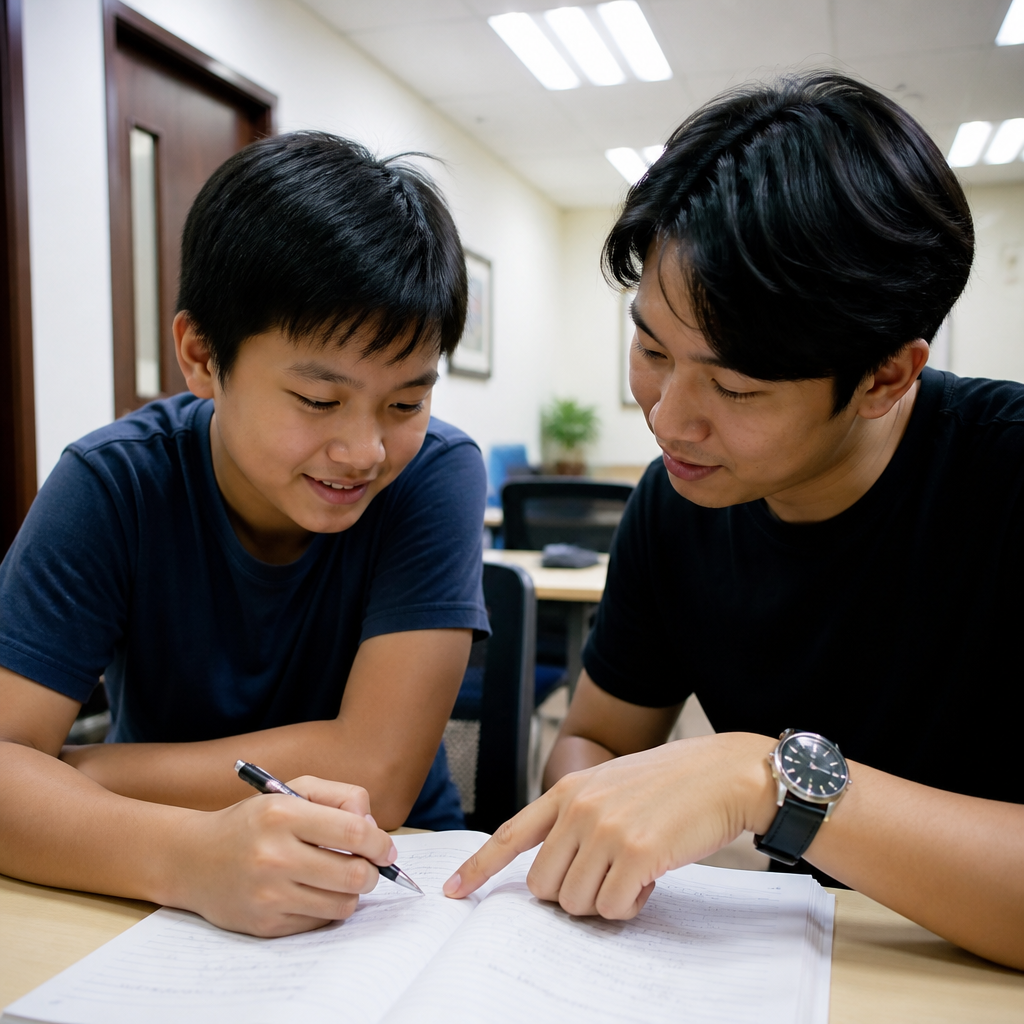
That may mean shrinking the task, choosing a subject that gives you a quick win, removing distractions, or admitting that confusion, not laziness, is the real problem. It may also mean getting support when repeated struggle has damaged your confidence. Studying becomes much easier when you are no longer fighting panic, shame, or helplessness at the same time.
If studying feels overwhelming, learn more about our tutors for steady academic support, better study routines, and subject help that fits your pace at Singapore Tuition Teachers.