


Introduction
It often starts with a small, nagging worry. Your toddler is not talking as much as a cousin of the same age. Your preschooler cries at drop-off while another child walks in without a backward glance. Your Primary 1 child can read simple words, but still cannot sit through homework without fidgeting, complaining, or shutting down.
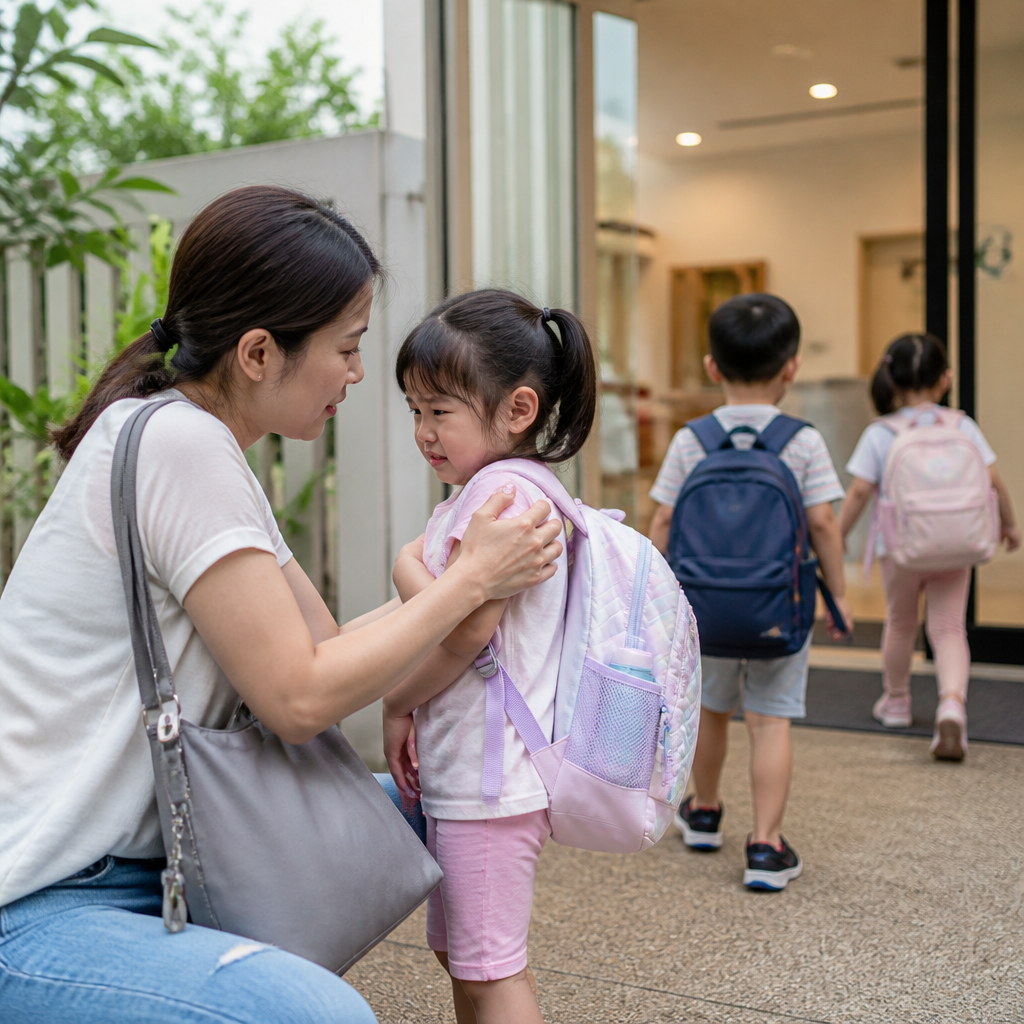
In moments like these, many parents in Singapore quietly wonder, what is child development, and how do you tell what is normal, what needs time, and what may need support?
In simple terms, child development is how a child grows over time across several areas, not just height and weight, but also movement, thinking, speech, behaviour, social skills, and emotional regulation. If you have been wondering what child development means in early childhood in Singapore, this guide is for you. Development is not a race, and children do not all follow the exact same timetable.
Still, there are common patterns that help parents notice whether a child is progressing well, needs more support, or may need a professional opinion. This guide walks through the key stages in a calm, practical way, so you can understand your child a little more clearly, without getting pulled into endless comparison.
Key Takeaways
- Child development covers more than milestones. It includes physical, cognitive, language, social, and emotional growth. These areas shape how your child learns, behaves, communicates, and copes day to day, both at home and in school.
- Children develop at different speeds. A child who talks later may be strong in movement, curiosity, or problem-solving. Variation alone does not always mean something is wrong, especially in the early years.
- Age bands are useful guides, not strict deadlines. Looking at broad stages of development can reduce panic, but patterns over time matter more than one isolated delay or one offhand comment from someone else.
- Development affects school readiness. Attention, language, self-regulation, confidence, and independence all influence how a child manages preschool and the transition into Primary 1.
- Red flags are usually about persistence and impact. It is less about one “slow” skill and more about ongoing difficulties that affect communication, play, behaviour, learning, or daily functioning.
- Early support matters, but pressure can backfire. More worksheets, more tuition, or more enrichment do not automatically solve developmental concerns. In some cases, they add stress instead of helping.
- Parents do not need to figure everything out alone. If you notice persistent concerns, it is reasonable to speak with a doctor, preschool teacher, or relevant professional and check the latest guidance from ECDA and HealthHub.
What Child Development Really Means
When parents ask what child development is, they are usually asking two things at once. First, “What skills should my child be gaining at this age?” Second, “How do I know whether my child is okay?” Both questions are completely understandable, especially for first-time parents surrounded by milestone charts, preschool updates, and well-meaning comments from relatives.
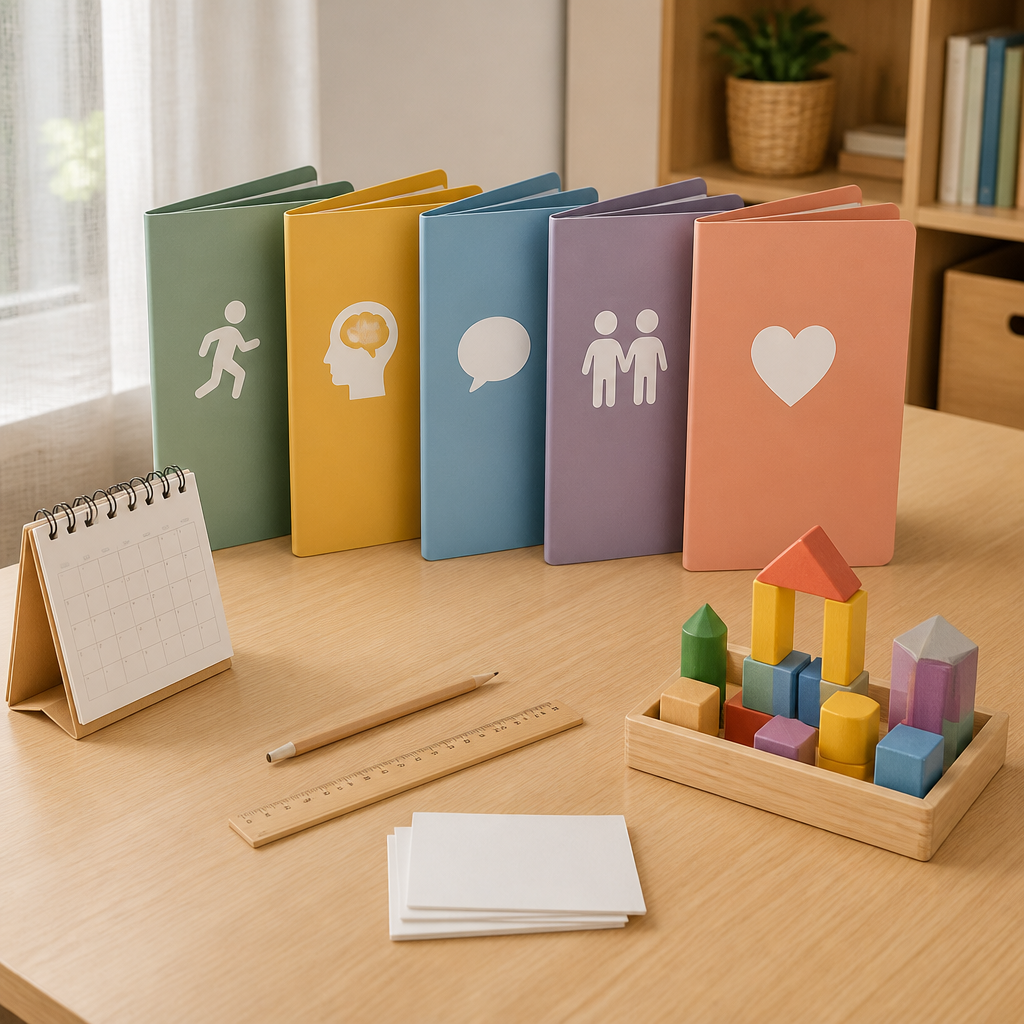
Growth happens across five connected areas
A child develops across several domains, and each one shows up in everyday life.
A preschooler who struggles to use scissors or hold a crayon steadily may not be “lazy” at all, but still developing fine motor control. When a child keeps asking “why,” that curiosity is part of healthy thinking development.
Development is interconnected
These areas overlap more than many parents realise. A child with delayed language may look “naughty” simply because he cannot express what he wants. A child who is overwhelmed by noise may seem inattentive in class, when the real issue is regulation and sensory stress. A child with weak fine motor skills may avoid writing, which then gets mistaken for poor attitude.
That is why understanding child development is not about ticking boxes. It is about seeing the whole child.
In Singapore, this matters because preschool and primary school expectations can come quickly. By K1, K2, and certainly Primary 1, children are often expected to manage routines, listen in groups, and handle transitions. Knowing what development looks like helps parents support readiness without pushing too hard, too soon.
Child Development In Early Childhood In Singapore
For local parents, questions about child development often come up in very ordinary situations, during childcare updates, developmental screenings, preschool readiness conversations, or family gatherings where someone casually asks, “Why is she still not talking much?”
The Singapore context adds its own pressure because many children are exposed early to phonics, enrichment, Chinese tuition, and structured activities.
Early childhood often mixes play with academic pressure
In theory, early childhood should be about exploration, routines, language exposure, movement, and relationships. In reality, many parents feel a strong pull to prepare children for primary school as early as Nursery or K1. The fear is understandable. Nobody wants their child to start school already behind.
But development does not always respond well to pressure. A four-year-old who cannot sustain attention for a worksheet may not need more drilling. That child may need stronger oral language, better sleep, more free play, or a calmer transition after a full childcare day.
Teachers and tutors often notice this pattern. Some children are bright, but depleted. By evening, after school and enrichment, they are simply running on empty.
Parents often compare visible skills, not underlying readiness
Visible skills are easy to compare. Can your child read? Can he write his name? Can she count to 100?
Yet school readiness is broader than early academics. A child who can read simple storybooks but cannot cope with correction may still struggle in class. Another child who is slower with letters but can listen, ask for help, and follow routines may adjust better.
That is why developmental expectations should be interpreted with care. Milestones are useful signals, not verdicts. If you want updated information on preschool support, health touchpoints, or developmental resources, it is wise to check official sources such as ECDA and HealthHub.
Child Development Stages For First-Time Parents
If you are looking for child development stages as a first-time parent, age bands can make things feel less overwhelming. Think of them as broad windows, not exact dates.
Infancy: around 0 to 12 months
At this stage, development is about bonding, sensory exploration, early communication, and physical control. Babies gradually gain head control, roll, sit, crawl, and perhaps begin standing. They also respond to faces, voices, and familiar routines.
A healthy sign is not just whether a baby reaches for toys, but whether the baby shows interest in people and surroundings. A baby who smiles at caregivers, turns toward sound, and reacts to familiar voices is building social and language foundations long before speech begins.
Toddler years: around 1 to 3 years
This stage is often delightful and exhausting at the same time. Language starts growing, emotions become louder, and independence appears before self-control catches up. Toddlers may want to “do myself” and then collapse into tears when things go wrong.
One toddler may speak earlier but be cautious physically. Another may be very active and social but slower to combine words. Uneven development is common, and that can be unsettling for parents who are trying to figure out whether to wait, encourage, or worry.
Preschool years: around 3 to 6 years
Preschool development includes clearer speech, longer attention for preferred tasks, cooperative play, better emotional expression, and growing independence in routines. This is also when parents begin noticing whether a child can sit in circle time, answer questions, hold a pencil, or separate from caregivers more calmly.
The challenge is that preschool settings differ. Some children flourish in play-based classrooms, while others need more structure. If your child struggles, it does not automatically mean poor parenting or a serious issue. Sometimes the classroom fit, pace, or fatigue level matters just as much.
Early primary years: around 7 to 9 years
By Primary 1 and the early primary years, developmental demands rise sharply. Children now need to listen in larger groups, copy work, follow multistep instructions, manage belongings, and tolerate more correction and waiting.
This is where development starts showing up clearly in academic life. A child may know the content but still struggle with the process of learning. That is why some children appear “careless” or “easily distracted” when the deeper issue is still developmental readiness.
Signs Of Healthy Development By Age
Many parents search for signs of healthy child development by age because they want reassurance without missing something important. A useful way to think about healthy development is progress plus participation. Is your child gradually gaining skills, and can your child join everyday life in an age-appropriate way?
What healthy development can look like
In infancy, healthy development may look like alertness to voices, increasing movement, and engagement with caregivers. In toddlerhood, it may show up as curiosity, imitation, early words, pointing, and interest in simple routines.
During preschool, you may notice pretend play, asking questions, clearer communication, and a growing ability to wait briefly or follow group instructions. In early primary, healthy development often includes basic independence, classroom participation, and some ability to recover from mistakes without falling apart each time.
A six-year-old who still gets upset does not necessarily have a problem. Emotional outbursts can still be age-appropriate, especially when tired. The key question is whether there is some growth over time. Is the child able to calm down a little faster, use more words, or accept help more often than before?
Healthy does not mean perfect
This is where many parents are too hard on themselves. Healthy child development does not mean a child is advanced in every area. It also does not mean no tantrums, no shyness, no distractibility, and no rough patches during transitions.
A child can be developing well and still hate noisy assemblies, resist writing, or cling during the first weeks of preschool. Watch for patterns, not one bad day. Children often regress slightly during illness, major changes, or tired periods. That is not unusual, and it does not always signal a developmental delay.
When To Worry About Developmental Delays
The phrase “when should parents worry about developmental delays” can sound frightening. It helps to reframe it. The goal is not to worry more. The goal is to know when observation should become action.

Red flags are usually persistent, not occasional
Concern is more justified when a difficulty is ongoing, shows up across settings, or affects daily functioning. Examples include a toddler who rarely responds to name and has very limited communication, a preschooler whose speech is so unclear that even familiar adults often cannot understand, or a child who consistently struggles to engage with others, follow simple routines, or cope with normal transitions long after peers have adjusted.
Another common situation in Singapore is the child who seems “fine at home” but repeatedly struggles in childcare or preschool. Teachers may report that the child cannot sit for group time, does not mix with peers, or seems lost during language-based activities.
One teacher comment alone is not a diagnosis. But repeated observations across months deserve attention.
What parents can do if concerns persist
Start by writing down what you notice. Not “something feels off,” but specific examples such as “needs instructions repeated many times,” “does not use words to ask for basic things,” or “melts down daily when routines change.”
Specific observations are more useful than labels. Next, speak with your child’s doctor, teacher, or preschool where appropriate. If screenings or referrals are suggested, do not panic. Early support is not a stamp on your child. It is simply a way to understand what is going on.
It can also help to gather input from more than one setting. Home, school, and enrichment classes may reveal different patterns. A child who struggles only late at night may be exhausted rather than delayed. A child who struggles everywhere may need closer assessment. Always check the latest processes and services through appropriate healthcare providers and official agencies, because information can change.
How Child Development Affects Learning In Primary School
Parents often only connect development with babies and preschoolers, but child development affects learning in primary school in a major way. Some children enter Primary 1 knowing letters and numbers, yet still struggle badly. Others seem academically average but adjust surprisingly well. Development often explains why.
Learning depends on more than academic exposure
A child who can read simple words may still have weak listening stamina. Another may know number bonds but crumble when work becomes less familiar. In actual classroom life, development shapes whether a child can follow instructions, wait for a turn, shift attention, organise materials, understand language, and bounce back from correction.
Tutors often notice this early. The child is not always weak in studies. Sometimes the deeper issue is that the child misses oral instructions, gives up quickly, or lacks the language to explain confusion.
Homework battles at 8.30pm are often not just about discipline. They can reflect fatigue, regulation difficulties, or a mismatch between school demands and developmental readiness.
School readiness is emotional too
Primary 1 is not only an academic jump. It is a big emotional adjustment. There are longer days, more rules, less play, and more pressure to be independent.
A child who is developmentally ready does not need to be perfect, but usually can cope with basic separation, classroom transitions, and manageable frustration. Children who are still building these skills may benefit from more predictable routines at home, shorter homework blocks, and adults who focus on encouragement before correction. If your child needs gentle academic support while building confidence and adjusting to school routines at a comfortable pace, you can learn more about private home tuition support here. For some children, calm one-to-one support works better than adding more pressure.
How To Support Your Child’s Development Without Overdoing It
Once parents understand what child development is, the next instinct is often, “What should I do every day?” That question comes from love. But in Singapore, it can quickly turn into over-scheduling.
A child who is already in full-day childcare, plus phonics, plus weekend enrichment, may not need more input. Sometimes the missing piece is rest, play, conversation, and responsive interaction.
Everyday support often matters more than expensive programmes
Simple routines are powerful. Talking during meals builds language. Letting a toddler help carry a small bag builds independence. Reading the same picture book again and again may feel repetitive to adults, but repetition supports language and comprehension.
Pretend play in the living room strengthens social thinking and imagination. For preschoolers, practical life skills matter too. Opening containers, packing a bag, taking turns in conversation, asking for help politely, and managing toilet routines all support school readiness.
These are developmental wins, even if they do not look as impressive as reciting multiplication facts early.
What to avoid
Try not to turn every concern into a drilling exercise. If a child has weak speech, endless correction may make the child withdraw. If attention is shaky, long worksheets may trigger resistance rather than progress. If a child is anxious, comparing with a “top” classmate almost always backfires.
A calmer approach is often more effective. Observe, support, and seek advice when needed. Development grows best in a relationship where the child feels safe enough to try, fail, and try again.
Frequently Asked Questions
My child is slower than cousins of the same age. Should I be worried?
Not necessarily. Children often develop unevenly, and family comparisons can create unnecessary stress. Look at your child’s overall progress across several areas, not just one skill. If the gap seems persistent or affects daily life, it is reasonable to ask a doctor or teacher for guidance.
Is early reading a sign that development is ahead?
Sometimes, but not always. A child may decode words early yet still struggle with comprehension, attention, emotional regulation, or social adjustment. Strong early academics do not automatically mean all aspects of development are advanced.
Can preschool teachers reliably spot developmental concerns?
They can often notice patterns because they see many children of the same age and observe your child in group settings. Still, teacher feedback is one piece of the picture, not a diagnosis. Repeated concerns from teachers, especially over time, are worth following up on.
When should I seek professional advice instead of just waiting?
If concerns are persistent, show up across settings, or interfere with communication, play, behaviour, learning, or daily routines, it is wise to seek advice. Trusting your instincts does not mean assuming the worst. It means noticing when “maybe just a phase” no longer feels convincing.
Will tuition help if my child is struggling because of development, not ability?
It depends on the child and the type of support. Tuition is not a cure for developmental issues, but gentle, well-matched support can help some children build confidence, routines, and basic academic habits. If support is rushed or too demanding, it may increase stress instead. Parents looking for broader academic support can also explore Singapore Tuition Teachers.
Conclusion
If you have been asking what child development is, the simplest answer is this: it is the way your child grows in movement, thinking, language, behaviour, relationships, and emotional coping over time. Understanding that bigger picture can make everyday parenting feel less confusing. It can also help you tell the difference between normal variation and signs that deserve a closer look.
For first-time and concerned parents in Singapore, the hardest part is often not the milestone itself. It is the uncertainty, the comparisons, and the fear of either overreacting or missing something important. Try to focus on patterns, progress, and daily functioning. Child development is not a competition, and children do not all move at the same pace.
If concerns persist, speak to the right professionals and check updated information from trusted local sources.
And if your child needs gentle academic support to build confidence and adjust to school routines at their own pace, you can learn more about private home tuition here.