


Introduction
If you have ever sat beside your child at the dining table after a long school day, watching them stare blankly at homework while you wonder whether to push harder or back off, you are not alone. Many Singapore parents hear the phrase holistic education, nod politely, then quietly think, “Does this mean I should stop caring about grades?” Not at all.
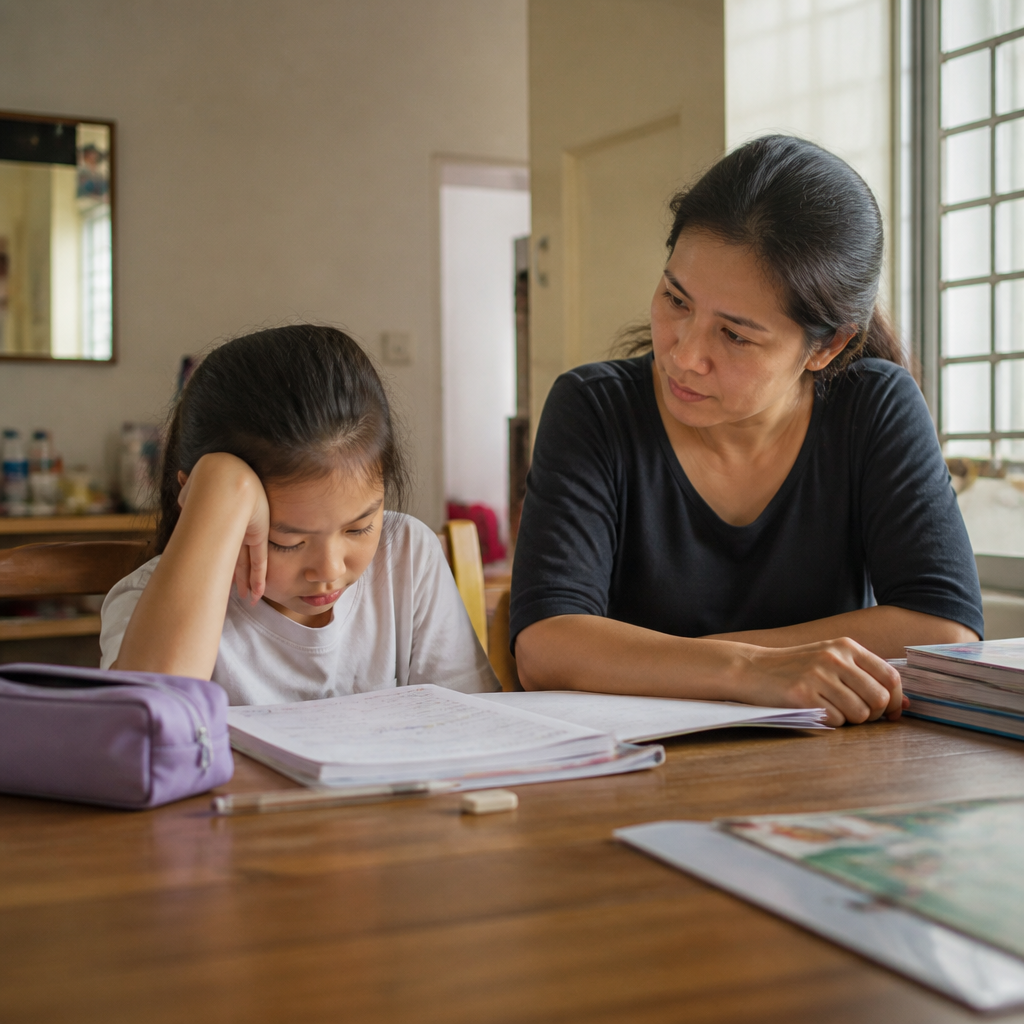
In practical terms, holistic education means developing the whole child, not just chasing marks. Academic progress still matters, especially in a system where tests, PSLE pressure, weighted assessments, and major exams shape daily life. But alongside grades, children also need confidence, resilience, communication skills, self-management, and the ability to learn independently.
This matters even more in Singapore, where MOE has long emphasised broader development, including values, social-emotional competencies, and 21st century skills. You can see this reflected in MOE’s focus on competencies beyond content knowledge at the Ministry of Education. A child who only knows how to drill papers may still freeze during an oral exam, crumble after one poor test, or rely too heavily on adults to stay on track. Holistic education aims to prevent that. It supports school performance while also protecting long-term wellbeing, motivation, and maturity.
Key Takeaways
- Holistic education develops the whole child. It includes academic learning, but also confidence, discipline, emotional regulation, communication, and independent study habits. In Singapore, this balance matters because children face both exam pressure and packed school routines.
- Grades still matter, but grades alone are not enough. A child can score reasonably well and still struggle with burnout, fear of mistakes, or poor motivation. The value of holistic education becomes clearer when performance keeps fluctuating despite effort.
- Pure drilling can backfire. Endless worksheets may increase familiarity with question types, but they can also create fatigue, shallow understanding, and dependence on spoon-feeding. That is one reason many parents start looking for a more balanced approach to learning.
- Holistic support looks different at each stage. Primary school children may need encouragement, routines, and language confidence. Secondary and JC students often need stronger self-management, clearer thinking, and better stress regulation.
- A good tutor can support more than subject content. The right tutor helps a child understand mistakes, build habits, and become more confident over time. That is often what parents mean when they look for tuition that supports all-round development.
- Tutor fit matters more than flashy promises. The best tutor is not always the strictest or the one who gives the most worksheets. Often, it is the tutor who can balance academic rigour with patience, motivation, and honest communication.
- Holistic education is a partnership. Tuition can help, but it works best when home expectations, school demands, and the child’s emotional readiness are taken seriously. No single class can magically fix burnout or low confidence overnight.
What Holistic Education Means In Practical Singapore Terms
When parents ask what holistic education means, they are usually not asking for a theory. They want to know what it looks like on a weekday evening when their child is tired, behind on homework, and still has spelling, Math corrections, and CCA the next day.
It is not anti-academic
Holistic education does not mean “let children relax and grades will somehow sort themselves out”. In Singapore, that would not reflect real life. Children still need subject knowledge, exam familiarity, and the discipline to revise consistently.
What changes is the approach. Instead of treating marks as the only meaningful outcome, holistic learning also asks whether the child is learning how to think, cope, communicate, and improve.
A Primary 5 child, for example, may finish ten Science MCQ questions but still panic whenever open-ended questions appear. A purely academic approach might assign twenty more questions. A holistic one would still practise content, but it would also look at the deeper issue, perhaps weak question analysis, fear of getting the wording wrong, or low confidence after repeated mistakes. That is often where real progress begins.
It develops the whole child
In Singapore terms, this includes academic readiness, emotional steadiness, self-discipline, and social confidence. Children need to manage deadlines, speak up when confused, recover from setbacks, and balance school with rest. That is how holistic education supports child development. It recognises that a child is not just a test-taking machine.
This broader view matters because many underperforming children are not lazy. They are overwhelmed, discouraged, or dependent on constant prompting. Over time, tutors often notice the same pattern. The child “knows” the topic during class, but cannot start work alone at home. That is not just a content problem. It is a learning habit problem, and it affects long-term academic growth.
A useful way to think about it is this: holistic education asks not only, “Can my child do this question today?” but also, “Can my child handle similar challenges tomorrow without falling apart?” That shift matters. It focuses parents on sustainability, not just immediate output.
Why Holistic Education Matters In A High-Pressure System
The question of why holistic education is important becomes more urgent when children look busy all the time but do not seem to be growing stronger.
Academic-only pressure can produce fragile results
Some children appear hardworking on paper. They attend school, tuition, enrichment, and spend hours revising. Yet results remain inconsistent. One test is good, the next drops sharply.
Often, the issue is not lack of effort. It is that the child has learned to survive school demands, not truly manage them.
Think of the Secondary 2 student who memorises Geography essays but cannot adapt when the question is phrased differently. Or the Primary 6 child who has done many practice papers but breaks down during timed work because every mistake feels like a disaster. These are the moments that make the point clear. Education cannot be reduced to marks alone.
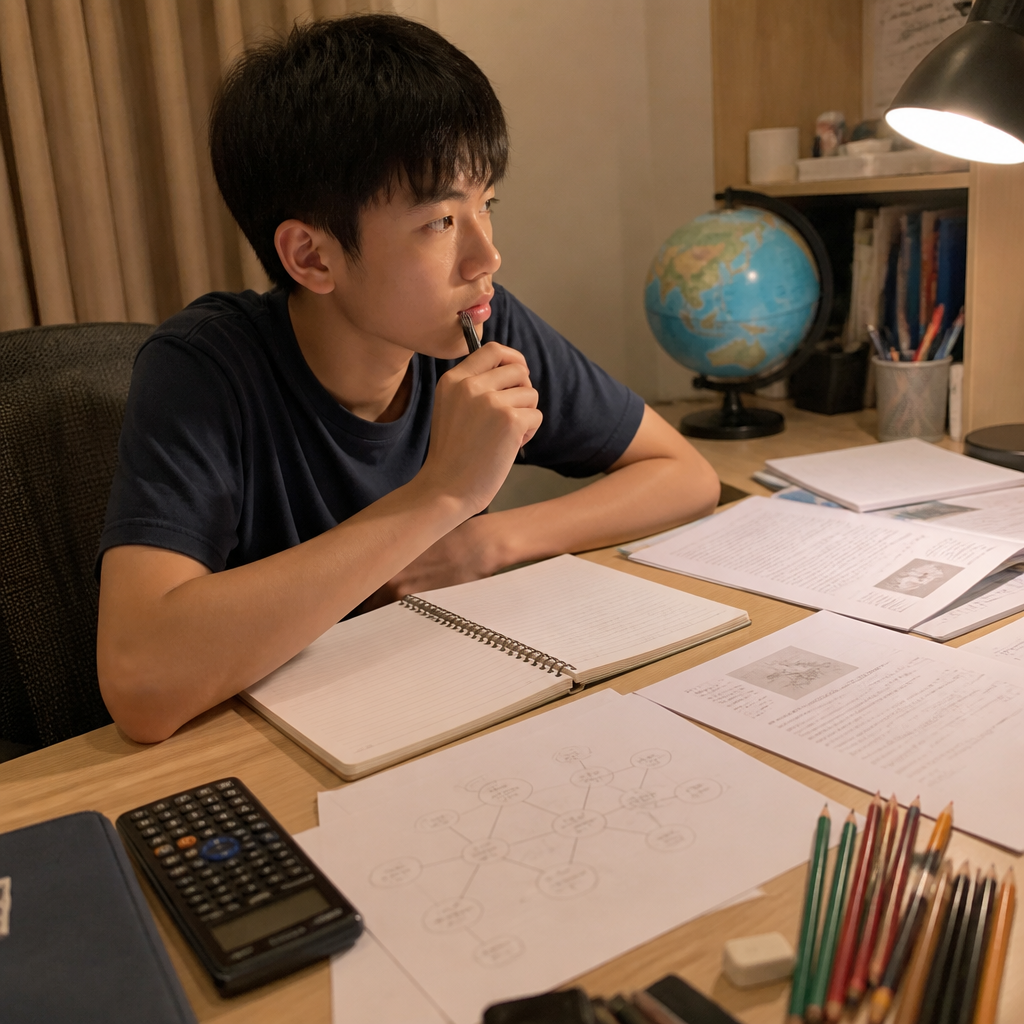
Burnout, resistance, and self-doubt are real
It is easy for parents to feel torn. Push more, and the child gets resentful. Step back, and guilt creeps in. In many homes, revision tension builds quietly. The child says “later”, the parent repeats instructions, both get frustrated, and nothing productive happens by 9.30pm.
A narrow focus on drilling can backfire because it treats symptoms, not causes. More worksheets do not automatically fix poor stamina, low confidence, or weak organisation. In fact, overloading a child who already feels inadequate can make them avoid work even more.
For exam context, Singapore students still face structured assessment expectations through school exams and national exam pathways, with information available at the Singapore Examinations and Assessment Board. That is exactly why children need more than content mastery. They need steadiness under pressure, not just exposure to more papers.
It prepares children for life beyond the next exam
Parents naturally focus on immediate milestones such as WA results, year-end exams, PSLE, O-Levels, or A-Levels. But holistic education matters because school is also where children learn how to respond to stress, feedback, and responsibility.
A child who can recover from a poor result, ask for help appropriately, and adjust study methods is better prepared not only for the next exam, but for future learning in polytechnic, university, NS, or work. In that sense, holistic education is not a luxury. It is part of preparing children for adult life.
How Holistic Education Changes Across Primary, Secondary, And JC
Parents usually understand the idea more clearly once they see how it changes with age. Holistic education is not the same for a Primary 2 child and a JC student.
Primary school: building habits, confidence, and curiosity
The benefits of holistic education for younger children often show up in small daily moments. A child starts attempting work without melting down. They become more willing to read questions carefully. They can explain an answer instead of copying blindly.
At this stage, holistic support may include:
- Building routines, such as packing the school bag the night before and starting homework at a consistent time.
- Encouraging verbal expression, especially when a child knows the answer but struggles to say it clearly.
- Protecting confidence while correcting mistakes, because young children can shut down quickly if every lesson feels like criticism.
A common pattern among younger children is that adults mistake inconsistency for carelessness. Sometimes the real issue is that the child has not yet built the habits needed to cope with school demands.
Secondary school: self-management and resilience
Secondary school brings heavier content, longer days, CCA commitments, and changing motivation. Holistic education here often means helping students organise revision, review mistakes honestly, and cope with subjects they no longer find easy.
A common pattern is the student who says, “I studied already,” but only reread notes. Another is the teenager who looks calm but quietly avoids difficult topics because failing privately feels safer than trying properly. In these cases, support has to go beyond content delivery. Students need strategies, accountability, and emotional resilience.
JC: independence under pressure
In JC, content moves quickly and pressure becomes more internal. Students may not need reminders to study, but they do need help thinking clearly, asking better questions, and recovering when they fall behind.
Holistic education for older students includes maturity, not just marks. It is about learning how to plan, sustain effort, and stay mentally steady during demanding academic periods.
Holistic Tuition vs Purely Exam-Focused Tuition
For families exploring support, this is where the difference becomes easier to see. A holistic approach in private tuition is not the same as tuition that only aims to finish assessment books.
What pure drilling tuition usually looks like
Some tutors focus heavily on worksheets, model answers, and test repetition. This can feel reassuring because there is visible output. Parents see pages completed and assume progress is happening.
Sometimes that does help, especially when a child needs exam exposure. But used alone, it can create problems:
- The child becomes dependent on familiar question types.
- Mistakes are corrected, but not understood.
- The child starts equating learning with speed and quantity.
That is often where confidence gets weaker, not stronger. The child may complete more work, yet still feel lost the moment the format changes.
What a holistic tuition approach looks like
A tutor with a broader mindset still teaches content thoroughly. The difference is in what they pay attention to. They notice if the child gives up quickly, cannot explain thinking, rushes carelessly, or waits passively for help.
This is how home tuition can support holistic education. The tutor may pause to ask the student to talk through a solution, reflect on why a mistake happened, or plan how to revise before the next lesson. It may sound simple, but over time it builds ownership, confidence, and stronger study habits.
If you are comparing options, it helps to look beyond credentials alone and compare our tutors based on teaching style, communication, and whether they can support your child’s all-round growth, not just test prep.
What To Look For In A Tutor Who Supports All-Round Development
Not every strong academic tutor is the right holistic fit. That does not make them a bad tutor. It simply means your child may need more than subject expertise.
Signs of a good holistic fit
Parents looking for a tutor who supports all-round child development often value a few qualities consistently:
- They explain mistakes in a way the child can absorb.
- They adjust tone and pace instead of using the same style for every child.
- They care about learning habits, not just completed homework.
- They communicate honestly with parents about progress, fatigue, and expectations.
Tutors often notice that children improve faster when they feel challenged but not shamed. That balance matters more than many parents realise.
Questions parents can ask before engaging a tutor
Useful questions include:
- “How do you help a child who shuts down after making mistakes?”
- “How do you balance exam preparation with confidence-building?”
- “What do you do if my child is hardworking but still underperforming?”
Listen for nuance. If every answer leads back to “just do more papers”, the approach may be too narrow for a child who is already stressed or discouraged.
Red flags to watch
Be cautious if a tutor promises guaranteed grade jumps quickly, equates strictness with effectiveness in every case, dismisses confidence or motivation as excuses, or relies almost entirely on repetitive drilling without proper diagnosis. These are often signs of a one-size-fits-all approach.
How Holistic Education Supports Child Development At Home And In Tuition
Tuition works best when it fits into a broader picture. Holistic education is not about turning every home into a mini classroom. It is about creating enough structure, encouragement, and realism for children to grow steadily.
Confidence and life skills grow through repeated experiences
Holistic education for student confidence and life skills does not appear overnight after one motivational talk. It grows when a child experiences manageable challenge and learns, “I can do hard things without falling apart.”
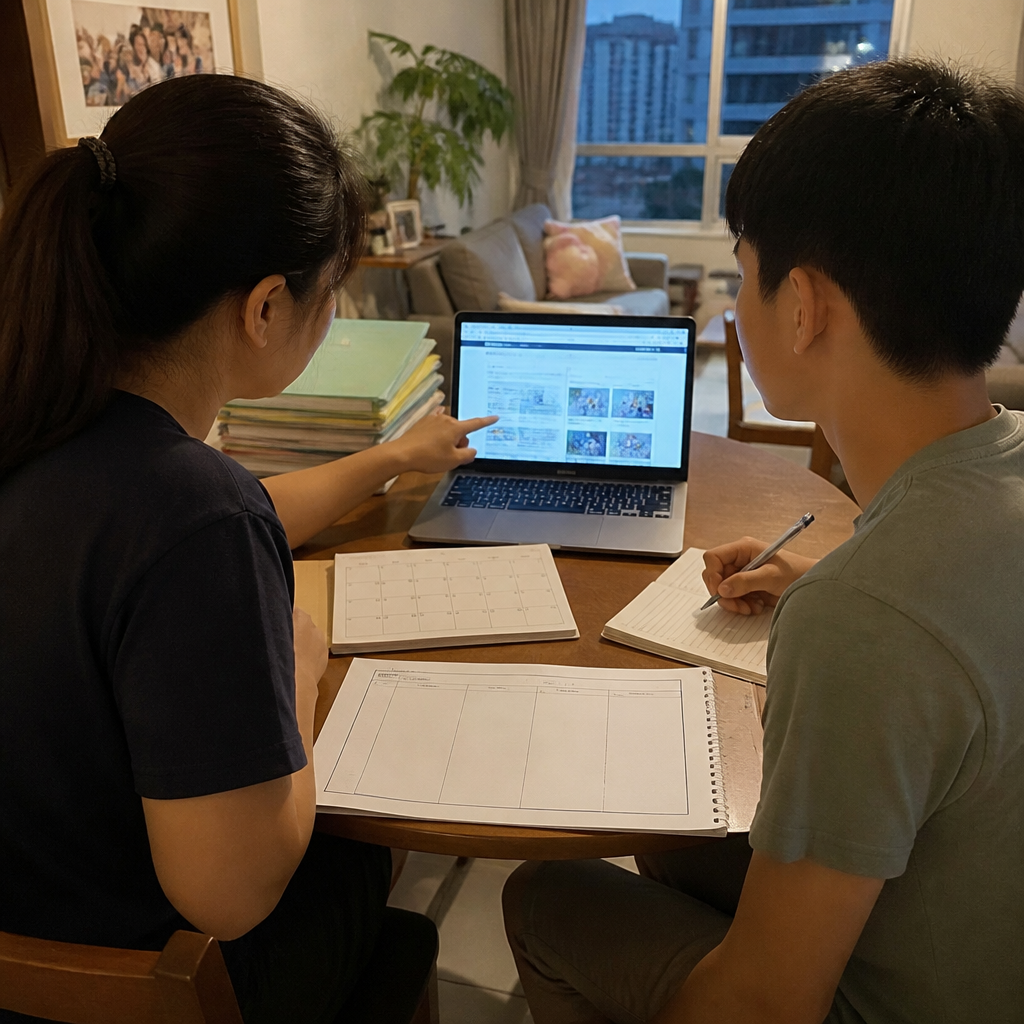
A tutor can contribute by setting appropriate difficulty, celebrating genuine progress, and helping the child reflect. At home, parents can support this by noticing process, not only marks. For example, saying “You handled that comprehension more calmly today” can be more powerful than only asking for the score. Over time, that kind of feedback helps children connect effort with growth.
Home and tuition must not send opposite messages
Sometimes parents want holistic growth, but home routines still reward only outcomes. If every car ride home begins with “How many mistakes?”, the child may hear that confidence and effort do not really count.
That does not mean lowering standards. It means using standards wisely. A child preparing for PSLE or O-Levels still needs accountability. But if correction becomes constant and warmth disappears, even good tuition may not fully help. Children learn best when challenge and emotional safety exist together.
Small changes at home can reinforce holistic learning
Parents do not need elaborate systems to support this approach. A few practical habits can make a real difference:
- Keep revision goals specific and manageable instead of vaguely saying “study harder”.
- Let children attempt first before stepping in too quickly.
- Review mistakes calmly at a time when everyone is less tired.
- Protect sleep and rest, because exhausted children rarely learn well.
These may sound basic, but they support the same qualities holistic education is trying to build: responsibility, reflection, and emotional steadiness.
If you are exploring a more balanced support system, you can start by browsing options at Singapore Tuition Teachers and comparing tutors who can match both your child’s academic level and developmental needs.
Frequently Asked Questions
Does holistic education mean I should worry less about grades?
Not exactly. Grades still matter in Singapore, and most parents cannot simply ignore them. Holistic education means seeing grades as one part of a bigger picture. If a child gets results through fear, burnout, or complete dependence on adults, that success may not hold up well over time.
Can home tuition really support holistic education?
Yes, if the tutor teaches beyond content alone. A strong tutor can improve understanding while also building confidence, study habits, communication, and independence. But tuition is support, not a magic fix. The child’s readiness, school demands, and home environment all matter too.
What are the benefits of holistic education for primary school children in Singapore?
At primary level, the gains often include stronger routines, better emotional regulation, willingness to ask questions, and greater confidence with schoolwork. These are especially valuable during the years when children are forming their attitudes toward learning, mistakes, and self-worth.
How do I know if my child needs a more holistic tuition approach?
Look at patterns, not just grades. If your child is always tired, resists work, panics easily, depends on constant reminders, or studies hard but performs inconsistently, a purely exam-focused approach may not be enough. Those signs often point to deeper habit or confidence issues.
Is a holistic tutor less effective for exam preparation?
Not necessarily. In many cases, a holistic tutor can be more effective because they address the reasons a child underperforms, not just the syllabus. They still prepare for tests, but they do so in a way that supports long-term growth and steadier performance.
Conclusion
So, what is holistic education? For Singapore parents, it is not a soft alternative to academic effort. It is a practical, balanced way of helping children do well in school while also growing in confidence, discipline, resilience, communication, and independence. It recognises that strong results matter, but so do the habits and emotional strength that make those results sustainable.
The real comparison is not grades versus wellbeing. It is short-term drilling versus long-term growth with academic progress. A tutor who understands this balance can make a meaningful difference, especially for children who are trying hard but still struggling with burnout, low motivation, weak study habits, or self-doubt. If you are looking for support that fits both achievement and all-round development, you can compare our tutors and find a better match for your child’s needs.