


Introduction
It often starts with something small. Your child suddenly wants the bathroom door locked. A school uniform feels tight in unfamiliar places. There are mood swings over what seems like nothing, or awkward questions at bedtime when you are least prepared. Many parents in Singapore feel unsure at this stage, especially when their child is still in primary school and seems too young for these changes. You may worry about saying the wrong thing, saying too much, or waiting too long.
So, what is puberty? In simple terms, puberty is the stage when a child’s body begins developing into an adult body. It brings physical, emotional, and social changes, and it does not happen at exactly the same age or pace for every child. Understanding puberty helps parents stay calm, explain things more naturally, and support confidence at home instead of letting embarrassment take over.
Key Takeaways
- Puberty is a normal stage of growth. It is the period when a child’s body, emotions, and social awareness begin changing as they move toward adolescence and adulthood. For most families, the real challenge is not whether puberty will happen, but how to respond calmly and reassuringly when it does.
- Timing can vary a lot. Some children in Singapore start noticing changes in upper primary, while others change later in secondary school. Different timing does not automatically mean something is wrong, and comparing with classmates usually creates more anxiety than clarity.
- Girls and boys may show different signs. Knowing the common signs of puberty in girls and boys helps you respond early, whether that means buying deodorant, preparing for menstruation, or talking about voice changes and body hair before your child feels embarrassed.
- Awkward conversations matter more than perfect ones. If you are wondering how to explain puberty to a child, simple and calm language usually works better than one big serious lecture. A short, honest answer today often helps more than waiting for the “right” moment that never comes.
- Primary school children need practical preparation. Many puberty changes in primary school involve hygiene, privacy, body safety, and reassurance, not just biology. A child may need a pad in their school bag, a first bra, or help understanding why they suddenly sweat more after CCA.
- Mood and behaviour changes are real, but children still need guidance. Puberty can make children more sensitive, private, or easily embarrassed, especially when school stress and fatigue are already high. Parents can stay warm and steady without excusing hurtful behaviour.
- Sometimes it helps to check with a doctor. Very early or very delayed changes, intense distress, or unusual symptoms may be worth discussing with a GP. Medical advice can bring peace of mind and help parents understand what falls within the normal range.
What Puberty Really Means For Parents
When parents ask what puberty is, they are usually not looking for a textbook answer. They want to know what is happening to their own child, what changes to expect, and how to handle it without turning every conversation into a tense moment.
A simple way to understand puberty
Puberty is the natural process where hormones trigger changes in the body. These changes prepare a child for adulthood. That includes growth in height, body hair, skin changes, reproductive development, emotional ups and downs, and a growing awareness of identity and privacy.
At home, puberty often looks less medical and more messy. Your child who used to chat freely may suddenly answer in one-word replies. A Primary 5 child may start caring deeply about appearance before school. A Secondary 1 student may seem confident outside but become very self-conscious at home.
Why parents often feel caught off guard
Many parents imagine puberty starting later than it actually does. But some children begin changing in upper primary, long before they seem emotionally ready in adult eyes. That gap can feel unsettling. You may think, “She still watches cartoons, how can she already need a bra?” or “He still forgets his water bottle, how can he already smell sweaty after school?”
That confusion is normal. Puberty does not wait for parents to feel ready. It often arrives in the middle of school routines, tuition schedules, and exam stress. Tutors often notice that children going through this stage can seem more distracted, more defensive, or more tired, not because they are unwilling, but because a lot is changing at once. Knowing this helps you respond with steadiness instead of panic.
When Puberty Usually Starts In Singapore Children
A very common parent question is when puberty starts in Singapore children. There is no single age that fits everyone, but there are typical ranges.
Usual age ranges, with room for variation
In general, puberty often begins between ages 8 to 13 for girls and 9 to 14 for boys. Some children notice changes earlier, some later. In Singapore, this means one child may begin puberty in upper primary, while another may only show clearer signs in lower secondary.
A Primary 4 or 5 girl may begin breast development before she emotionally understands what it means. A Secondary 1 boy may still look physically younger than his classmates and feel embarrassed in PE. Both situations can be normal.
Why timing differs from child to child
Puberty timing can be influenced by genetics, body composition, overall health, and natural individual differences. It is not a race, even though children often compare themselves in school toilets, changing rooms, and class gossip.
This is where parent reassurance matters. Saying, “Bodies grow at different times, and that is normal,” may sound simple, but it protects a child from shame. A common pattern among students is that they become distracted not because they are lazy, but because they are quietly worried they look too different from their peers.
When to seek medical advice
While variation is common, some situations are worth checking with a GP.
For reliable local information, parents can read HealthHub’s puberty and adolescence resources.
Signs Of Puberty In Girls And Boys
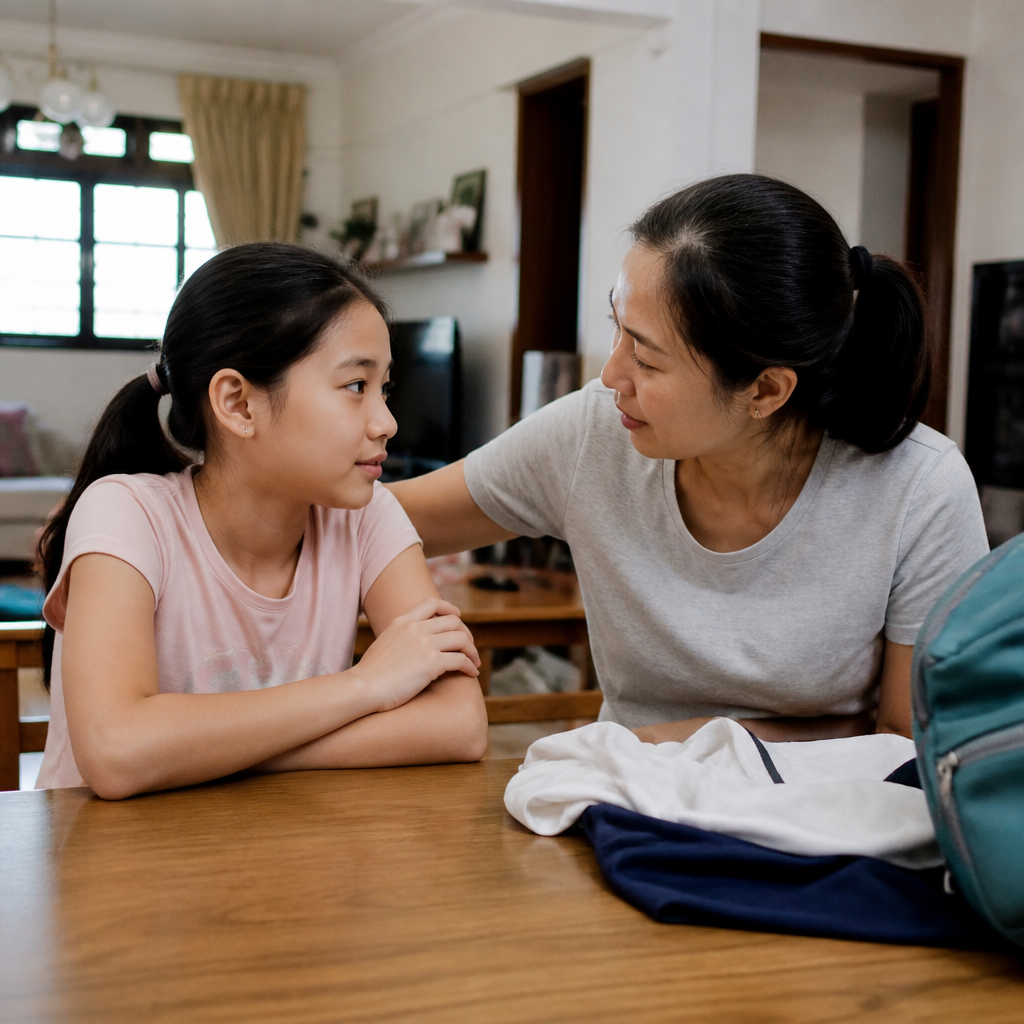
Many parents notice behaviour before body changes, but both matter. Understanding the signs of puberty helps you prepare your child gently, instead of waiting until they feel confused or embarrassed.
Common signs in girls
Common early signs include breast budding, a growth spurt, body odour, oily skin, acne, underarm and pubic hair, and eventually menstruation. Not all girls experience these in the same order, which is why comparing with cousins or classmates is rarely helpful.
A familiar moment is seeing a daughter hunch her shoulders in public. Often, the issue is not posture, but self-consciousness about breast development. Another common situation is a Primary 6 girl feeling frightened by her first period during school hours because no one has explained it clearly beforehand.
Common signs in boys
For boys, early signs may include growth of the testicles and penis, body odour, height increase, voice changes, acne, underarm and pubic hair, and later facial hair. Some boys also experience temporary breast tissue swelling, which can feel alarming if nobody has warned them.
It is easy to miss emotional discomfort in boys because it may show up as irritability, withdrawal, joking, or refusal to talk. A lower secondary boy who suddenly becomes defensive about showering, changing clothes, or PE may not be difficult. He may simply be embarrassed by his developing body.
Changes both girls and boys may experience
Both may experience stronger emotions, self-consciousness, private thoughts, interest in appearance, and a greater need for independence. Hygiene becomes more important too. Deodorant, regular showers, clean uniforms, and basic skin care may suddenly become daily issues instead of occasional reminders.
Children may also become more sensitive to teasing, more aware of how they look in class photos, or more private about changing clothes. These reactions are common and often reflect growing self-awareness rather than bad attitude.
Puberty In Primary School vs Secondary School
The way you explain puberty should match your child’s age and maturity. A primary school child usually needs practical preparation, while a secondary school student often needs more emotional and social guidance.
For primary school children, keep it simple and practical
For upper primary children, puberty conversations should focus on preparation, not pressure. They need to know that bodies grow in different ways, periods are normal, erections can happen, body odour is common, and privacy matters.
If your Primary 5 daughter has started breast budding, she may not need a long talk about adulthood. She may simply need help choosing a first bra, reassurance that this is normal, and a quiet conversation about who she can go to in school if she gets her period unexpectedly.
For boys in primary school, the conversation may be even shorter, but it still matters. If your son is starting to smell sweaty after recess or CCA, that is a natural opening to discuss deodorant, shower habits, and clean PE attire without teasing him.
For secondary school students, add emotional and social guidance
By secondary school, puberty is not just about body changes. It is also about friendships, comparison, attraction, privacy, self-image, and emotional regulation. A Secondary 2 child may understand the facts but still struggle with confidence.
This is where parents sometimes get stuck. They think, “He already learned this in school, why talk about it again?” But information from school and comfort at home are not the same thing. Singapore schools do cover sexuality education, and parents can refer to MOE’s sexuality education page, but many children still need home conversations to process what they hear.
A useful approach is to shift from “teaching” to “checking in.” Instead of asking, “Do you know what puberty is?” you might ask, “How are things going in school lately?” or “Anything about growing up that feels annoying or confusing?” Older children often respond better when they do not feel tested.
How To Explain Puberty Without Making It Embarrassing
If you are wondering how to explain puberty to a child, the good news is that you do not need a perfect script. Children usually respond better to calm, natural conversations than to one big awkward talk.
Start with ordinary moments
The best time is often when something real comes up. Maybe your child asks why they need deodorant. Maybe they notice a classmate has started menstruating. Maybe they complain about pimples before school photos.
You can say:
- “Your body is growing, and this is part of puberty.”
- “It happens to everyone, just at different times.”
- “If anything feels confusing, you can always ask me.”
- “This is normal, not something to be ashamed of.”
These simple lines work because they explain without making the moment feel dramatic.
Use clear words, not panic words
Children usually feel more awkward when adults whisper, avoid eye contact, or act shocked. Simple language keeps the mood calm. If your daughter asks about periods, answer directly. If your son asks why his voice sounds strange, explain that voice changes are part of growing up.
What often backfires is giving too much information all at once, laughing at their questions, or turning the conversation into a warning-filled lecture. That can shut them down quickly and make them less likely to ask again.
Make it ongoing, not one serious lecture
A child who says “okay” during one talk may still be confused later. Keep the door open. A short check-in after school or before bed often works better than a formal sit-down at the dining table.
If your child is finding school, emotions, or subject demands harder to manage during this stage, learn more about our tutors for gentle academic support that builds confidence and routine here. Sometimes puberty, exam pressure, and weekday fatigue collide, and a calmer routine can make home life easier too.
Practical Ways To Prepare Your Child
Parents often feel more confident when they know what practical support looks like. Puberty is easier to manage when children are prepared before a stressful moment happens.
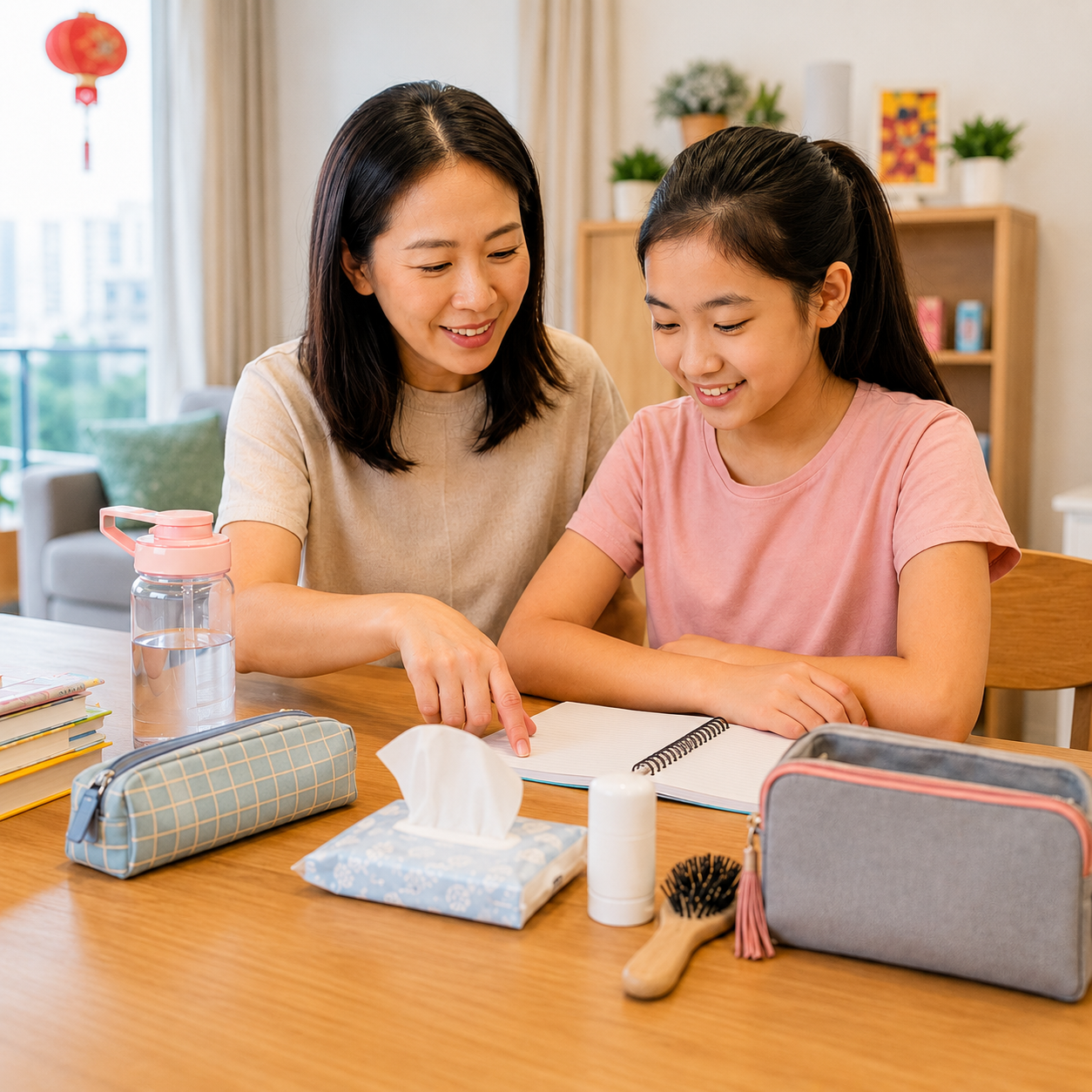
For girls, that may mean packing a small pouch with pads, underwear, and wet wipes in a school bag. It may also help to explain what a period can feel like, what to do if staining happens, and which trusted adult in school they can approach.
For boys, preparation may include talking about deodorant, extra shirts after sports, and the fact that erections can happen unexpectedly. A simple explanation that this is common and usually temporary can prevent panic or shame.
For both, it helps to normalise routines such as daily showers, changing out of sweaty clothes, washing the face gently, and asking for help when something feels unusual. These are small habits, but they reduce embarrassment and build independence.
How Parents Can Support Confidence At Home
Knowing how to talk about puberty is not just about wording. It is also about tone, timing, and what your child feels when they leave the conversation.
Respond without shaming
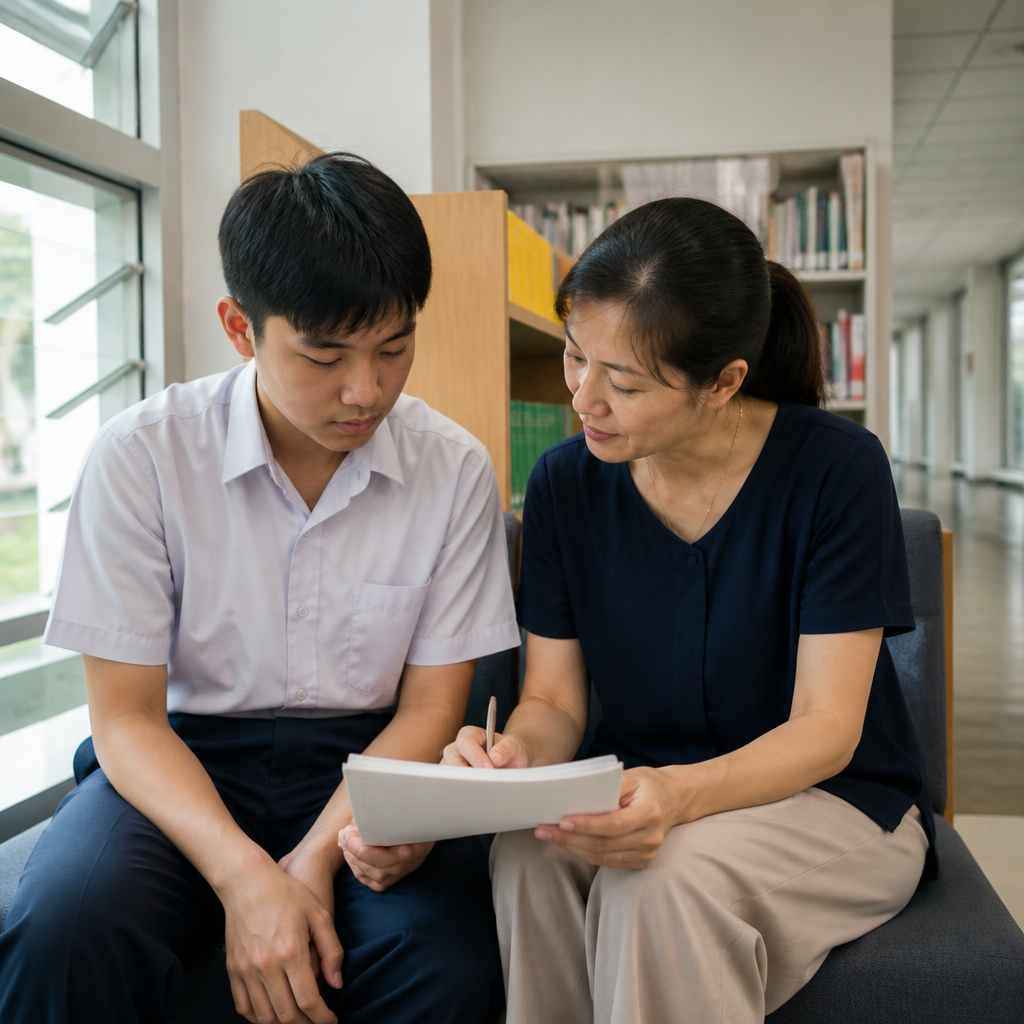
Children remember facial expressions. A look of shock at stained underwear, body odour, or sudden hair growth can stay with them for years. Calmness protects trust.
Instead of: “Why are you so dirty?”
Try: “Your body is changing, so sweat and smell can increase. Let’s sort out a shower routine and deodorant.”
The message is still clear, but it protects dignity.
Build habits around dignity, not criticism
Puberty often introduces new routines: pads in a school bag, an extra undershirt, face washing, or more frequent laundry. These are practical issues, not moral ones.
A child who keeps forgetting hygiene steps may not be lazy. Many preteens are mentally juggling homework, CCA, friendship drama, and body changes all at once. Gentle consistency usually works better than nagging because it teaches responsibility without making the child feel judged.
Respect growing privacy while staying present
Privacy is healthy. Total silence is not. Knock before entering. Let your child manage some personal care independently. But stay available.
Sometimes the best support is saying, “I won’t force you to talk right now, but I’m here whenever you want to ask something.” That gives space without sounding distant, and it helps children feel safe returning later.
Frequently Asked Questions
Is it normal for a primary school child to start puberty?
Yes, it can be. Some children begin puberty changes in upper primary. That may feel early to parents, especially when the child still seems very young in other ways, but it is often within the normal range. What matters most is helping your child understand what is happening so they do not feel scared or ashamed.
What if my child refuses to talk about puberty?
That is very common. Some children avoid the topic because they feel embarrassed, not because they do not need help. Keep conversations short, calm, and spread out over time. A casual moment, such as during a car ride or while doing chores, can feel much less intense than a face-to-face discussion.
Should I wait for school to teach this?
School-based sexuality education helps, but home conversations still matter. Children often need a trusted adult to explain things in a personal, reassuring way. School gives information. Home gives emotional safety, practical support, and room for honest questions they may never raise in class.
When should I worry about early or late puberty?
Large differences in timing can still be normal, but very early signs or very delayed development may be worth discussing with a GP. If you are unsure, getting medical advice can provide reassurance instead of leaving you to worry quietly at home.
Can puberty affect school behaviour and studies?
Yes. A child dealing with body changes, self-consciousness, poor sleep, mood swings, or social stress may become distracted or less organised. Sometimes what looks like laziness is actually emotional overload. If needed, added structure at home or extra learning support can help, and parents can also explore options through Singapore Tuition Teachers.
Conclusion
Understanding puberty gives parents something more valuable than facts. It gives perspective. Puberty is not a problem to fix. It is a stage to guide with calm, honesty, and steadiness. Some children change early, some later. Some ask many questions, while others say almost nothing. What matters most is that home remains a safe place to ask, learn, and feel normal.
If your child is moving through puberty while also struggling with homework, motivation, or school stress, gentle support can make this season feel less overwhelming. You can learn more about our tutors for calm, confidence-building academic help here.