


Introduction
If your home has started to feel a little different lately, you are probably not imagining it. The dining table fills up with notes, prelim papers appear everywhere, and someone is always asking whether “serious revision” has started yet. For many Secondary 4 and 5 families in Singapore, O-Level season brings that strange mix of urgency, tiredness, and uncertainty. Parents feel it too. It is not always obvious when to push, when to back off, or whether your child is genuinely revising or just sitting there looking drained.
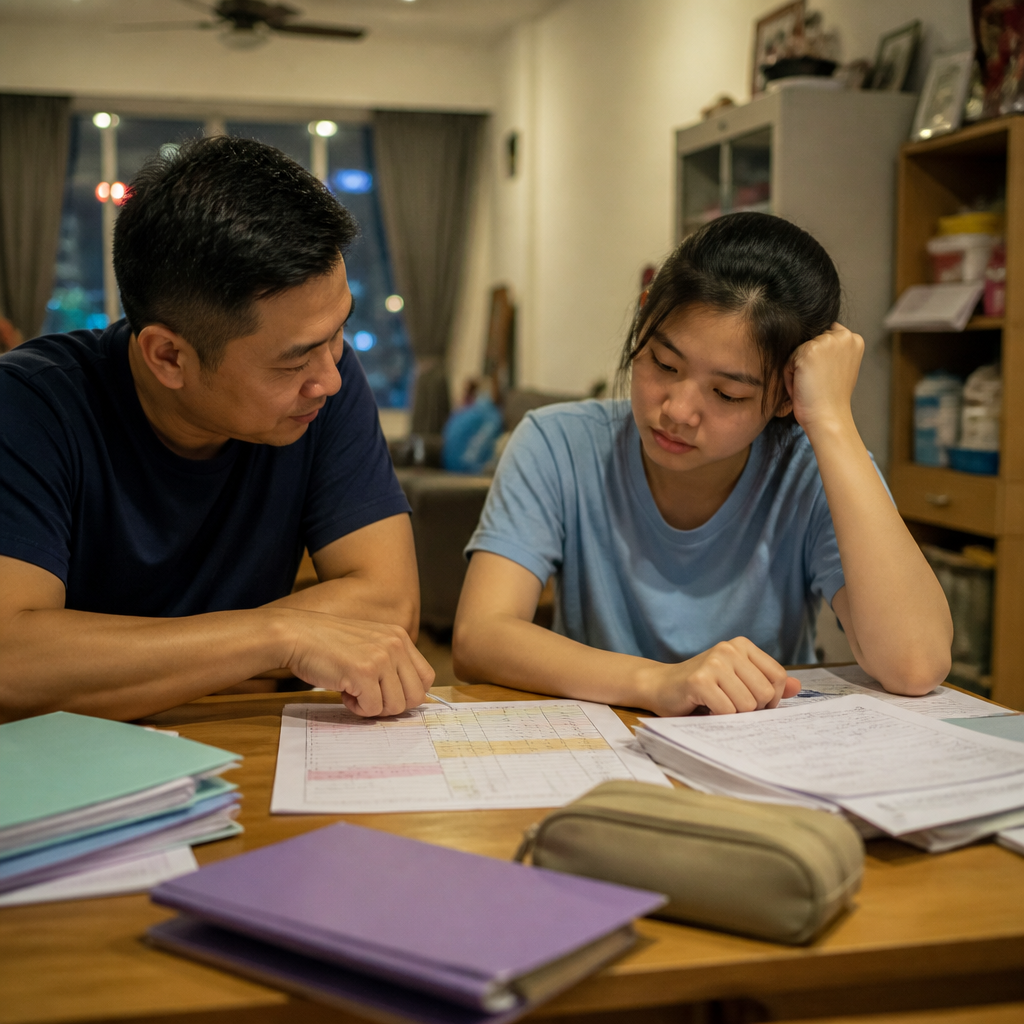
The good news is this, O-Level preparation does not have to turn into endless late nights and random mugging. A better approach is to understand what each subject is really testing, build a study plan that fits real life, and adjust it based on how much time is left. Whether your child started early or is now looking for a last-minute O-Level study plan that actually feels doable, this guide walks through practical steps that make sense in real homes and real school routines.
Key Takeaways
- Start with clarity, not panic. Before revising harder, know which subjects, topics, and paper types matter most. O-Level preparation feels far more manageable when the workload is broken into clear parts.
- A realistic timetable beats an ambitious one. If you are making an O-Level study timetable, aim for consistency instead of filling every hour. A plan that survives school fatigue is better than a perfect one abandoned after three days.
- Revise based on subject type. Content-heavy subjects like Humanities need recall and essay practice, while skills-based subjects like Elementary Math need regular timed questions. Using the same revision style for every subject often wastes effort.
- Weak subjects need attention, but not all your energy. Many students over-focus on one weak subject and neglect easier scoring areas. A balanced strategy usually lifts the overall O-Level result more effectively.
- Home revision can work well without tuition. Structured self-testing, past-year practice, and targeted correction are often more powerful than passive reading.
- Parents help most when they reduce chaos, not increase pressure. A calmer routine, practical check-ins, and support with planning often work better than repeated reminders to “study harder”.
- Last-minute revision must be selective. In the final weeks, trying to cover everything usually increases anxiety. Focus on high-yield topics, exam formats, and common mistakes instead.
Understand What The O-Levels Actually Test
A lot of stress comes from revising without a clear target. Students may spend hours making notes, rereading textbooks, or memorising full chapters, then panic when prelim questions look unfamiliar. Before deciding how to study for O-Level exams, it helps to understand what the exam is really asking for.
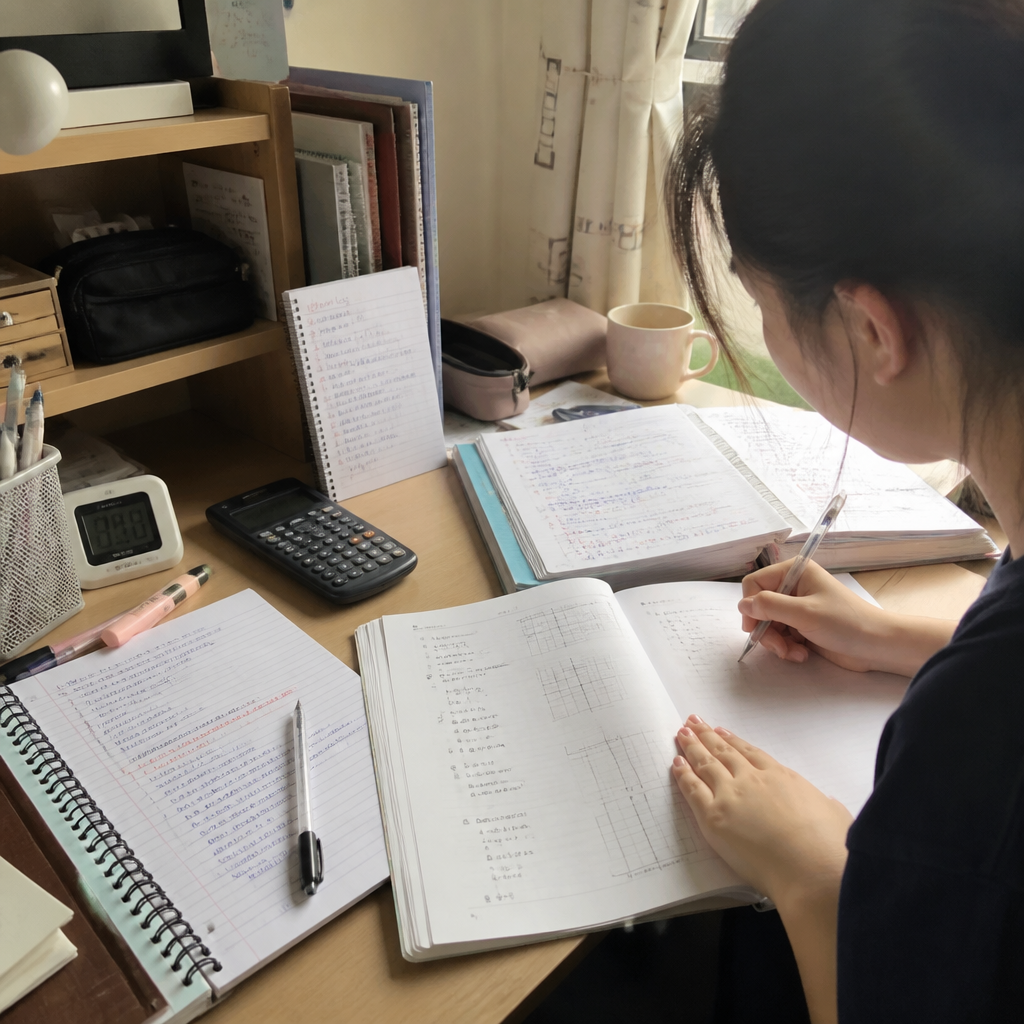
The GCE O-Level is not just a memory test. Different subjects reward different skills. You can check the latest exam information through SEAB and the broader secondary education framework at MOE.
Content-heavy subjects need recall and clear expression
Subjects like Biology, Chemistry, Social Studies, History, Geography, and Literature do require content knowledge. But content alone is rarely enough. A student may memorise an entire chapter and still lose marks because the answer is vague, too long, or not closely linked to the question.
O-Level questions reward accurate phrasing, relevant examples, and clear structure. In Humanities especially, knowing the point and expressing it in a way that earns marks are not the same thing.
Skills-based subjects improve through practice under pressure
Elementary Math, Additional Math, and parts of Science are less about memory and more about repeated application. English works similarly in its own way. Comprehension, summary, editing, and situational writing improve through actual practice, not just by reading model answers.
That is why timed work matters. It trains accuracy, pacing, stamina, and decision-making, not just content recall.
Oral, listening, and practical papers cannot be left too late
For English, Mother Tongue, and some Science subjects, oral, listening comprehension, or practical components may come before the written papers. Families sometimes underestimate how early these can feel. Knowing the paper components early helps students revise in the right order, instead of just focusing on the most familiar topics.
Build A Revision Plan You Can Actually Follow
When students ask how to make an O-Level study timetable, what they often mean is this, how do I make a plan that still works when school, homework, fatigue, and distractions are all real?
The answer is simple, but not always easy. Build around the week you actually have, not the one you wish you had.
Start with your subject load and current standing
Many O-Level students take six to eight subjects, sometimes more. That already means revision cannot be split equally across everything. A useful starting point is to sort subjects into three groups.
If English and E Math are around B3, Chemistry is C5, and Combined Humanities keeps slipping to D7, the timetable should reflect that. This does not mean abandoning stronger subjects. It means allocating time based on likely impact.
Plan by week first, then by day
A timetable packed into hourly boxes often looks impressive on Monday and collapses by Wednesday. A better method is to decide on weekly targets first. For example:
- Finish TYS for E Math Algebra.
- Revise Chemical Bonding and complete one structured section.
- Practise one English Paper 2 comprehension.
- Memorise and test two Social Studies chapters.
- Review the error log from previous papers.
Then place these into available slots across the week. That gives structure without making the plan too fragile.
Leave buffer time for catch-up
The most realistic revision plans always leave some room for catch-up. Without that, one missed session quickly becomes guilt, then avoidance. A Sunday afternoon buffer can rescue the whole week.
If your child needs help turning school topics and weak areas into a workable revision structure, extra support from a tutor can sometimes make planning feel less overwhelming. You can learn more about our O-Level tutors or contact us directly.
Use Better Revision Methods At Home
The best revision strategy for O-Level students at home is rarely “study longer”. At home, the bigger issue is usually how the time is used.
Active recall beats passive rereading
Reading notes over and over can feel productive because it feels familiar. But familiarity is not mastery. Better home revision often feels slightly uncomfortable. Close the notes and test what you remember. Write definitions from memory. Explain a Science process aloud. Try a Math question before looking at the worked solution.
A student who spends 30 minutes self-testing often learns more than one who spends 90 minutes highlighting.
Past-year papers reveal real weaknesses
Ten-Year Series, school prelim papers, and teacher worksheets are useful because they expose patterns. Some students know the content but cannot handle question wording. Others keep losing marks to careless algebra, source-based inference, or summary lifting.
Real improvement usually comes from studying the mistakes properly, not just collecting more completed papers.
Keep an error log and use it
This sounds simple, but it is one of the most practical tools students can have. After each paper or practice session, record the following:
For example, “Chemistry: mole concept, converted units wrongly” or “English summary: exceeded word limit because I copied full lines”. Close to the exam, this becomes much more useful than rereading everything from scratch.
Match the method to the subject
Not every subject should be revised in the same way.
- Math works best with timed questions, step-by-step correction, and reworking errors until the method becomes automatic.
- Science needs both concept recall and application practice.
- English improves through actual paper skills, especially comprehension, editing, summary, and writing under time limits.
- Humanities requires selective memorisation and repeated practice in structuring answers clearly.
- Mother Tongue benefits from vocabulary review, oral themes, reading aloud, and focused work on composition accuracy.
Prioritise Weak Subjects Without Losing Easy Marks Elsewhere
This is where many O-Level revision plans become emotionally messy. One weak subject starts dominating every conversation. Before long, everything revolves around that one D7 while two B4 subjects with room to improve are quietly neglected.
Focus on subjects that can realistically improve
Not every weak subject improves at the same speed. Some, like E Math or certain Science topics, can move quite quickly with targeted practice. Others, like English, may improve more gradually.
If your child is failing Additional Math badly in August and already struggling across the board, pouring huge amounts of time into A Math may not always be the highest-return move. Sometimes stabilising E Math, Combined Science, or Humanities gives a better overall outcome.
Break a weak subject into smaller problems
“Weak at Chemistry” is too broad to act on. Is the issue content recall, careless mistakes, practical planning, or not understanding structured questions? Once the problem becomes specific, revision becomes far less overwhelming.
Protect confidence while pushing for progress
There is a point where too much focus on weakness starts crushing morale. A better rhythm is to pair one difficult revision block with one more manageable one. That helps the student regain momentum instead of ending the day defeated.
Can You Prepare For O-Levels Without Tuition?
Many families ask how to prepare for O-Level exams without tuition. The honest answer is yes, but only if the revision is structured. Without structure, students often drift between notes, videos, worksheets, and panic.
What works without tuition
Students can revise effectively on their own if they:
- Follow the syllabus and school revision list closely.
- Use TYS and school papers consistently.
- Correct work properly, not just record scores.
- Ask teachers specific questions in school.
- Stick to a weekly review routine.
When extra help may still be useful
The issue is often not intelligence. It is inconsistency and blind spots. Tuition is not a guarantee, and it is not necessary for every student. But for some, a tutor helps by narrowing the focus, correcting misunderstandings quickly, and providing accountability.
Adjust Your Strategy Based On How Much Time Is Left
There is no single answer to how to study for O-Levels because timing changes everything. What works in March is not the same as what works in September.
Early preparation should build depth slowly
If the exam is still months away, focus on closing content gaps, revising chapter by chapter, starting topical practice, and fixing weak foundations. This stage is less about speed and more about building understanding properly before the pressure rises.
After prelims, shift from learning to application
Prelims are often a wake-up call in Singapore schools. The papers are usually tougher, and the marks can be discouraging. That does not automatically predict the O-Level result, but it does reveal weak spots clearly.
After prelims, revision should become more exam-focused:
- Analyse prelim mistakes carefully.
- Revisit weak topics with purpose.
- Increase timed practice.
- Memorise high-yield content.
- Practise writing under time limits.
A realistic last-minute O-Level study plan
A last-minute O-Level study plan for students in Singapore should be selective, not heroic.
In the final two to four weeks, focus on topics that still feel fixable, revise answer formats for structured questions and essays, practise one paper section at a time if full papers feel too heavy, use short focused sessions on school days, and protect sleep.
Trying to cram an entire textbook at this stage usually backfires.
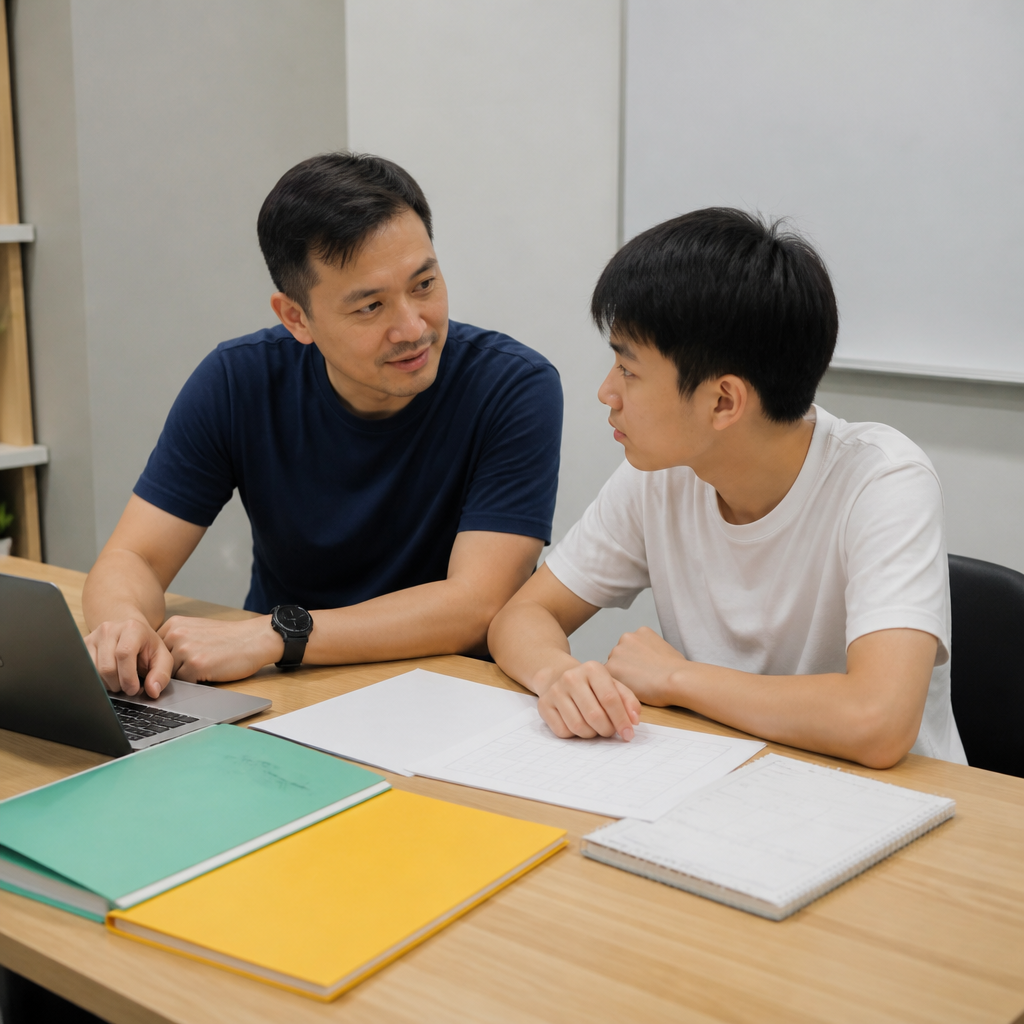
How Parents Can Support O-Level Preparation
For many parents, this is the hardest part. You can see the exam getting closer. You know the stakes feel big. But support is not always about tighter monitoring.
Reduce friction at home
Sometimes support looks very ordinary. A quieter evening routine. Fewer last-minute errands. A predictable dinner time. Helping your child protect one uninterrupted revision block on weekdays.
Check in on process, not only results
Instead of asking, “How many chapters did you finish?” try asking, “Which paper is worrying you most this week?” That usually opens a conversation instead of triggering defensiveness.
Watch for burnout, not just laziness
Not every struggling student is lazy. Some are simply overloaded. If your child keeps staring at notes without absorbing anything, becomes unusually irritable, or avoids school conversations about exams, the answer may not be more hours.
Frequently Asked Questions
When should students in Singapore start studying seriously for O-Levels?
Ideally, steady preparation starts in Secondary 4 from Term 1, or earlier for weaker subjects. That does not mean intense daily mugging from January. It means keeping up with school topics, reviewing weak areas early, and avoiding a situation where everything is pushed to after prelims.
How many hours a day should I study for O-Levels without burning out?
There is no magic number. On school days, 1.5 to 3 focused hours may already be productive, depending on homework and fatigue. During weekends or study breaks, students may do more. Useful, focused revision matters more than long hours spent tired and distracted.
What is the best way to revise multiple O-Level subjects at once when everything feels urgent?
Rotate subject types. Pair a content-heavy subject like History with a practice-based subject like Math. This reduces mental fatigue and helps students cover more across the week.
Can a student do well for O-Levels without tuition if prelim results are not strong?
Yes, many do, especially if school support is used well and revision is structured. Tuition is one possible support option, not a requirement.
What should parents do if prelim results are very poor and panic is setting in?
First, try not to assume the O-Levels are already lost. Many students improve after prelims because they finally see what the exam demands. Review the papers calmly, identify subjects with realistic room for improvement, and rebuild the revision plan without turning every day into a crisis.
Conclusion
Learning how to study for O-Level exams is less about finding the perfect routine and more about using the right strategy at the right time. For students in Singapore, that means understanding each subject’s demands, building a realistic timetable, revising actively at home, and adjusting focus after prelims instead of studying blindly. It also means accepting that anxiety is normal. Feeling overwhelmed does not mean a student is incapable.
For parents, the most helpful role is often to bring steadiness. A calmer home routine, better conversations, and support with planning can go further than constant reminders. For students, the goal is not to revise everything equally. It is to revise smartly, consistently, and honestly.
If your child needs extra support with revision planning, subject understanding, or exam confidence, you can contact us here to learn more about suitable O-Level tuition support.