

Introduction
If you have ever heard someone say primary school in Singapore is “free”, then later noticed GIRO deductions, booklists, uniform purchases, and a string of school-related payments, you are not alone. For many parents, the confusion starts there. The headline number sounds simple, but real school costs rarely feel that neat once Primary 1 begins.
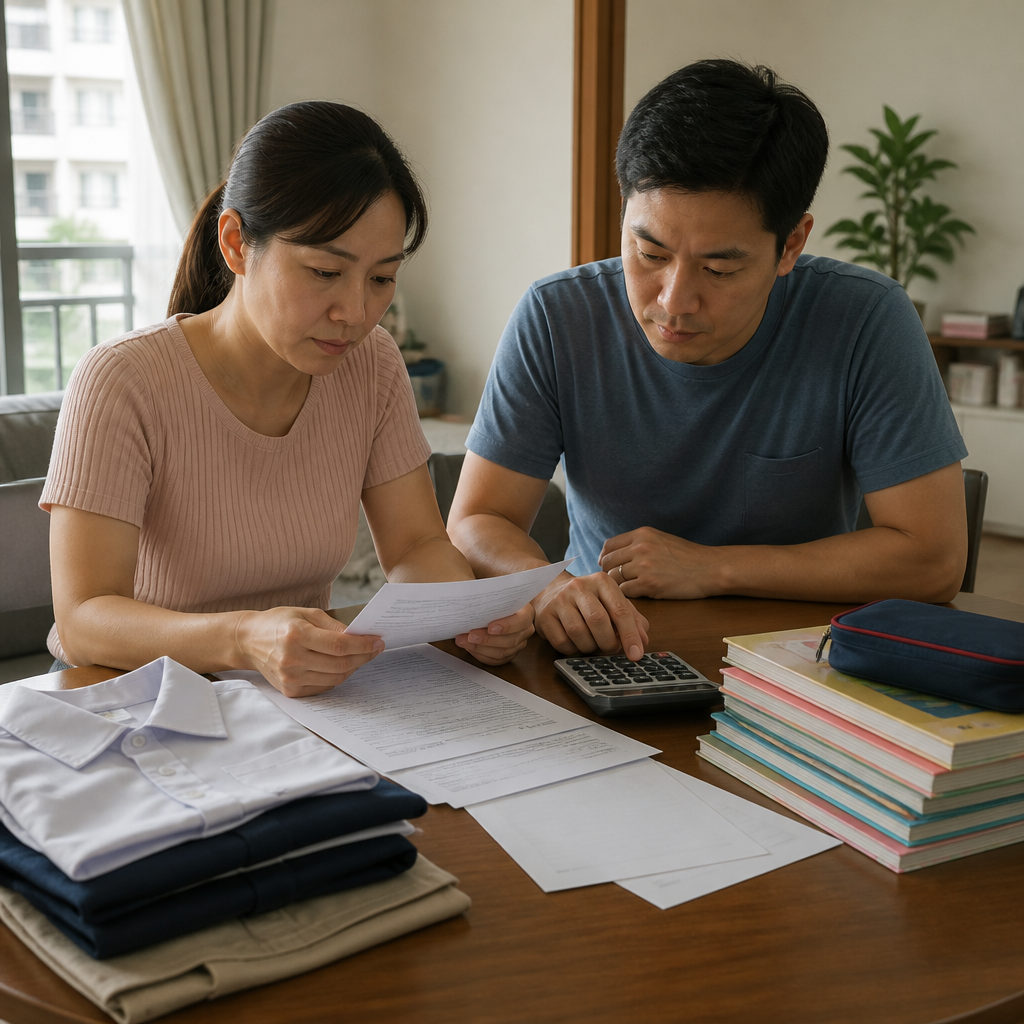
That is why this question, how much are primary school fees in Singapore, usually is not about one number. Parents are often trying to understand the full monthly picture, not just the official fee line. There are school fees, miscellaneous fees, optional charges, school-based items, and then the everyday spending that quietly becomes part of family life.
The good news is that MOE primary school fees are usually manageable to understand once you separate the parts properly. In this guide, we will break down what parents usually pay at government and government-aided primary schools, explain the difference between school fees and miscellaneous fees, and look at what changes depending on whether your child is a Singapore Citizen, Permanent Resident, or international student. As fees and policies can change, always check the latest details on MOE’s fees page and with your child’s school directly.
Key Takeaways
- School fees and miscellaneous fees are not the same thing. If you only look at the tuition-related part, you may miss the monthly charges that families actually see.
- Singapore Citizens usually pay the lowest amount. In many MOE primary schools, the main school fee is heavily subsidised or zero, but miscellaneous fees still apply.
- PRs and international students pay more. The difference can be substantial, especially in the school fee component.
- The real cost goes beyond the official fee table. Uniforms, books, transport, meal money, enrichment, and occasional activities can all add up.
- Government and government-aided schools follow MOE structures. Still, some smaller school-level costs may differ.
- It helps to budget across all six years. Costs can feel light at first, then rise later with exam preparation, CCA, learning support, and sometimes tuition.
- Always check the latest official figures. MOE fee policies can change, especially for PRs and foreign students.
The Short Answer On Primary School Fees
When parents ask how much primary school fees are in Singapore, the simplest answer is this: it depends on your child’s citizenship and which fee component you mean.
At MOE government and government-aided primary schools, the amount is usually split into three parts.
School fees
This is the basic tuition-related fee charged by the school system. For Singapore Citizens, this is usually the most heavily subsidised part, and in many cases at government and government-aided primary schools, the school fee itself is very low or zero.
For Permanent Residents and international students, this is usually where the biggest difference appears. So when one parent says primary school is almost free, that may be true for their situation, but not for every family.
Miscellaneous fees
These are monthly charges collected on top of school fees. They may cover services and resources used across the school. This is often the part that catches parents off guard. Even when the school fee is low, miscellaneous fees are still payable.
Other school-related costs
Official fee tables do not always reflect what families actually spend month to month. Uniforms, textbooks, assessment books, art materials, transport top-ups, recess money, and occasional enrichment or learning activities all shape the real cost.
For the latest official fee categories, refer to MOE’s financial matters page and the MOE primary school overview.
What Parents Are Actually Paying For
A lot of the confusion is not just about the amount. It is about the labels. Many parents see a deduction and wonder what exactly it covers.
Here is the easiest way to think about it.
What school fees usually mean
School fees are the core amount charged for attending the school. In MOE primary schools, this is the main category that varies significantly by student type. For citizens, it is usually very affordable. For PRs and foreign students, it can be much higher.
That is why two children in the same class may cost their families very different amounts each month.
What miscellaneous fees usually cover
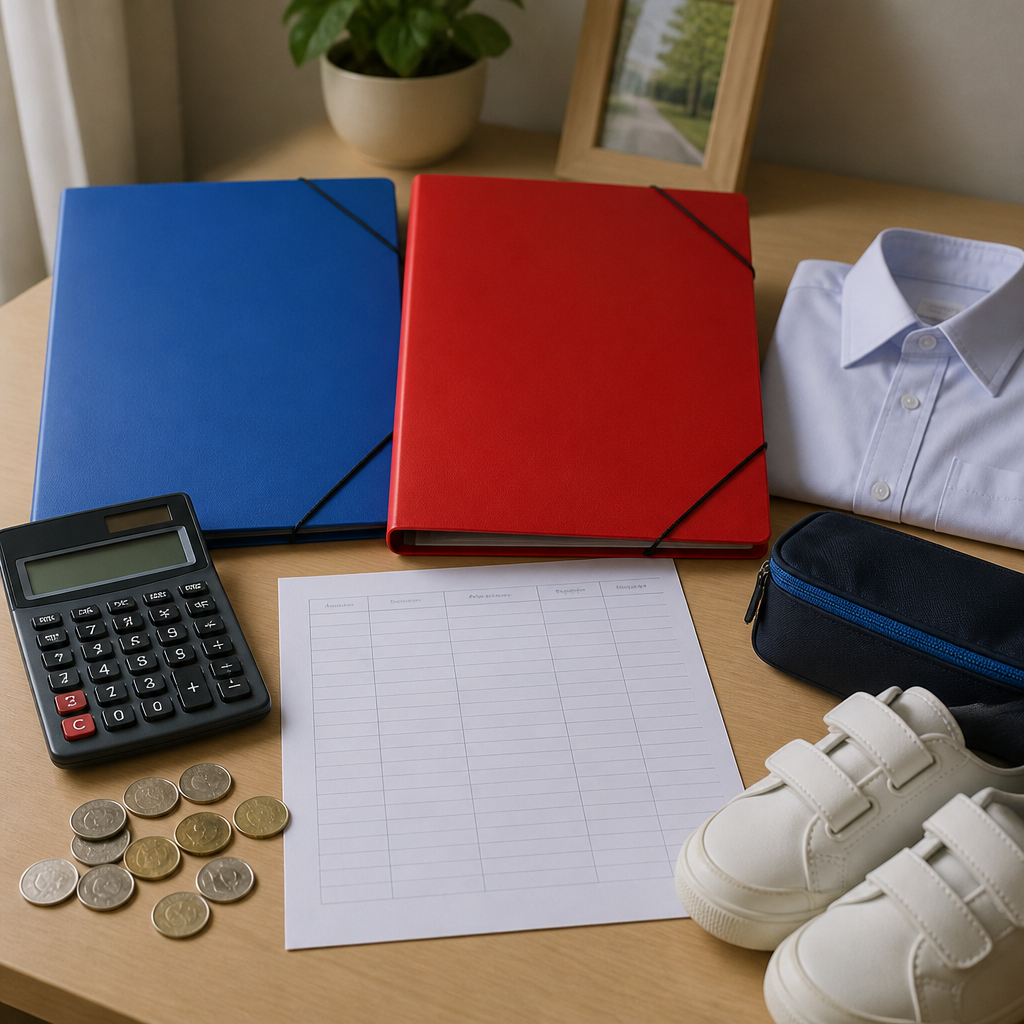
The MOE miscellaneous fee structure matters because these charges are often payable even when the school fee itself is low. Parents sometimes assume “miscellaneous” means optional. Usually, it does not feel optional in practice, because it forms part of the regular monthly amount.
A common pattern among parents is this: they budget based on the school fee, then realise the GIRO deduction includes another layer of charges they had not fully accounted for.
Why this distinction matters for budgeting
If you only look at the school fee, you may underestimate the real monthly cost. If you only look at the GIRO amount, you may assume the school fee itself is high when it is actually the miscellaneous portion making the total look bigger.
That difference matters when you are planning for siblings, comparing school expenses, or deciding whether there is room in the budget for after-school care or tuition. If your child later needs support in English, Math, or Science while juggling school demands, it may help to explore practical options such as primary school tutors early, before exam stress builds.
What Singapore Citizen Families Can Expect
For parents searching for primary school fees for Singapore Citizens, the overall picture is still the most favourable among all student groups in MOE primary schools.
Citizens usually pay the lowest official school fees
In government and government-aided primary schools, Singapore Citizens receive the strongest subsidy support. In practical terms, this often means the school fee itself is minimal or zero, depending on the school category and current MOE policy.
That sounds reassuring, and for many families it is. But it can also create the impression that primary school costs are almost nonexistent, which is not always how it feels month to month.
Citizens still pay miscellaneous fees and daily school costs
This is where many new parents feel slightly caught off guard. Even if the core school fee is low, there are still miscellaneous fees and ordinary school-life expenses.
Tutors often notice that parents are not usually shocked by one big payment. It is the steady stream of smaller school costs that feels harder to track.
What citizens should budget for in real life
A practical budget for a Singapore Citizen child in primary school should include:
- Monthly school and miscellaneous fees. Even when the school fee is zero, standard charges may continue throughout the year.
- Textbooks and stationery. These are usually most noticeable at the start of the school year.
- Uniforms and shoes. Children grow quickly, and replacements are common.
- Transport or school bus costs. Even a nearby school can still involve recurring transport spending.
- Pocket money for meals. Recess spending may seem small daily, but it becomes part of the real monthly budget.
- Occasional programme or activity charges. These may include enrichment sessions, class photos, learning journeys, or school events.
- Optional academic support. Not every child needs tuition, but some families eventually spend on extra help, especially in upper primary.
Parents of older children often notice a shift. The official school fees may still be low, but PSLE preparation can bring extra spending on revision materials, assessment books, or tuition. So yes, the school remains affordable, but the full primary school journey is not completely cost-free.
Why PR And Foreign Student Fees Feel Very Different
The biggest fee shock often happens among families who are Permanent Residents or international residents. If you are checking monthly primary school fees for PRs and foreigners, it helps to expect a very different cost structure from the start.
PR fees are higher than citizen fees
Permanent Residents generally pay more in school fees at MOE primary schools. On top of that, they still pay miscellaneous fees. So while a citizen family may mainly notice the miscellaneous amount, a PR family often sees a more substantial monthly bill.
This can feel especially heavy if there is more than one school-going child at home.
Foreign student fees are usually much higher
For international students, MOE primary school fees can be considerably higher than for both citizens and PRs. This is often the point where parents realise that “public school is cheap” is not a universal experience.
Compared with many international schools, MOE school fees may still look lower. But within the local system, foreign student fees are still a separate budget reality.
Why current rates matter
This is one area where older forum posts and second-hand advice can be misleading. Fee revisions for PRs and foreign students do happen. So if you are asking about primary school fees in Singapore for a non-citizen child, it is wiser to verify than assume.
Always check current figures with MOE’s official fee page and, where relevant, the school.
The Costs Beyond Official Fees
This is often what parents really want to know. Not just the fee table, but the lived monthly cost of primary school.
Everyday costs add up quickly
Even in a reasonably affordable MOE primary school, regular spending often includes:
- Textbooks and stationery. These are often front-loaded at the start of the year.
- Uniforms and shoes. These are rarely one-time purchases.
- Transport. School bus, public transport, or a parent’s own commuting cost all count.
- Recess money. Small daily amounts still become a regular monthly expense.
- School activities and enrichment. These may not happen every month, but they still shape the yearly cost.
One useful way to think about this is to separate fixed and variable costs. Fixed costs are the recurring monthly items such as GIRO deductions or a regular school bus arrangement. Variable costs are the less predictable items like replacement shoes, project materials, class photos, or a last-minute learning journey payment. Families usually cope better when they budget for both, instead of treating every extra charge as a surprise.
Upper primary can feel more expensive
Technically, the school fee structure may not change dramatically from Primary 1 to Primary 6 within the same school category. But many parents feel upper primary costs more because school life becomes heavier.
A common pattern among students is that things look manageable in lower primary, then become more demanding in Primary 5. The fee table may not shift much, but the family’s academic spending often does.
Budgeting calmly, not fearfully
It helps to budget for likely costs without assuming every child will need every extra. Some families react to uncertainty by signing up for multiple enrichment classes too early. That can create pressure without solving the real problem.
More spending does not always mean better support. Sometimes a child needs targeted help, not a packed schedule.
Government vs Government-Aided Schools
For this topic, many parents worry whether one MOE school type is much more expensive than the other.
The broad fee structure is similar
In general, both government and government-aided primary schools follow MOE fee frameworks. That means school fees and miscellaneous fees are not set like private market prices.
That is reassuring for parents who are worried that choosing one MOE school over another could dramatically change the monthly cost.
Small practical differences can still appear
Even if the core fee structure is standardised, schools may differ slightly in expectations around certain programmes, materials, or activities. Usually, these are not huge differences, but they still matter when you are trying to budget realistically.
The official fee may be the same, but the day-to-day spending experience may not feel identical.
What to check with the school directly
If you are comparing schools, these are the practical questions worth asking:
- What are the current monthly school and miscellaneous fees?
- Are there regular non-monthly charges families commonly pay?
- What should parents budget for at the start of the year?
- Are there school-specific programme costs?
- How are fees collected?
It can also help to ask how the school communicates payment deadlines, whether bookshop purchases are handled on campus, and whether there are recommended but non-compulsory items that parents often end up buying anyway. These details sound small, but they make budgeting much easier.
How To Budget Across Primary 1 To Primary 6
The most helpful way to think about primary school education costs in Singapore is not as one fixed number, but as a six-year journey with changing pressure points.
Primary 1 and 2 bring heavier setup costs
The monthly fee may not be the hardest part in the early years. What often hits first is setup spending. New uniforms, bags, bottles, books, labels, and transport arrangements tend to arrive all at once.
For first-time parents, this can feel overwhelming even when each item is relatively ordinary.
Primary 3 and 4 feel steadier, but extras begin
By middle primary, some setup costs ease. But this is often when other spending becomes more visible. Children may join more activities, need replacement items, or start showing subject weaknesses.
Primary 5 and 6 often shift spending toward academics
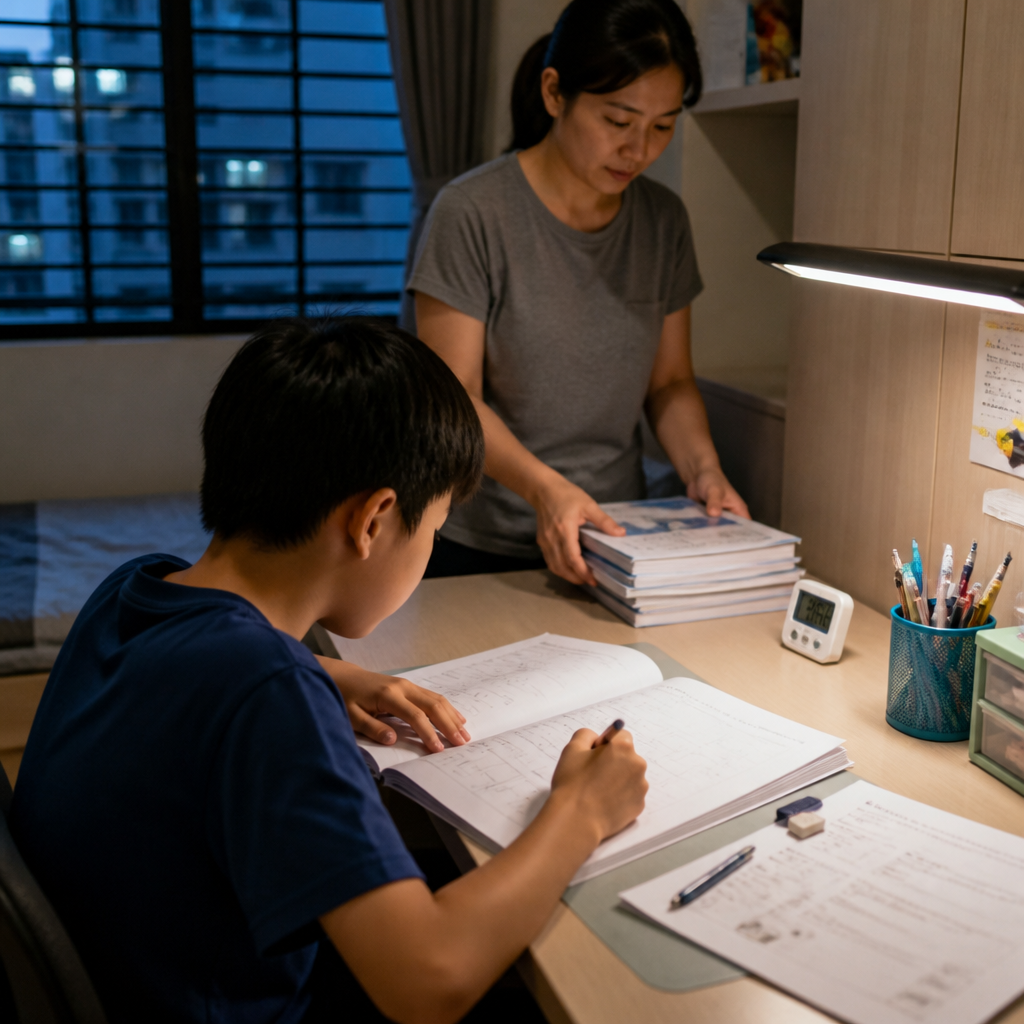
The question of school fees still matters, but upper primary families often discover that support outside school becomes the bigger financial issue.
Some children cope well with school alone. Others need targeted help, especially in Math problem sums, comprehension, or Science open-ended questions. If you find your child’s school workload increasing and home revision turning tense, you can learn more about private home tuition options here.
A simple family budgeting habit can help across all six years: review school spending once per term instead of only when a payment notice appears. That makes it easier to spot patterns, such as rising transport costs, repeated replacement purchases, or growing academic expenses before they become stressful.
Frequently Asked Questions
Is primary school free in Singapore for Singapore Citizens?
Not completely in the everyday sense. The core school fee in MOE government and government-aided primary schools is heavily subsidised for Singapore Citizens, often to a very low level or zero, but miscellaneous fees and other school-related costs still apply.
What is the difference between school fees and miscellaneous fees?
School fees are the main tuition-related charge for attending the school. Miscellaneous fees are additional regular charges collected for school-related services and operations. Many parents notice the total deduction first, then realise it is made up of separate components.
Are PR and foreign students charged the same as citizens?
No. PRs and foreign students generally pay higher primary school fees than Singapore Citizens, especially in the school fee component. Miscellaneous fees may still apply on top of that.
Do primary school fees stay the same from Primary 1 to Primary 6?
The official fee structure may remain broadly similar within the same school category, but real-life spending often changes. Upper primary can feel more expensive because families may spend more on revision materials, transport needs, activities, or tuition support.
Are there financial assistance options for families who need help?
Some families may qualify for school fee support or broader financial assistance schemes, depending on citizenship status, household circumstances, and school policies. If affordability is a concern, it is worth checking MOE guidance and speaking directly with the school early rather than waiting until payments become difficult to manage.
Where should I check the latest fee information?
Check the latest official information at MOE’s fees page and the MOE primary school overview. You can also confirm school-specific payment details directly with the school, because policies and charges may change.
Conclusion
So, how much are primary school fees in Singapore? The honest answer is that it depends on citizenship status and whether you are looking only at official school fees or at the fuller monthly reality. For Singapore Citizens in MOE government and government-aided primary schools, the core fee is usually highly affordable, but miscellaneous fees and everyday school costs still matter. For PRs and international students, the monthly amount is significantly higher, which makes current MOE fee checks especially important.
If the numbers felt confusing at first, that is completely normal. Many families only realise the difference between school fees, miscellaneous fees, and ordinary school-life expenses once the bills start appearing. A calm, realistic budget usually works better than either panic or overly optimistic assumptions.
As policies and fee structures can change, always verify the latest details with MOE and your child’s school. And if you want extra academic support while managing your child’s primary school workload, learn more about our primary school tutors or contact us here.