


Introduction
It is 10.45pm, your teen says they are “almost done” with homework, their phone is still beside them, and the alarm is set for 5.50am because school starts early again tomorrow. If that scene feels painfully familiar, you are not alone. Many Singapore parents quietly wonder how much sleep a teenager needs, especially when Secondary school, JC, CCA, tuition, tests, and screen time all seem to squeeze the night shorter.
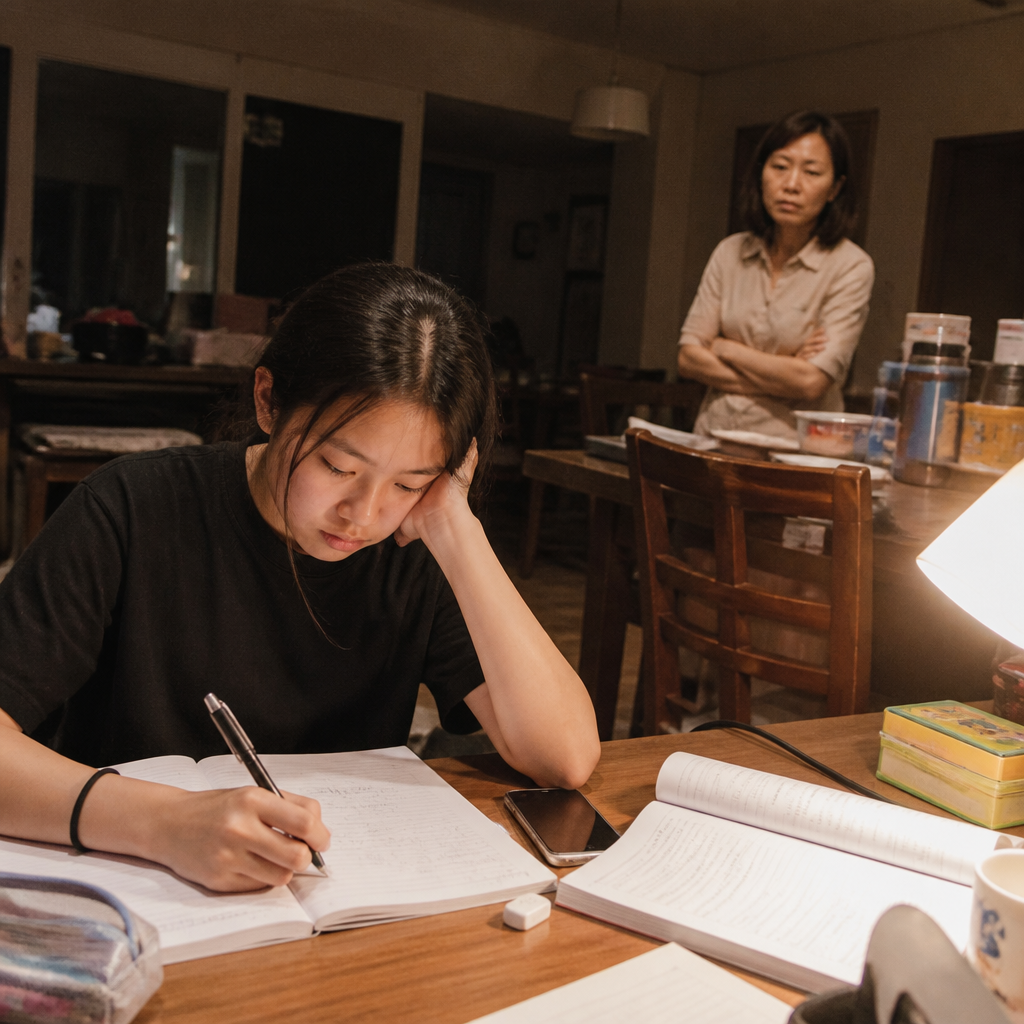
The short answer is simple, most teenagers need 8 to 10 hours of sleep each night. In real life, many do not get anywhere near that on school nights. That gap matters more than parents sometimes realise. Tired teens do not just yawn more. They can become irritable, forgetful, slower to process information, and much harder to wake in the morning.
In this guide, we will look at how many hours of sleep a secondary school teenager needs, why so many Singapore teens are sleep deprived, what the warning signs can look like at home and in school, and how to help your teen sleep earlier without turning every night into an argument.
Key Takeaways
- Most teenagers need 8 to 10 hours of sleep. This is the recommended range for adolescents, including many Secondary school and JC students in Singapore.
- School-night routines in Singapore often cut sleep short. Early reporting times, homework, CCA, tuition, and late-night device use can push bedtime too late.
- Sleep loss affects more than energy levels. A sleep-deprived teen may become moody, unmotivated, forgetful, slower in class, and more emotional at home.
- Exam periods do not reduce sleep needs. Sleep becomes even more important when revision intensifies because memory and focus suffer when sleep drops.
- Trying to force an immediate early bedtime often backfires. A gradual shift is usually more realistic than suddenly demanding lights out much earlier.
- Home habits make a real difference. Device cut-off times, lighter evening caffeine habits, and calmer routines can help teens sleep more consistently.
- Persistent sleep problems need attention. If your teen has extreme daytime sleepiness, ongoing insomnia, or difficulty functioning, it is worth speaking to a doctor or qualified professional.
How Much Sleep Do Teenagers Need?
The core answer is the same in Singapore as elsewhere, most teenagers need 8 to 10 hours of sleep each night. According to adolescent sleep guidance commonly referenced by health authorities such as HealthHub, that range supports learning, mood, memory, physical recovery, and mental well-being.
How many hours of sleep does a secondary school teenager need?
If you are asking how many hours of sleep a secondary school teenager needs, a practical target is usually at least 8 hours, with 9 hours often being more ideal for many teens. Some adolescents function reasonably at the lower end of the range, but many look “lazy” or “uncooperative” simply because they are chronically underslept.
Consider a Secondary 3 student who wakes at 6am, leaves home by 6.30am, stays back for CCA, reaches home at 6.45pm, eats dinner, does homework, attends online tuition, then scrolls on TikTok to unwind. Even if lights go out at 11.30pm, they are getting only around 6.5 hours of sleep. That is well below what most teenagers need.
Why Singapore teens often fall short
School nights here are often packed from morning to late evening. Some teens also struggle to fall asleep early even when they are tired because adolescent body clocks naturally shift later during puberty. So the problem is not always defiance or poor discipline.
That is why the better question is not just, “Can my child survive on 6 hours?” but, “Can my child learn well, regulate emotions, and stay healthy on 6 hours?” For most teens, the answer is no.
Why Many Singapore Teenagers Are Not Getting Enough Sleep
Parents often spot the symptoms before they name the cause. Your teen becomes hard to wake, snaps at small comments, forgets simple instructions, and says they are “fine” while dragging themselves through the week. These are common signs of not getting enough sleep for school.
The weekday squeeze is real
In Singapore, sleep often gets crowded out by fixed demands. School starts early. CCA can run late. Homework may stretch longer than expected. Tuition fills the remaining gap. By the time your teen finally has “free time”, they are mentally wired and reluctant to sleep because the day never felt like their own.
Tutors often notice this pattern clearly. Some students come for evening lessons looking prepared on paper but mentally foggy. They reread the same question, make careless mistakes they normally would not make, or forget material they understood the week before. It is not always a content problem. Sometimes it is plain exhaustion.
Sleep debt builds quietly
One late night may not seem serious. But repeated short nights add up. A teen who sleeps 6 hours from Monday to Thursday may try to catch up by sleeping till noon on Saturday. That can help a little, but it does not fully undo the effects of weekday sleep deprivation. It can also push their body clock even later, making Sunday night miserable and Monday morning worse.
A common pattern among students is this cycle: they are tired, so they work more slowly. Because they work more slowly, they sleep later. Because they sleep later, they become even more tired the next day.
Signs Your Teen Is Not Getting Enough Sleep
Not every tired-looking teenager is sleep deprived, but the pattern often shows up in both school and home life. The signs can look behavioural before they look medical.
Morning battles and daytime mood changes
If waking your teen feels like a daily emergency, that is worth noticing. So is the student who falls asleep in the car, on the sofa after dinner, or during quiet study time but then becomes oddly alert at 11pm.
Here are some common signs parents tend to notice first:
Parents sometimes read these behaviours as discipline problems first. Sometimes they are. But very often, poor sleep is sitting underneath the behaviour.
School performance can slip before grades crash
A teenager does not need to be failing to be affected by poor sleep. Sometimes the warning signs are subtler. Class participation drops. Revision becomes repetitive but unproductive. The teen studies hard yet cannot recall what they memorised.
In exam years, some parents think sleep can wait until after the papers. Unfortunately, memory consolidation happens during sleep. A tired teen may spend extra hours revising but remember less of it the next day.
How Sleep Affects Learning, Mood, And Exams
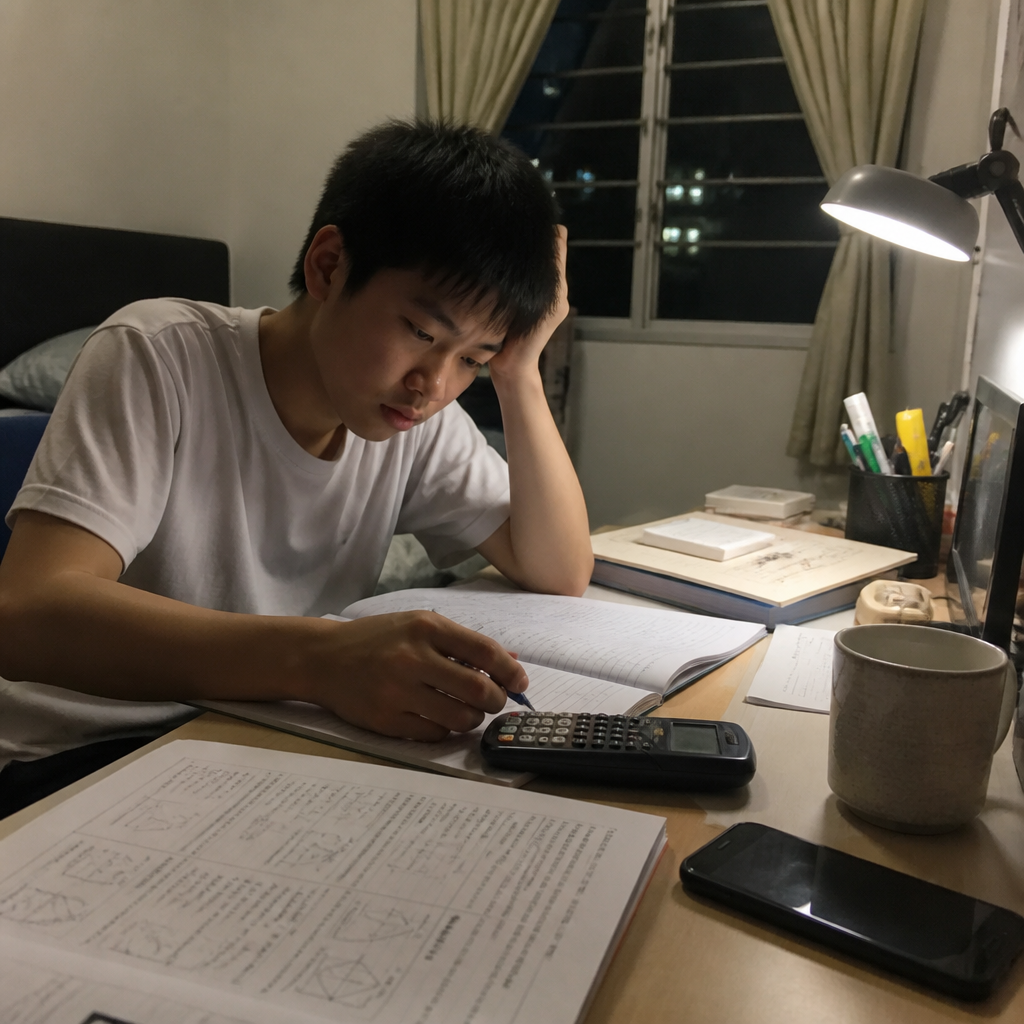
When parents ask how much sleep a teenager needs, they are often really asking something deeper, is my child’s tiredness hurting them? In many cases, yes.
Sleep and school performance are closely linked
A teen who is short on sleep may still sit at the desk for long hours, but the quality of work often drops. Comprehension slows. New information does not stick as easily. Attention drifts during lessons, especially in the first few periods of the day. In subjects like Maths and Science, where multi-step thinking matters, fatigue increases careless mistakes.
In language-heavy subjects, sleep deprivation can show up differently. Your teen may know what they want to say but struggle to organise ideas clearly. During oral practice or timed writing, tired students often give flatter responses, miss detail, or panic more easily.
Sleep matters even more during exam season
The recommended sleep duration for teens does not suddenly drop because the timetable gets intense. If anything, sleep becomes more important during exam periods. Parents sometimes allow or encourage very late-night studying because it feels productive. But a teen revising until 1am may be trading short-term comfort for weaker memory, poorer concentration, and more emotional volatility.
If your teen is overwhelmed by school demands and the schedule has become too packed to sustain healthy rest, it may help to get supportive academic help that eases stress and frees up time. You can learn more about suitable tuition support here: private home tuition support.
How To Help A Teenager Sleep Earlier On School Nights
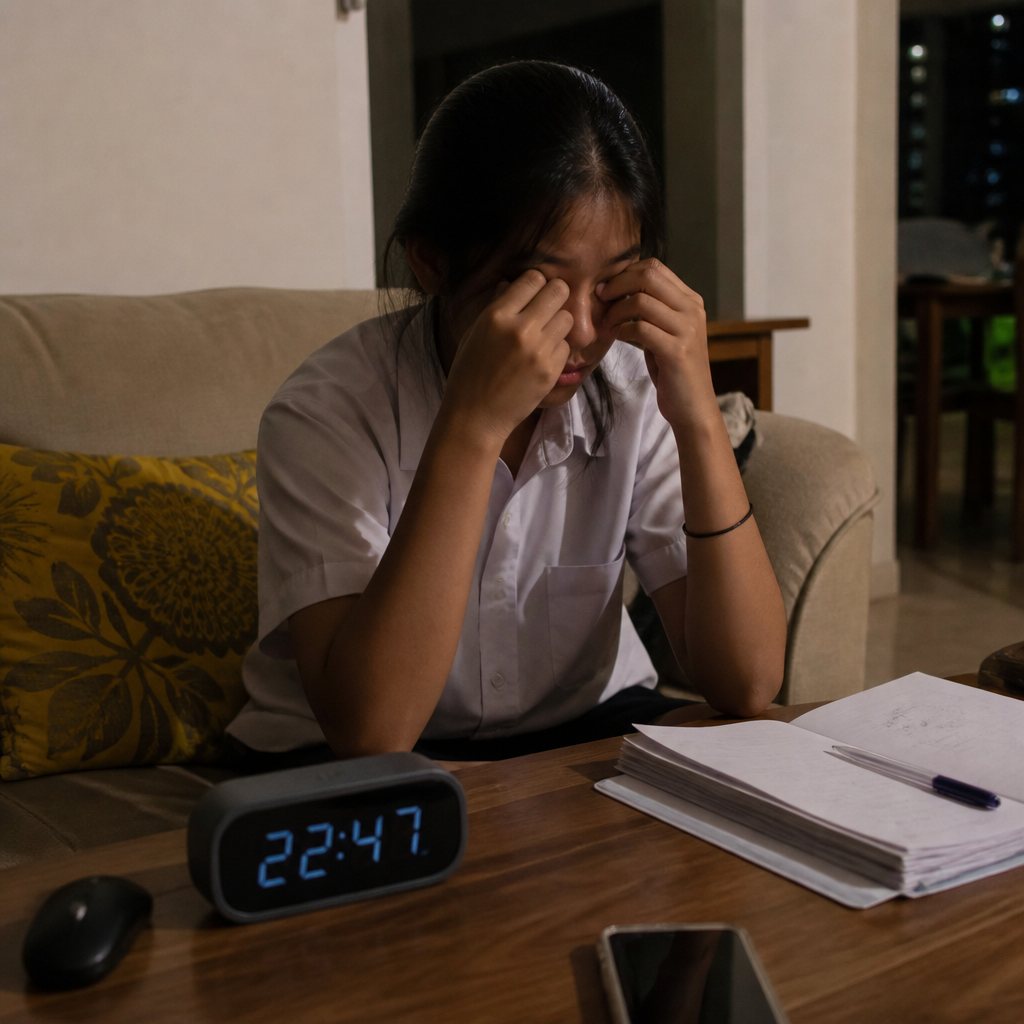
This is often the hardest part. Parents know their teen is tired, but every attempt to fix bedtime turns into tension. If you are wondering how to help a teenager sleep earlier, the answer is usually not stricter scolding. It is a mix of routine, timing, and reducing the things that keep the brain switched on.
Shift bedtime gradually, not suddenly
If your Secondary school teen usually sleeps at 12.15am, demanding lights out at 10pm rarely works. They may lie there frustrated, then return to their phone. A more realistic approach is to move bedtime earlier by 15 to 20 minutes every few nights.
For example, if your child sleeps at 11.45pm, aim for 11.25pm first. Once that feels manageable, move to 11.05pm. Small shifts are easier for the body clock and create less resistance.
Reduce stimulation before bed
Late-night phone use is not just a discipline issue. It keeps the mind alert. Group chats, gaming, short videos, and unfinished school messages all signal the brain to stay engaged. A device cut-off time can help, but it works better when it is practical and predictable.
A calmer approach often works better than repeated reminders:
Teens are usually more willing to cooperate when they feel the rule is about helping them feel better, not about controlling them.
A Realistic Bedtime Routine For Sleep-Deprived Teens
The best bedtime routine for a sleep-deprived teenager in Singapore is not fancy. It is repeatable, calming, and realistic enough to survive a normal school week.
What a workable routine can look like
A useful bedtime routine might start 45 to 60 minutes before sleep:
- Finish heavier schoolwork earlier if possible. Leaving the most stressful tasks to the final hour of the night keeps the brain alert and makes it harder to wind down.
- Shower and prepare for the next day. Packing the bag, setting out the uniform, and checking the timetable reduce last-minute stress and make the next morning smoother.
- Put the phone away and dim the room lights. This creates a clearer signal that the day is ending and helps reduce mental stimulation.
- Choose a quieter activity before bed. Light reading or simple review is usually better than a stressful timed practice paper or emotionally charged social media scrolling.
What may backfire
Some common tactics sound sensible but create more stress.
When To Seek Extra Help
Sleep needs can vary slightly. Some teens genuinely function better with a little more or a little less within the healthy range. But ongoing problems should not be brushed off as “just being a teenager”.
Signs that need closer attention
Do consider medical or professional advice if your teen has:
- Extreme daytime sleepiness even after what seems like enough sleep.
- Persistent difficulty falling asleep or staying asleep.
- Loud snoring or breathing concerns during sleep.
- A sharp drop in mood, motivation, or daily functioning.
You can also check student well-being resources at MOE and general health information at HealthHub.
Sometimes the real issue is overload
Not every sleep problem starts in the bedroom. Sometimes the schedule itself has become too heavy. A teen finishing school, CCA, tuition, and homework late every night may simply not have enough margin to rest. In those situations, support matters more than pressure.
If academics are taking too much time and causing nightly stress, parents can explore targeted help that reduces revision struggles and gives back some evening time. You can find out more here: private home tuition support.
Frequently Asked Questions
Is 6 hours of sleep enough for a teenager in Singapore?
For most teenagers, no. While some may seem to function on 6 hours for short periods, it is generally below the recommended range of 8 to 10 hours. If your teen is constantly moody, unfocused, or impossible to wake on school days, lack of sleep may be playing a bigger role than it appears.
How many hours of sleep does a secondary school teenager need during exam season?
The answer is still about 8 to 10 hours, even during high-stress periods. Sleep supports memory, concentration, and emotional regulation. Cutting too much sleep may make revision feel longer without making it more effective.
How can I help my teenager sleep earlier without fighting every day?
Start with small, realistic changes. Move bedtime earlier gradually, reduce late-night phone use, limit caffeine in the evening, and create a simple wind-down routine. A calmer system usually works better than a nightly confrontation.
My teen sleeps a lot on weekends. Is that normal?
It can be a sign they are carrying sleep debt from the school week. Catch-up sleep is common, but very large differences between weekday and weekend sleep may also make Monday mornings harder. In most cases, it is better to improve school-night sleep than rely on weekend recovery alone.
When should I worry that my teen’s sleep problem is something more serious?
If your teen has persistent insomnia, extreme daytime sleepiness, very low mood, or struggles to function despite enough time in bed, it is wise to speak to a doctor or qualified professional.
Conclusion
So, how much sleep does a teenager need in Singapore? In most cases, about 8 to 10 hours a night. That is the clearest answer, even if real family life makes it hard to achieve. For many Singapore teens, the real challenge is not knowing the number. It is fitting enough sleep around early school starts, homework, CCA, tuition, and the pull of late-night screen time.
If your teen is tired, moody, forgetful, or struggling to wake for school, do not assume it is attitude alone. Sleep loss often sits quietly underneath those daily battles. A gentler bedtime routine, a gradual shift to earlier sleep, and a less overloaded evening schedule can make a meaningful difference.
And if school demands are making healthy routines feel impossible, extra academic support may help take pressure off the family. If your teen is feeling overwhelmed by school demands, learn more about our tutors for supportive academic help that can ease stress and free up time for healthier routines: contact us for private home tuition.