


Introduction
If you have ever found yourself opening multiple tabs, asking friends for advice, and still feeling unsure about Primary 1 registration, you are in very good company. For many first-time parents, figuring out how to apply for primary school in Singapore can feel far more intense than expected. There are phases, school choices, documents, address details, and just enough talk about balloting to make the whole thing feel heavier than it should.
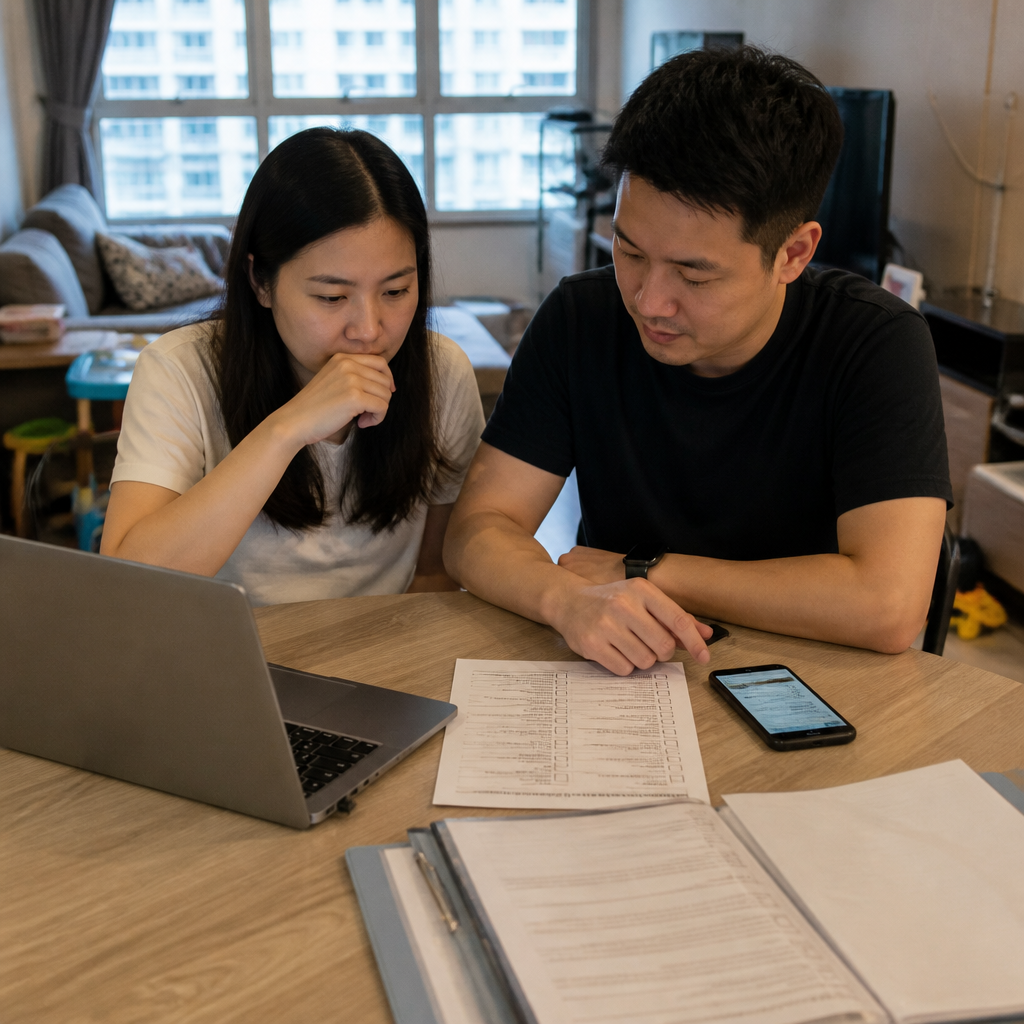
The reassuring part is this, the process usually becomes much clearer once you break it down into a few manageable steps. You do not need to understand every possible scenario on day one. What helps most is knowing what usually applies, what to prepare early, and where to look when you need to confirm details.
This guide is for parents who want a broad, steady walkthrough of Primary 1 registration in Singapore, from checking eligibility to waiting for the outcome. We will keep exact dates, detailed balloting rules, and distance calculations brief, so you can focus on the bigger picture first.
Key Takeaways
- Start early, even before registration opens. Primary 1 registration usually happens in the year before your child starts school. Early preparation gives you time to understand phases, shortlist schools, and gather documents without rushing. Even a simple checklist can make the process feel much less intimidating.
- Check eligibility first. Before thinking about school choice, make sure your child is eligible for Primary 1 registration and that you understand who is supposed to submit the application. This avoids wasted time comparing schools before confirming the basics.
- Your registration phase matters. The registration phase affects when you can apply and what options may be available. This is one of the first things to clarify because it shapes the rest of the process, including how cautious you should be with backup choices.
- Shortlist schools realistically, not emotionally. A school may sound impressive, but commute, family routine, and backup options matter too. A practical shortlist often reduces stress later if your first choice is oversubscribed or less workable than expected.
- Prepare documents and address details early. The documents needed for a primary school application in Singapore can take time to organise, especially if there are special family circumstances or address updates to sort out. Getting this done early prevents avoidable last-minute panic.
- Submit carefully, then be ready to wait. Before sending in your registration, double-check names, addresses, and school choices. After submission, you may need to wait for confirmation or, in some cases, a balloting outcome.
- Keep the process separate from academic panic. Primary 1 application is mainly about registration and school placement. Gentle preparation for school confidence can come later, without turning this stage into unnecessary pressure for your child or your family.
Start With Eligibility And Who Registers
Before comparing schools, pause and settle one basic question first, is your child eligible for the coming Primary 1 registration exercise? It sounds simple, but many parents skip this and go straight into school research.
Who usually registers for Primary 1
In most cases, a parent handles the Primary 1 registration process. If you are the child’s parent or legal guardian, you will usually be the one managing the application, preparing the supporting information, and submitting it in the correct phase.
That matters because registration is not just about filling in a form. It also means taking responsibility for accurate personal details, address information, and any supporting documents required. Grandparents or helpers may help with daily logistics, but the application itself needs careful handling by the person responsible for the child’s registration.
Why eligibility should be checked early
A very common source of stress is assuming everything is straightforward, only to realise later that there is an issue with documents, residency details, or the registration phase. That is why any MOE Primary 1 registration guide for first-time parents should begin with eligibility.
Primary 1 registration usually happens in the year before the child enters Primary 1. Exact dates and requirements can change, so it is best to check the latest information directly on MOE’s Primary 1 registration page.
Even when your child is eligible, some family situations can affect what you need to prepare. If your family has recently moved, is in the middle of an address change, or has custody arrangements that affect documents, it is much better to sort that out early than to rush near submission day.
Understand Which Registration Phase Applies To Your Family
If there is one part of the Primary 1 registration process that tends to confuse first-time parents most, it is the phase system. You do not need to memorise every rule straight away, but you do need to know which phase your family may fall under. That one detail shapes when you can register and how carefully you need to plan your options.
Why phase eligibility matters so much
Different families apply under different phases. So even if two parents are looking at the same school, they may not be applying under the same conditions.
This is why casual advice can be misleading. A neighbour may say, “We got in quite easily,” but their family may have qualified for an earlier phase that does not apply to yours. Tutors often notice that parents become more anxious when they compare outcomes without comparing the phase behind those outcomes.
Keep the phase check simple at first
At this stage, your job is not to master every scenario. It is simply to identify which Primary 1 registration phase may apply to your family, then read the official criteria carefully.
If a parent has an older child already in the school, or has a recognised connection to the school, that may affect the phase. If not, you may be looking at a later phase. That changes how you shortlist schools and how cautious you should be with backup choices.
Parent chats and online summaries can be useful as a starting point, but they often mix personal experience with outdated information. A calmer approach is to check the official explanation on MOE’s website, then compare it against your own family situation.
A helpful mindset for understanding phases
One useful way to think about phases is not as a test you need to “win,” but as the structure MOE uses to organise registration fairly. That mindset can reduce a lot of unnecessary stress. Your goal is not to force your family into a category that does not fit. Your goal is to understand where you stand, then make sensible decisions from there.
For many first-time parents, anxiety rises when they start reading about every possible phase, exception, and special case all at once. Usually, that is more information than you need at the beginning. Start with the phase that most likely applies to your family, confirm the criteria, and only go deeper if your situation requires it.
Choose A Primary School With Daily Life In Mind
Once you know your likely registration phase, school shortlisting becomes a lot more grounded. This is also the point where many parents feel torn. You want to make a good choice, but every option can start to feel loaded with meaning.
That pressure is understandable. Still, a school choice works best when it fits both your child and your family’s daily rhythm.

Think beyond school reputation
When parents ask how to choose the right primary school in Singapore, reputation often comes up first. That is natural. But a school that looks ideal on paper may be much harder to live with day after day if the commute is long or the household routine is already stretched.
A common pattern among families is this, the excitement of getting into a preferred school can fade quickly if mornings become exhausting from the start. A school fit is not just about image. It is also about whether your child can manage the routine without starting every day tired and rushed.
Build a realistic shortlist, not a dream list
It helps to have a shortlist with a first choice and sensible alternatives. Not because you are expecting the worst, but because having only one emotionally loaded option makes the whole process harder.
Here is a practical way to think about your shortlist:
You can use the official MOE SchoolFinder to explore schools in a more systematic way instead of relying only on hearsay.
Questions worth asking when shortlisting
If you feel stuck, ask a few practical questions. How long will the morning commute be? Who will handle drop-off and pick-up? Will the routine still work if one parent has a busy work period? Is your child likely to cope well with an early start and travel time?
These questions may sound ordinary, but they often matter more than parents expect. A school that supports a calmer household routine can make the transition into Primary 1 much smoother for everyone.
Prepare the Documents Early to Avoid Last-Minute Stress
Ask parents what worries them most about registration, and many will mention the phases. In reality, documents also cause a surprising amount of stress. A missing record, mismatched name, or unclear address detail can turn a simple task into a very tense week.
What to prepare before registration opens
The exact documents needed for a primary school application in Singapore can vary depending on your situation, so always confirm the latest list through MOE. In general, be ready to verify your child’s identity details, parent details, and address information where required.
This matters even more if your family situation is less straightforward. If there has been a recent move, a pending property arrangement, or a legal guardianship matter, do not assume it will be easy to settle at the last minute. A little preparation early on can save a lot of unnecessary stress.
Why address details deserve extra attention
Distance can affect priority in some oversubscription situations, so address details should not be treated casually. We will not go deeply into distance checking here, but it is enough to say that the declared address matters.
One mistake parents make is assuming they can tidy up address issues later. Sometimes they can, but often not without added stress. If your family has recently shifted, or is planning to move soon, check what documentation is needed and what address should be used for registration purposes.
Avoid the last-night scramble
Most parents can picture this too easily, it is late, one parent is searching through old files, the other is checking whether the spelling on a document matches the form exactly, and everyone is already tired. That is the kind of pressure early preparation helps you avoid.
A simple folder, digital or physical, can make a big difference. Put likely registration documents in one place before the application window opens. Even if only some of them are eventually needed, you will feel much steadier when the time comes.
Follow the Primary 1 Registration Process Step by Step
Once eligibility, phase, school shortlist, and documents are clearer, the actual registration process often feels much less intimidating. Many parents realise at this point that the hardest part was not the form itself. It was the uncertainty before it.
A simple order to follow
For first-time parents, this broad sequence usually makes the process easier to manage:
What to double-check before clicking submit
Before final submission, slow down and check names, identification details, school selection, and address information. It sounds basic, but tired parents do make mistakes, especially when juggling work, childcare, and preschool routines.
It also helps to talk through school choices calmly with your spouse or co-parent before submission day. Sometimes the real disagreement is not about the school itself. One parent may be thinking about convenience, while the other is thinking about reputation. It is much easier to sort that out earlier than during a rushed final check.
Keep a simple record after submission
After you submit, keep screenshots, confirmation emails, or any reference numbers in one place. This is a small habit, but it can be very useful if you need to check what was submitted or refer back to the application later. It also gives peace of mind during the waiting period, because you are not relying on memory alone.
What Happens After You Submit the Application
After submission, many parents hope for immediate certainty. Usually, that is not how it feels. There is often a waiting period, and if a school is oversubscribed, there may be additional steps before the outcome is confirmed.
Confirmation, oversubscription, and balloting
Once your application is submitted, the next step is to wait for the result for that phase. If the number of applicants does not exceed the available places, the outcome may be straightforward. If there are more applicants than vacancies, balloting may happen.
It helps to keep this in perspective. Balloting is part of the process in some situations, not a sign that you have done anything wrong. Oversubscription can happen, especially for more popular schools, which is exactly why backup planning matters.
Why backup thinking matters emotionally
This is where a realistic shortlist really helps. A parent who is emotionally attached to only one school often feels every bit of uncertainty more intensely. A parent who has already thought through backup options usually finds it easier to stay calm.
That does not mean you care less. It simply means you have prepared yourself for the process, not just the ideal outcome.
After placement is confirmed
Once school placement is settled, you can move on to the next stage, uniforms, routines, transport, and helping your child settle into Primary 1. Academic preparation does not need to take over this moment. In fact, many children adjust better when the transition feels steady rather than pressurised.

If your child would benefit from gentle support before Primary 1 begins, you can learn more about our primary school tutors or contact us here.
Common Mistakes First-Time Parents Make
No parent wants to make a costly mistake during school application, yet some patterns come up again and again. Usually, these mistakes do not come from carelessness. They come from stress, assumptions, or too much conflicting advice.
Treating hearsay as official guidance
A friend may mean well, but their experience may come from a different year, a different phase, or a different family situation. One of the most common missteps is following second-hand advice without checking the official source.
That is why the most reliable reference is still the information on the MOE website, used together with your own practical planning.
Focusing only on one “top” school
This can backfire both emotionally and practically. Families sometimes pour all their energy into one prestigious option without asking whether the daily routine is sustainable or whether there is a backup school they would also feel comfortable with.
Tutors often notice that children struggle not because the school itself is lacking, but because the family routine around school starts off exhausted and tense. Registration choices and later adjustment are more connected than many parents first realise.
Leaving preparation too late
From a distance, the process can look simple. Then a document issue appears, an address question comes up, or there is uncertainty about phase eligibility. Suddenly every small issue feels much bigger.
A calmer approach is usually the stronger one. Start early, verify carefully, and give yourself room to think instead of rushing every decision.
A Simple Planning Checklist for Parents
If you are the kind of parent who feels calmer with a checklist, keep one short and practical. You do not need a complicated spreadsheet unless that genuinely helps you. A one-page note is often enough.
Your checklist might include:
- Confirm child’s eligibility for the coming exercise
- Read the latest MOE registration information
- Identify your likely registration phase
- Shortlist preferred and backup schools
- Review commute and daily routine
- Gather likely documents
- Verify address details
- Agree on choices with your spouse or co-parent
- Submit carefully and save confirmation records
This kind of preparation does not remove every uncertainty, but it does reduce avoidable stress. Often, that is what parents need most.
Frequently Asked Questions
When should I start preparing for Primary 1 registration?
Ideally, start a few months before the registration exercise in the year before your child enters Primary 1. You do not need to settle everything immediately, but it helps to understand eligibility, likely phase, possible schools, and required documents early. That way, you are not trying to figure everything out at the same time.
Do both parents need to be involved in the registration?
Not always in a formal sense, but it is wise for both parents to be aligned on school choices, address details, and backup plans. A lot of last-minute tension happens not because the process is unclear, but because each parent was assuming different priorities.
Is home-school distance important for every application?
Not in every situation, but it can matter when a school is oversubscribed. Keep it in mind, but try not to get pulled too quickly into detailed distance rules before understanding the bigger picture. Start with your likely phase and broad school options first.
What if my preferred school is oversubscribed?
If there are more applicants than places, balloting may happen depending on the situation. This is exactly why it helps to have realistic backup options and not place all your hopes on one school alone. It is disappointing when uncertainty happens, but it is also a normal part of the process for some families.
Should I start tuition before Primary 1 registration?
Registration and academic preparation are separate issues. Your immediate focus should be on getting the application process right. If, later on, you feel your child may benefit from gentle support to build confidence for Primary 1, that can be considered without turning the registration stage into something more stressful than it needs to be.
Conclusion
Understanding how to apply for primary school in Singapore becomes much easier when you take it in the right order. First check eligibility, then understand your likely registration phase, shortlist schools realistically, prepare the necessary documents, submit during the correct phase, and wait for the outcome as calmly as you can.
You do not need to solve every detail at once. Many first-time parents feel pressure to understand phases, distance rules, and school choice all in one sitting, but the process is far more manageable when handled step by step. Keep your attention on what applies to your family, and always verify the latest details through official MOE sources.
If your child is preparing for Primary 1 and you want gentle academic support to build confidence and ease the transition, learn more about our primary school tutors.