


Introduction
One of the toughest parenting moments is this, your child comes home unusually quiet, says they do not want to go to school tomorrow, or suddenly cries over something that seems small on the surface. Most parents feel two things at once, worry for their child and uncertainty about what to do next.
If you are searching for how to deal with bullying at school, you probably do not want vague advice. You want to know what to say tonight, what to do tomorrow, and how to protect your child without accidentally making school even harder for them. In Singapore, school bullying can happen during recess, in class group dynamics, during CCA, or through repeated exclusion that adults may not immediately notice.
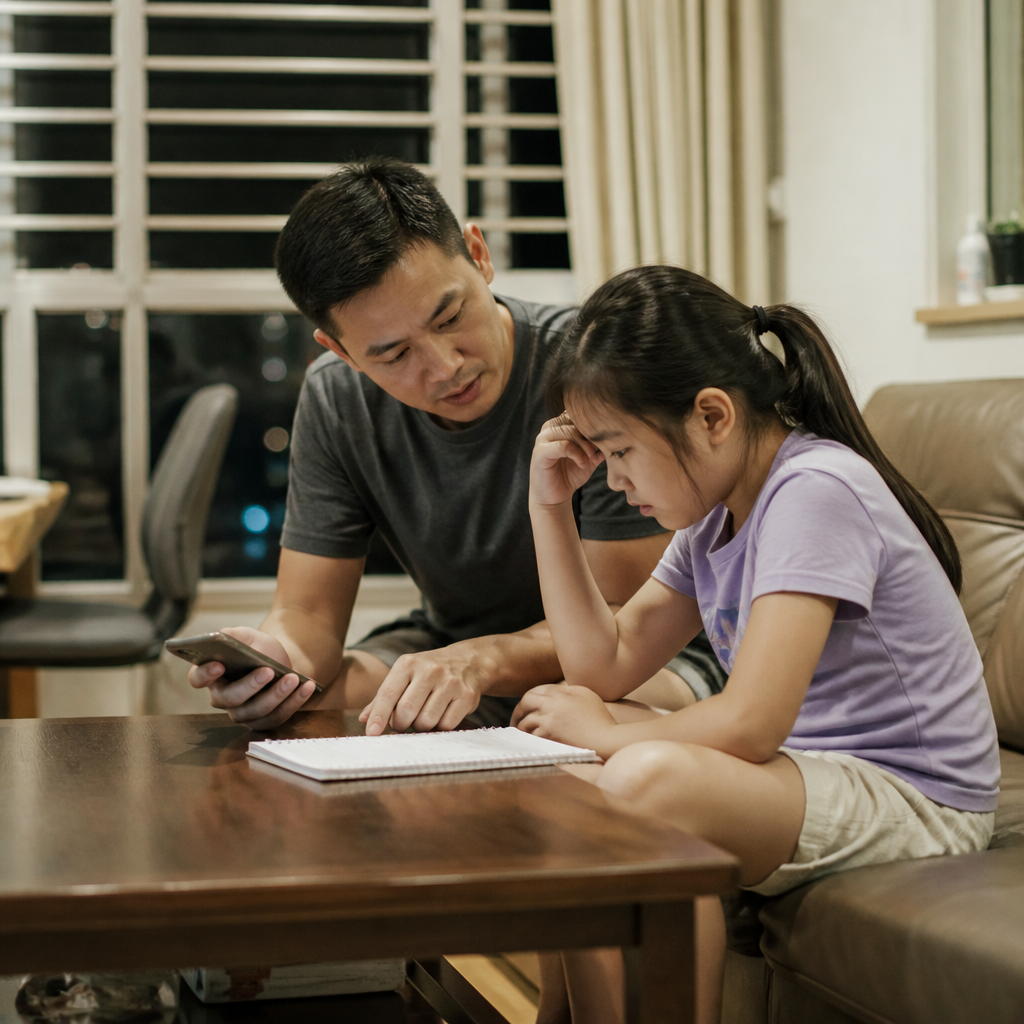
This guide is for parents of primary and secondary school children who need clear, practical steps on documentation, school communication, emotional support, and longer-term recovery.
Key Takeaways
- Start by staying calm and getting the full picture. Your child needs safety first, not a rushed reaction. A calm first conversation makes it more likely they will keep talking, especially if they already feel embarrassed or afraid.
- Look for patterns, not just one bad day. Common signs of bullying at school in Singapore include school refusal, missing items, sudden stomach aches, mood changes, and fear around recess, CCA, or certain classmates. One incident may be conflict, but repeated targeting usually points to something more serious.
- Document before you escalate. Dates, places, names, screenshots of school messages, and your child’s own words can help teachers act more quickly and accurately when you need to report bullying to the school. Clear records also reduce the chance of the issue being brushed off as a misunderstanding.
- Contact the school early, but respectfully. In most cases, start with the form teacher or year head, then involve the school counsellor or discipline team if needed. Clear facts and a cooperative tone usually work better than emotional accusations, even when you are understandably upset.
- Support your child beyond the incident itself. A child who is bullied may not just feel scared. They may also feel ashamed, distracted, and detached from learning. Recovery often involves both emotional reassurance and rebuilding routine, confidence, and trust.
- Avoid actions that can backfire. Directly confronting the other child or their parents, posting in parent chats, or forcing your child to “just fight back” can make school life worse the next day and increase social tension.
- Take long-term prevention seriously. Preventing bullying includes what happens at home too, from how siblings treat one another to how adults model conflict, respect, and empathy in everyday life.
When Your Child First Opens Up
That first conversation matters more than many parents realise. A child who finally says something is often testing whether it feels safe to keep going. If your reaction is too intense, too dismissive, or too full of questions too quickly, they may shut down.
What to say in the first conversation
A simple response often works best: “I’m glad you told me.” “This is not your fault.” “I’m going to help you.” These lines may sound basic, but they do something important. They lower panic and shame.
Try not to turn the moment into an interrogation. If your child says someone keeps mocking them during recess or hiding their stationery, slow the conversation down. Gentle prompts work better:
- “Can you tell me what happened today?”
- “Has this happened before?”
- “Where does it usually happen, in class, recess, CCA, or after school?”
These questions help you understand whether this was a one-off conflict or part of a repeated pattern.
If your child is crying, angry, or embarrassed, pause. Some children talk more easily while doing something else, like eating fruit, packing their school bag, or lying in bed. Parents often feel they must solve everything that same night. But sometimes the better first step is simply creating enough safety for a fuller conversation tomorrow.
What not to say
Some phrases sound practical to adults, but land badly with children.
In secondary school especially, many students already feel humiliated before they say anything. If they are being excluded by a class group, laughed at during presentations, or targeted in CCA, they may be terrified of looking weak. Supporting a child facing bullying often starts with protecting their dignity.
Signs Of Bullying Parents Often Miss
Bullying does not always look like obvious hitting or shouting. In many Singapore schools, it shows up as repetitive teasing, exclusion, taking belongings, mocking appearance or the way someone speaks, or turning the group against one child.
Behavioural and emotional signs at home
The signs are often indirect, which is why parents can miss them at first.
- Sudden school refusal on specific days. Your child may seem fine on weekends but complains of stomach pain every Monday, or dreads the day of a certain CCA.
- Mood shifts after school. A child who used to talk freely may go silent, snap during homework, or cry over small mistakes.
- Missing or damaged items. Water bottles, files, worksheets, and pencil cases may keep “going missing”.
- Changes in eating or sleeping. Some children lose appetite before school. Others cannot settle at night because they are already worrying about the next day.
These signs can easily be mistaken for exam stress, friendship drama, or puberty. Sometimes it is a mix. Tutors often notice that a child who used to answer confidently suddenly keeps saying, “I don’t know,” even when they do know the work. That drop in confidence can be one of the quieter effects of bullying.
School-related warning signs
Watch for patterns linked to school routines:
- They ask to skip recess, change CCA, or avoid group work.
- They suddenly want to be picked up more often.
- They become fearful about PE, assembly seating, or dismissal time.
- They say they are being “joked about” all the time, but insist it is “nothing”.
If your child says classmates “just play only” but clearly dreads going to school, pay attention to the emotional reality, not just the label they use.
Another sign parents sometimes miss is a sudden change in social habits. A child who used to message friends after school may stop checking class chats, avoid birthday parties, or ask to quit activities they once enjoyed. In older students, bullying can also show up as over-monitoring social media, deleting posts, or becoming extremely anxious about what peers are saying online. Even when the behaviour happens outside school hours, it can still affect how safe your child feels in school the next day.
Document The Problem Before You Escalate
When emotions are high, it is natural to want to call the school immediately. Sometimes that is necessary, especially if there is immediate danger. But very often, good documentation makes the next step much more effective.
What to record
If you need to report bullying at school, keep a simple log.
For example: “Tuesday, 7 May, after recess near the canteen. Two classmates called him names and knocked his file down. He said this has happened three times this term. He skipped going back to class for a few minutes because he was crying.”
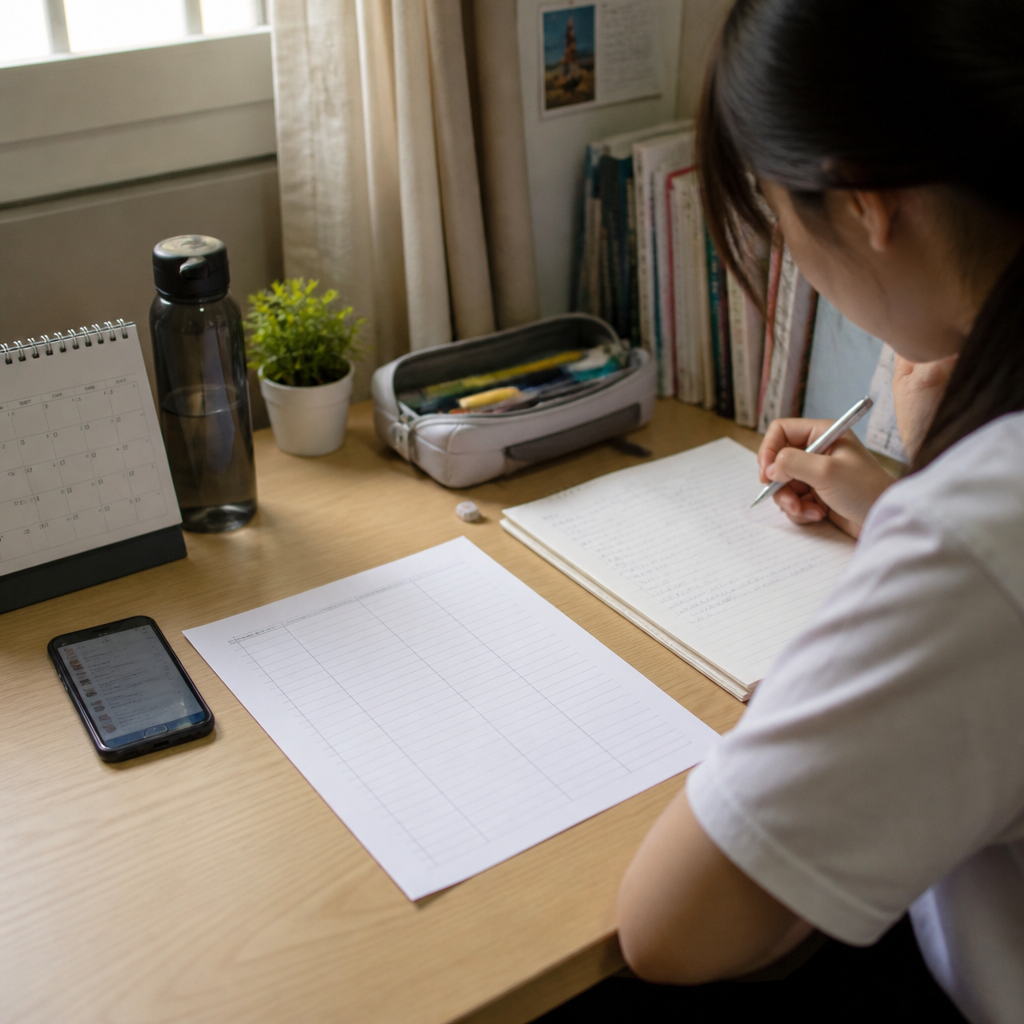
That kind of detail helps the school investigate patterns, not just isolated complaints.
Why documentation matters
Teachers are managing many students and may not witness subtle bullying directly. A clear record helps them identify timing, locations, supervision gaps, and repeated behaviour. It also reduces the chance of the issue being dismissed as “just friendship issues” when there is a sustained pattern.
If there are physical injuries or damaged belongings, photograph them. If there are school communication records related to the issue, save them. If the harassment is happening online between schoolmates, keep separate screenshots and raise that clearly as a related but distinct issue.
It also helps to note what your child has already tried. For example, did they move seats, tell a teacher, avoid a certain area, or ask the classmate to stop? This gives the school a clearer picture of both the pattern and the urgency. Keep your notes factual rather than dramatic. You are building a timeline, not writing a legal argument.
How To Contact The School Effectively
This is where many parents feel stuck. You want to be firm, but you also do not want your child labelled as troublesome. You want quick action, but you still need the school’s cooperation.
Who to contact first
In most cases, start with the form teacher. For secondary school, it may also make sense to contact the year head or the teacher directly involved in the setting where the bullying happens, such as a CCA teacher. If the issue is affecting your child’s emotional wellbeing, ask whether the school counsellor can be involved.
A practical first message should:
- State that your child has reported repeated bullying.
- Summarise the key incidents briefly.
- Ask for a conversation and support plan.
- Mention any immediate safety concerns.
This usually works better than sending a long emotional message late at night accusing the school of negligence. Being calm does not mean being passive. It means giving the school something clear they can act on.
What to ask during the meeting
When you speak to the school, keep the discussion focused on protection and follow-up. Useful questions include:
- What information can the school verify so far?
- Who will monitor the situation, and in which settings?
- How will my child access help if something happens during the school day?
- Can seating, recess arrangements, class grouping, or CCA supervision be adjusted temporarily?
- When will you update me again?
These questions move the conversation from general concern to practical action.
If your child’s confidence or school engagement has already been affected, gentle outside support can also help. Learn more about our tutors for steady academic support and routine while they recover: Private Home Tuition Support
When To Escalate A Bullying Report
Most school concerns can be handled through internal channels, but there are times when parents need to escalate calmly and appropriately.
A reasonable escalation path
A common path looks like this:
For a broader understanding of school values and student development, parents can refer to MOE’s Character and Citizenship Education page. If there are wider concerns about child safety and speaking up, MSF’s Break the Silence resources may also be useful.
When escalation is necessary
Escalate faster if there is:
- Physical harm or threats.
- Repeated targeting despite earlier reports.
- Serious emotional distress, panic, or self-harm risk.
- Unsafe spaces that remain unaddressed.
- Retaliation after reporting.
Stay factual. “My child has reported repeated incidents over three weeks, and I’m concerned the current measures are not keeping him safe during recess,” is usually much stronger than, “Your school never does anything.”
Helping Your Child Recover At Home
Handling the school side is only half the work. The other half happens at home, often late in the evening, when your child is tired, homework is still waiting, and their confidence is at its lowest.
Rebuild emotional safety first
A child who has been bullied may become clingy, irritable, or unusually perfectionistic. Some stop volunteering answers in class because they are afraid of being laughed at. Others insist they are fine, then break down over spelling corrections or a small Math mistake.
What usually helps most is simple and steady:
- Keep routines predictable. Dinner, shower, revision, and bedtime should feel steady when school feels shaky.
- Lower unnecessary pressure temporarily. If your child is already bracing themselves through the school day, a nightly battle over one extra assessment paper may not be the most helpful priority.
- Build one area of competence. This could be reading, a sport, drawing, or a manageable tuition session where they feel capable again.
A common pattern among students is that bullied children can look “lazy” academically when they are actually mentally overloaded.
Coach without overwhelming them
Some children benefit from practising simple responses. Not dramatic comebacks, just grounded lines like, “Stop it,” “That’s not funny,” or “I’m telling the teacher.” But be careful not to turn your child into a nightly role-play project if they are already exhausted.
For teenagers, support often looks different. It may be more realistic to help them identify one safe friend, one safe teacher, and one safe place during recess than to expect them to suddenly become assertive in every social situation.
It can also help to check in without making every evening about the bullying. Some children want one short question such as, “How was recess today?” rather than a full debrief. Others prefer to talk only when something happens. Follow your child’s pace where possible. The goal is to keep the door open, not to make them relive the experience every night.
What To Avoid And How To Prevent Bullying At Home
Prevention and response are closely linked. The way conflict, respect, and teasing are handled at home shapes how children understand social behaviour outside the home too.
Actions that may make things worse
Some well-meaning reactions create more problems than they solve.
- Confronting the other child at the school gate.
- Messaging other parents aggressively in class chats.
- Forcing your child to “hit back”.
- Repeatedly asking for updates in a way that feels like pressure.
- Posting publicly about the school before facts are clear.
Effective anti-bullying strategies often look calmer than parents expect. Calm does not mean weak. It means you are trying to protect your child without adding fresh social fallout the next day.
Prevention starts at home
If you want to help prevent bullying, start with everyday behaviour at home:
- Notice how siblings speak to one another. Constant mockery can normalise humiliation.
- Watch adult modelling. Children pick up how adults talk about other people.
- Teach conflict language early. Phrases like “I didn’t like that”, “Please stop”, and “Let’s ask the teacher” give children alternatives to aggression or silence.
And if the uncomfortable truth is that your own child has been hurting others, face it directly. Do not only punish. Ask what is driving the behaviour. Are they copying a group, trying to gain status, or acting out stress? Consequences matter, but so does understanding the pattern and repairing harm.
Frequently Asked Questions
Should I tell my child to ignore bullying and focus on studies?
Not if the behaviour is repeated and affecting their sense of safety. Ignoring may work for one isolated rude remark, but it often fails when there is a pattern. If a child feels unsafe at school, concentration usually suffers too. In that situation, telling them to “just focus” can feel disconnected from what they are actually dealing with.
How quickly should I contact the school?
If there is physical harm, threats, or repeated incidents, contact the school promptly. If the situation is still unclear, you can first speak to your child and document details within a day or two. Waiting too long can make the pattern harder to trace, especially when the bullying happens in short moments between lessons, during recess, or around dismissal.
What if my child refuses to let me tell the teacher?
This is very common, especially in secondary school. Many students worry things will get worse if adults step in. Start by acknowledging that fear instead of arguing with it. Then explain that your job is to keep them safe, not to embarrass them. Where possible, involve them in deciding what can be shared and which teacher feels safest to approach.
How do I know whether it is bullying or just friendship conflict?
Ordinary conflict is usually more equal, occasional, and mixed, with both sides upset. Bullying tends to involve repetition, power imbalance, humiliation, exclusion, or targeting. If your child feels consistently unsafe or degraded, take it seriously even if everyone around them is calling it “just joking”.
Can tuition help if my child’s school confidence has dropped?
It can, if the support is gentle and does not become another source of pressure. After bullying, some children need a calm space to rebuild learning confidence and routine. If that is what your child needs right now, you can explore suitable help here: Private Home Tuition Support
Conclusion
Learning how to deal with school bullying is rarely about finding one perfect response. More often, it is about taking a series of steady, protective steps. Listen without blame. Look for patterns. Document carefully. Contact the school calmly and early. Escalate when needed. Just as importantly, help your child feel safe, believed, and supported at home.

For many families, the hardest part is not only the bullying itself, but what comes after. Confidence dips. Homework becomes a struggle. School starts to feel heavy. If your child’s confidence or school engagement has been affected, learn more about our tutors for gentle academic support and a steady routine while they recover: Private Home Tuition Support