


Introduction
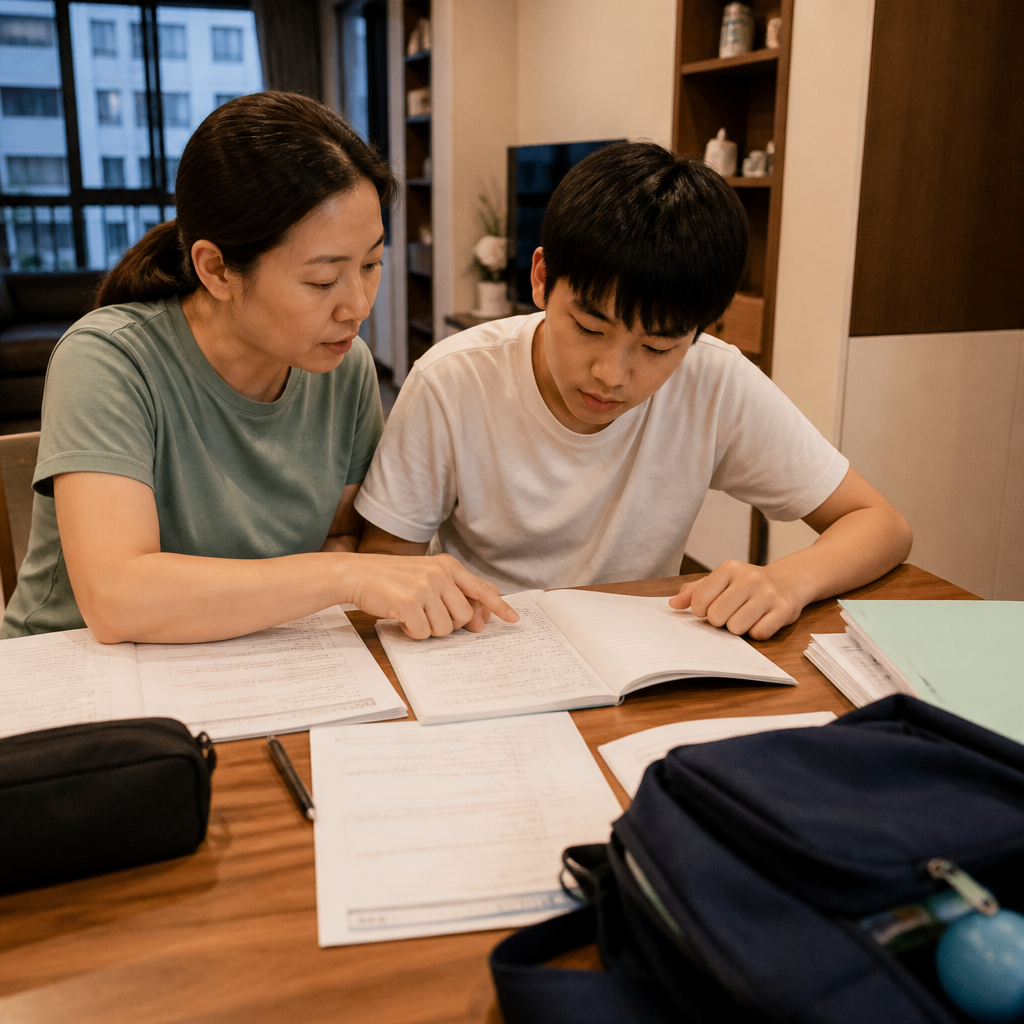
You can probably picture the scene. Your child is at the dining table, English worksheets spread out, school bag still half-unpacked, and the same question keeps coming up, “What exactly should I practise?” Or maybe you are the student, already trying hard, yet the marks do not seem to move. That is what makes English especially frustrating. Effort is there, but progress can feel blurry.
If you have been looking for ways to improve O Level English at home, the good news is that home-based improvement can work. But it usually works best when it is targeted, steady, and tied to the actual exam components, not just general advice like “read more” or “write more”.
The Singapore-Cambridge O Level English exam tests a mix of skills, not just grammar or vocabulary. A student can speak quite confidently but still lose marks in editing. Another may have strong essay ideas but struggle badly with comprehension inference. That is why improving O Level English at home in Singapore is really about building a practical routine across different paper components, instead of drilling the same type of practice again and again.
Key Takeaways
- Build around the actual exam components. O Level English improvement at home works best when revision targets editing, writing, comprehension, listening, and oral separately, instead of doing random English practice. This helps students see which skill is pulling their grade down and prevents wasted effort.
- A small weekly routine beats occasional cramming. Even 20 to 40 minutes a day can help if each session has a clear focus, such as one editing passage, one comprehension skill, or one oral practice prompt. Short, regular practice is usually easier to sustain during the school term.
- Reading alone is not enough. Reading helps, but students also need to notice how sentences are built, how arguments are developed, and how language choices affect tone and meaning. Without that active attention, reading stays general instead of becoming exam preparation.
- Parents can support without becoming the examiner. The most useful help often comes from structure, reminders, and calm discussion, not constant correction or pressure after every practice. A steady home routine matters more than turning every mistake into a lecture.
- Common mistakes are often repeated habits. Many students lose marks because they rush, copy blindly from passages, memorise model essays, or give oral answers that sound rehearsed rather than thoughtful. Spotting these patterns early makes revision much more effective.
- Self-study is enough for some students, but not all. If your child understands feedback, corrects mistakes independently, and improves steadily, home revision may be sufficient. If the same weaknesses keep returning, extra support may be worth considering.
Understand What The O Level English Exam Really Tests
Before deciding how to improve O Level English, it helps to get clear on what the exam is actually testing. English can feel broad, so many students revise in a vague way. They do “some reading”, “some writing”, and hope it all comes together. Usually, that is where frustration begins.
In reality, the paper tests several distinct skills. Students are assessed across writing, language use, comprehension, listening, and oral communication. You can check the latest exam details at SEAB and MOE.
Know the paper components before you plan revision
At home, revision should reflect the main components of the paper.
Once families see English this way, revision becomes much easier to plan. Instead of saying, “My child is weak in English”, you can ask a far more useful question, which component is pulling the grade down?
Why students struggle even when they study
This is a common pattern. A student spends hours on English, but much of that time is passive. Reading model answers is not the same as producing a good answer under timed conditions. Highlighting vocabulary does not mean the student can use those words naturally. Tutors often notice that students feel busy, but their practice is not always translating into exam skill.
School revision can also become rushed closer to prelims, especially when students are balancing CCA, other subjects, and plain tiredness. So if you are looking for a realistic parent guide to O Level English revision, start by identifying the specific weak area. That one step already makes home support far more focused.
Build A Weekly Home Routine That Actually Helps
When families ask how to improve O Level English without turning every evening into a battle, the answer is usually not “do more”. It is do the right things consistently.
A weekly routine does not need to be intense. In fact, if it is too ambitious, it usually collapses by the second week.
A realistic weekly study plan for English revision
Here is a practical structure that many Secondary students can manage at home.
The point is not to follow this perfectly every week. The point is to avoid random revision. A common pattern among students is that they keep choosing the easiest English tasks, then avoid the areas where marks are actually being lost.
Keep the routine sustainable
Real life matters. Some nights, by the time school, CCA, dinner, and homework are done, everyone is already exhausted. On those days, a 15-minute focused task is enough. Forcing a full essay at 10pm may look disciplined, but it often creates resentment more than improvement.
Parents sometimes worry they are not doing enough. But at home, structure usually matters more than pressure. Printing one practice paper, setting a timer, and calmly discussing one repeated mistake can be far more effective than constant reminders throughout the evening.
A useful habit is to decide in advance what “minimum effort” looks like on busy days. For example, if there is no time for a full comprehension practice, the student can still complete two inference questions or review one corrected paragraph. This keeps momentum going and prevents the all-or-nothing mindset that often derails revision.
Use Reading, Vocabulary, And Editing More Purposefully
“Read more” is probably the most common English advice students hear. It is not wrong, but it is incomplete.
Read with purpose, not just for exposure
Reading helps when students pay attention to how the writing works. If your child reads an opinion article, pause and ask simple but useful questions:
- What is the writer’s main argument?
- Which words make the tone sound critical, persuasive, or hopeful?
- How does the introduction pull the reader in?
That kind of reading supports both comprehension and writing. Without that active attention, reading stays general and does not become exam preparation.
Students can also rotate what they read. News features, commentaries, short stories, and personal essays expose them to different tones and structures. This variety is useful because O Level English does not reward only one style of language. It rewards flexibility, clarity, and awareness of purpose.
Build vocabulary through use, not memorisation alone
Many students keep a notebook of “good words” but rarely use them properly. Then one or two get forced awkwardly into an essay. It sounds unnatural, and it does not help much.
A better approach is to learn fewer words and use them repeatedly. If the word is “reluctant”, the student should write a sentence with it, say it aloud in an oral response, notice it in a passage, and use it again later in the week. That is how vocabulary becomes usable language, not just decoration.
It also helps to learn vocabulary in phrases rather than single words. Instead of memorising “significant”, a student might learn “a significant improvement”, “a significant factor”, or “significantly affected”. This makes it easier to use the word naturally in writing and speech.
Treat editing as a high-return practice area
Editing is one of the easiest components to practise in short bursts, which makes it ideal for weekdays. Over time, students begin to notice their own recurring errors. Some keep missing tenses. Others struggle with articles or subject-verb agreement. Quite a few simply rush.
An error log can help a lot here. If the same weakness appears across several practices, focus on that one area first. This is often one of the simplest ways to help a Secondary student improve English at home without trying to reteach everything.
Improve Writing Without Memorising Blindly
Writing is often where home tension builds fastest. Parents ask for more essays. Students feel discouraged because every script seems to come back with the same broad comment. “Develop your ideas.” “Be clearer.” “Use better expression.”
The answer is not always to write more full essays.
Strengthen situational writing through task awareness
In situational writing, marks are often lost before the student even begins the body paragraphs. The tone may be wrong. A bullet point may be missed. The purpose may not come through clearly.
Before writing, spend a few minutes asking:
- Who am I writing to?
- Why am I writing?
- What must be included?
- What tone fits this task?
That planning step sounds small, but it prevents many avoidable mistakes. If the task is to write to a principal or teacher, a casual tone can weaken an otherwise decent response.
Make continuous writing more manageable
Better essays do not always come from fancier words. Often, what students really need is clearer structure and more convincing development. A narrative without a believable turning point still feels flat. A discursive essay with broad claims but little support also struggles.
At home, break writing into smaller tasks:
- Plan three points for an argumentative essay.
- Write only the introduction and conclusion.
- Improve one weak paragraph from an earlier script.
- Rewrite one unclear sentence so the meaning becomes sharper.
This makes writing less overwhelming and gives feedback a better chance of sticking. For students who need more structured guidance with writing and revision habits, some families choose O Level tuition support as a complement to home practice, especially when school feedback feels too brief to apply independently.
One more useful strategy is to keep a small bank of adaptable examples rather than memorised essays. A student might prepare examples about teamwork, stress, technology, family expectations, or community issues. These can be adjusted to suit different essay questions without sounding copied or forced.
Strengthen Comprehension, Listening, And Oral At Home
Some students spend so much time on essays that they forget the other components can quietly pull the grade down.
Answer comprehension questions more precisely
Tutors often notice the same issue. Students know roughly where the answer is, but they still lose marks because they do not answer the exact question being asked.
A simple home approach can help:
- Underline the command word.
- Identify whether the question wants a reason, effect, inference, or evidence.
- Paraphrase before checking the passage again.
This reduces blind lifting. It also trains students to think about what the examiner is actually looking for.
Summary practice needs the same care. Many students either exceed the word limit or include details that do not directly answer the summary instruction. The real skill is not just finding lines, but selecting and condensing them.
Practise listening in short bursts
Listening comprehension is easy to neglect because it feels harder to revise for. But short practice can still help. Use a brief audio clip and ask the student to note key details such as numbers, reasons, opinions, or changes in tone.
This matters because some students panic after missing one detail, then lose focus for the next few questions too. Short, repeated practice can build better concentration.
Help oral answers sound natural and thoughtful
Oral can be stressful, especially for students who freeze during follow-up questions. Sometimes the issue is not weak English at all. It is fear, hesitation, or over-rehearsal.

At home, practise with familiar topics and keep the focus simple. A strong answer usually has a clear stand, a reason, and an example. Students who memorise too much often end up sounding stiff. In oral, natural thinking matters more than polished lines that do not quite fit the question.
A practical method is to use everyday conversation as low-pressure oral practice. Ask for an opinion during dinner, then prompt the student to explain why, give an example, and consider another viewpoint. This sounds informal, but it builds the same habits needed for clearer oral responses.
Know When Self-Study Is Enough And When Extra Help May Be Useful
Not every student needs extra lessons. Some do fine with school support, home practice, and steady discipline. If your child can understand feedback, correct mistakes properly, and show gradual improvement, self-study may be enough.
Signs home revision is working
Signs more structured support may help
Sometimes the issue is not effort. It is direction. Extra help may be useful if the same grammar and writing mistakes keep reappearing, if your child does the work but cannot explain corrections afterward, or if home revision turns into arguments every week.
When that happens, support can be helpful not as a magic fix, but as clearer structure and faster feedback. This is where home tuition for O Level English in Singapore can make a difference. A good tutor can help break down recurring weaknesses, set a revision rhythm, and make practice more purposeful. If your child needs that kind of support with revision routines, exam skills, and confidence-building at home, you can learn more here: Contact us for private home tuition.
Frequently Asked Questions
How much time should I spend each week to improve O Level English at home?
For most students, three to five focused sessions a week can be enough to make progress. That may mean 20 to 40 minutes on weekdays and a slightly longer review over the weekend. What matters most is not the number of hours, but whether the practice is focused and reviewed properly.
Can reading books alone improve O Level English?
Reading helps, but it is usually not enough on its own. O Level English also tests editing, task fulfilment, comprehension, listening, and oral response. A student may enjoy reading and still lose marks in summary or situational writing. Reading works best when it supports targeted exam practice.
How can parents help if they are not confident in English themselves?
You do not need to be an English expert to support your child. You can help by setting a routine, making sure practice gets done, asking your child to explain an answer, and encouraging calm discussion at home. Even simple support, like timing a practice or checking whether all parts of a question were answered, can make revision more consistent.
What is the biggest mistake students make when revising for O Level English?
One of the biggest mistakes is relying too much on passive revision. Reading model essays, highlighting notes, and copying vocabulary can feel productive, but they do not always build exam skill. Another common mistake is over-memorising for writing and oral. Relevance, clarity, and natural expression matter more than rehearsed content.
How do I know if my child needs extra English tuition?
Look at the pattern over time, not just one test score. If your child is putting in effort but the same weaknesses keep returning, and revision at home feels confusing or tense, more structured support may help. If progress is steady and your child can respond to feedback independently, self-study may still be enough.
Conclusion
Learning how to improve O Level English at home is less about doing everything and more about doing the right things consistently. A focused weekly routine, regular editing practice, purposeful reading, better writing habits, and realistic oral preparation can all add up over time.
For parents, the goal is not to become the English teacher at home. It is to create enough structure and calm support so your child knows what to practise and why it matters. For students, steady effort usually beats last-minute panic, especially when each session targets a real exam skill.
If your child needs more structured support with home revision, exam techniques, and confidence-building, learn more about our O Level English tutors here: Private home tuition for O Level English.