


Introduction
One week, everything feels under control. Then somehow by Thursday, your wallet feels lighter, your EZ-Link top-up is running low, and a few “small” purchases have quietly eaten into the rest of your allowance. For many students in Singapore, that pattern feels very familiar.
Figuring out how to manage money as a student in Singapore can feel harder than it sounds. Your allowance or part-time income may look enough at the start of the week, then transport, lunch outside school, drinks, online shopping, and that “just once” supper after studying all start adding up.
If you are in Secondary School, JC, Polytechnic, ITE, or university, money stress can quietly affect daily life. Some students start skipping meals to save money. Others feel paiseh about turning down outings, or keep telling themselves they will save next month instead. The good news is this, student budgeting does not need to be extreme to work. What helps most is usually a simple system you can actually stick to.
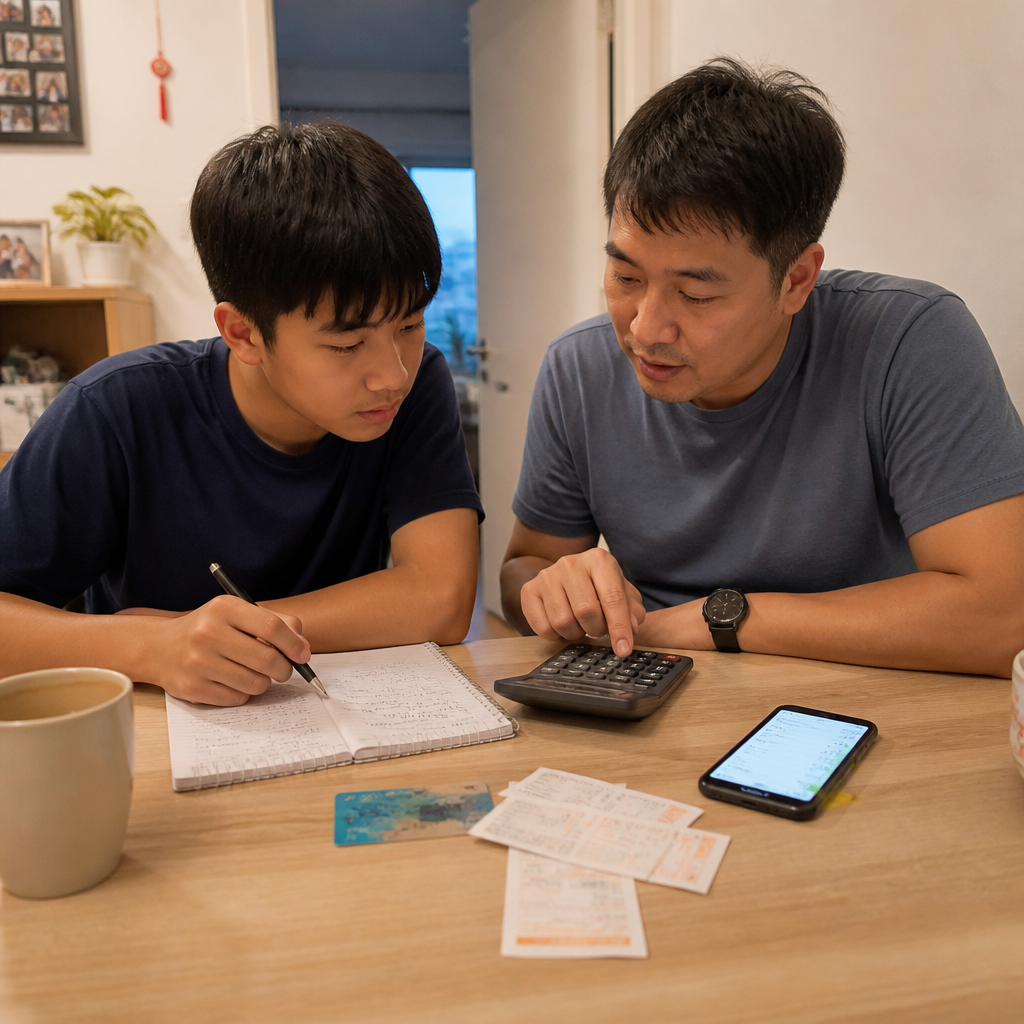
This guide explains how students in Singapore can budget realistically, with practical examples for school canteen meals, EZ-Link transport, mobile bills, supplies, and social spending.
Key Takeaways
- Start with what you really spend, not what you hope to spend. Many students underestimate “small” daily costs like drinks, snacks, bus rides, and printing. Tracking one to two weeks honestly gives you a much more usable budget because it shows where your money actually disappears.
- Separate needs from wants without being too strict. Transport, meals, and school materials come first. Bubble tea, gaming top-ups, and impulse online buys are fine sometimes, but they should fit into a limit so they do not crowd out essentials.
- Use a weekly budget if your money disappears too quickly. A monthly plan sounds mature, but many students overspend early. Breaking your money into weekly amounts makes it easier to control and easier to reset if one week goes off track.
- Different school stages need different budgeting styles. Secondary school students often manage allowance, JC students juggle exam costs and longer days, while poly, ITE, and university students may handle irregular spending and part-time income. Your budget should match your routine, not someone else’s.
- Cashless spending can make overspending feel invisible. Tapping a card or using a payment app feels painless, which is exactly why many students lose track. A spending log helps bring back awareness and makes digital spending feel more real.
- Saving works better when the goal is specific. “I want to save money” is vague. “I want $120 for exam books, a new calculator, or a class outing” is easier to commit to because the purpose feels immediate and practical.
- A simple system beats a perfect one. You do not need fancy budgeting apps or complicated spreadsheets. Even a phone note with categories can be enough if you update it consistently and review it once a week.
Know Where Your Money Actually Goes
Before trying to fix your budget, pause and look at your real spending habits. This is the part many students avoid, mostly because it can be uncomfortable. What feels like only $2 here and $3 there can easily turn into $30 or $40 by the end of the week.
Track one normal week first
Start with seven days. Write down everything, even the purchases that feel too small to matter or a bit embarrassing to admit.
For many students, the problem is not one huge expense. It is repeated small spending that feels harmless in the moment.
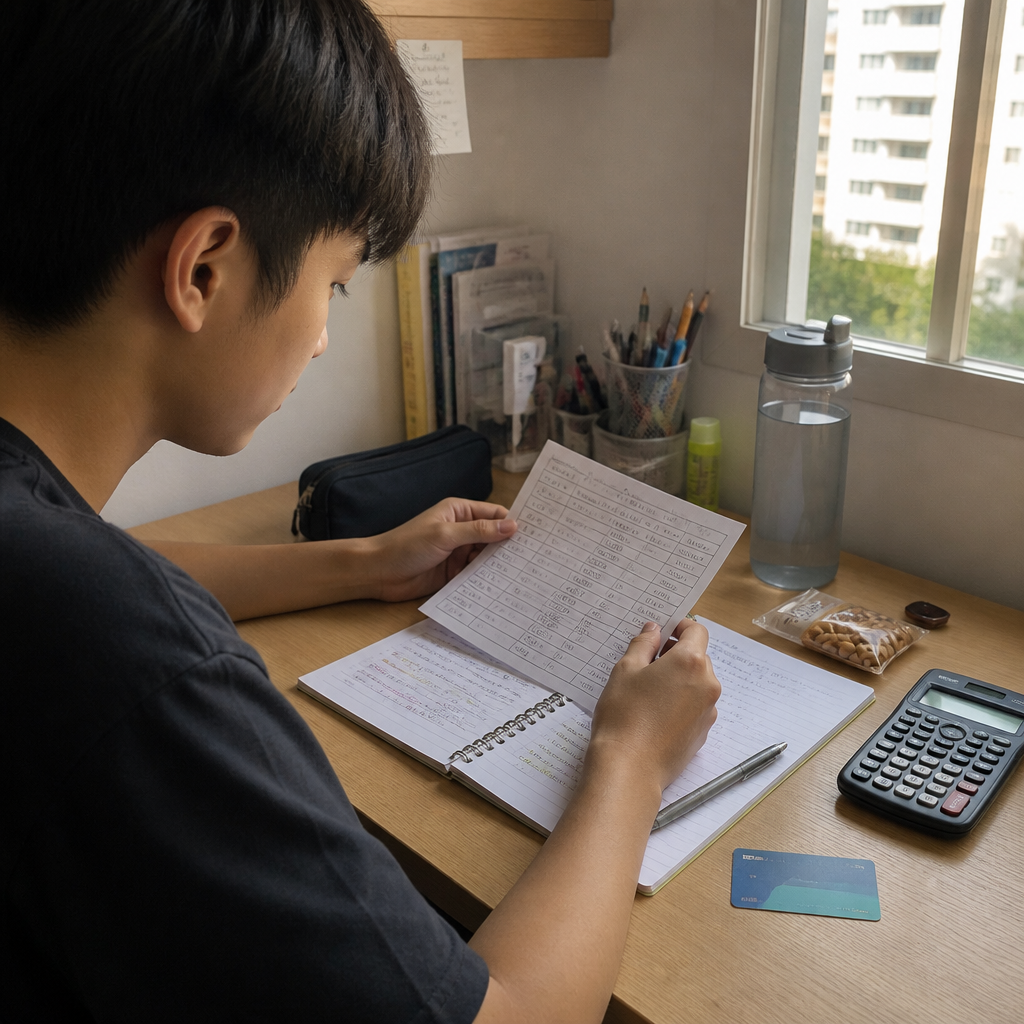
A lot of students say they have “no idea” where their money went. Usually, it went into familiar little purchases that never felt serious one by one.
Use categories that match student life
Generic budgeting advice can feel too adult and too broad. Your categories should reflect the way students in Singapore actually spend.
- Transport. Include bus, MRT, and occasional ride-hailing when you are rushing or getting home late.
- School meals. This covers recess, lunch, and simple food bought on campus.
- Outside food and drinks. Keep this separate so you can clearly see spending on cafes, fast food, bubble tea, and supper.
- Supplies and printing. Notes, stationery, files, and top-ups for school work belong here.
- Phone bill. If you pay part of it, include your share.
- Social activities. Birthdays, outings, movies, and meals with friends can add up faster than expected.
- Online shopping. A separate category makes impulse spending harder to ignore.
- Savings. Treat this as a real category, not whatever happens to be left over.
Once your spending is sorted into clear categories, it becomes much easier to spot what needs adjusting.
Watch for “tired spending”
This catches many students. After CCA, tuition, labs, or long lectures, you are too tired to think properly, so you buy grab-and-go food, delivery, or drinks more often. In the moment, it feels deserved, and sometimes it is. But when it becomes your default, your budget takes the hit.
Tutors often notice this during exam periods. Students get more stressed, spend more on convenience, then feel worse when money runs low. The issue is usually not laziness, it is poor planning under fatigue. Bringing a snack, filling your water bottle, or setting aside a small “tired day” budget often works better than relying on self-control when you are already drained.
Build A Student Budget You Can Actually Follow
A good budget should make life feel calmer, not more miserable. If your plan is so strict that you give up by Wednesday, the problem is not your discipline. The plan itself is probably unrealistic.
Start with fixed essentials
Begin with the expenses you cannot avoid.
- Transport. Estimate this first.
- School meals. Budget for realistic food costs, not ideal ones.
- Basic phone plan. Include data or top-ups if you pay for them.
- Printing and supplies. Small academic costs should not keep catching you off guard.
- Required school-related costs. This may include project materials or occasional fees.
Let us say you get $80 a week. A realistic weekly breakdown might look like this:
That flexible amount matters. It gives you room to breathe without pretending you will never spend on enjoyment.
Why weekly budgets often work better
If you receive monthly allowance, split it into weeks anyway. Many students overspend in the first 10 days, then spend the rest of the month trying to recover.
If you receive $320 a month, divide it into four weekly portions of $80. Keep each week separate mentally or physically. If Week 1 runs over, do not quietly borrow from Week 4 unless it is really necessary. That habit is how budgets slowly fall apart.
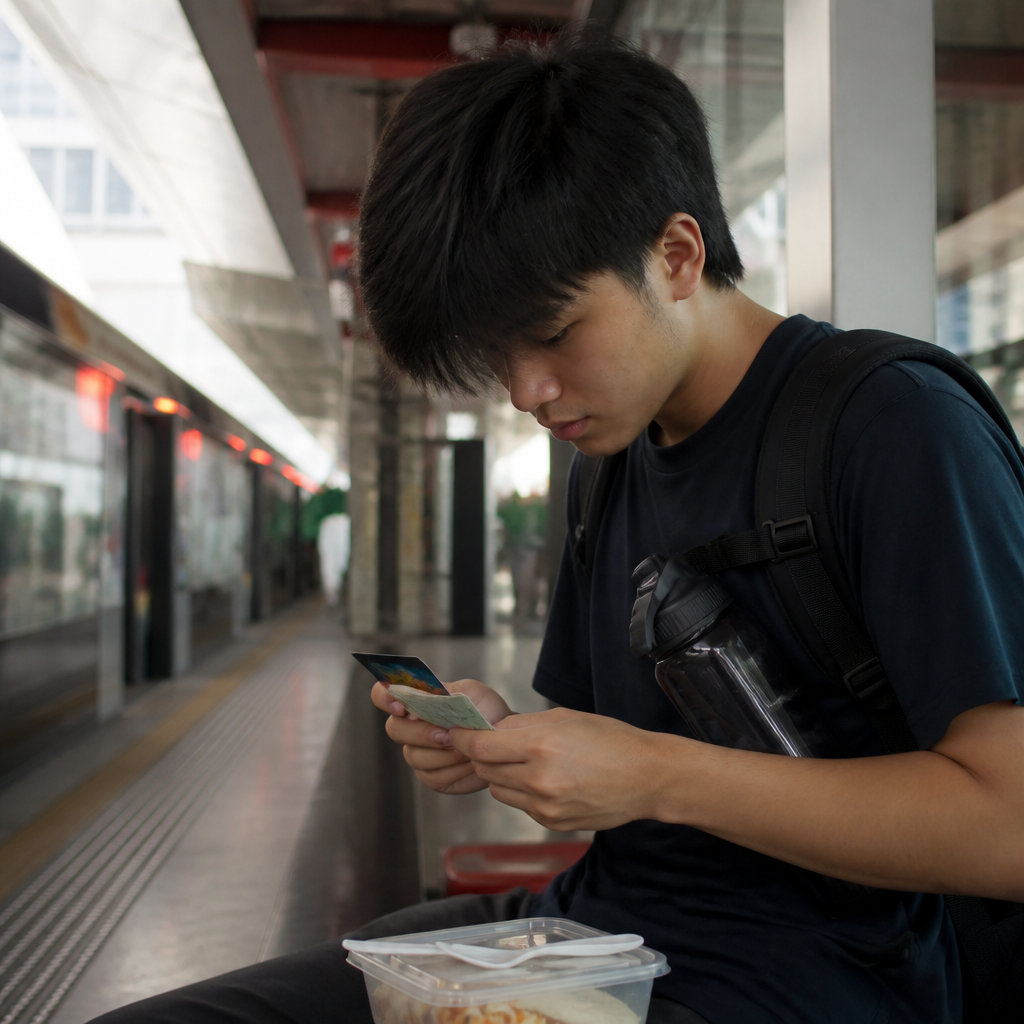
Weekly budgeting also helps you notice patterns. If every Thursday is more expensive because of late dismissal or tuition, you can plan for it instead of acting surprised each time.
Leave room for real life
A budget with zero room for fun usually fails. Class outings happen. Long days happen. Sometimes you just want a treat, and that does not mean you are irresponsible.
The goal is not to cut away every enjoyable thing. The goal is to decide in advance what you can afford, instead of spending first and regretting it later.
If academic stress is making your routine, time, and spending harder to manage, you can also learn more about our tutors if you need more structured support.
Budgeting Tips For Secondary School Students
Secondary school budgeting is different because your allowance is often fixed, and the spending choices are usually smaller but more frequent. If you are trying to manage your allowance better, simple works best.
Focus on daily limits
A Secondary student may receive $6 to $10 a day. If you only think about the total, it is easy to lose control. It usually helps more to ask, “How much can I spend today and still be okay tomorrow?”
With $8 a day, for example:
- Transport: $2.50
- Recess and lunch: $4.00
- Leftover for snack or saving: $1.50
That $1.50 may not sound like much. But over five school days, it becomes $7.50. Over a month, that can go towards school materials, a small outing, or savings for something you actually want.
Watch the canteen versus outside food trap
This is one of the biggest budget leaks in Secondary School. Canteen food might cost $2.50 to $4.00. Food outside school can easily become $6 to $10, especially once drinks are included.
A common pattern among students is telling themselves they will only eat outside “once in a while”. Then CCA ends late, friends are going, and suddenly it becomes two or three times a week. That difference can burn through an allowance very quickly. Even cutting one outside meal a week can make a noticeable difference by the end of the month.
Bring small things that reduce impulse spending
Simple habits often work better than big promises.
- Bring a water bottle. This cuts repeated drink purchases.
- Pack a snack if you know you get hungry after school. A small biscuit pack or sandwich can stop tired spending.
- Keep emergency cash for transport only. This gives you a safety net without turning into extra spending money.
These habits are small, but they reduce the pressure to spend whenever you are tired, hungry, or rushing.
Managing Monthly Expenses In JC
JC life often feels more intense than expected. The days are long, tutorials pile up, CCA can still be demanding, and exam pressure makes convenience spending more tempting. That is why tracking expenses matters more than many students realise.
Track by month, review by week
JC students often face irregular school-related costs. One week may be normal, then suddenly you are paying for notes, graph paper, assessment books, food during extra consults, or transport for longer study days.
A practical approach is to track the whole month, but review every Sunday:
- How much did I spend this week?
- Which category went over?
- What is coming up next week?
If you only look at your spending at the end of the month, the money is already gone.
Include study-related costs
JC budgets often fail because students forget the non-daily costs. Printing notes and essays, replacing stationery, calculator batteries, extra meals during long revision days, and travel to libraries or study sessions can all creep in.
Setting aside $20 a month for study-related costs can help create breathing room. That buffer means you are less likely to accidentally use your food money on academic expenses.
Be careful with stress-reward spending
This is very common in JC. After a bad test or a long school day, spending on food or shopping can feel like relief. That reaction is understandable. The problem starts when it becomes your main way of coping.
You do not need to cut out every treat. Just set a limit. One cafe study session a week may be manageable, but daily drinks and snacks while revising can quietly cost much more than expected.
Avoiding Overspending In Polytechnic, ITE, And University
Polytechnic, ITE, and university life usually come with more freedom. That freedom can be enjoyable, but it also makes money easier to lose track of. The challenge is often irregular spending, not just daily spending.
Expect a less fixed routine
Unlike a typical school day, some days may have long breaks between classes, project meetings off campus, or late dismissals. That often means more meals outside, more transport variation, more social spending, and more online impulse buys during breaks.
A student may think, “I only spent $9 today,” but if that happens several times a week, it becomes a real issue. The answer is not to avoid all spending. It is to recognise which days are naturally more expensive and plan for them.
Handle part-time income carefully
Extra income can help, but it can also create false confidence. Many students spend more once they start earning because the money feels “extra”. Then exam season comes, working hours drop, and the budget suddenly feels shaky again.
A simple split can help:
You can adjust the percentages, but the key idea is simple. Do not wait to “see what is left”.
Check subscriptions and digital spending
This becomes a bigger issue at older levels. Music subscriptions, cloud storage, game purchases, food delivery fees, and small app payments can pile up quietly.
Check whether you are paying for convenience, boredom, or actual need. There is a real difference between using a subscription often and forgetting it exists while it keeps charging you. A quick monthly review can free up money without changing much about your day-to-day life.
Save Money Without Feeling Deprived
Saving money sounds good in theory. In real life, it can feel impossible when transport and food already take up most of your cash. The best ways to save money as a student are usually the boring, repeatable ones, not dramatic cuts.
Save first, even if the amount is small
Do not wait for a “good month”. If you save only what is left over, there may be nothing left. Even $5 or $10 a week counts.
- $5 a week becomes about $20 a month. That is enough for small school needs or emergency spending.
- $10 a week becomes about $40 a month. This can build into a useful buffer surprisingly quickly.
Small savings matter because they create consistency. Once saving becomes automatic, it usually feels less painful.
Give your savings a purpose
Students save better when the goal feels visible. Common examples include new shoes for school, prom or graduation expenses, a replacement phone, university application costs, or emergency transport money.
Saving becomes easier when it feels like protection from future stress, not just another rule to follow.
Cut repeated spending, not just big purchases
A lot of students focus on one expensive item and ignore daily patterns. But skipping one $70 purchase once is often less powerful than reducing a $4 habit that happens several times a week.
That is enough to make a real difference without cutting out everything you enjoy.
For broader financial literacy resources, you can explore MoneySense Singapore and student-related education information at MOE Singapore.
Frequently Asked Questions
What if my allowance is really too little to cover everything?
That can happen, especially if transport costs are high or your school days are long. Start by tracking your essentials clearly so you can show where the money is going. If the shortfall is genuine, it may help to speak honestly with your family rather than silently skipping meals or pretending everything is fine.
Should I use cash, card, or payment apps?
Use whatever is practical, but remember that cashless spending often feels less real. If tapping your card makes you lose track, set a daily or weekly cap and record your spending immediately in your phone notes. Some students do better with a mixed method, such as using cash for food and digital payments for transport.
Is it okay to spend money on fun things while trying to save?
Yes. A budget that leaves no room for enjoyment usually does not last. The better question is whether the spending is planned and affordable, or impulsive and regretful. A small amount set aside for fun can actually make your budget easier to maintain.
How often should I review my budget?
Once a week is realistic for most students. It is frequent enough to catch problems early, but not so frequent that it becomes tiring. If your spending changes a lot, do a quick check midweek too, especially during exam periods or project-heavy weeks.
What is the biggest mistake students make with money?
A very common mistake is underestimating small daily spending. Another is assuming next month will somehow be better without changing anything. Budgeting works best when you connect it to your real routine and make small adjustments consistently.
Conclusion
Learning how to manage money as a student in Singapore is less about being perfect and more about being aware. Once you know what you spend, set realistic limits, and match your budget to your school stage, money becomes less stressful and more manageable.
Secondary students often need stronger daily control. JC students usually benefit from weekly reviews and planning for exam-related costs. Polytechnic, ITE, and university students often need more discipline around irregular spending, cashless payments, and part-time income.
The most useful budgeting system is the one you will actually follow. Keep it simple. Track honestly. Save small amounts early. Give yourself some room to enjoy life without losing control of your budget.If academic stress is making your routine, time, and spending harder to manage, you can also learn more about our tutors for support that fits your study needs.