


Introduction
If your home has suddenly become a mix of school websites, portfolio files, and nervous “What if they ask me that?” conversations, you are in very familiar territory. For many families, the DSA season brings both hope and pressure. A child may be strong in sports, music, leadership, robotics, or academics, yet the interview still feels intimidating because it is far less predictable than a test paper.
If you have been wondering how to prepare for a DSA interview without making your child sound overly rehearsed, you are not alone. Many Primary 6 students freeze not because they lack ability, but because they are unsure what schools want to hear. Parents, meanwhile, are often unsure how much guidance is helpful before it becomes too much.
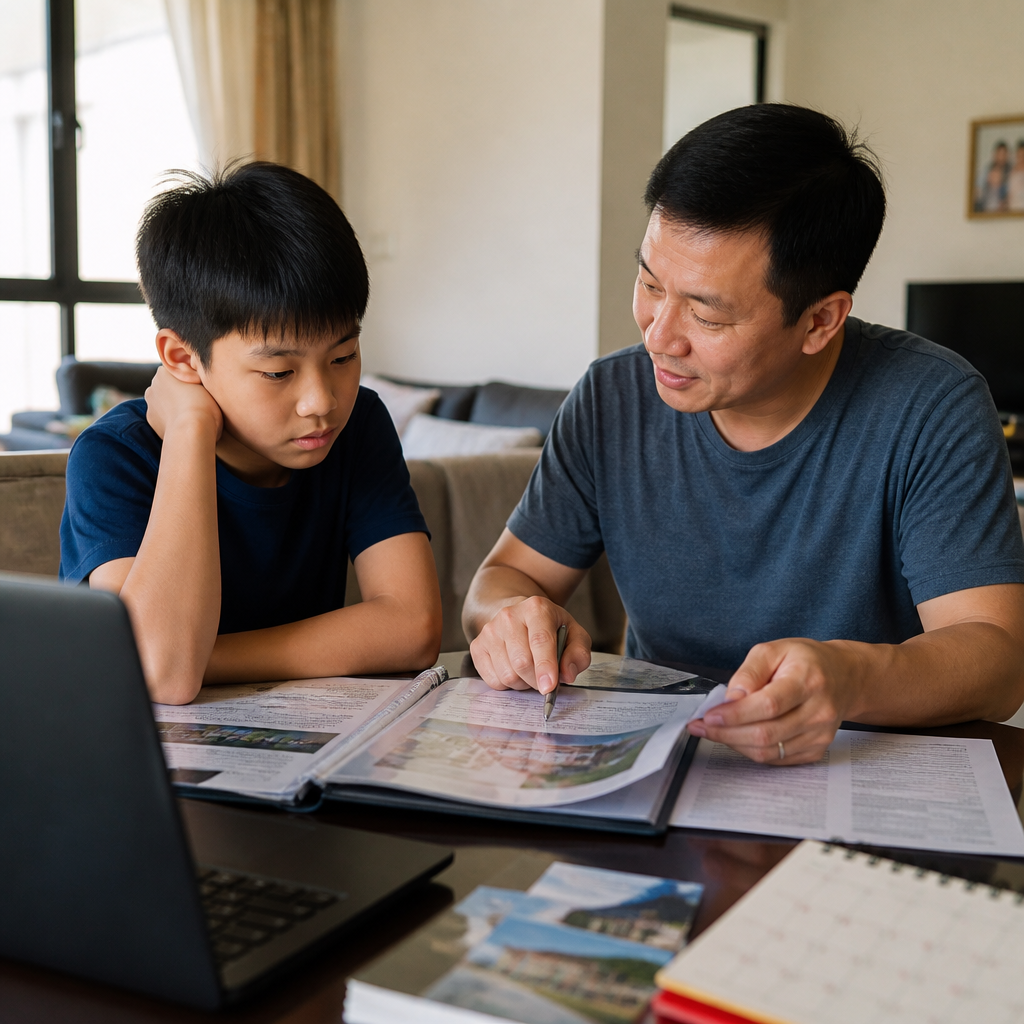
In Singapore, DSA interviews are not just about achievements. Schools are also trying to understand motivation, communication, attitude, and fit with the school’s talent development programme. That is why DSA interview preparation matters long before the interview date itself. A calm, authentic child who can explain why they care about their area often leaves a stronger impression than one reciting polished lines.
Key Takeaways
- Know the school’s DSA talent area well. Interview preparation is stronger when your child understands not just their own achievements, but also why they are applying to that school’s specific programme. This helps them answer school-fit questions with more confidence and less guesswork.
- Authenticity matters more than perfect answers. Schools usually notice when a Primary 6 student is repeating adult-written lines that do not sound age-appropriate. A sincere answer with simple language is often more convincing than a polished script.
- Preparation should include speaking, not just portfolio work. A neat file helps, but your child still needs to explain experiences clearly, confidently, and honestly. If they cannot talk through their own portfolio, the file loses much of its value.
- Different DSA domains are assessed differently. Sports, performing arts, leadership, and academic areas often lead to different interview questions and expectations. Tailoring preparation to the talent area makes practice much more useful.
- Parents help best by reducing pressure. Supportive practice works better than over-coaching, especially when children are already juggling PSLE revision, schoolwork, and CCA commitments. Calm guidance usually produces better answers than repeated drilling.
- Interview readiness includes emotional readiness. Some children know their achievements well but struggle when asked follow-up questions, especially under stress or in unfamiliar settings. Preparing for nerves is just as important as preparing content.
Understand The DSA-Sec Process Before Preparing Answers
Before jumping into mock interviews, it helps to understand what the DSA interview is actually for. Under DSA-Sec, schools can admit students based on talents and strengths in specific areas before the Secondary 1 posting process. So the interview is usually not a generic personality chat. It is tied to a talent area, and to whether the child seems suitable for the school’s programme.
Check official timelines and school-specific requirements
DSA-Sec timelines and procedures can change, so families should always refer to official information from MOE’s DSA-Sec page and MOE’s posting process guide. On top of MOE information, each school may have its own shortlist process, audition format, trial, portfolio request, or interview expectations.
That matters because one school may assess a sports applicant through both a skills trial and an interview, while another may focus more heavily on communication and initiative for leadership applicants. An academic domain candidate may need to discuss projects, competitions, reading interests, or problem-solving experiences. A common mistake is preparing one standard script for every school, only to realise too late that the school is assessing fit with a very specific programme.
What schools are really assessing
When parents ask what schools look for in a DSA interview in Singapore, the answer is usually broader than marks or medals. Schools often want to see the following.
A child with fewer headline achievements can still do well if they come across as genuinely invested and ready to contribute. On the other hand, a student with strong credentials may stumble if every answer sounds forced, or if they cannot explain their own journey in simple words.
Research The School And Talent Area Carefully
A strong DSA interview usually starts before any practice question is asked. If your child cannot explain why they chose that school, the conversation can become shaky very quickly. This is one of the biggest gaps families miss when preparing for a DSA interview.
Look beyond school reputation
It is easy for children to say, “I want this school because it is a good school.” That answer is too vague. Interviewers usually want something more thoughtful and specific. Look at the school’s website, talent development pages, CCA achievements, student opportunities, and school values. If there are open house materials or videos, use them.
A performing arts applicant, for instance, should know whether the school has strong ensemble opportunities or regular performances. A sports applicant should know if training intensity is high and whether the school has a strong competition culture. A leadership applicant should understand whether the school emphasises service, student voice, or peer support.
Help your child connect personal reasons to school fit
The goal is not to memorise a school brochure. The goal is to help your child say something believable and personal.
“I enjoy team training and I noticed this school has a strong volleyball development programme. I also like that students get leadership opportunities in CCA.”
That lands much better than a generic “I think this school is suitable for me.” Tutors often notice that children lose confidence not because they are weak applicants, but because they have not practised linking their own story to the school’s opportunities.
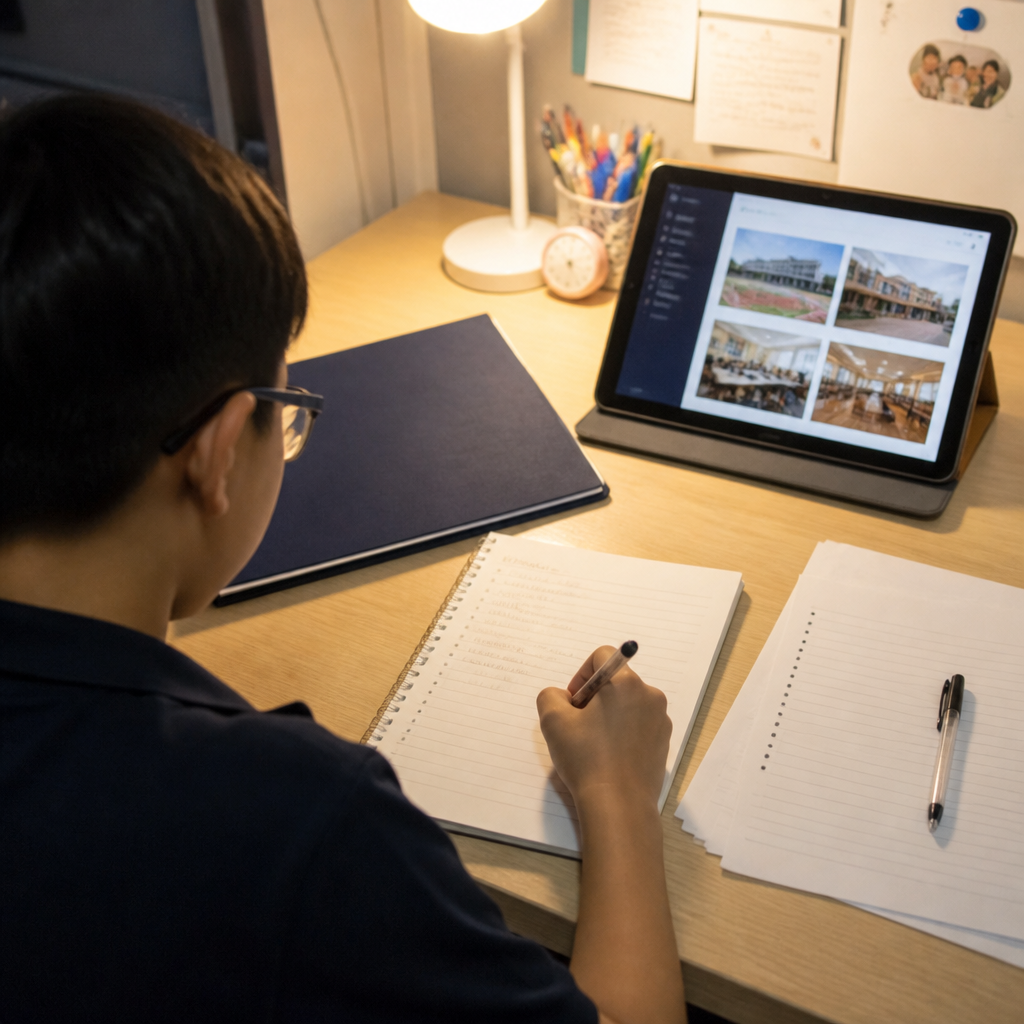
If your child needs extra support organising thoughts and speaking clearly under pressure, some families find it useful to get guided academic and communication support from experienced tutors. You can learn more about our tutors if your child would benefit from calm, structured interview practice.
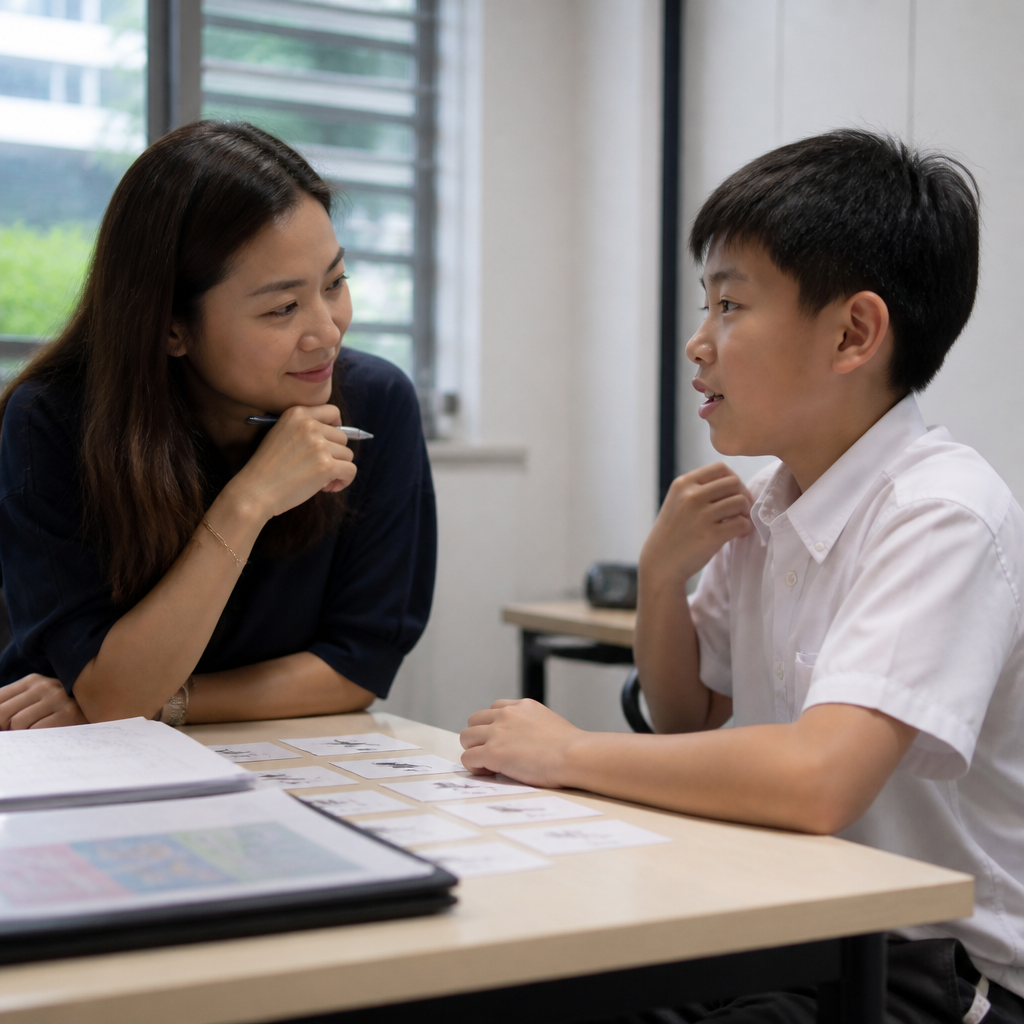
Build A Clear, Child-Friendly Portfolio Story
A portfolio is useful only if your child can talk about it naturally. Many parents spend hours printing certificates, arranging tabs, and polishing layouts, but the child still cannot explain what each item says about them. That is a common reason DSA interview preparation feels incomplete.
Choose evidence that supports the talent area
Start by selecting a few meaningful pieces rather than overwhelming the interviewers with everything. Depending on the domain, that may include:
- Competition results or performance records, which show consistency and participation over time.
- Testimonials or teacher recommendations if requested, especially when they highlight attitude, effort, or leadership.
- Photos of events, projects, or leadership roles, so the child has concrete examples to discuss.
- Brief write-ups of training, challenges, or contributions, which help interviewers understand the story behind the achievement.
- Samples of work, if relevant for academic or creative areas, such as research projects, writing pieces, or design work.
A robotics applicant might include competition participation, project photos, and a short explanation of what part of the design they handled. A leadership applicant may show evidence of organising class events, mentoring peers, or serving in student roles. A performing arts applicant may highlight performances, graded exams, or ensemble responsibilities.
Practise speaking from the portfolio, not reading it
This is where many Primary 6 students struggle. They know what they did, but not how to talk about it. Keep answers simple and age-appropriate.
“I was nervous before the performance, but I practised with my group and learned how to stay focused.”
That is usually stronger than a polished speech filled with adult phrases. Interviewers often ask follow-up questions about setbacks, effort, or what a certain experience meant. If the portfolio contains items your child barely remembers, that becomes obvious very quickly. It is better to have fewer items that your child can discuss confidently than a thick file built by adults.
Organise the portfolio for easy navigation
A small practical detail can make a big difference. Use clear labels, keep documents in a logical order, and avoid stuffing in unrelated certificates just to make the file look impressive. If your child is asked about a project or event, they should be able to find it quickly without fumbling. This does not mean the portfolio must look fancy. It just needs to be neat, relevant, and easy for both the student and interviewer to follow.
Know The Common DSA Interview Formats
Not every DSA interview looks the same. Knowing the possible formats can lower anxiety because your child will know what to expect. This is especially helpful for families looking for practical interview preparation tips for Primary 6 students.
One-to-one, panel, group, and combined assessments
Some schools conduct a one-to-one interview. Others use a panel of teachers or coaches. Some combine an interview with a trial, audition, task, or group activity. In leadership and academic domains, group discussions may appear because schools want to observe how students interact.
A child who is chatty at home may become very quiet in a panel setting. Another may answer well individually but dominate awkwardly in a group task. These are normal behaviours, and they can improve with realistic practice.
Expectations differ by talent area
For sports, schools may focus on commitment, resilience, teamwork, coachability, and balance. For performing arts, they may pay more attention to expression, discipline, practice habits, and receptiveness to feedback. For leadership, initiative, empathy, responsibility, and communication often matter. For academic domains, curiosity is a big part of the conversation.
A common pattern among students is this. They can list achievements quite well, but struggle when asked why they enjoy the field beyond “I usually score well” or “I have been doing this for many years.” That gap matters.
Practise Likely DSA Interview Questions Naturally
Many parents want a realistic guide to DSA interview questions for students in Singapore. The best approach is to prepare themes, not scripts. Schools usually value honest, spontaneous answers that still sound like the child.
Questions your child is likely to face
Common DSA interview questions include:
- Why do you want to apply to this school?
- Why did you choose this talent area?
- Tell us about yourself.
- What is an achievement you are proud of?
- What was a challenge you faced, and how did you respond?
- How do you manage studies and your commitments?
- What do you hope to contribute to the school?
- What would your teachers or coaches say about you?
- What will you do if training becomes difficult?
A useful practice method is to ask one question at a time in a relaxed setting, perhaps after dinner or during a short car ride. If your child stumbles, resist the urge to jump in with the “correct answer” straight away. Give them time to think, then help them add one or two clearer points.
Follow-up questions reveal real readiness
Interviewers often probe further. If a child says, “I am passionate about science,” a follow-up may be, “What science topic interests you recently?” If a child says, “I am resilient,” they may be asked for an example. This is where memorised answers often fall apart.
Over time, tutors and teachers often notice the same pattern. Children who have been coached too tightly panic when the exact wording changes. Children who understand their own experiences can answer imperfectly but convincingly. That is why practice should focus on reflection, not performance alone.
Use simple answer structures
Some children benefit from a basic structure so they do not ramble or go blank. One easy method is: situation, action, lesson. For example, if asked about a challenge, your child can briefly explain what happened, what they did, and what they learned. This keeps answers organised without sounding scripted. It is especially useful for students who tend to jump from one point to another when nervous.
How Parents Can Help Without Over-Coaching
This may be the hardest part. Parents want to help, but too much intervention can make a child more anxious. It is painful to watch your Primary 6 child mumble through an answer and not rewrite everything for them. Still, over-coaching often produces a stiff interview.
What helpful support looks like
Support works best when it is practical and calm:
- Help your child organise achievements chronologically, then ask simple questions about each one so they can explain growth over time.
- Run short mock interviews, 10 to 15 minutes at a time, rather than long draining sessions that leave them tired and frustrated.
- Record one practice round so your child can hear whether they sound clear, rushed, or too soft.
- Remind them it is okay to pause and think before answering, because thoughtful answers are better than panicked ones.
If your child answers every question with one short sentence, a gentle prompt such as “Can you add what happened and what you learned?” is usually more useful than giving them a full adult-written answer.
What may backfire
Avoid drilling until your child sounds robotic. Avoid forcing fancy vocabulary they would never use in real life. Avoid comparing them with another child who “speaks so well.” At this age, comparison can damage confidence very quickly.
Also watch for signs of overload. DSA preparation often happens during an already busy season of PSLE revision, school deadlines, and CCA commitments. A tired child late at night is unlikely to give their best interview practice. Sometimes the most effective preparation is simply a short, calm session at the right time.
Help Primary 6 Students Manage Nerves On Interview Day
Primary 6 students are still children. Good preparation should stretch them, not make them feel like they are defending a scholarship thesis. The most useful interview tips are often simple, manageable, and confidence-building.
Build comfort with speaking aloud
Many children think they know an answer until they have to say it. Encourage speaking aloud in short bursts. Ask your child to explain one experience in 30 seconds, then in 1 minute. This helps them stay focused without rambling.
Another helpful exercise is to practise eye contact, greeting the interviewer, and sitting calmly. These small behaviours matter because first impressions shape the flow of the interview. A child does not need to be extremely polished, but they should look ready to engage.
Prepare for nerves, not just content
Even well-prepared children can blank out. Normalise that possibility. Teach them a simple recovery line such as, “May I take a moment to think?” or “I would like to answer based on my experience in…” That is far better than freezing silently.
Before the interview day, check practical details early, including attire expectations, documents, location, reporting time, and whether there is any trial or audition component. Last-minute rushing can heighten anxiety unnecessarily. In school admissions matters, details and requirements may vary by school and year, so always confirm the latest information directly with MOE and the school.
A calm routine on the day itself also helps. Aim for enough sleep, a simple meal, and extra travel time. Children often absorb adult stress, so a steady parent can do more for confidence than one last round of intense questioning in the car.
Frequently Asked Questions
How early should we start preparing for a DSA interview?
A few weeks before the interview is usually enough for focused preparation, but school research and portfolio organisation should begin earlier. Starting too late often leads to panic, rushed practice, and answers that sound over-rehearsed.
My child is shy but genuinely talented. Can they still do well in a DSA interview?
Yes. Shy children can still interview well. Schools are not always looking for the loudest child in the room. Clear, sincere answers, good listening, and genuine interest can still make a strong impression. The goal is not to turn a quiet child into an extrovert, but to help them speak comfortably about their experiences.
Should my child memorise answers for the DSA interview?
No. It is fine to prepare key points, but memorising full scripts often backfires when interviewers ask follow-up questions or phrase things differently. Authentic answers are usually stronger, even if they are not word-perfect.
In a DSA interview, do schools care more about achievements or attitude?
Both matter, but attitude often becomes the deciding factor when several applicants have similar achievements. Motivation, commitment, communication, and fit with the school programme matter a great deal, especially in a long-term talent development setting.
What if my child does not get the DSA offer after all this preparation?
That disappointment can feel heavy, especially after months of effort. It does not mean your child lacks ability. DSA selection depends on fit, competition, and school-specific needs too. Give your child space to process it, then refocus on the next pathway calmly and confidently.
Conclusion
Learning how to prepare for a DSA interview is really about helping your child become clear, calm, and genuine. In Singapore’s DSA-Sec process, schools are not only checking achievements. They are also listening for motivation, self-awareness, communication, resilience, and whether the child is a good fit for the programme they are applying to.
For parents, the balancing act is real. You want to help, but not overdo it. You want your child to sound prepared, but still like themselves. Very often, that middle ground is exactly where the strongest interviews happen.
If your child would benefit from structured support in communication, confidence, or academic readiness during this season, you can learn more about our tutors.