


Introduction
It is 10.45pm, your child says they are “studying”, but the phone is still beside the worksheet, Telegram notifications keep lighting up, and one YouTube video somehow becomes four. Many Singapore families know this scene too well. What starts as “just checking” can quietly turn into unfinished homework, a tired child the next morning, and another stressful evening at home.
If you have been searching for ways to reduce screen time as a student, the goal is not to ban screens completely. That usually backfires, especially for secondary school students who use devices for homework, school announcements, research, and even tuition. The real aim is to help students use screens with intention instead of slipping into constant scrolling, gaming, or checking group chats every few minutes.
For students, that means building self-control routines that work on ordinary school days, not just during exam week. For parents, it means guiding without turning every evening into a fight.
Key Takeaways
- Reducing screen time starts with spotting trigger moments. Most students do not lose focus because they are lazy. They lose time during predictable windows such as after school, before bed, and between homework tasks.
- Phone-free study blocks work better than vague promises. “I will use my phone less” is too broad. A 40-minute block with the phone out of reach is much easier to follow because the rule is specific.
- Not all screen use is equal. Watching a Chemistry explanation video is very different from falling into TikTok after opening the phone for one message.
- Replacement habits matter. If students stop scrolling but do not replace it with something manageable, boredom often pushes them straight back to the screen.
- Parents help best by shaping the environment, not policing every minute. Calm routines, charging phones outside the bedroom, and agreed check-in times often work better than repeated scolding.
- Exam periods need stricter screen boundaries. During weighted assessments, common tests, and O-Level preparation, even short distractions can break momentum.
- Progress should be realistic, not perfect. Healthy screen habits are usually built by reducing the worst habits first, not by changing everything overnight.
Why Screen Time Feels So Hard To Control
Reducing screen time is not simply about discipline. Many students are trying to study while carrying a phone designed to interrupt them. Notifications, short videos, gaming rewards, and instant replies in class chats all train the brain to expect constant stimulation. After that, a textbook feels slow, and even ten minutes of Math practice can feel uncomfortable.
The real problem is broken focus
A common pattern among students is not that they refuse to study. It is that they keep restarting. A child sits down at 7.30pm to do homework after dinner and tuition. By 8.15pm, they have opened WhatsApp six times, checked Instagram twice, and watched one “short break” video that became fifteen minutes.
On paper, it looks like 45 minutes of study. In reality, maybe only 20 minutes were truly focused.
That is why learning starts to feel harder than it should. It is not always a lack of ability. Sometimes it is attention being chopped up so many times that the brain never settles. Tutors often notice this in upper primary and secondary school students. They can do the work when guided, but when left alone, they drift because their focus keeps getting interrupted.
Why student routines in Singapore make it worse
Long school days, CCA, tuition, homework, and travel time leave many students mentally tired. By the time they get home, scrolling feels easier than starting revision. Late at night, when the brain is already worn out, TikTok, YouTube, mobile games, and group chats become even harder to resist.
This is especially true for secondary school students. Teens want independence, use devices for real school needs, and often feel social pressure to stay online so they do not miss project updates, messages, or class chatter. That is why screen time management has to be realistic. It needs to fit actual student life in Singapore, not an ideal routine that falls apart after two days.
Start By Tracking Where The Time Goes
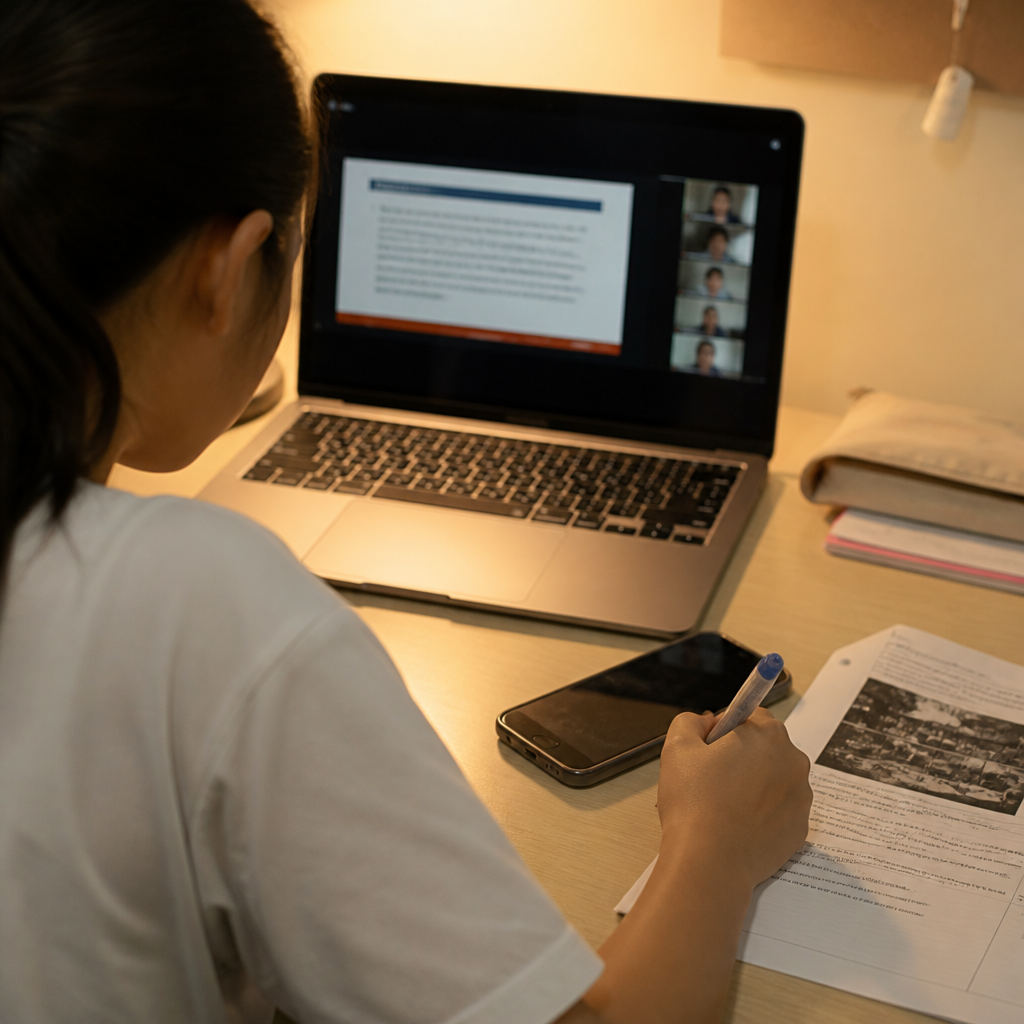
Before cutting screen use, students need to see what is actually happening. Many genuinely feel they are only on the phone “for a while”. The built-in screen time report often tells a different story.
Check the top three apps, not just total hours
A student may panic when they see six or seven hours of screen time, but that total can include school research, Google Classroom, notes, or educational videos. The more useful question is where the wasted time is going.
Look at the top three distracting apps. Often, they are some mix of TikTok, Instagram, YouTube, games, Telegram, or WhatsApp.
For example, if YouTube is the issue, the problem may not be YouTube itself. It may be weak boundaries between searching for one History explanation and drifting into unrelated videos.
Spot your danger timings
Many students do not need a full-day ban. They need protection during specific hours.
This is one of the most practical ways to reduce screen time. Once the pattern is clear, the solution becomes more precise. Instead of fighting phone use all day, students target the moments where they usually lose control.
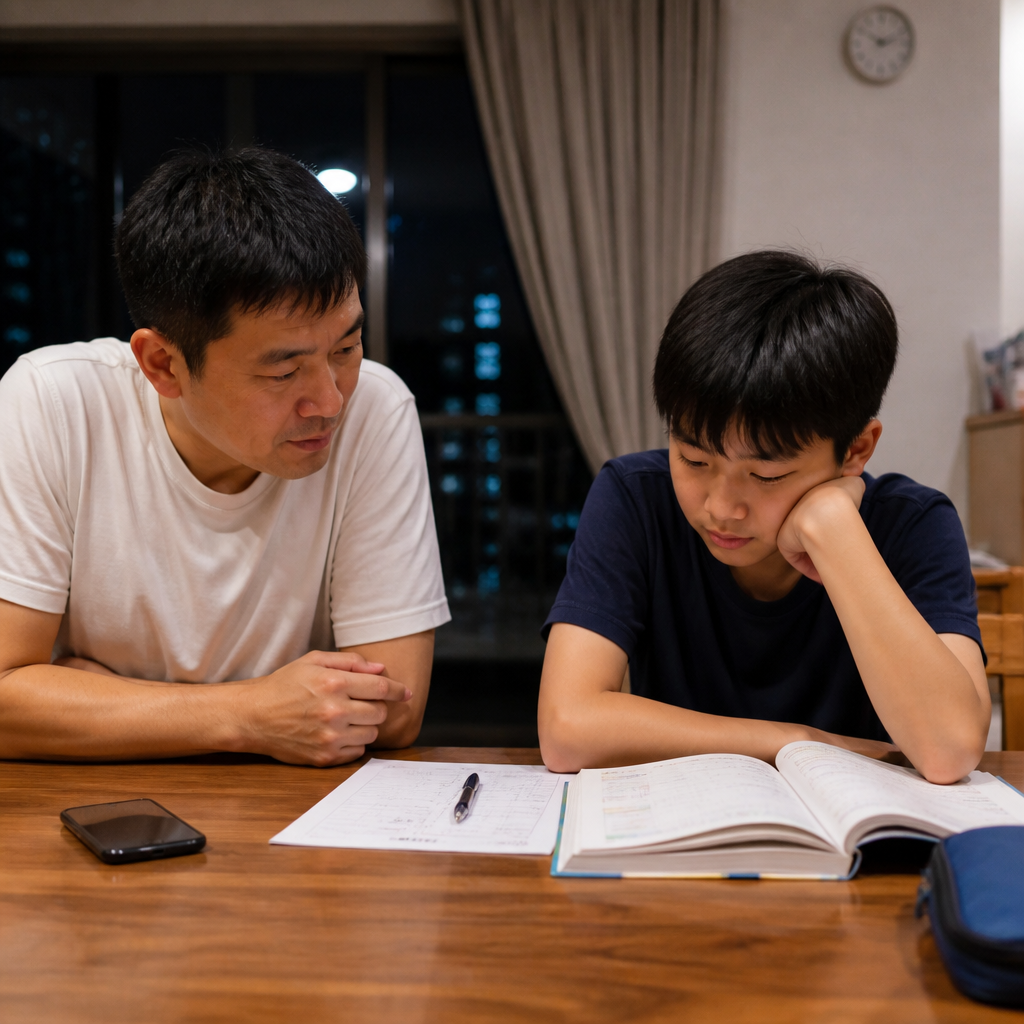
A simple one-week tracking habit can help. Students can note down three things each day: when they got distracted, what app they opened, and what they were supposed to be doing. After a few days, patterns become obvious. Some realise they always lose 30 minutes after dinner. Others notice that “five-minute breaks” are the real problem. Awareness makes change easier because the target is no longer vague.
Use Phone-Free Study Blocks That Feel Doable
Students often fail because the goal is too vague. “Use phone less” sounds good, but it is not very helpful on a Wednesday night when there is A Math homework, Chinese spelling, and a class chat buzzing nonstop.
Start with short, realistic blocks
Begin with 30 to 45 minutes of phone-free work. Put the phone in another room, hand it to a parent, or place it in a drawer. Silent mode alone is often not enough. If the phone is visible, many students still think about it.
A practical weekday example looks like this:
This usually works better than trying to study for three hours straight. It also feels more realistic for a normal school night, when students are already tired and juggling several tasks.
Decide what counts as study screen use
If revision requires a laptop, tablet, or online notes, be specific. Open only the tabs needed. Shut entertainment tabs before the study block begins. Otherwise, “I need my device for work” quickly becomes a convenient excuse for drifting.
Students preparing for weighted assessments often do better with one simple rule: if the task can be printed, handwritten, or done from a physical textbook, do it offline. That immediately removes several digital temptations.
If your child needs more structured help building a calmer home study routine, you can learn more about our tutors if your child needs calmer study support and a more structured routine at home. Sometimes an external routine reduces the nightly battle over focus.
Build Healthy Screen Habits That Actually Last
Strict bans may work for two days. Then they collapse. What tends to last longer are habits that fit real student life.
Create small friction against distractions
Make distracting apps slightly harder to access. Remove them from the home screen. Log out after use. Set app limits. Turn off non-essential notifications. Use study mode during revision hours.
These steps sound small, but they matter. A student who has to search for TikTok, re-enter a password, and bypass a time limit has a few extra chances to stop. Without those barriers, opening the app becomes automatic.
Replace scrolling with something else
This is where many students get stuck. They remove the phone but leave an empty gap. Then boredom wins.
Good replacements depend on the time of day:
- After school, take a shower, eat a snack, then begin one small task before touching the phone.
- During short breaks, stretch, refill water, walk around the house, or chat with family for five minutes.
- Before bed, switch to music, reading printed notes, or setting up the next day’s bag instead of lying in bed scrolling.
These are simple habits, but they matter because they reduce the emotional pull of the phone by giving the brain something else to do.
Make the first task easy to start
One reason students reach for screens is that starting work feels mentally heavy. A useful fix is to begin with the easiest meaningful task, not the hardest one. That could be marking corrections, reviewing vocabulary, or doing the first two questions of a worksheet. Once the brain gets moving, it is easier to continue. Reducing screen time is often less about resisting temptation and more about lowering the friction of getting started.
How Parents Can Help Without Constant Fighting
Many parents are not just frustrated. They are tired, worried, and unsure whether to push harder or step back. Scolding often comes from genuine fear, especially when grades slip and exams are near. But constant monitoring can turn screen time into a power struggle instead of a self-management skill.
Agree on clear rules in advance
A better approach is to agree on a few specific house rules before the evening starts.
This helps parents limit student screen time effectively without becoming detectives. The student knows the expectation in advance, so there is less room for nightly arguments.
Avoid controlling every minute
Too much control can backfire, especially for older students. Some become sneaky. Others appear cooperative in front of parents but binge-scroll once alone. The long-term goal is not forced obedience. It is helping the student notice, “I focus better when my phone is away.”
A more useful conversation sounds like this: “What time do you usually get distracted most? What setup would help?” That tone invites ownership. It feels very different from, “You are always wasting time.”
For general student support and academic structure, some families also explore external help through Singapore Tuition Teachers when home routines feel too tense.
Manage Screen Time More Strictly During Exam Season
During exam season, screen habits matter even more. A distracted student may spend hours “revising” but absorb very little. This often shows up before WA periods, End-of-Year exams, and especially for O-Level students balancing school papers, tuition, and fatigue.
Tighten the rules during high-stakes weeks
This does not mean no phone at all. It means changing the threshold for what counts as acceptable use. Revision periods need stronger protection because momentum matters.
Once a student gets into focused practice, such as doing a full E Math paper or memorising Social Studies examples, one distracting message can break the flow.
Useful strategies include:
- Keep the phone physically outside the study area during timed papers.
- Use a basic timer instead of the phone timer.
- Review mistakes on printed papers where possible.
- Schedule one proper break instead of many micro-breaks.
A common pattern among students is that frequent short breaks feel harmless, but they often turn into scrolling sessions that are hard to stop.
Watch the late-night trap
Many students say they study better at night. Sometimes that is true. Often, though, “studying late” quietly becomes half revision and half phone use. By midnight, memory is weaker, self-control drops, and the next school day becomes harder.
A familiar scenario is the student revising Chemistry while checking class messages “just in case”. By 12.30am, they are still awake, anxious, and not actually retaining much. In these cases, sleep plus a cleaner earlier study block usually beats a long but distracted night.
Use Screens Intentionally, Not Automatically
Not all screens are bad. Students in Singapore use digital platforms for lessons, research, recorded explanations, and exam resources. The goal is not fear of screens. It is intentional use.
Ask what the screen is for
Before opening a device, name the purpose.
- “I’m watching one Biology explanation on osmosis.”
- “I’m opening Google Classroom to check homework.”
- “I’m using my laptop to type my essay draft.”
That small pause changes the mindset. It separates useful digital learning from mindless browsing.
End each study session clearly
Many students start productively but never end cleanly. After finishing the needed task, they stay on the device and drift into entertainment. A simple habit helps: once the task is done, close the app, stand up, and move physically away for a minute.
For students trying to cut down on screen time, this distinction matters. The goal is not “never use a screen”. It is “use the screen for the reason you opened it, then stop”.
Frequently Asked Questions
How much screen time is too much for a secondary school student?
There is no single number that fits every student because some screen use is academic. A better sign is whether screen time is affecting homework quality, sleep, mood, attention, or grades. If a student is constantly distracted, sleeping late because of phone use, or taking twice as long to finish simple work, the current level is probably too high.
What if my child needs the phone for school group chats and homework?
That is very common. The answer is not to ban the phone entirely. Instead, separate essential use from open-ended use. For example, check class messages at set times, then put the phone away during focused work. If project coordination is needed, keep that within a limited time block rather than letting it stretch across the whole evening.
Why do app limits and screen time settings sometimes fail?
They usually fail when the student has no replacement habit, no fixed study block, or no personal buy-in. A time limit alone does not solve boredom, tiredness, or avoidance. It works better when paired with a clear routine, physical distance from the phone, and realistic goals for each study session.
How can students reduce late-night phone use?
Charging the phone outside the bedroom is one of the most effective changes. Another is ending revision with a fixed shutdown routine: pack the bag, prepare clothes, set one alarm, and stop. If the phone stays in bed with the student, late-night scrolling becomes much harder to control.
What if reducing screen time causes more arguments at home?
That usually means the conversation has become about control instead of focus. Pull back from blame and discuss practical goals instead. Start small, maybe with one phone-free homework block each night. When families aim for gradual progress rather than total restriction, resistance often drops.
Conclusion
Learning how to reduce screen time as a student is less about willpower and more about structure. Most students do not need extreme rules. They need clearer study blocks, fewer interruptions, better evening routines, and honest awareness of when they tend to lose control.
For secondary school students especially, the challenge is not just the phone itself. It is tiredness after school, pressure from homework and exams, and the habit of reaching for fast entertainment whenever work feels uncomfortable.
For parents, the most effective support is usually calm consistency. Set a few sensible boundaries, avoid turning every night into a battle, and help your child build routines they can eventually manage on their own. For students, start with one or two changes that directly target the worst distraction window. Even one improvement, such as a phone-free first study block or charging the phone outside the bedroom, can make evenings feel calmer and more productive within a week.
If your family needs calmer academic support and a more structured routine at home, you can learn more about our tutors here.
For broader guidance on children’s screen use and wellbeing, you can also refer to HealthHub’s advice on screen time and children and Singapore’s Ministry of Education.