


Introduction
You sit down with a phonics book after dinner, hoping for a calm 10 minutes. Two pages in, your child is sliding off the chair, guessing words, or refusing to read aloud. If this sounds familiar, you are far from alone.
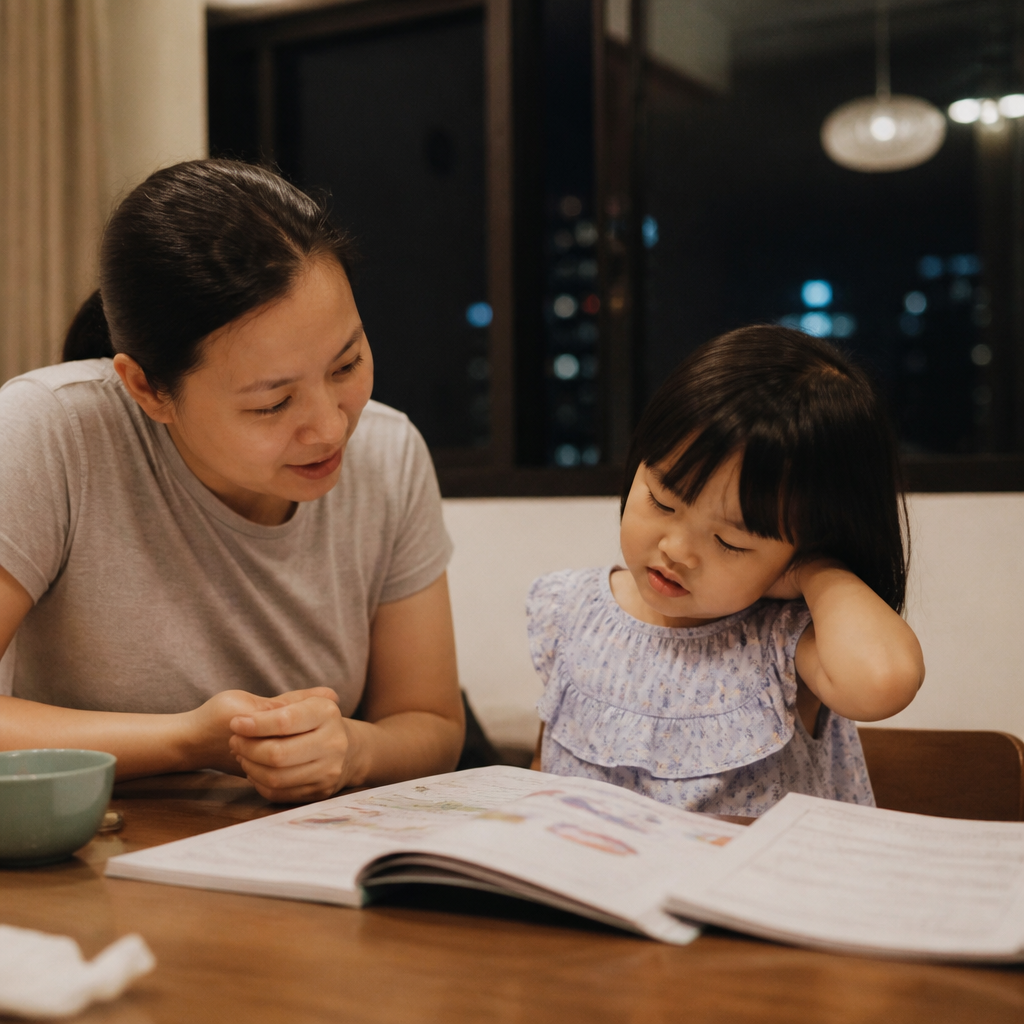
Many parents trying to figure out how to teach children to read in Singapore start with good intentions and end up wondering if they are already too late. It can feel especially stressful when other children seem to be reading signs, storybooks, or simple readers much earlier.
The truth is, early reading does not always unfold in a neat, steady way. Some preschoolers pick up letter sounds quickly but struggle to blend. Some memorise familiar books but cannot decode new words. Some are bright, talkative, and curious, yet still find reading tiring.
In Singapore, where preschool readiness and Primary 1 expectations can feel very visible, it is easy to worry that your child is falling behind. This guide walks through how to help a child learn to read at home, what is realistic at different ages, and when extra support such as a phonics tutor or reading tutor may be worth considering.
Key Takeaways
- Start with readiness, not pressure. A child who cannot sit still for long or confuses sounds easily may not be lazy. They may simply need shorter, more age-appropriate reading practice and a slower pace.
- Reading begins before books. Hearing sounds, noticing rhymes, learning letter-sound links, and talking about stories all build the foundation for later reading fluency.
- Phonics matters, but it is not the whole picture. Children also need vocabulary, listening comprehension, confidence, and repeated exposure to books, especially in Singapore’s bilingual environment.
- Short, steady home routines work better than long drilling sessions. Ten focused minutes after dinner often helps more than a stressful weekend hour filled with correction and resistance.
- Watch for specific struggle signs. If your child keeps forgetting letter sounds, cannot blend simple words after repeated practice, or avoids reading altogether, it may be time for a more targeted approach.
- Tutoring can help when the fit is right. A reading tutor or phonics tutor should match the child’s pace, identify the real gap, and build confidence rather than simply push worksheets.
- Progress is usually uneven. A child may read “mat” and “sit” confidently one day, then freeze on “dog” the next. Early reading often develops in bursts.
What Reading Actually Involves
Many parents think reading means recognising words on a page. That is only one part of the picture. When thinking about how to teach children to read, it helps to see early literacy as a mix of smaller skills that build over time.
Phonemic awareness comes before smooth reading
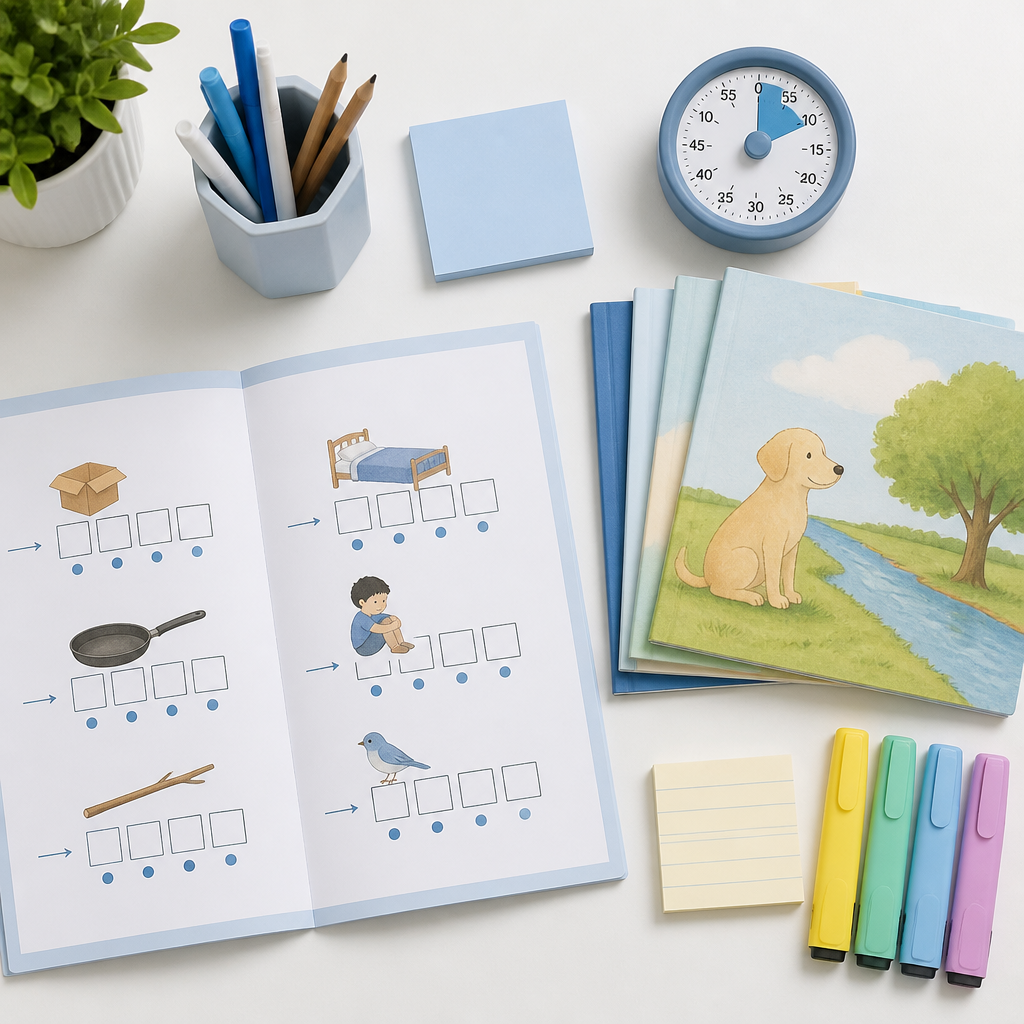
Before a child can read words, they need to hear that words are made up of sounds. For example, “cat” has the sounds /c/ /a/ /t/. A preschooler who can clap syllables, notice rhymes, or tell you the first sound in “sun” is already building reading readiness.
This is why some children can sing the alphabet but still struggle to read. They know the letter names, but the sound links are not secure enough yet.
Tutors often notice the same pattern at home. You show the word “bat”, your child says each sound correctly, but when asked to blend, they go blank. That gap is common. It usually means they need more oral sound play before print starts to feel manageable.
Phonics teaches children how print works
Phonics is the connection between letters and sounds. In Singapore, many preschools use some form of phonics instruction, but the pace and style can differ quite a bit. Some children seem fine in class yet still need slower reinforcement at home.
It helps to resist the urge to rush. A child who knows a small set of sounds well and can blend simple CVC words like “sat”, “pin”, and “hot” is on firmer ground than a child who has memorised many flashcards without really decoding.
Comprehension starts early too
A child who can sound out “The boy is sad” but cannot tell you what happened is not yet reading in a meaningful way. Early comprehension starts with simple questions like “Who is in the story?” or “Why is the girl crying?”
Read-aloud time still matters, even if your child is not reading independently yet. It supports vocabulary, listening, and story understanding, all of which feed into reading later on.
For a broader look at Singapore’s primary English curriculum expectations, parents can refer to the Ministry of Education syllabus page. For preschool development resources, the Early Childhood Development Agency parent resources are also useful.
What To Focus On At Different Ages
A lot of parent anxiety comes from comparing children across very different stages. A Nursery child, a K2 child, and a Primary 1 child may all need very different kinds of support.
Here is a simple way to think about it.
Preschool: build sound awareness, listening, and book love
For younger preschoolers, reading should still feel playful. If your child is three or four, a lot of useful work happens without formal reading lessons. Singing rhymes, spotting beginning sounds, naming familiar objects, and listening to picture books all count.
Trying to force blending too early can backfire. Some children start associating books with correction and stress. Once that happens, even easy reading practice can turn into a daily struggle.
K1 and K2: start structured phonics and simple blending
This is often when worry starts rising. Friends’ children may already be reading short books. Your own child may still confuse b and d, or remember sounds one day and forget them the next.
At this stage, consistency matters more than intensity. Work on a small set of letter sounds at a time. Blend simple words. Use highly decodable books. Keep sessions short enough that your child can end with some success.
A common mistake is trying to do too much in one sitting. If you are covering sounds, sight words, handwriting, and comprehension all in 20 minutes, many children simply shut down.
Primary 1 and Primary 2: strengthen fluency and understanding
By lower primary, children are expected to cope with classroom instructions, reading tasks, and simple written work. Some can technically read, but they do it so slowly that confidence starts dropping.
This is where hidden gaps often show up. A child may finish homework only with heavy support because they cannot read the questions independently. Another may rely on pictures or first letters rather than proper decoding.
When that happens, pushing harder on school worksheets is not always the answer. A common pattern among students is that fluency improves faster when the basics are rebuilt calmly.
Practical Ways To Teach Reading At Home Without Daily Battles
For many families, the hardest part is not choosing a method. It is dealing with tired evenings, short attention spans, and the fear that time is running out.
Keep reading sessions short and predictable
Ten to fifteen minutes is enough for many young children. If your child comes home from childcare, enrichment, and dinner already drained, a long session late at night is likely to end badly.
A gentler rhythm often works better: five minutes of sound review, one short decodable book, then a little read-aloud discussion. Stop before frustration takes over.
Work on the actual sticking point
General reading practice is less helpful than targeted practice. If your child struggles with blending, focus there. If your child can decode but keeps forgetting common words like “the” or “said”, work on those in short sentences and simple books.
If your child reads “m-a-t” sound by sound but cannot say “mat”, stretch and sweep the sounds together with your finger. Repeat with just two or three words, not twenty. That keeps practice manageable.
Keep reading aloud even after phonics begins
Some parents stop reading aloud once phonics starts. That is a pity, because read-alouds build vocabulary, listening stamina, and story understanding beyond a child’s current decoding level.
In Singapore homes where children are also learning Mother Tongue, this matters even more. A child may have less spoken English exposure outside school or childcare than parents realise. Reading aloud helps strengthen that naturally while keeping books enjoyable.
Choose books that feel achievable
If every book feels too hard, children start resisting before they even begin. Choose books where your child can decode many words successfully.
Confidence is not a bonus. It is part of reading progress.
If you need more personalised help, you can compare suitable home tutors and phonics tutors through Singapore Tuition Teachers.
Common Reading Struggles And What They Usually Mean
Not all reading struggles point to the same issue. Looking closely at the pattern can save months of ineffective practice.
“My child knows the letters but cannot read words”
This usually points to a blending weakness, not poor effort. The child may know /s/, /a/, and /t/, but cannot hold the sounds together long enough to say “sat”.
Reduce the load. Practise oral blending first. Say “sss-aaat” and ask your child to guess the word, then bring the printed word back in.
“My child keeps guessing from pictures”
This often happens when children have been given storybooks that are too difficult to decode on their own. Guessing becomes a coping strategy.
The answer is not to scold the guessing. It is to give easier decodable text and enough time for the child to use sound knowledge properly.
“My child refuses to read aloud”
Sometimes this is not laziness at all. Reading aloud can feel exposing, especially for a child who has been corrected repeatedly.
Try shared reading instead. You read one line, your child reads one line. Or let your child point to words while you model fluent reading.
“My child reads the words but understands nothing”
This is common in children who have spent a lot of time sounding out words. Vocabulary may be the missing piece. If “The boy was drenched” is decoded accurately but “drenched” means nothing to the child, comprehension naturally breaks down.
Talk through unfamiliar words. Act them out. Link them to real life. Reading is not just about accuracy, it is about meaning.
When Home Support Is Enough And When A Tutor May Help
This is the question many parents carry quietly. Are we overreacting, or are we already late?
Home support may be enough when progress is slow but visible
If your child is gradually learning sounds, blending a few more words each month, and staying mostly cooperative, home reading support may still be enough for now.
Some children simply need repetition, maturity, and calmer routines. Slow progress is not the same as no progress.
Consider extra help when the gap keeps widening
It may be time to seek outside support if your child:
- Still forgets basic letter sounds after repeated review.
- Cannot blend simple words after months of support, even with familiar sounds.
- Avoids books intensely, such as crying, freezing, or shutting down when reading starts.
- Is entering or already in Primary 1 and cannot cope with basic reading demands in school.
- Seems more confused because different adults are teaching in different ways.
This is often when parents start looking for a reading tutor for a kindergarten child in Singapore or exploring private reading lessons for children.
What a good reading tutor should actually do
The best phonics tutor for preschoolers is not simply the one with the most worksheets. Look for someone who can identify where the breakdown is happening, whether in sound awareness, phonics recall, blending, fluency, or comprehension.
A suitable tutor should explain the struggle in plain language, adjust the pace, and use age-appropriate materials. Younger children do not need to feel constantly tested.
How To Choose Private Reading Lessons In Singapore
Once parents decide to get help, a new problem appears. There are many options, but not all of them suit a young early reader.
Match the tutor to your child’s temperament
A quiet child who already feels embarrassed about reading may not respond well to a fast, high-pressure style. A very active child may need shorter activities, movement breaks, and hands-on materials.
A tutor who is excellent with upper primary English may not automatically be the right fit for a five-year-old who is still learning to hear and blend sounds.
Ask how lessons are structured
Private reading lessons for children should not be all drill or all entertainment. There needs to be enough structure to build skills, but enough flexibility to keep a young child engaged.
A balanced lesson may include sound review, blending practice, guided reading, and simple vocabulary discussion. If it is only flashcards and correction, many preschoolers will disengage quickly.
Expect progress, not overnight transformation
Commercial promises can make anxious parents feel desperate. But early reading improvement often comes in small, meaningful steps.
First a child stops resisting. Then they remember more sounds. Then blending becomes less effortful. Then simple books no longer trigger panic.
If you are comparing tutor options, start with a clear picture of your child’s current needs rather than chasing the “best” label. Parents can explore suitable options through Singapore Tuition Teachers.
Frequently Asked Questions
At what age should I start teaching my child to read in Singapore?
You can start building reading readiness in the preschool years through songs, rhymes, picture books, and sound play. Formal reading does not need to begin as early as possible. What matters more is whether your child is ready for short, positive practice.
My K2 child still cannot blend words. Should I be worried?
Not every K2 child blends smoothly at the same pace. But if your child has had regular phonics exposure and still cannot blend simple words after repeated support, it is worth taking a closer look. Sometimes a small gap in phonemic awareness is holding everything up.
How do I know if I need a reading tutor or just more practice at home?
Look at how your child responds to consistent home support. If there is gradual improvement, even if it feels slow, home practice may still be enough. If there is very little progress, strong resistance, or growing difficulty in school, many parents start considering outside help at that point.
Will a phonics tutor fix all reading problems?
Not always. Phonics is important, but some children also need help with vocabulary, listening comprehension, confidence, or attention during reading tasks. A good tutor should not treat every reading difficulty as just a phonics issue.
Can children learn to read well if they are also learning Mother Tongue?
Yes, many do. But bilingual learning can affect pace, exposure, and confidence, especially if English is not the main language used at home. That does not mean your child cannot do well. It usually means reading support may need to be more intentional and patient.
Conclusion
Learning how to teach children to read in Singapore is rarely about finding one perfect worksheet, one perfect phonics set, or one perfect timetable. More often, it is about noticing where your child is getting stuck, keeping practice calm and age-appropriate, and building reading bit by bit.
For some families, steady home support is enough. For others, especially when a child is resisting, confused, or falling behind in K2 or lower primary, extra help can make reading feel less stressful for everyone. The goal is not to force early performance. It is to help your child become a more confident, capable reader at the right pace.
If your child needs more personalised reading support, compare suitable home tutors and phonics tutors through Singapore Tuition Teachers.