


Introduction
If you have been asking is ITE under MOE, chances are this question did not come up on a calm, ordinary day. For many families in Singapore, it surfaces after results day, during school counselling, or in the middle of a difficult conversation about what comes next. And very often, the question is not just about administration.
What parents are really asking is something more emotional. Is ITE official? Is it recognised? Is it part of the national education system, or does it sit outside the usual pathway?
The short answer is yes. The Institute of Technical Education, or ITE, is part of Singapore’s public post-secondary education landscape, and it comes under the broader oversight of the Ministry of Education, MOE. At the same time, ITE is not run in the same way as a primary or secondary school. MOE provides national direction and system-level oversight, while ITE has its own leadership, campuses, management, courses, and student support structure.
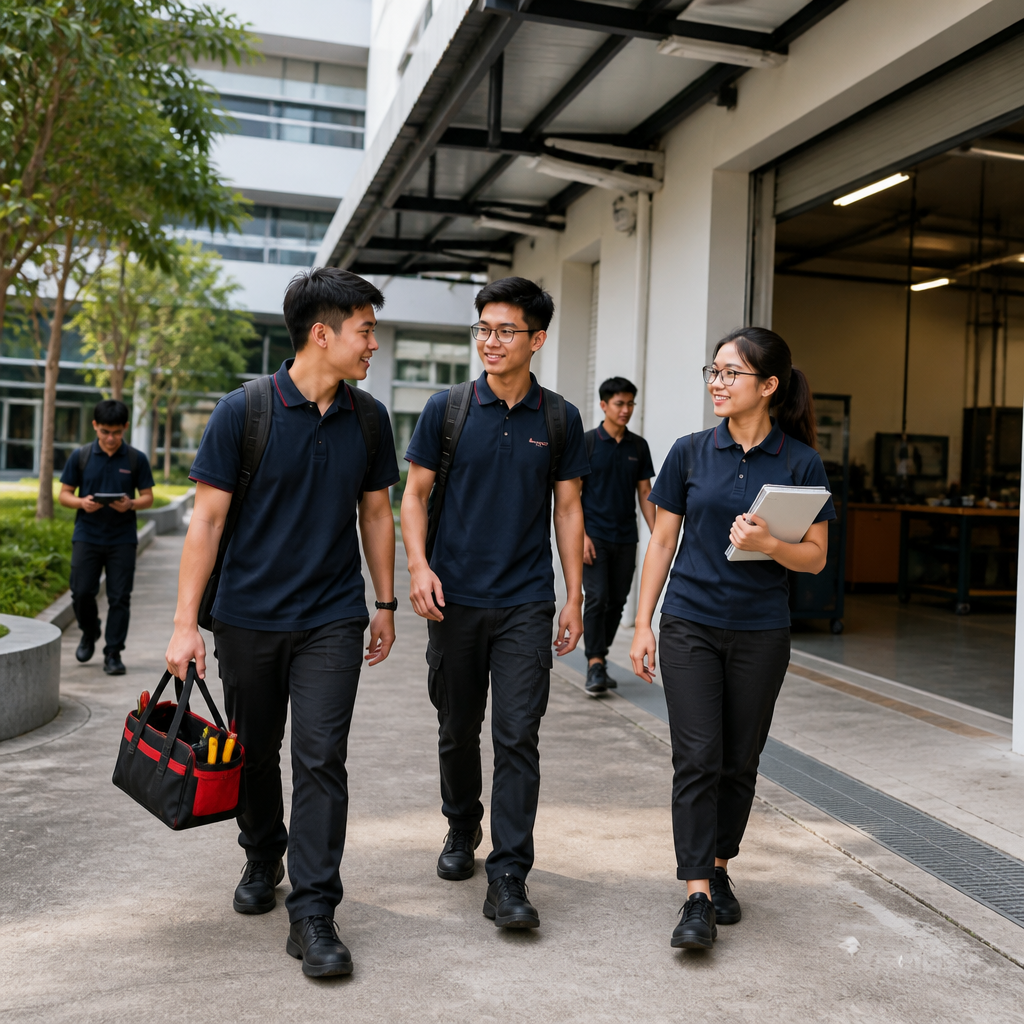
This guide explains where ITE fits in Singapore’s education system, who oversees it, how it is managed, and why that difference matters so much when families are trying to make sense of post-secondary options.
Key Takeaways
- ITE is under MOE at the system level. It is part of Singapore’s publicly supported post-secondary education sector, not a private institution operating outside national oversight.
- MOE oversees the bigger picture, while ITE manages daily operations. MOE sets national direction and policy, while ITE handles campuses, programmes, teaching, student support, and industry-focused training.
- ITE is not the same as a typical MOE school. It is post-secondary, career-oriented, and designed for applied learning, so the structure naturally feels different from primary or secondary school.
- ITE qualifications are recognised. Nitec and Higher Nitec are established credentials within Singapore’s education and workforce ecosystem.
- ITE is a public institution, not a private school. It is part of the national education system, even if people do not describe it in the same way as a neighbourhood school.
- A different style does not mean lower legitimacy. ITE’s approach reflects its applied, skills-based mission, not a lack of official standing.
- Always verify details through official sources. For the latest information, refer to MOE and ITE.
What It Means When People Ask If ITE Is Under MOE
The simplest answer to is ITE under MOE is yes. ITE sits within Singapore’s public education system as a post-secondary institution. It is not outside national education oversight, and it is not an independent private provider operating on its own terms.
When families ask whether ITE is under the Ministry of Education in Singapore, they are usually trying to understand three things: legitimacy, accountability, and future prospects. That is completely understandable. Once a child’s path looks different from what a parent expected, even a basic question can carry a lot of worry.
In practical terms, being under MOE means ITE belongs within the national education framework. It is part of an official post-secondary route, alongside other recognised institutions in Singapore’s education landscape.
That matters because not all options sit in the same category. A private school, a commercial training provider, and a public post-secondary institution may all offer courses, but they are not governed in the same way. ITE belongs to the public system, and for many parents, that provides an important sense of clarity.
Who Oversees ITE In Singapore?
If your real question is who oversees ITE in Singapore, the answer has two layers. MOE oversees the national public education system, including post-secondary pathways. Within that structure, ITE has its own institutional leadership and management.
MOE’s role in oversight
MOE’s role is broad. It covers national education planning, policy direction, and how different parts of the system fit together. This includes making sure post-secondary routes are organised, recognised, and aligned with Singapore’s wider educational aims.
For parents, the easiest way to picture this is simple. MOE governs the framework, but it does not run every lesson or daily campus decision. It gives ITE its place within the public education system.
ITE’s own leadership and management
ITE is not just a name sitting under MOE. It has its own management, leadership team, campuses, administrative systems, educators, student services, and programme delivery. This is a key part of how ITE is managed in Singapore’s education system.
That distinction often reassures families. A student in ITE is not in some vague in-between stage after secondary school. They are in a structured institution with its own operations, academic planning, student development support, and industry-linked training focus.
Why this matters to families
When results do not go the way a family hoped, emotions can run high. A common pattern among parents is to assume that if a pathway feels different, it must be outside the mainstream. That is not the case here.
What changes is the type of institution and learning model, not whether it is officially part of Singapore’s education framework.
How ITE Is Managed Day To Day
To understand how ITE is managed in Singapore, it helps to separate system oversight from daily operations. This is where many misunderstandings begin.
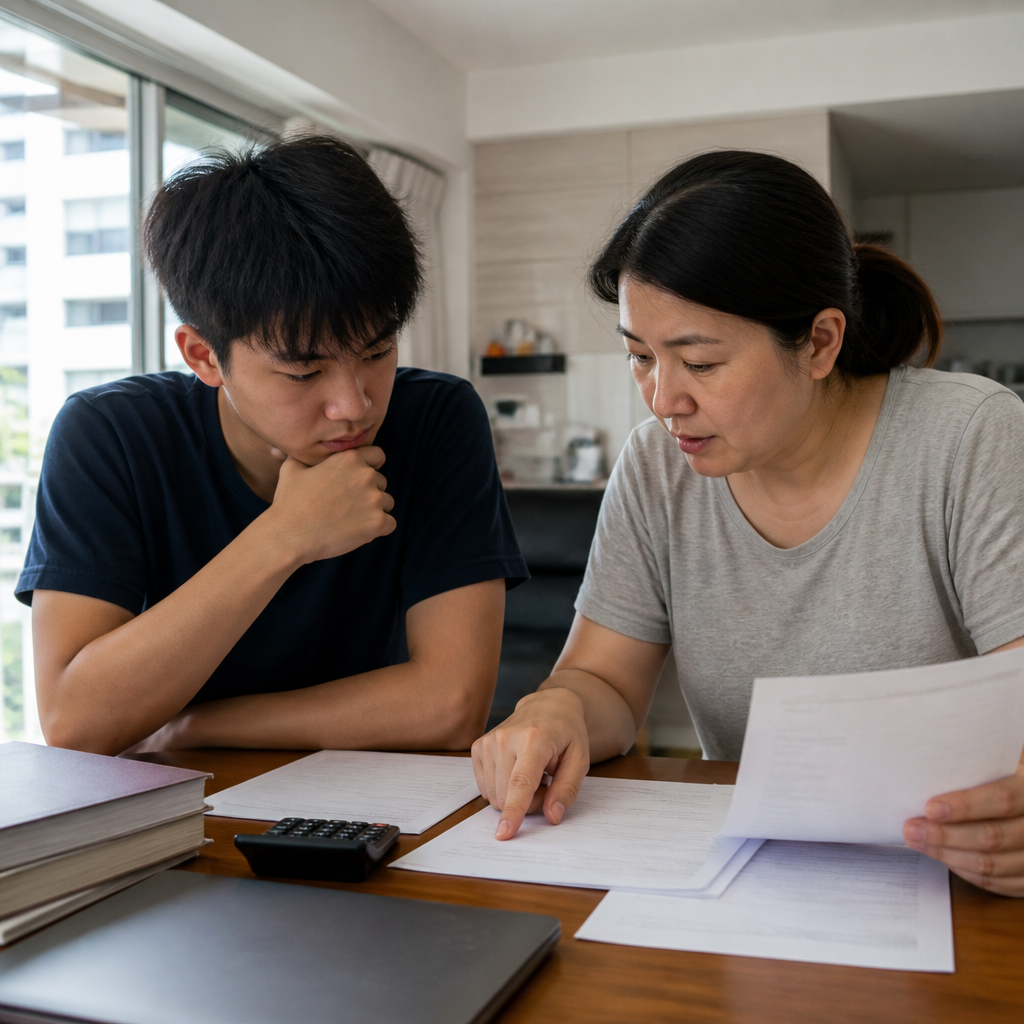
Before looking at the details, here is the clearest distinction.
MOE sets direction, while ITE runs the institution
MOE’s job is system-level. It guides national education priorities and ensures institutions sit within a coherent public education structure. ITE’s job is more specialised. It runs programmes, supports students, manages campuses, develops industry-relevant learning experiences, and carries out its mission as a post-secondary institution.
So if a parent is wondering who shapes daily student life, the answer is largely ITE. If the question is who places ITE within Singapore’s official education structure, the answer is MOE.
What ITE manages directly
ITE manages several important parts of student life and learning.
These differences do not mean ITE is outside the public system. They simply show that it serves a different educational purpose within the system.
Why families sometimes misread the difference
Many parents are used to the MOE school model they know from primary and secondary levels. Once the environment changes, it can feel unfamiliar. And when something feels unfamiliar, it is easy to read that as less official.
A different campus culture, teaching style, and course structure can create that impression. But the more accurate way to see it is this: ITE is officially part of the system, just designed for a different stage and purpose.
If your child needs extra academic support while adjusting to this pathway, you can learn more about our ITE tutors.
How ITE Differs From A Typical MOE School
The difference between MOE schools and ITE is not whether one is official and the other is not. The real difference is educational role.
ITE is post-secondary, not another secondary school
ITE is a post-secondary institution. That may sound obvious, but this point matters more than many parents realise. Some families still talk about ITE as if it were simply another version of secondary school. It is not.
Secondary schools provide broad general education up to the school-leaving stage. ITE comes after that stage and focuses on technical, vocational, and applied education with a clearer career orientation. That is why the experience often feels more adult, more specialised, and more hands-on.
Why the structure feels different
Students in ITE may notice less of the familiar school rhythm they knew before. There may be more practical modules, workshop-based learning, project work, and course-specific expectations.
For some teenagers, this is a welcome shift. For others, especially those who struggled with consistency in secondary school, the looser feel can be misleading. Tutors often notice that when students assume a more flexible environment means lower expectations, they are the ones who get caught out by deadlines, attendance issues, or practical assessments.
“ITE is more relaxed” can sound harmless at first.
But relaxed does not mean casual, and different does not mean easier.
It is a mission difference, not a status issue
This is the part many families need to hear clearly. Different does not mean inferior. ITE is built around a specific mission, applied learning, technical education, and skills development.
It exists because Singapore’s education system includes more than one kind of post-secondary route. And the truth is, not every student thrives in the same environment.

Progression pathways still exist
Another reason parents ask whether ITE is under MOE is that they are trying to understand whether the route leads anywhere meaningful. In reality, ITE is not a dead end. Depending on performance and course requirements, ITE students may progress to further study or enter the workforce with recognised training.
That does not mean every student will follow the same route, and it does not guarantee an identical outcome for everyone. But it does mean ITE sits within a broader pathway structure rather than outside it. For many families, that is an important distinction because it shifts the conversation from stigma to planning.
Is ITE A Government School Or A Public Institution?
A common parent question is whether the Institute of Technical Education is a government school in Singapore. The most accurate answer is that ITE is a public post-secondary institution in Singapore’s national education system.
It is government-supported and publicly recognised, even if people do not casually talk about it in the same way they talk about a primary or secondary government school.
Public, recognised, and nationally established
For worried parents, the real issue is trust. Is ITE official? Is it recognised? Will its qualifications matter later?
On those questions, ITE is not an outsider institution. It is publicly established and part of Singapore’s education landscape. That distinction becomes especially important when families compare ITE with private providers. Both may offer programmes, but they do not automatically carry the same public role, governance, or pathway integration.
Recognition of Nitec and Higher Nitec
Another concern usually follows quite quickly. Are Nitec and Higher Nitec recognised qualifications? Yes, they are recognised credentials within Singapore’s education and employment ecosystem.
Parents sometimes worry because the names feel less familiar than O-Level or polytechnic diploma terminology. That uncertainty is understandable. But unfamiliar does not mean unofficial.
Nitec and Higher Nitec are part of a structured pathway. They are not random or unrecognised certificates sitting outside the system.
For broader details on courses and progression options, you can read our guide here: What Is ITE?
Why Governance And Recognition Matter For Parents
Questions about governance can sound dry on paper, but for families, they rarely feel dry. A parent asking is ITE under MOE is often also asking, “Will my child still have a proper future if this is the route?”
Public oversight gives families confidence
When a pathway is publicly overseen and nationally recognised, families can make decisions with more confidence. That does not mean every student will thrive automatically. It does mean the institution itself is legitimate, structured, and part of Singapore’s broader education framework.
That difference matters on difficult evenings, especially after disappointing exam results. It is easy for a teenager to feel they have somehow fallen out of the “real system”. It is also easy for parents to panic and speak too quickly, sometimes dismissing ITE in front of the child as if it were a failure zone.
That kind of reaction can hurt more than parents realise.
What parents should check instead of relying on hearsay
Instead of relying on coffee shop opinions, social media comments, or outdated assumptions, check official information directly. Education structures, programme details, and pathway information can change over time.
Use MOE’s post-secondary overview and ITE’s official site for the latest guidance.
A calmer question often helps here. Not just “Is it under MOE?” but also, “What type of public institution is it, and will this learning environment suit my child?”
Recognition does not remove the need for fit
Being part of the public system does not mean ITE is the right fit for every student, or that every student will adapt smoothly. Some need time to mature. Some struggle with attendance once they feel the environment is less tightly supervised. Some need extra support in English, Math, or coursework habits to cope well.
Recognition gives the pathway legitimacy. It does not replace effort, support, and realistic expectations.
A practical way for parents to think about it
A useful way to frame ITE is this: legitimacy and suitability are related, but they are not the same thing. A pathway can be fully official and still require careful thought about whether a student is ready for its demands. Parents who understand this tend to ask better questions, such as how their child learns best, what support is available, and what progression options may open up later.
That mindset is usually more helpful than treating ITE as a label to fear or defend. Once families move past the question of whether it is “real,” they can focus on whether the student is likely to engage, persist, and grow there.
Frequently Asked Questions
Is ITE under MOE or completely separate?
ITE is under the broader oversight of MOE as part of Singapore’s public post-secondary education system. It is not separate in the sense of being outside national education oversight. At the same time, ITE manages its own campuses, programmes, operations, and student support, which is why it can feel different from a typical MOE school.
Is ITE a private school or a public institution?
ITE is a public institution, not a private school. It is part of Singapore’s national education landscape and is government-supported. That is an important distinction for parents who are trying to tell the difference between an official public pathway and a private training provider.
Why does ITE feel so different from a normal MOE school?
ITE feels different because it is post-secondary and has a different mission. Primary and secondary schools focus on general schooling, while ITE focuses on technical, vocational, and applied education. So the teaching style, structure, and campus environment naturally feel different, even though it is still part of the public education system.
Are Nitec and Higher Nitec recognised in Singapore?
Yes. Nitec and Higher Nitec are recognised qualifications within Singapore. They are established credentials in the education and employment ecosystem, not unofficial certificates. For parents who worry that the names sound unfamiliar, the key point is that unfamiliar does not mean unrecognised.
Where can I verify the latest information about ITE’s role in the system?
The safest approach is to check official sources directly, especially if you are worried that advice from others may be outdated. You can refer to MOE and ITE for the latest information on ITE’s role, post-secondary pathways, and current details.
Conclusion
So, is ITE under MOE? Yes. ITE is part of Singapore’s public post-secondary education system and comes under the broader oversight of the Ministry of Education. At the same time, ITE has its own institutional leadership, management, campuses, and specialised role. That is why it can be both publicly governed and operationally distinct.
For parents and students, the most important reassurance is this: ITE is not outside the system, not unofficial, and not a private institution operating separately from national education oversight. It is a recognised public pathway with a clear place in Singapore’s education landscape.
If your child needs extra academic support while navigating the ITE pathway, learn more about our ITE tutors.