


Introduction
One week, your child is just settling into school routines. The next, there is a form for CCA sign-ups, talk of attendance, and unfamiliar terms like LEAPS 2.0. For many parents, especially if you are still getting used to the Singapore school system, this is the point where things suddenly feel more complicated than expected.
If you are wondering what CCA is in Singapore and why schools place so much emphasis on it, you are not alone. CCA stands for Co-Curricular Activity. In MOE schools, it refers to structured activities outside the academic classroom, such as sports, performing arts, uniformed groups, and clubs and societies. These are not simply “extras” to fill time after school. They are part of how schools support holistic development, helping students build teamwork, leadership, resilience, discipline, confidence, and friendships.
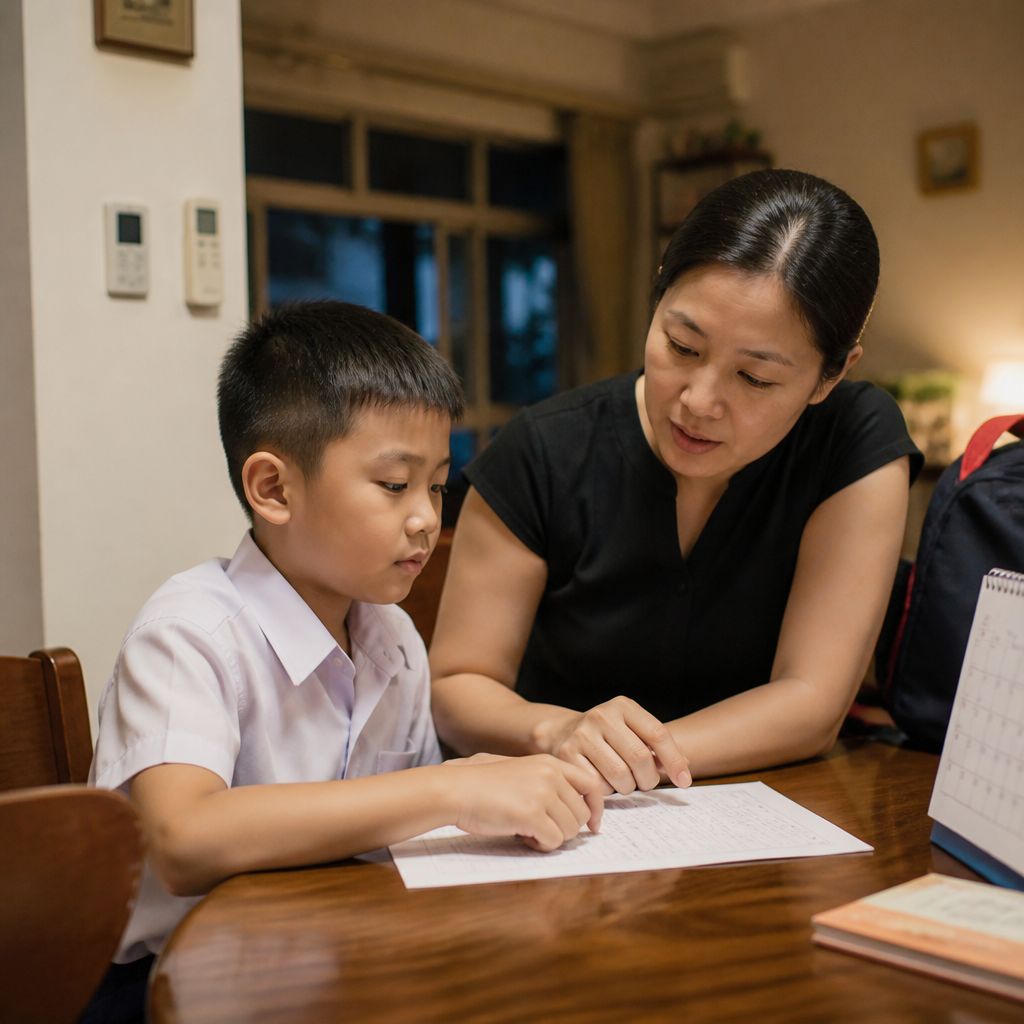
For many families, the uncertainty is not just about definition. It is about the real-life impact. Does your child really need a CCA? Will it eat into homework time? How serious does the commitment become as children grow older? The short answer is that CCA expectations differ across primary school, secondary school, and junior college, and schools may implement them slightly differently. This guide explains what CCA means in Singapore schools, how it works at each level, and how to choose wisely.
Key Takeaways
- CCA is more than an after-school hobby. In Singapore schools, it is part of holistic education, giving students a structured space to develop character, teamwork, and confidence beyond academics.
- CCA expectations change by school level. Primary school CCAs are often lighter and more exploratory, while secondary school and JC usually involve clearer attendance, training, and leadership expectations.
- Schools do not all run CCA in the same way. MOE provides the broad framework, but schools may differ in available CCA choices, training frequency, and participation arrangements.
- Secondary school CCA often matters more than parents first expect. Beyond personal growth and school belonging, participation may also connect to LEAPS 2.0 recognition.
- The right CCA depends on fit. Interest, stamina, schedule, and realistic commitment matter more than prestige.
- Workload issues are real. A child can enjoy CCA and still feel tired when homework, tuition, and exam preparation pile up.
What CCA Means
When parents ask what CCA means in Singapore schools, they are usually trying to work out whether it is like an enrichment class, a hobby club, or a school subject. In reality, it sits somewhere in between. A CCA is school-based, organised by the school, and meant to complement academic learning. That is why it is called “co-curricular” rather than “extra-curricular”.
Common CCA categories in Singapore
Most MOE schools offer CCAs under a few broad categories.
The available list varies by school. One school may have a strong performing arts culture, while another may be known for sports or uniformed groups.
Why schools take CCA seriously
CCA is tied to the idea that education is not only about test scores. A child who learns to perform in front of an audience, work with a team after losing a match, or take responsibility as a student leader is developing habits that classrooms alone do not always teach.
This is also why some students who are quiet in lessons become surprisingly confident in CCA. That sense of belonging can spill over into school life, motivation, and classroom participation.
For official information on MOE’s approach to CCAs, parents can refer to MOE’s CCA page.
How CCA Works In Primary School
Many parents want to know how CCA works in primary school because this stage is often less straightforward than expected. In some primary schools, CCA participation may begin later and feel lighter. In others, children may be introduced to options through tasters, school programmes, or more formal sign-ups.
Primary school CCA is usually less intense
Compared with secondary school, primary school CCAs are often more exploratory. A Primary 3 or 4 child may still be figuring out what they enjoy, and schools know that younger children are adjusting to routines, homework, and growing independence.
Still, “less intense” does not mean “no commitment”. Even at primary level, some CCAs have regular sessions, and certain sports or performing arts groups may step up during events or competitions.
Expectations can vary by school
There is no single fixed experience across all primary schools. One school may treat CCA mainly as enrichment exposure. Another may expect more regular attendance once a child joins. Because of this, it is best to read the school’s current materials and ask specific questions during orientation or selection.
Useful questions include:
- How often does the CCA meet, and on which days?
- At which levels does formal participation begin?
- Are there extra sessions before competitions or performances?
- Can students change CCA later if the fit is poor?
Primary school is a stage for discovery
At this level, the goal is usually exposure, confidence, routine, and discovery. If a child enjoys trying different things and comes home energised rather than drained, that is often a good sign.
In many cases, a healthy first CCA experience matters more than choosing the “right” one on paper.
Why CCA Matters More In Secondary School
Secondary school is where the question becomes more practical and more serious. Parents often ask whether CCA is compulsory in Singapore government schools. In many mainstream secondary schools, students are generally expected to take part in a CCA, but exact expectations can vary by school and programme.
Secondary school CCA comes with more structure
At secondary level, CCA often becomes a more established part of school life. Students may train or meet weekly, take on roles, attend camps, represent the school, or work toward leadership opportunities. Attendance and participation tend to matter more than at primary level.
This is also the stage where LEAPS 2.0 becomes relevant. LEAPS 2.0 is a framework that recognises students’ participation and development in areas such as leadership, achievement, participation, and service. Families should read the latest official guidance at MOE’s LEAPS 2.0 page.
The benefits go beyond records
The benefits of CCA for secondary school students are not only about recognition. Very often, they are personal and visible at home.
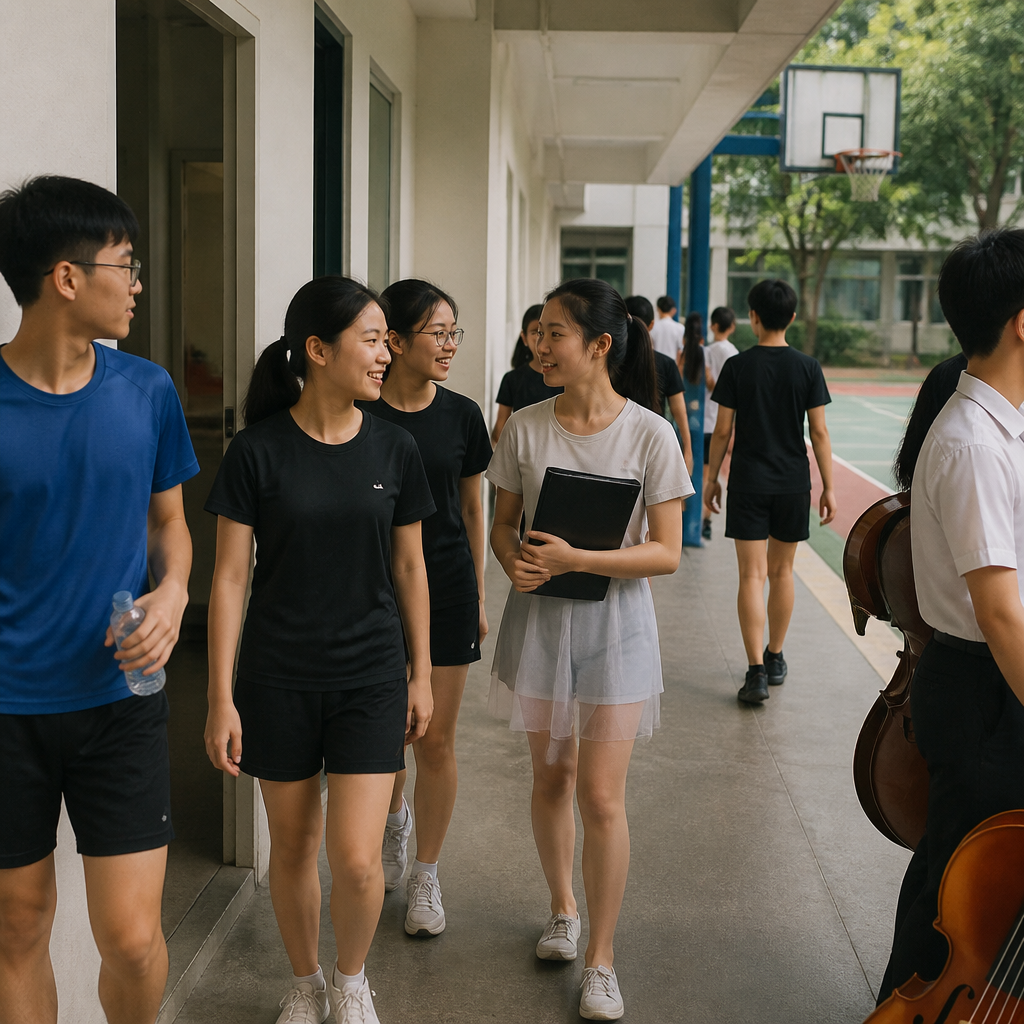
A Secondary 2 student who feels lost socially may finally find close friends in drama club. A student who struggles with confidence may learn to speak up after becoming a section leader in NCC. Another child who seems restless in class may thrive in a sport where movement and discipline give structure to the week.
There are practical benefits too:
- Time management improves. Students learn to plan homework, revision, and rest more carefully.
- Commitment becomes real. CCA teaches students that growth often means showing up consistently.
- Teamwork is tested under pressure. Students learn how to cooperate and recover from setbacks.
- Leadership can become visible. Organising events or guiding juniors often develops maturity.
When CCA becomes a workload issue
This is often where family tension begins. A child may still have unfinished homework after CCA, and if tuition is added on another weekday, evenings can become rushed and stressful.
In many cases, the issue is not laziness but fatigue. If that is happening regularly, the routine may be overloaded and need adjustment.
If your child needs more academic support while balancing school commitments, you can learn more about our tutors and find a schedule that works alongside CCA demands.
What CCA Looks Like In Junior College
By the time students reach junior college, the conversation shifts again. CCA at this stage often feels more self-directed but also more demanding. Students are older, more independent, and usually clearer about what they want from school life.
Time pressure is sharper in JC
The A-Level pace is fast. Lecture content, tutorials, tests, and travel time already create a packed week. So while CCA remains important, students often feel the time cost more sharply than before.
Some JCs have vibrant CCA cultures, with students committing heavily to sports seasons, performances, service projects, or leadership teams.
JC CCA is often about depth
Unlike younger students, JC students may enter a CCA ready to contribute at a higher level. A student in debate may take on competition preparation. A performing arts member may handle demanding rehearsals before a major showcase. A sports student may train intensely during season periods.
At this level, CCA can shape identity, friendships, confidence, and future interests. But a very heavy commitment may not suit every student, especially one already struggling academically.
That is why “join something impressive” is not always wise advice. A manageable CCA that gives connection and purpose can be far better than a glamorous one that leaves the student exhausted.
How CCA Affects School Workload
One of the biggest practical questions behind CCA in Singapore is not the definition, but the weekly reality.
Frequency depends on the school and activity
There is no one-size-fits-all schedule. Some CCAs meet once a week. Others may meet more often, especially sports teams, performing arts groups before events, or uniformed groups with camps and additional activities.
This is why broad assumptions can mislead families. “It is only one club” sounds manageable until you realise there are rehearsals, Saturday sessions, competition periods, or travel time home.
Workload is not just about hours
A one-and-a-half-hour robotics session may affect a child very differently from a two-hour outdoor training. Personality matters too. One student returns home energised after CCA and finishes homework efficiently. Another comes back tired and unable to focus.
A useful question is: after this CCA, what is my child like for the rest of the evening? If meltdowns, late-night homework, and repeated fatigue become routine, the schedule may need rethinking.
Balance matters during exam periods
Some schools taper activities near major exams, but this varies. For some students, CCA supports mental health by giving structure and release. For others, it becomes one demand too many.
Parents often feel torn here. Cutting all activities at the first sign of stress is not always the answer. But ignoring repeated exhaustion because “CCA builds character” can backfire too. Balance matters more than blanket rules.
How to Choose the Right CCA
For many families, this is the most important question. Choosing the right CCA in Singapore is not really about chasing the “best” activity. It is about fit.
Start with the child, not the parent’s ideal
A parent may dream of a prestigious sports team or a polished performing arts portfolio. But if the child dreads every session, the result is often resentment, poor attendance, and conflict at home.
Interest does not have to mean expertise. A child can join choir without being the best singer in class, or robotics without prior coding knowledge. What matters more is whether the child is willing to keep showing up even when it gets harder.
Be honest about commitment
Before choosing, ask:
- How many afternoons are already occupied?
- Does the child get tired easily after school?
- Is this CCA seasonal or intense all year?
- Will exam-year pressure make this harder to sustain?
A child who is already struggling with homework completion may not cope well with a high-intensity CCA, even if the activity sounds impressive.
Simple Checklist for Choosing a Suitable CCA
Frequently Asked Questions
Is CCA compulsory in all Singapore schools?
Not all schools handle CCA in exactly the same way. In many mainstream MOE secondary schools, students are generally expected to join a CCA. Primary school arrangements may be less formal, especially for younger pupils. Junior college expectations also differ by institution. Always check the latest school guidance or official MOE information.
Can my child change CCA after joining if it is clearly the wrong fit?
Sometimes yes, but schools usually have procedures and timing rules. It is often easier to change earlier rather than much later, especially once training groups, teams, or performances are set. If your child is struggling, speak to the school early.
Will CCA affect my child’s grades if they are already busy and tired?
It can affect grades positively or negatively, depending on the fit. A suitable CCA can improve confidence, routine, and motivation. An overly demanding one can contribute to fatigue and late homework. Usually, the issue is not CCA itself, but whether the overall weekly load is manageable.
What if my child is not sporty or very outgoing?
That does not mean CCA is not for them. Clubs and societies, media activities, science-related groups, and many performing arts options can suit different personalities. Some quieter students thrive when they find a structured group linked to a genuine interest.
Conclusion
So, what is CCA in Singapore? It is a core part of school life that goes beyond academics, helping students grow through sports, performing arts, uniformed groups, and clubs and societies.
But the real answer depends on school level and context. Primary school CCA can be lighter and more exploratory, secondary school CCA often carries more structure and significance, and JC CCA may become more intense but also more personally meaningful. Expectations, frequency, and benefits are real, but they vary by school, so it is always wise to verify details with the school and official MOE sources.
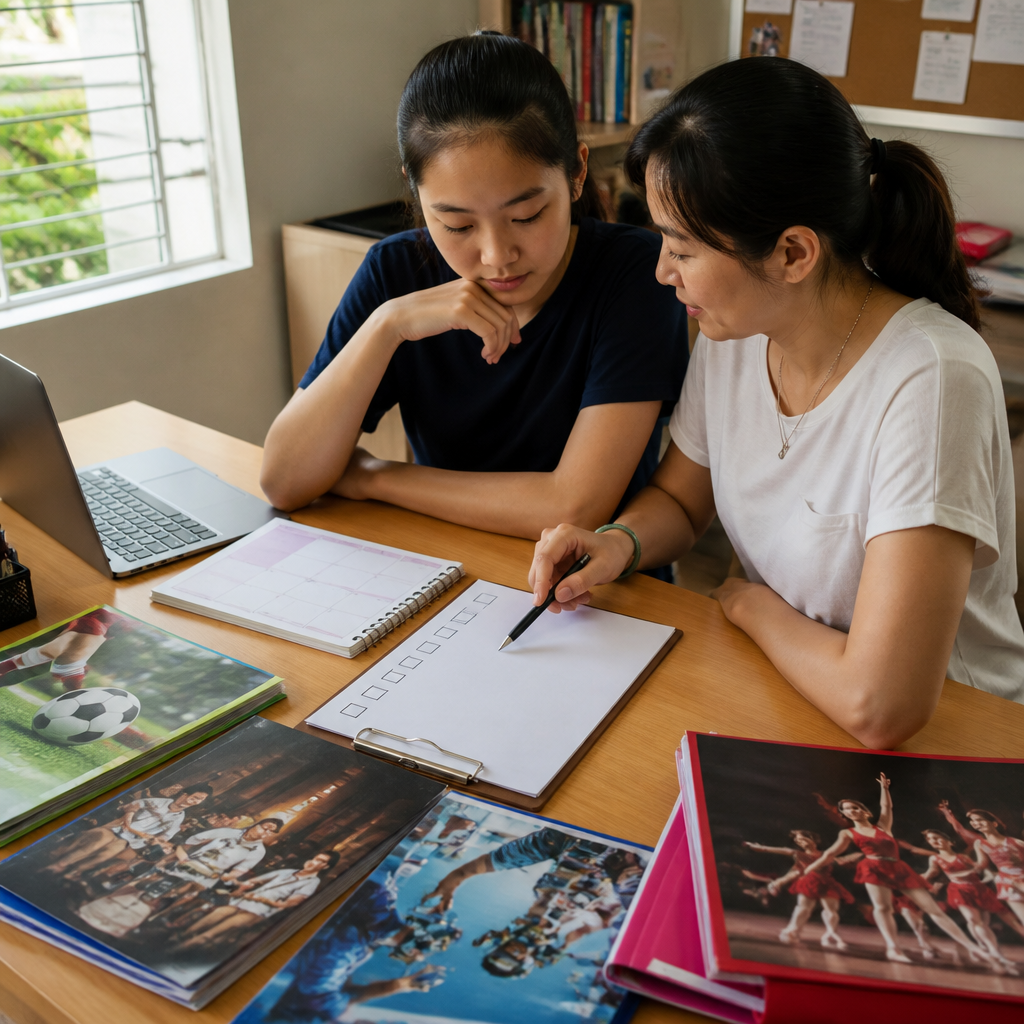
For families new to the system, the best approach is not to panic or chase the “best” CCA on paper. Look for a fit that matches your child’s interests, energy, schedule, and stage of life. And if your child is trying to balance CCA with schoolwork and needs steadier academic support, you can learn more about our tutors or visit Singapore Tuition Teachers.