


Introduction
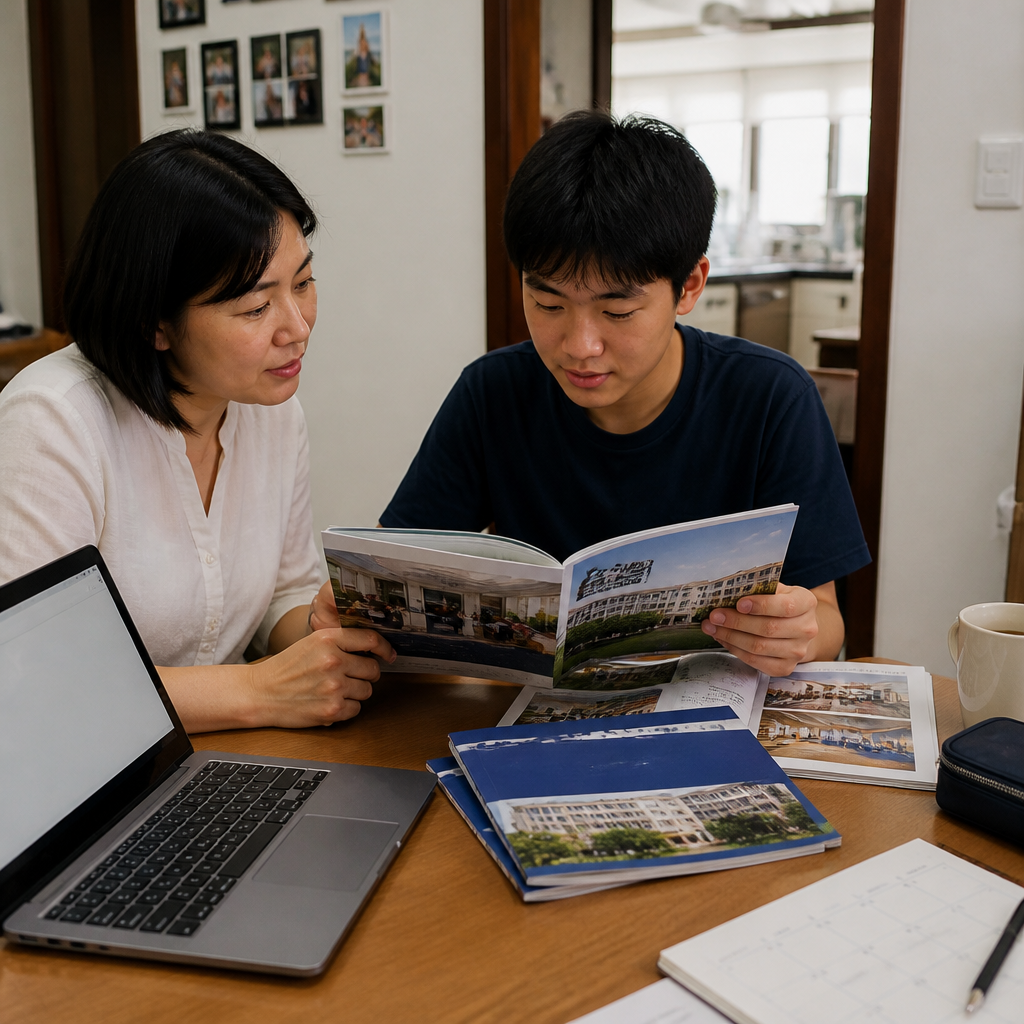
If your home has been filled with questions like “JC or poly?” after O-Levels, you are not alone. Many Singapore parents reach this stage feeling pulled in different directions. One person says junior college keeps doors open. Another says it is stressful and only suits certain students. Your child may not be fully sure either.
The short answer is simple. Junior college, or JC, is a two-year pre-university pathway in Singapore that prepares students mainly for the GCE A-Level examinations. It comes after secondary school and is usually chosen by students who want a more academic route after O-Levels. But once parents look beyond that basic definition, the real questions start. What does junior college work after O Levels actually look like in daily life? What do students study? How does admission work? And perhaps most importantly, will the pace suit your child?
Key Takeaways
- JC is a two-year pre-university route. It prepares students for the A-Levels and works as a bridge between secondary school and university, rather than a career-specific diploma pathway. For students who are still exploring future degree options, this broad academic route can be useful.
- The pace is much faster than secondary school. Many JC1 students feel shocked in the first few months because lessons move quickly, content is heavier, and independent revision matters much more. A child who managed with last-minute studying in Sec 4 may suddenly find that approach no longer works.
- JC is more theory-based and exam-centred than polytechnic. This is one of the biggest practical differences between junior college and polytechnic in Singapore. It shapes not just workload, but also the kind of learner who is more likely to cope well.
- Admission is usually through JAE after O Levels. Families often hear about L1R5 and school choices at this stage, but it is best to check the latest official details on MOE because requirements and processes can change.
- Students study a mix of academic subjects and school-based components. In most JCs, this includes H1 and H2 subjects, General Paper, Project Work, Mother Tongue if applicable, and CCA. The structure is broad, but expectations are high.
- Early struggles in JC do not automatically mean the route is wrong. Sometimes the issue is poor study habits, weak foundations, long travel time, or difficulty adjusting to a new learning style. The first few months often show what kind of support a student needs.
- Fit matters more than prestige. If your child learns better through hands-on work, already has a clear diploma interest, or is deeply tired of exam-heavy study, another route may suit better. Choosing JC should be about suitability, not pressure from relatives or school culture.
What Junior College Is Really For
When parents ask what junior college is in Singapore, they are often asking something deeper. What kind of student is this pathway really meant for?
A bridge between O Levels and university
JC is best understood as a pre-university academic route. After O-Levels, students who enter JC spend two years preparing for the A-Level examinations. Unlike polytechnic, which leads to a diploma in a specific field, JC is broader and more academic. It keeps university options open, especially for students who are still unsure which degree direction they want.
That broadness can be reassuring. A Sec 4 student may be doing well in subjects like Math and Chemistry, but still have no clear idea whether they want to study engineering, economics, medicine, or something else later on. JC gives them more time to grow academically before making that choice.
Why some families choose JC
For some students, JC feels like a natural continuation of school life. They are used to textbooks, class tests, timed papers, and theory-heavy subjects. They may not enjoy every part of it, but they can function within that structure.
For other families, the appeal is flexibility. If a child does not want to commit too early to a diploma area, JC can feel like the safer option. But that does not mean it is the easier one. A common pattern among students is that they enter JC thinking it is simply the “more academic” path, then realise very quickly that the demands are much heavier than expected.
Another reason families consider JC is timing. Because the route is two years before A-Levels, some parents see it as a more direct path to university compared with a three-year diploma. That may be attractive, but it only works well if the student can cope with the compressed pace. A shorter route is not automatically a lighter route.
How Junior College Works After O Levels
Understanding how junior college works in Singapore after O Levels helps parents see why JC is not just “secondary school part two”. On the surface, it may still look like school, but the expectations change quite sharply.
How students usually enter JC
Most students enter JC after O-Levels through the Joint Admissions Exercise, or JAE. Broadly, students use their O-Level results, including the L1R5 aggregate, to apply for eligible schools. That is the basic structure behind junior college admission in Singapore, although the exact details should always be checked using official sources.
You do not need to memorise every admissions detail straight away. What matters first is knowing that entry depends on academic results, school choices, and that year’s eligibility rules. For the latest information, check JAE admissions on MOE and MOE’s overview of junior colleges and Millennia Institute.
What happens after admission
Once admitted, students begin JC1 and then move to JC2. These two years revolve around academic preparation for the A-Levels, school internal exams, and co-curricular commitments. There is usually a steady cycle of lectures, tutorials, homework, tests, revision periods, and school activities.
This shift often feels faster than parents expect. One moment your child is waiting for posting results. Very soon after, they are managing orientation, new classmates, lecture notes, diagnostic tests, and CCA schedules that can stretch well into the evening.
In many schools, the first term is also when students choose or confirm subject combinations. That decision matters because it affects both workload and future options. A student may like a subject at O-Level but find the A-Level version much more demanding. This is why early conversations about strengths, interest, and stamina are useful before school starts in full force.
What Students Study In JC
A very common parent question is what subjects are offered in junior college in Singapore. The broad answer is that JC students study academic subjects at different levels, along with several core components.
The general subject structure
Most JC students take a combination of H1 and H2 subjects. In simple terms, H2 subjects generally involve greater depth than H1 subjects. Students also take General Paper, which focuses on reading, argument, and writing skills, as well as Project Work, which involves group-based research and presentation. Mother Tongue may also apply, depending on the student’s situation.
The subject combinations vary by school and stream. Some are built around sciences and mathematics, while others lean more towards humanities or arts subjects. At this stage, parents do not need to get bogged down by every subject code. The more useful takeaway is that JC is broad, academic, and content-heavy.
It is not just about classroom subjects
CCA still matters in JC, and many students underestimate this. A child may finish lessons in the afternoon, stay back for CCA, travel home, have dinner, and only begin revision much later in the evening. That is one reason JC can feel overwhelming even for students who did well at O-Levels.
Tutors often notice the same early mistake in JC1. Students assume their Sec 4 habits will still work. They revise only when a test is near, depend too heavily on school notes without really processing them, and then panic after their first poor results. Very often, the issue is not lack of ability. It is adjustment.
It also helps parents understand that different subjects demand different study methods. Memorising definitions may help only a little in JC. Many papers require explanation, comparison, evaluation, and application. A student who studies passively may spend many hours at the desk but still make limited progress. Learning how to revise effectively is part of the transition.
What JC Life Feels Like Day To Day
If you really want to understand junior college in Singapore, it helps to picture the daily rhythm, not just the official pathway.
The jump from secondary school is real
The content moves faster. Teachers expect more independent learning. Tutorials are often not meant for first exposure to the topic. They assume the student has already gone through the lecture material beforehand. A child who used to listen in class and get by may suddenly feel lost.
This is where many parents start to worry. Your child was coping reasonably well in secondary school, so why do they now seem tired, discouraged, or unsure of themselves? In many cases, this is part of the normal JC1 adjustment period, not proof that they made the wrong choice.
Long days, mental fatigue, and emotional strain
A typical weekday can be draining. School starts early. There may be lectures, tutorials, a test, CCA, then a long trip home. By the time your child sits down with their notes, they may already be mentally exhausted.
This is also when tension at home can build. Parents see unfinished work and worry their child is not doing enough. The child feels they are trying, but still cannot catch up. Not every struggling JC student is lazy. Sometimes the real issue is sleep deprivation, weak foundations, poor time planning, or not knowing how to revise at this level.
Early support can make a real difference here. If your child is considering the JC route and may need help managing A-Level subject demands, learn more about our JC tutors for steady academic support and confidence-building.
JC vs Polytechnic: Which Path Fits Better?
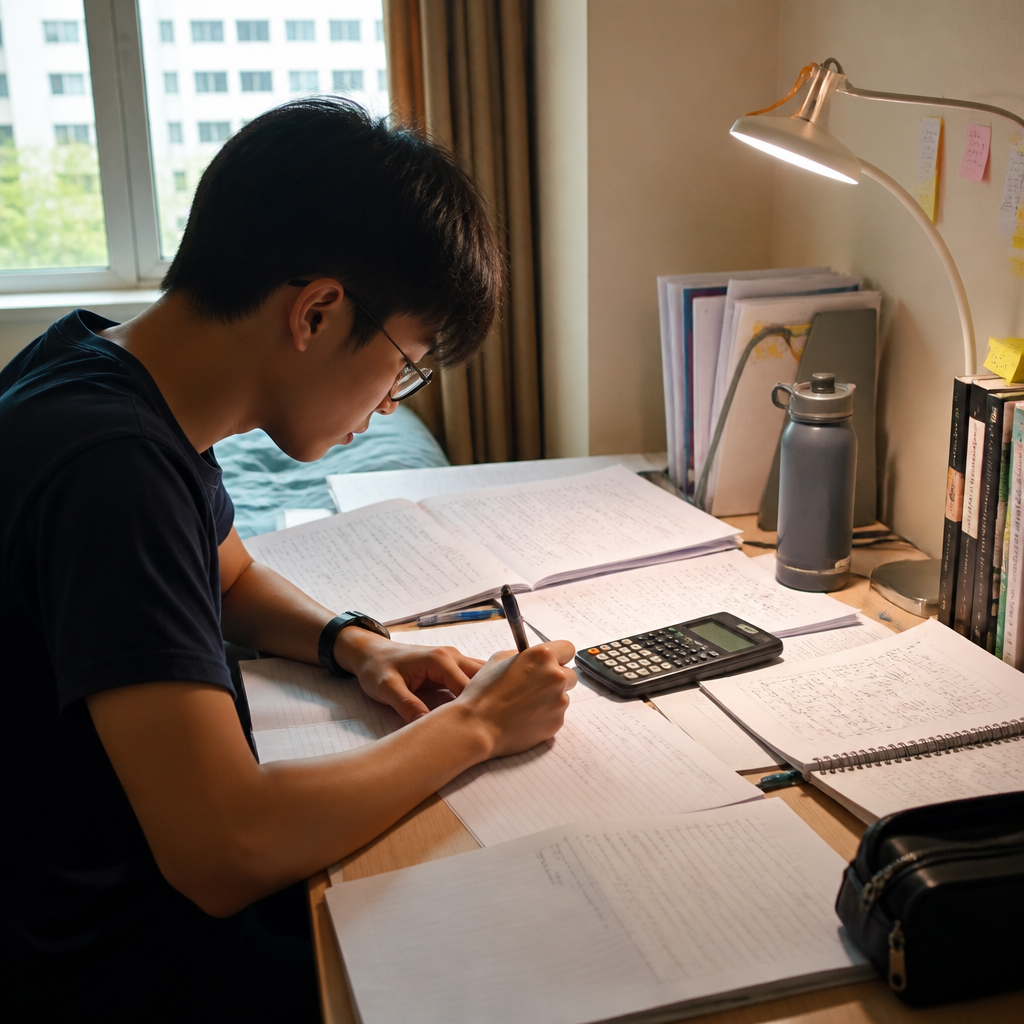
The difference between junior college and polytechnic in Singapore is one of the biggest decision points for families. It should never be reduced to “JC is better” or “poly is easier”. Those ideas sound simple, but they do not help parents make a thoughtful decision.
Here is the contrast in a clearer way:
JC is more academic and exam-focused
JC usually suits students who can handle theory, abstraction, and sustained preparation for major written exams. The route is shorter at two years, but that also means there is less room to drift. If a student loses momentum in JC1, catching up can feel stressful.
A child who enjoys essays, mathematical thinking, scientific explanation, and structured revision may find JC more suitable. Even then, the workload can still feel intense.
Polytechnic is more applied and course-specific
Polytechnic leads to a diploma in a specific field. The learning style is often more project-based, practical, and driven by continuous assessment. That can suit students who dislike pure theory and respond better when learning feels applied.
Think about the difference between two Sec 4 students. One wants to keep options open and is comfortable with content-heavy study. The other already knows they prefer practical projects over exam papers. Both can do well, but not necessarily in the same environment.
Fit matters more than outside pressure. Some students choose JC because it sounds safer, then struggle because they never wanted an exam-centred route. Others rush into poly without much interest in the diploma area. The better question is not which route sounds more impressive, but which one matches the student’s learning style and longer-term direction.
How To Tell If JC Is Right For Your Child
Parents often ask whether junior college in Singapore is right for their child. The honest answer depends on more than grades alone.
Signs JC may be a good fit
JC may suit your child if they are generally comfortable with academic learning and can work with abstract ideas, not just memorise facts. It also helps if they are willing to revise consistently even when no test is around the corner. JC rewards steady effort much more than last-minute bursts.
Another good sign is when your child wants to keep university options broad. A student who says, “I’m not sure what I want yet, but I want to stay academically open,” may benefit from the JC route.
Coping with exam pressure matters too. No student enjoys stress, but some can still function within it. They may feel anxious, but they can organise themselves and keep going.
Signs another route may suit better
Some students are simply worn out after years of theory-heavy schooling. Others only become engaged when work feels practical or project-based. A child with a clear interest in a diploma area may gain more from polytechnic than from two more years of broad academic study.
Parents should also pay attention to emotional readiness. If your child is already badly burnt out at the end of Sec 4, pushing JC immediately just because it “keeps options open” may backfire. Keeping options open sounds wise, but it is not always the kindest or most suitable choice if the student is too drained to cope with the demands.
A useful way to think about this is to separate ability from fit. A student may be capable of entering JC on paper but still not thrive there. Another may have average confidence but be highly disciplined and end up coping well. Looking only at cut-off points or school reputation can hide these differences.
What Parents Should Watch For In JC1
The first year often reveals less about whether your child belongs in JC, and more about what kind of support they need.
Early dips are common
It is very common for results to dip in the first few months. A student who did reasonably well at O-Levels may suddenly fail a class test or perform badly in a tutorial quiz. That can feel alarming, especially if they were previously confident.
But an early drop does not automatically mean the route is wrong. Sometimes it points to a specific and fixable issue, such as weak note-taking, poor revision habits, overcommitment to CCA, or difficulty adapting to lecture-based learning.
Support should be targeted, not panicked
When parents see disappointing results, the instinct is often to push harder straight away. More reminders. More comparisons. More tuition for every subject. Unfortunately, that can make an already discouraged student shut down.
A calmer approach is usually more useful. Ask sharper questions. Is the issue one subject or many? Is your child struggling because the content is hard, because their routine is messy, or because they are emotionally exhausted? Have they actually learned how to study in JC, or are they still using Sec 4 methods in a much tougher environment?
Sometimes what helps most is structure, not pressure. Earlier sleep, a more realistic revision routine, and support for the subjects that are slipping can stabilise the year before panic takes over the household. If you need personalised help, you can also explore private home tuition support.
Frequently Asked Questions
Is JC only for top students?
No. JC is academically demanding, but the more useful question is whether the student fits the learning style and pace. Some students with strong O-Level results still struggle because they dislike theory-heavy study, while others do well because they are consistent, adaptable, and able to adjust.
How do junior college admissions work in Singapore?
Broadly, students usually apply through JAE using their O-Level results, including L1R5, and indicate their school choices. If you want the latest official timelines, eligibility details, and requirements, refer to MOE’s JAE page.
What if my child struggles in JC1 and starts losing confidence?
That is more common than many families expect. The first year often exposes weak study habits, difficulty adjusting to faster content, and the strain of longer days. Struggling does not always mean JC is the wrong route, but it does mean the family should identify the real issue early and respond with the right support.
What subjects do students take in junior college?
Students usually take a mix of H1 and H2 academic subjects, plus General Paper, Project Work, and Mother Tongue if applicable. Subject availability varies by school, so it is best to check the latest school information directly.
Is JC better than polytechnic for university?
Not automatically. JC is one route to university, but polytechnic can also lead there. The better choice depends on your child’s learning style, interests, stamina, and whether they are more ready for an exam-centred route or an applied one.
Conclusion
So, what is junior college in Singapore? It is a two-year pre-university pathway that prepares students for the A-Levels and offers a broad, academic route between O-Levels and university. It can be a strong fit for students who are comfortable with theory, willing to revise consistently, and not yet ready to narrow themselves to a diploma area. At the same time, it is not automatically the best route for every Sec 4 student.
For parents, the real task is not to chase a label. It is to understand the demands honestly. JC life can be rewarding, but it is also fast, tiring, and emotionally stretching, especially in the first year. A rough start does not always mean your child chose wrongly. Sometimes it simply means they need time, better habits, or the right academic support.
If your child is considering the JC route and may need help managing A-Level subject demands, learn more about our JC tuition support or reach out for private home tuition support.