


Introduction
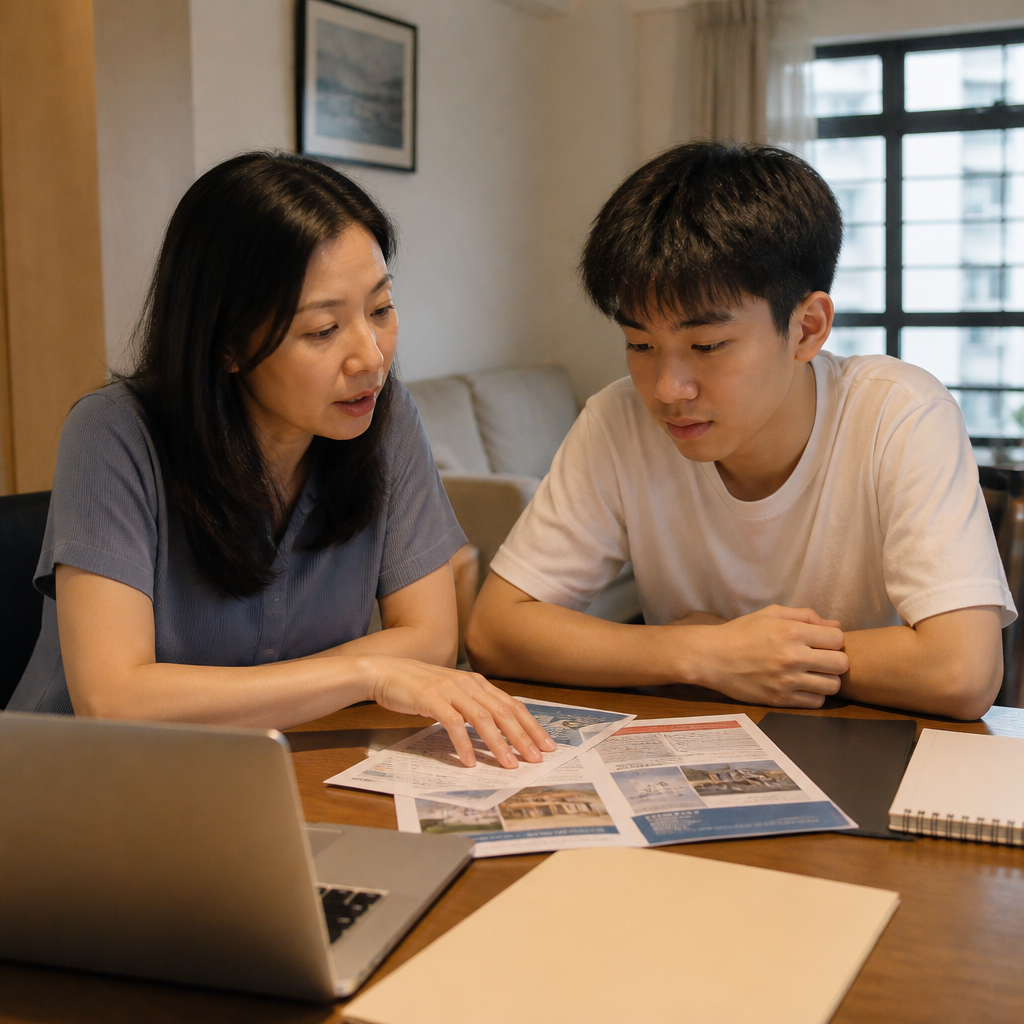
The days after results release can feel like a blur. One relative says JC is the “safe” choice. Another says poly is more practical. Then someone throws in a comment about ITE that leaves everyone feeling worse. If your family is trying to figure out what comes after secondary school in Singapore, that uncertainty is completely normal.
For many parents, this decision is not just about grades. It is also about confidence, maturity, motivation, travel time, finances, and fit. A teenager may qualify for a pathway on paper, but still struggle badly if the environment does not suit them.
This guide looks at the main post-secondary pathways in Singapore, including JC, Millennia Institute, polytechnic, ITE, private education, and retaking exams. The aim is simple, to help families compare options calmly, avoid common mismatches, and know what to check next.
Key Takeaways
- There is no single best path for everyone. The right post-secondary route after O-Levels depends on grades, learning style, motivation, and the kind of environment that helps a student stay consistent. A pathway that sounds impressive can still be the wrong fit in daily life.
- JC, poly and ITE are built for different learners. A student who handles content-heavy exams well may thrive in JC, while one who learns better through projects, labs, or applied work may do better in poly or certain ITE courses. The structure matters as much as the qualification.
- Grades matter, but fit matters too. A student can qualify for a pathway and still struggle if the pace, teaching style, or culture does not suit them. Eligibility opens doors, but it does not guarantee a good adjustment.
- Parents should look beyond prestige. Short-term pride can turn into long-term stress when a child enters a route they are not emotionally or academically ready for. A sustainable choice often leads to better confidence and steadier progress.
- There are more options than many families realise. Besides polytechnic or junior college after O-Levels, students may also consider Millennia Institute, ITE, private institutions, or retaking key exams.
- Research must be current and specific. Cut-off points, course requirements, and admission details can change, so always verify the latest information on MOE and official school websites.
- Support during the transition still matters. If a child is heading into a demanding next step and needs stronger subject foundations, extra support before the new term can make the adjustment smoother.
Start With Fit, Not Just Scores
Most families start with the result slip. That makes sense. O-Level and N-Level scores affect what is available, and posting exercises are real limits. But when the conversation stops at L1R5 or ELR2B2, it becomes easy to make a choice that is technically possible but poorly suited.
Look at how the student actually learns
Some teenagers can revise independently, manage heavy reading, and sit through academic lessons even when they are tired. Others lose focus quickly in lecture-style settings but do much better when they can discuss, present, build, or apply what they are learning.
That difference matters when choosing between JC, polytechnic, and ITE.
Tutors often notice this very clearly. One student may score reasonably well because of strong memory and last-minute mugging, yet struggle with projects and teamwork. Another may not shine in written exams but show strong practical judgment and steady effort in coursework. The route should match the student’s real learning pattern, not just one exam season’s results.

Consider emotional readiness as seriously as academic eligibility
This is the part many families underestimate. A student may qualify for JC but already be burnt out after years of tuition, school pressure, and CCA commitments. Another may be eager for a fresh start and ready to commit to a more structured diploma path.
Emotional readiness often shapes what happens in the first six months.
It helps to ask less glamorous questions:
- Can your child handle delayed gratification?
- Do they need a clearer sense of direction to stay motivated?
- Are they likely to feel crushed by another two years of exam-focused studying?
These questions may feel softer than grades, but they often tell you more about whether a student will cope.
Think about daily routine, not just long-term outcome
Families sometimes focus so much on the final qualification that they forget to picture the weekly reality. What time will the student leave home? How much independent study is expected? Will there be frequent presentations, practical sessions, or high-stakes exams?
A route that looks good on paper can become draining if the daily rhythm does not suit the student. Looking honestly at routine helps prevent choices based only on image or hearsay.
Considering JC Or Millennia Institute
For families leaning towards a more academic route, the usual comparison is polytechnic or junior college after O-Levels. JC and Millennia Institute are often mentioned together, but they are not exactly the same.
Before deciding, it helps to look at the difference side by side.
Junior College suits students comfortable with academic intensity
JC is typically a two-year route leading to the A-Level examination. It suits students who are ready for a fast pace, a heavy content load, and subjects that become much harder very quickly.
Many students are surprised by the jump. This is not simply “secondary school, but harder”. Tutorials, lectures, tests, and revision can pile up fast.
A common pattern among students is this: they enter JC because their O-Level score is strong, but by Term 2, the pace starts to overwhelm them. That does not mean they are not capable. It usually means the academic intensity is relentless, especially in subjects like H2 Math, Chemistry, or Economics.
Millennia Institute offers a slower pace for some students
Millennia Institute provides a three-year route to the A-Levels. For some students, that extra year makes a real difference. It gives more breathing room to consolidate concepts and cope with the academic load.
That does not mean MI is easy. It simply suits a different profile. A student who is steady but slower to absorb and organise concepts may cope better there than in a two-year sprint.
What families should check before choosing
Before choosing JC or MI, look beyond the broad label. Check:
- Subject prerequisites
- School culture
- Commuting time
- Whether the student genuinely wants an A-Level route
You should also verify the latest admissions details through MOE’s post-secondary overview. A long commute plus a demanding academic schedule can wear a student down faster than many parents expect.
Why Polytechnic Appeals To Many Students
For many students asking what to do after secondary school in Singapore, polytechnic feels more connected to real industries and future work. Poly diplomas combine lectures, tutorials, projects, presentations, and practical assignments. Admission commonly considers ELR2B2 and course-specific requirements.
Polytechnic is not the easier option
This misconception causes a lot of trouble. Some students choose poly because they want to “escape exams”, then get a shock when deadlines, group work, and GPA pressure hit all at once.
In poly, one weak semester can be hard to recover from.
Coursework may sound easier on paper, but it demands steady consistency. A student who procrastinates, misses small assignments, or struggles with time management may find poly more stressful than expected.
Course interest matters more than many parents think
This is where families sometimes rush. A student may choose a diploma simply because the cut-off fits, but once the novelty fades, motivation can drop sharply if there is no real interest in the subject.
A business diploma, engineering diploma, or media diploma can lead to very different day-to-day experiences. It helps to look beyond the title and read the modules carefully.
Ask practical questions. Does the course involve coding, lab work, reports, presentations, design software, or internships? A course can sound attractive from the outside, but feel very different once the actual tasks begin.
Polytechnic works best when the student can see a purpose
Poly is often a strong fit for students who prefer applied learning, already have some sense of industry interest, or want a diploma before entering work or university.
When comparing polytechnic and junior college, it often helps to simplify the question. Is this student more likely to stay engaged through application or abstraction? That answer usually points families in the right direction.
Visit open houses if possible
If the timing works, open houses can be surprisingly useful. Students often get a clearer sense of fit when they speak to lecturers, see student projects, and walk through labs or studios. A course brochure may sound appealing, but the environment itself can confirm or challenge that first impression.
ITE Is A Practical And Respected Route
There is still unnecessary stigma around ITE, and that can push families away from a pathway that may actually suit the student well. In reality, ITE courses in Singapore offer structured, skills-based routes that can lead to work, polytechnic progression, and further study.
ITE can be the right route, not a backup to be ashamed of
Some students learn best when they can see, handle, test, repair, cook, design, or perform tasks directly. For them, ITE may be a much better fit than a theory-heavy environment.
This is not rare. Tutors often notice students who were labelled weak in secondary school become far more focused once they enter a practical course that suits their strengths. When a student starts feeling capable, confidence often returns, and effort follows.
Research the course, not just the institution name
Families should go beyond assumptions and look closely at:
- Full-time course options
- Progression possibilities
- Internship components
- Daily demands of each course
You can check official course details at ITE full-time courses.
A hospitality course, an engineering course, and a digital-related course can differ greatly in schedule, skill demands, and progression routes. The course fit matters more than the label.
Progression is real, but effort still matters
ITE can lead on to polytechnic for students who perform well. But this is where families need to be realistic too. Progression is possible, not automatic.
Attendance, discipline, and steady effort still matter. Entering ITE with a “just get by” mindset can waste a route that might otherwise rebuild confidence and open meaningful options.
Other Routes Families Should Not Ignore
When families ask what comes after secondary school, the conversation often gets narrowed too quickly to JC, poly, or ITE. But some students need a different route because of results, health, maturity, or life circumstances.
Retaking exams can help, but only with a better plan
Retaking O-Levels may be worth considering if a student had a disrupted year, narrowly missed key grades, or has a clear plan to improve. But if nothing about the study habits, support, or preparation changes, the result may not change either.
This is where families need an honest review. Was the issue discipline, weak content foundation, or both?
If your child needs stronger support while preparing for the next step, it may help to explore secondary school tuition early, before old weak areas snowball into another difficult year.
Private education may suit some families
Private institutions or alternative qualifications may be relevant in certain situations, especially when a student needs more flexibility or a different academic environment.
Still, this is not a route to choose casually. Families need to check recognition, progression options, costs, entry requirements, and whether the qualification fits future goals.
A pause should be structured, not vague
Sometimes a student is simply exhausted. In those cases, a short break may come up in family discussions. That can make sense, but only if the time is tied to a clear plan.
Without structure, a break can quietly turn into drift. If a family is considering this, the pause should connect to something concrete, such as recovery, skills-building, part-time work, or preparation for the next admissions cycle.
How To Choose Without Getting Lost In Pressure
The search for the best post-secondary pathway after O-Levels can easily become a prestige contest. That usually creates more anxiety than clarity.
A better question is this: where is this student most likely to stay motivated, cope steadily, and build towards a realistic next step?
Compare the student’s habits, not just aspirations
A teenager may say they want medicine, law, design, engineering, or business. Those ambitions matter, but current habits matter too.
If they cannot manage deadlines, dislike reading, and dread abstract academic work, JC may become a daily struggle even if the long-term goal sounds impressive.
On the other hand, a student may say poly sounds more relaxed, but if they are inconsistent and easily distracted, project-heavy modules and GPA tracking may become a problem. Good decisions come from observed behaviour, not only hopeful plans.
Use available support, including ECG guidance
Schools often provide Education and Career Guidance support. This can be especially useful when home conversations keep going in circles.
Sometimes a student hears the same advice more openly from a counsellor or teacher than from a worried parent. A neutral adult can help clear up misconceptions and bring the discussion back to fit.
Check practical family factors too
This part is easy to overlook, but it matters. Cost, transport, siblings’ schedules, home study space, and caregiving responsibilities can all affect whether a student copes well.
There is no shame in choosing a route that is sustainable for the whole family.
What To Research Before Submitting Choices
Once the broad direction is clearer, the next step is not panic. It is focused research.
Check official requirements and admissions details
Admission rules, cut-off trends, and course requirements can change. Always confirm details through MOE and the relevant institution websites.
Older advice from relatives or friends may be well-meaning, but it may no longer be accurate.
Look beyond school names
Read the subject combinations, diploma modules, internship details, assessment style, progression pathways, and campus location. A school may have a strong reputation, but the actual course structure may not suit the student at all.
This mismatch happens more often than parents expect.
Talk honestly before ranking choices
At this stage, conversations should be direct, but not punishing. If your child is disappointed with the results, every discussion does not need to become a lecture.
Sometimes a calmer question works better.
“What kind of environment do you think you can cope with next year?”
That often opens up a more useful conversation than going straight into blame.
Frequently Asked Questions
What is the best post-secondary pathway after O-Levels?
There is no universal best route. The best post-secondary pathway after O-Levels depends on grades, learning style, career direction, and emotional readiness. One student may flourish in JC, while another may do far better in poly or ITE because the environment suits them better.
How do I choose between JC, polytechnic, and ITE if my child is unsure?
Start with how your child actually learns, not just what sounds prestigious. Then compare course content, teaching style, assessment methods, and progression routes. If home discussions keep getting stuck, school ECG support can help bring some clarity.
Is polytechnic easier than junior college?
Not necessarily. Poly may involve fewer traditional exams in some courses, but students still face regular assignments, group projects, presentations, and GPA pressure. For students who delay work or lose momentum easily, poly can become very stressful.
Are ITE courses only for weak students?
No. That idea is outdated and unfair. ITE suits many students who do better with hands-on learning, practical training, and skills-based progression. Success depends on fit and effort, not stigma.
Should my child retake O-Levels if the results are disappointing?
Possibly, but only if there is a clear reason to expect a better outcome. If the first attempt was affected by illness, disruption, or serious gaps that can realistically be addressed, retaking may help. If the study approach stays exactly the same, another year may simply repeat the same disappointment.
Conclusion
If your family is still wondering what comes after secondary school in Singapore, it does not mean you are behind. It usually means you are trying to make a careful decision, and that matters.
There is more than one good route after secondary school in Singapore. JC, MI, polytechnic, ITE, private education, and retaking exams can all make sense in the right situation. The key is not choosing the most prestigious-sounding option. It is choosing the one that best matches the student’s grades, habits, interests, resilience, and realistic goals.
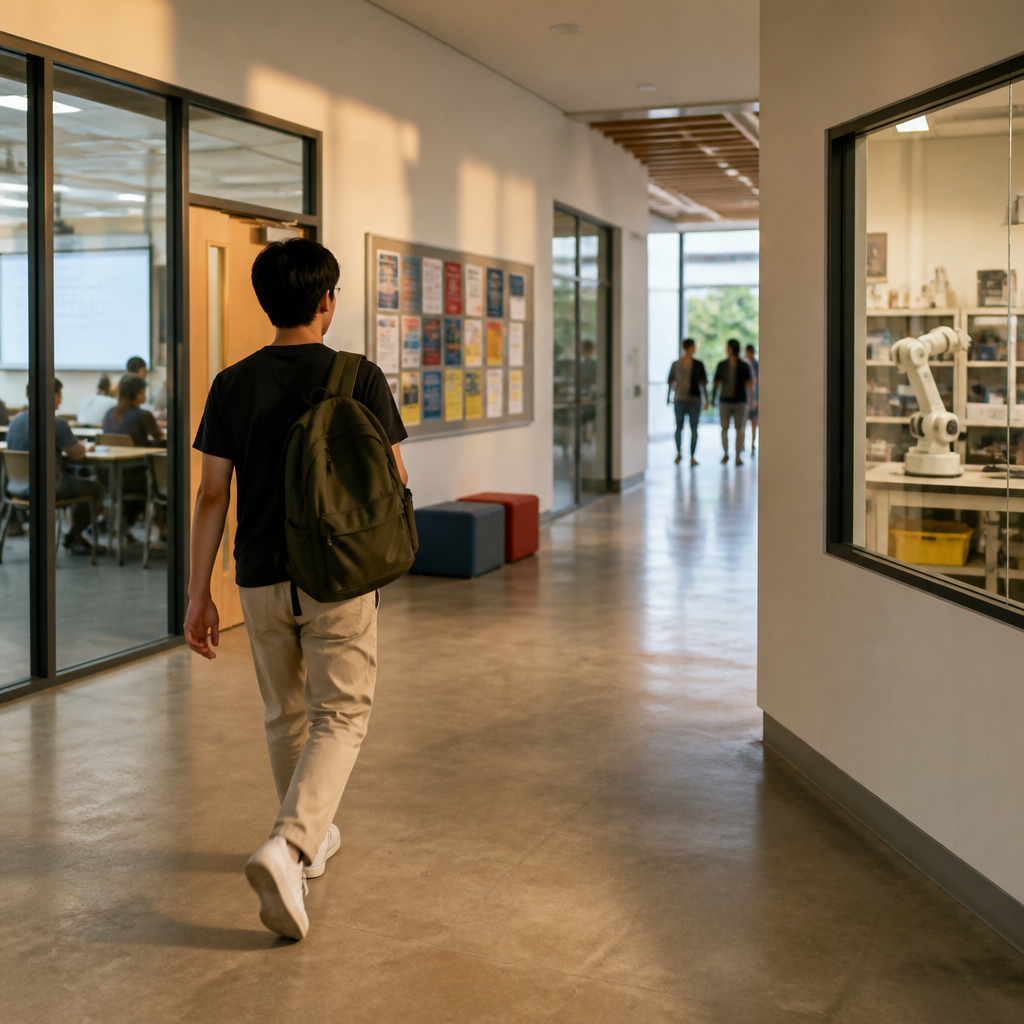
Do the practical homework. Verify the latest requirements. Talk honestly as a family. Use school or ECG support if needed.
If your child needs stronger subject foundations while preparing for the next academic step, whether that means retaking exams or entering a demanding new environment, you can contact us here to learn more about support options.