

Introduction
When exams are coming, even choosing where to study in Singapore can start to feel like a problem on its own. One place is too noisy. Another is too far. Home sounds convenient until the bed starts calling, younger siblings get loud, or the phone somehow becomes more interesting than revision.
That is why a good study spot matters more than many students realise. The best places to study are not always the prettiest or most popular. Very often, the most useful place is simply the one with decent lighting, enough table space, reliable air-conditioning, and fewer distractions. In this guide, we will look at the best study spots in Singapore based on what actually matters during revision season: budget, travel time, Wi-Fi, power sockets, noise level, food access, and whether the space suits solo mugging or group work. We will also cover free study spaces, libraries, cafes, and late-night options across Singapore.
Key Takeaways
- Pick a study spot based on your task, not just convenience. A quiet library may be ideal for essay writing or timed practice, while a community space or cafe may work better if you need discussion, planning time, or short breaks between tasks.
- Free spaces can work very well if you go at the right time. Many students overlook community clubs, school-adjacent spaces, and public seating because they assume only libraries are suitable. In reality, these can be useful for shorter revision blocks or lighter work.
- Libraries remain some of the best study places for students in Singapore. They are usually quieter, more structured, and better for focused revision, especially for solo study and subjects that require sustained concentration.
- Cafes are useful, but not always cost-effective. Some quiet cafes in Singapore are excellent for a few hours of work, but buying drinks regularly can become expensive during exam periods, especially for students studying out several times a week.
- Late-night studying requires more planning than daytime study. Good late-night study spots need safe transport home, food access, charging options, and realistic expectations about your energy level.
- Travel time matters more than students admit. A fantastic study place is less useful if it takes 75 minutes to reach and drains your energy before revision even starts.
- Always check the latest rules before going. Opening hours, seating policies, booking requirements, and outlet study-friendliness can change, especially during peak exam months.
How To Choose The Right Study Spot For Your Revision Style
Before hunting for the “best” location, it helps to be honest about how you actually study. Many students choose a place that looks productive, then end up scrolling, snacking, or chatting away half the session. The problem is not always discipline. Sometimes the environment simply does not match the work.
Match the space to the kind of work you are doing
If you are doing heavy content revision, such as memorising Biology processes or drilling Geography examples, quieter places usually work better. Libraries and silent reading zones tend to suit this more than cafes. But if you are practising oral responses, discussing Literature themes, or doing project work, a space with some background noise can actually feel easier because whispering in a completely silent area becomes stressful.
Tutors often notice that students make one common mistake during exam season, they use the same study place for every subject. That rarely works well. E Math timed papers may be manageable in a quiet public space, but GP essay planning often needs a more distraction-free environment. Group discussion for PW or oral practice also needs a setting where speaking softly does not feel awkward.
Think beyond whether a place is “quiet”
When deciding where to study in Singapore, practical details matter just as much as noise level.
A mall cafe with nice lighting may sound appealing, but if the music is loud and every table is tiny, doing a full Chemistry paper becomes annoying very quickly.
Budget and commuting affect productivity too
Repeated spending can quietly shape a student’s whole revision routine. A $7 drink may not feel like much once, but over a few weeks, it adds up. The same goes for travel. A “good” study spot across the island may sound worth it, but if you arrive already tired, the actual revision may not be that good.
In many cases, the best option is not the trendiest one. It is the one you can return to consistently. That usually means a place that fits your school route, your budget, and your attention span. If you keep abandoning a study plan after two days, the issue may not be laziness. It may simply be that the location is too expensive, too crowded, or too inconvenient to sustain.
Free Study Spaces In Singapore That Do Not Drain Your Wallet
During exam periods, free study spaces in Singapore matter a lot. Not every family wants cafe spending to become part of revision season, and not every home setup makes studying easy. The good news is that there are still practical options if you go in with realistic expectations.
Community clubs and neighbourhood spaces
Some community clubs and public spaces around neighbourhood hubs can be useful for light to moderate study, especially in the afternoon. Seating availability varies, and not every space is designed specifically for studying, so expectations matter. You may get tables, shelter, and decent airflow, but not always complete silence.
If you are considering neighbourhood options, check spaces linked to People’s Association for nearby community facilities. These can be especially helpful if libraries are full and you need something closer to home.
A common pattern among students is this: school ends at 3.30pm, tuition starts at 7pm, and there is a small window in between. In that situation, a free community space may be far more practical than travelling to a central library just for two focused hours.
School-adjacent and public seating areas
Some students study at sheltered benches, mall public seating zones, or school-adjacent spaces after class. These are not always ideal for deep work, but they can still work for reviewing flashcards, annotating notes, or finishing smaller assignments.
The trade-off is clear. You save money, but noise and movement can pull your attention away. If your revision needs strong concentration, these spaces may backfire. They are often better used as backup options rather than your main exam-season base.
When free spaces work best
Free study spaces are most useful when:
- Your task is lighter, such as reading notes or organising summaries.
- You only need one to two hours.
- You are studying near home between school and tuition.
- You can handle some background noise without losing focus.
They are usually less effective for full exam papers, group discussions that may disturb others, or long study marathons where charging, meals, and comfort become important.
One useful approach is to treat free spaces as part of a mixed routine. For example, a student might use a neighbourhood space for weekday review sessions and reserve the library for longer weekend revision. That keeps costs low without forcing every study session into the same environment.
Why Libraries Are Still A Top Choice For Students
For many students, libraries remain the most dependable answer. They offer something many teenagers need during revision season, structure. Once you sit down, there is a clear social expectation to be quiet and work. That alone helps many students settle faster.
What makes libraries so effective
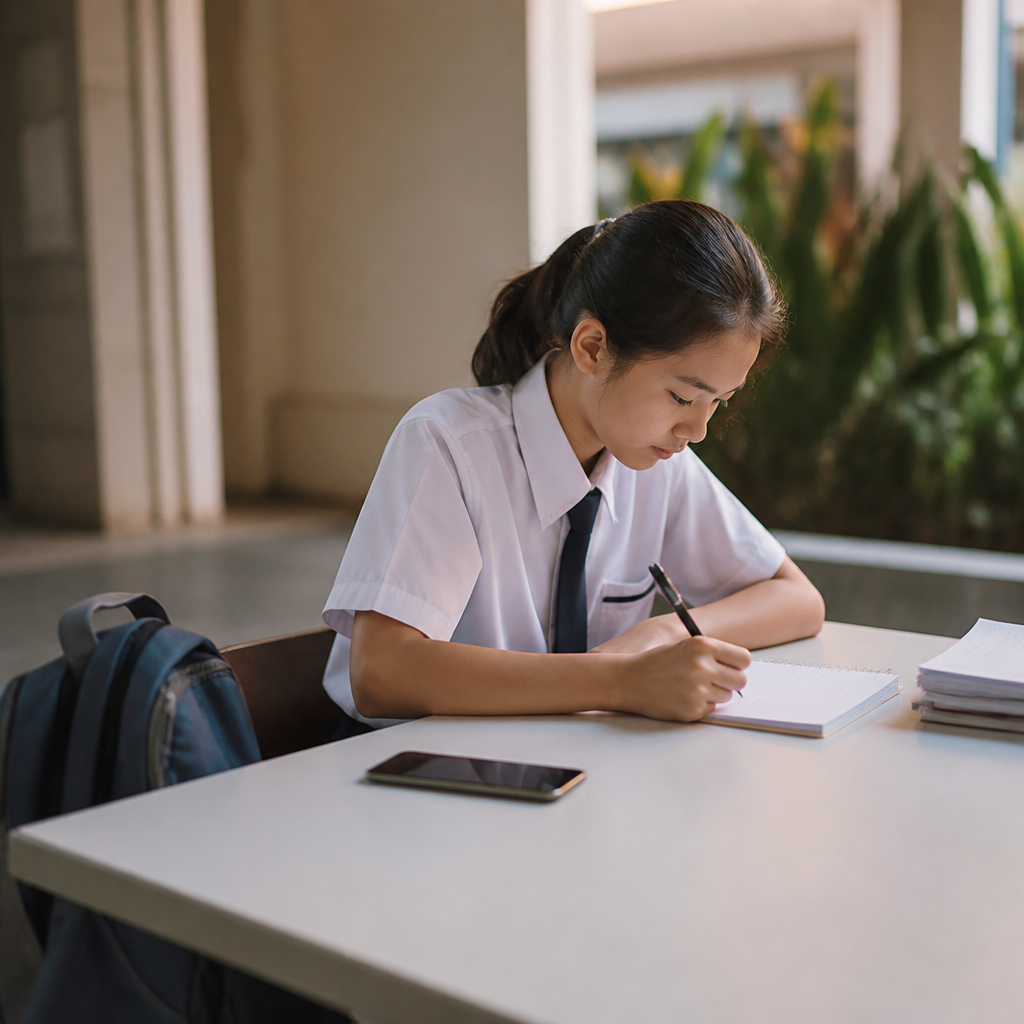
Libraries are especially useful for solo study, essay writing, note consolidation, and timed practices that need concentration. Compared to cafes, they are usually more affordable because there is no pressure to keep buying something just to stay seated.
National Library Board locations are worth checking through the National Library Board website, since study spaces, availability, and operating hours differ by branch. Some branches are better for central access, while others are simply more convenient if you live nearby.
For secondary school and JC students, libraries also create a mental shift. Once you are in a quieter environment with fewer social distractions, it becomes easier to start the work you were delaying at home.
What to watch out for before you go
Not all libraries feel the same. Some are genuinely calm. Others get packed with students, families, and children, especially on weekends or during school holidays. Turning up at 2pm on a Saturday and expecting the perfect seat can be risky.
Students also make a predictable mistake in libraries. They choose a quiet seat, then quietly waste time. The environment helps, but it does not replace a plan.
A simple study session works better when the task is clear:
- 4pm to 4.50pm, complete one A Math topical set and mark the questions you are unsure about.
- 5pm to 5.15pm, review corrections and write down common mistakes.
- 5.15pm to 5.45pm, memorise History examples or key essay evidence for one chapter.
Without that clarity, even a good library can turn into a place where you highlight notes for two hours and go home feeling productive without having done very much.
Who benefits most from library study sessions
Libraries are usually best for students who get distracted easily at home, need silence for concentration-heavy subjects, want a free or low-cost routine, or prefer solo revision over discussion. They are less suitable for lively group work or oral practice unless there are designated discussion areas.
They also work well for students who need a consistent weekly rhythm. Going to the same branch at roughly the same time can reduce decision fatigue. Instead of asking yourself every day where to go, you already know the answer, and that makes it easier to start.
When A Quiet Cafe Makes Sense
There is a reason so many students search for quiet cafes to study in Singapore. A good cafe can feel less rigid than a library, with easier access to drinks, snacks, and sometimes longer opening hours. For some students, that softer environment feels easier to stay in.
The best use cases for cafe studying
Cafes can work well if you need a middle ground between home and a silent library. They are often suitable for laptop-based work, note typing, reading, or moderate discussion with one study buddy. If you are doing project work or planning essays, the slightly livelier atmosphere may feel more natural.
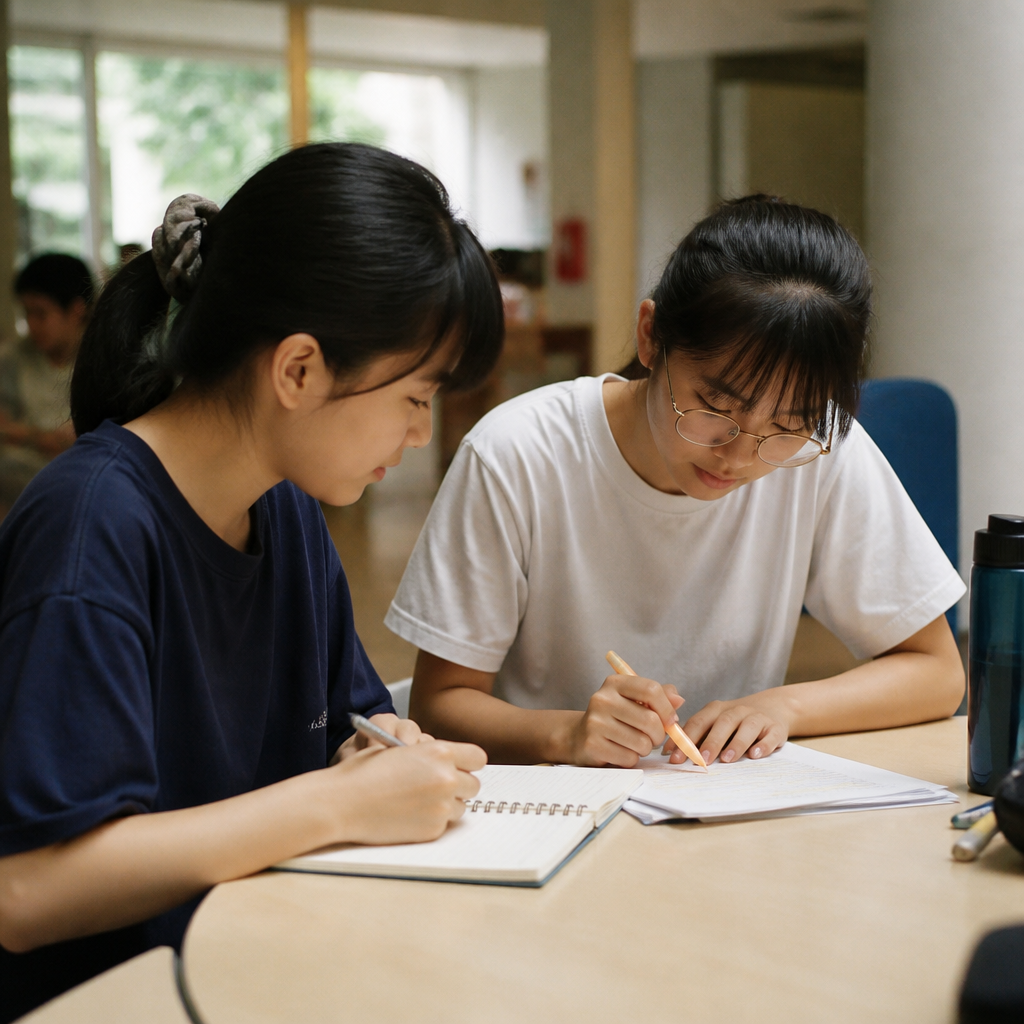
A student who struggles with total silence might work better in a calm cafe corner with headphones and a clear to-do list. On the other hand, someone preparing for a timed Physics paper may find cafe noise too distracting.
How to tell whether a cafe is actually study-friendly
Not every cafe is a good student study spot. Look out for larger tables, visible power sockets, moderate noise, staff tolerance for longer stays, nearby food options, and off-peak hours. Weekday afternoons are often easier than weekends.
Mall cafes can be especially unpredictable. A place that feels perfect at 2pm may become impossible by 7pm once the crowd comes in.
Keep etiquette and cost in mind
Cafe studying only works when students behave like considerate customers. Occupying a four-seater for five hours with one cheap drink is unlikely to be welcomed. Some outlets also limit laptop use or discourage long stays during busy periods.
That is why cafe sessions are often best used selectively, perhaps once or twice a week for focused blocks, instead of becoming a daily revision habit.
It also helps to set a clear spending limit before exam season starts. If you know you only want to use cafes for specific tasks, such as project meetings or one long writing session each week, you are less likely to overspend without noticing.
Late-Night Study Spots: Helpful, But Not For Everyone
During exam season, some students start believing that studying later means studying harder. Sometimes that is true. Quite often, it just means being tired somewhere else. Still, there are valid reasons to look for late-night study spots in Singapore, especially if home is noisy in the evening or the only free time starts after dinner.
Who actually benefits from studying late
Late-night spots can help students whose schedules are packed with school, CCA, dinner, and tuition before revision even begins. They can also suit students who focus better once the daytime rush settles down.
But there is a trade-off. A late-opening place is not very useful if you are half-asleep by 10pm. Many students confuse staying out later with being more productive. If your brain is no longer processing information, the extra hours may only increase stress.
What to check before choosing a late-night place
A useful late-night study place needs more than tables and lights.
Some supper spots and 24-hour eateries may sound convenient, but if they are noisy or crowded, they are poor choices for actual revision.
Use late-night sessions selectively
Late-night study spots work best for short focused revision after dinner, urgent assignments, or reviewing mistakes before a test. They can also help students whose home environment becomes especially distracting at night.
They are not ideal as a daily habit if sleep starts slipping. Poor sleep quietly affects memory and concentration, even when the revision hours look impressive on paper.
Choose A Study Spot That Fits Your Daily Route
The best study spot is often the one that fits your real routine, not the one with the nicest online reviews. Thinking by area and timing can save a surprising amount of energy.
Central locations for convenience
If you study in town or travel through central interchanges, libraries and cafes in central malls can be convenient because food and transport are easy. The downside is obvious, these places fill up quickly, especially during exam periods, weekends, and after office hours.
They are usually better for shorter sessions between activities than for all-day studying.
Heartland options for consistency
For many students, heartland libraries, neighbourhood cafes, and community spaces are more sustainable. You spend less time travelling, spend less money, and build a routine that is easier to repeat. A nearby place you use three times a week often beats a “better” place you only manage to visit occasionally.
After a full school day, even an extra 30 minutes of travel can become the reason revision gets skipped altogether.
Match the place to the part of your day
A simple way to decide where to study is to match the location to your schedule.
If your routine keeps collapsing, it may not be a motivation problem. It may simply be that your current study place does not fit your real day.
If you need extra academic support alongside a better study routine, learn more about our tutors at Singapore Tuition Teachers.
Frequently Asked Questions
Are libraries or cafes better for exam revision?
It depends on the task. Libraries are usually better for deep focus, timed papers, memorisation, and subjects that require sustained concentration. Cafes are often better for lighter work, essay planning, or studying with one friend. If your child gets distracted easily, libraries are usually the safer starting point.
What are the best free study spaces for students in Singapore?
Public libraries are usually the most reliable free option because they are structured for reading and quiet work. Some community spaces and public seating areas can also work, especially for shorter sessions or lighter revision. In practice, the best free option is often the one that is quiet enough, near enough, and available when needed.
Is it okay to study in cafes for many hours?
Yes, but only if the outlet allows it and the student is being considerate. Buying something, avoiding peak-hour crowding where possible, and not assuming every cafe welcomes long stays all matter. Policies and staff tolerance can vary quite a bit from one outlet to another.
How do I know if a late-night study spot is actually worth going to?
Start with one honest question, are you actually alert enough to revise? Then check transport, food access, sockets, and noise level. If the trip back is difficult or you usually stop absorbing content after 10pm, late-night studying may not be the best choice.
What should I bring for a productive study session outside?
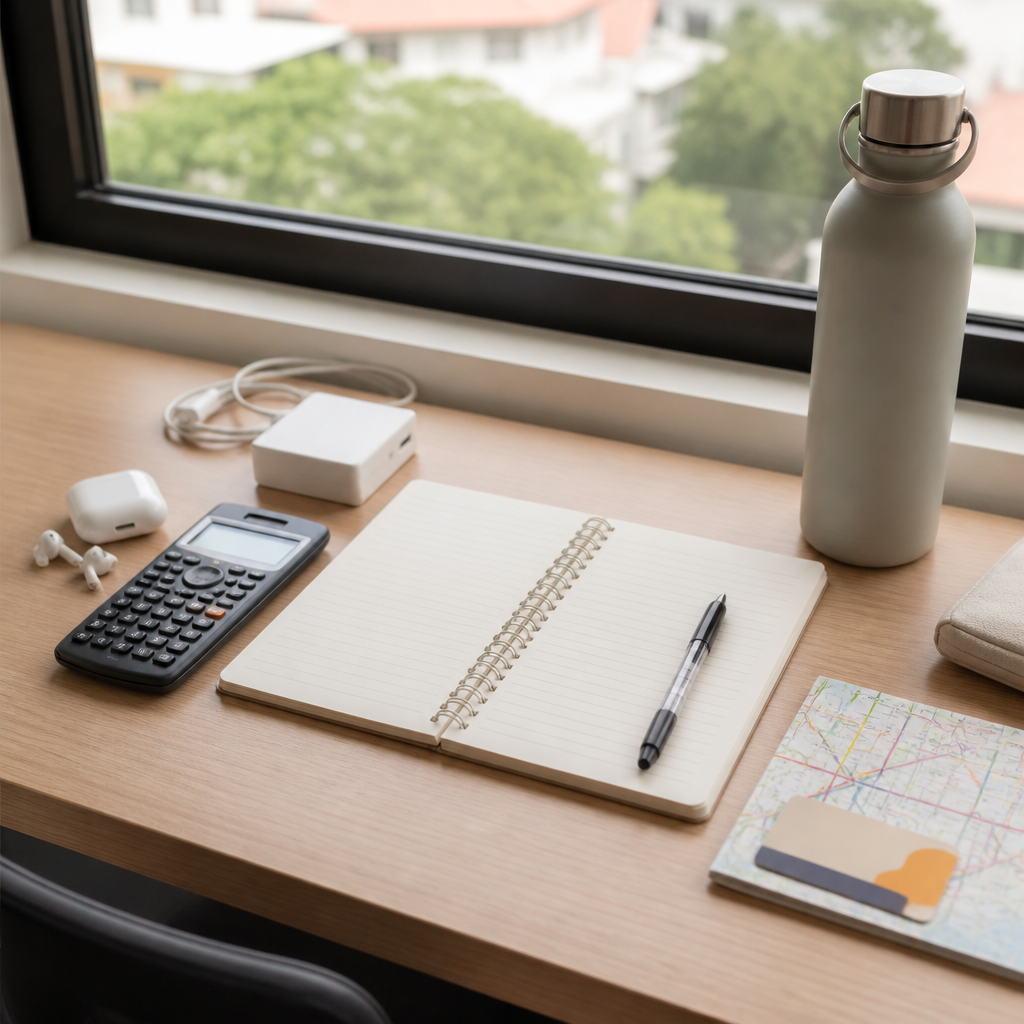
Keep it simple but practical. Bring water, earpieces or headphones, a charger or power bank, your task list, and only the notes you really need. Carrying six heavy files often creates mess rather than productivity. If you are doing timed practice, bring a watch or timer too so the session stays focused.
Conclusion
Choosing where to study in Singapore is not just about finding a table and Wi-Fi. The right place depends on the subject, the budget, the student’s energy level, the travel route, and whether silence or a bit of background buzz works better. For some students, libraries provide the structure they need. For others, a quiet cafe feels more sustainable for shorter sessions. If money is tight, there are still useful free study spaces across Singapore, especially when chosen with realistic expectations. And if you are considering late-night study spots, make sure they support both productivity and safety.
The most effective study spot is usually the one you can return to consistently without overspending or burning out. Check the latest venue rules, opening hours, and seat policies before heading out, since these can change. If you need extra academic support alongside a better study routine, learn more about our tutors and find a suitable match for your subject needs at Singapore Tuition Teachers.