

Introduction
You might have looked at your child happily playing at home, chatting away with grandparents or a helper, and wondered, do they really need preschool yet? It is a very normal question for Singapore parents. On one hand, you do not want to rush childhood. On the other, there is that quiet worry about whether skipping preschool might make Primary 1 feel much harder later.
The reassuring part is this, preschool is not mainly about pushing academics early. It is not only about ABCs, counting, or worksheets. Before primary school, its biggest value is developmental. A good preschool experience helps children get used to routines, listen to adults outside the family, communicate what they need, separate with more confidence, and function in a group.
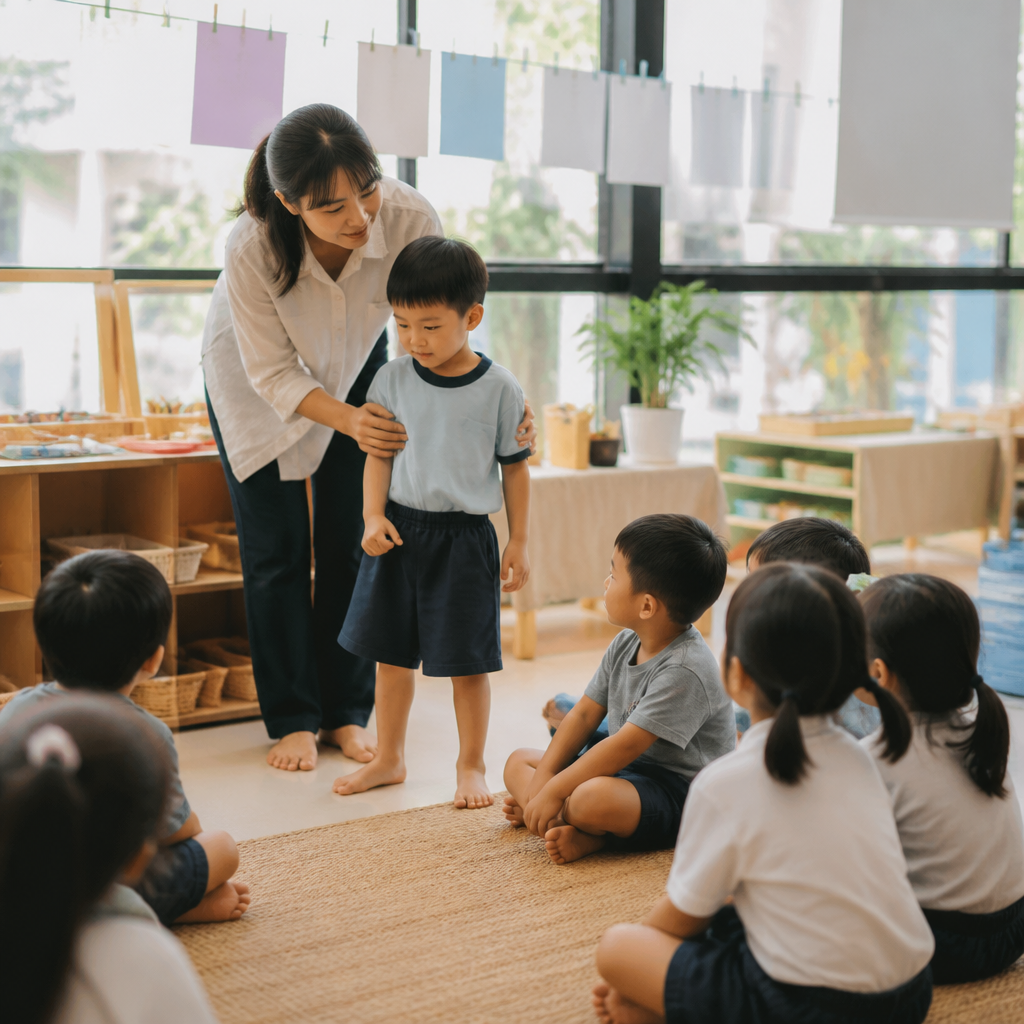
These are the quieter skills that often matter most when school becomes bigger, busier, and less flexible.
If you have been wondering why preschool is important before Primary 1, the answer usually has less to do with getting ahead academically and more to do with helping a young child step into school life with greater confidence.
Key Takeaways
- Preschool is not just about early academics. Its main value before Primary 1 is helping children build routines, independence, communication, and confidence in a group setting.
- Group routines matter more than many parents expect. Children who can line up, listen, wait, pack up, and follow simple instructions often find the transition to Primary 1 less overwhelming.
- Social and emotional practice is hard to fully recreate at home. Preschool gives children repeated chances to share, take turns, cope with disappointment, and recover after small conflicts.
- Language grows through daily interaction. Songs, stories, conversations, and classroom routines support speaking, listening, vocabulary, and bilingual exposure in natural ways.
- Independence before Primary 1 reduces stress. Managing shoes, water bottles, toilet routines, handwashing, and asking for help can make a busy school day feel much more manageable.
- Adjustment difficulties do not mean a child is not ready. Crying at drop-off, clinging, or taking time to settle are common, and they do not cancel out the benefits of preschool.
- Starting later does not mean you have failed as a parent. Children develop at different speeds, and what matters most is thoughtful support and realistic expectations.
Preschool Helps Children Build School Routines That Worksheets Cannot Teach
One of the clearest reasons preschool matters is that it helps children move from home-based rhythms into school-based routines. That shift sounds small until you picture a Primary 1 classroom. There are more children, more transitions, more instructions, and much less one-to-one attention.
At home, a child can be bright, curious, and talkative, but still struggle when expected to sit with a group, listen while others speak, or stop one activity and move to the next. Preschool gives them space to practise these everyday expectations before they suddenly become necessary.
Learning to function in a group
At home, adults naturally adjust to the child. Meals can be delayed. Instructions can be repeated. Toys can stay out a bit longer. School does not move that way.
In preschool, children gradually learn to:
- Wait for their turn, whether during snack time or while answering a question.
- Line up and move together instead of rushing ahead.
- Follow simple multi-step instructions.
- Listen to a teacher who is also attending to other children.
These may sound like small habits, but they make a real difference. A child entering Primary 1 without group experience is not necessarily naughty, they may simply be overwhelmed.
Structure can feel reassuring, not harsh
Some parents worry that routine will make childhood too rigid. Very often, the opposite happens. Gentle structure helps young children feel safer because they know what to expect.
Tutors often notice that children who are unused to routines can become more emotional, not less. They may resist transitions, melt down more easily, or freeze when they are unsure what comes next. Preschool helps daily expectations feel familiar, and that familiarity can be very calming.
Another overlooked benefit is stamina. Even simple routines such as circle time, snack time, clean-up, and moving between activities help children build the habit of staying engaged through a shared day. That endurance becomes useful later when school days are longer and less centred around one child’s preferences.
Preschool Builds Independence And Everyday Self-Management
Before Primary 1, independence does not mean doing everything perfectly. It means being able to manage basic daily tasks with less adult rescue. This is one of the biggest reasons preschool supports child development so well.
Primary school teachers cannot remind every child to cap a bottle, unpack neatly, go to the toilet in time, or keep track of every belonging. A child who has never practised these routines may feel lost, even if they are academically capable.
Small self-help skills make a big difference
Preschool gives children repeated practice with everyday tasks that matter in a real school day.
A common pattern among students is that anxiety does not always come from hard schoolwork. Sometimes it starts with small things, like not being able to open a snack wrapper or not knowing how to ask for help. Preschool reduces that stress by making self-management part of normal daily life.
Confidence grows through doing
Children often change once they realise, “I can do this without Mummy.” That kind of confidence usually does not come from one reminder. It comes from repetition.
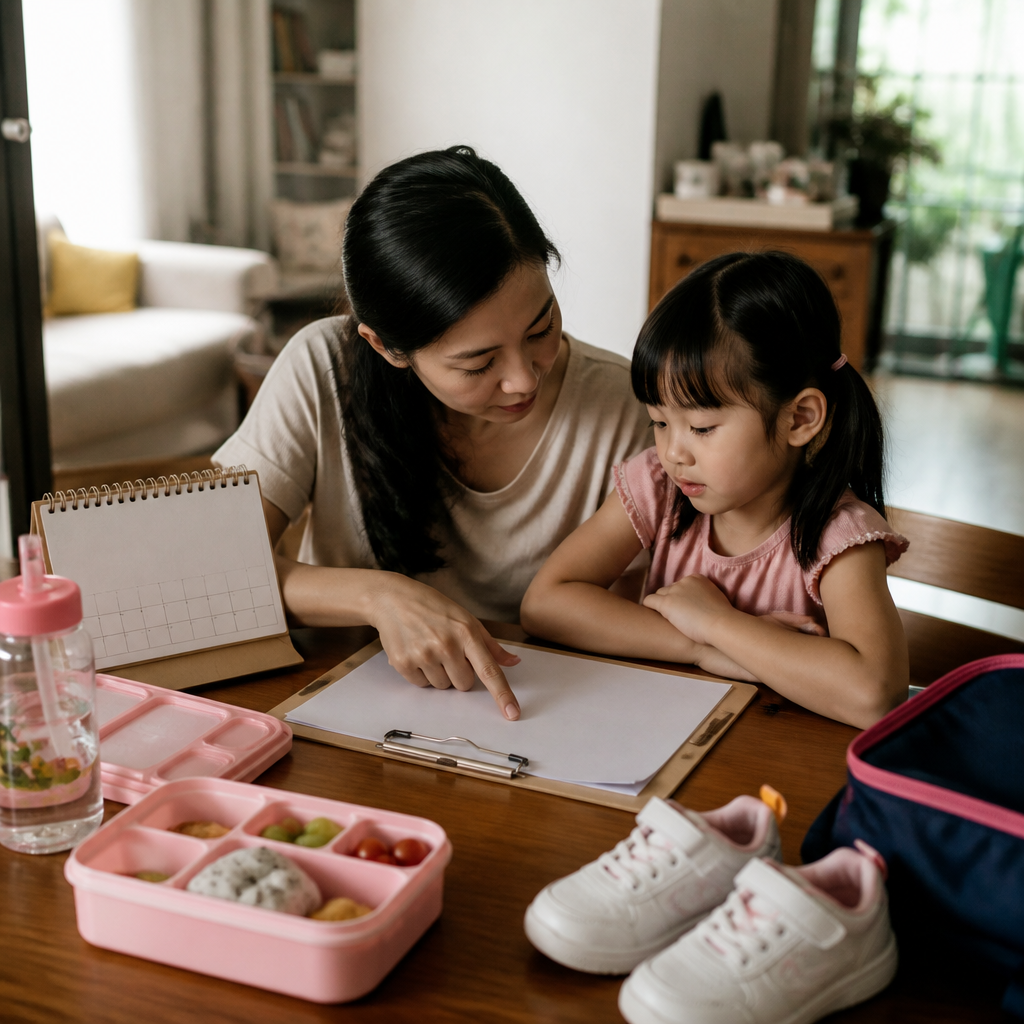
Putting on shoes, queuing for handwashing, clearing up after play, and telling a teacher “I need the toilet” may look simple from an adult point of view. But for a young child, these are moments of self-trust. That is one of the quieter but very real benefits of preschool education in Singapore.
If your child is bright but still hesitant with routines, gentle support at home can help too. Some families also explore preschool tuition when they want one-to-one, age-appropriate support without turning learning into pressure.
Preschool Supports Social And Emotional Development Before Big-School Life
For many children, the hardest part of Primary 1 is not phonics or numbers. It is people. Bigger classes, more waiting, more noise, less individual attention, and more chances for misunderstanding. This is where preschool helps in a very practical way.
A child can be loving and secure at home, but regular peer interaction builds a different set of emotional muscles.
Real peer situations teach resilience
Young children need repeated chances to experience everyday frustrations, such as:
- Someone taking the toy they wanted.
- Being told to wait.
- Hearing “not now.”
- Losing a turn.
- Joining a group that is already playing.
- Feeling upset, then calming down enough to continue.
These are not failures. They are practice rounds.
At home, adults often smooth things over quickly. In preschool, children slowly learn that disappointment is manageable. They also begin to understand that friendship involves negotiation, not just playing side by side.
Emotional regulation develops with repetition
A child who cries at drop-off or gets upset when routines change is not automatically unready. This is very common, especially in the early weeks.
What matters is that preschool gives children repeated, manageable experiences of separation and recovery. Over time, many learn that a parent comes back, upset feelings pass, teachers can be trusted, and one hard moment does not ruin the whole day.
Parents often feel guilty seeing tears at the gate. That feeling is understandable. But tears do not erase the developmental value of preschool. In many cases, settling after emotional moments is part of the growth itself.
Preschool also gives children language for feelings. Hearing phrases like “use your words,” “take turns,” “you look upset,” or “let’s try again” helps them connect emotions with actions. That does not make them instantly calm, but it gives them a framework they can use over time.
Preschool Strengthens Communication, Listening, And Bilingual Exposure
Another key reason preschool is important before primary school is communication. Not just speaking clearly, but understanding instructions, expressing needs, listening in a group, and becoming more comfortable with both English and Mother Tongue in everyday situations.
In Singapore, this matters because school life depends so much on language. Children need to understand teacher instructions, join conversations, ask questions, and cope with more than one language environment.
Language grows through daily interaction
Preschool supports communication through ordinary moments that add up over time.
Teachers often notice children who talk endlessly at home but become very quiet in a group. Preschool helps bridge that gap gently. It gives them repeated chances to speak, listen, and respond in a setting that feels less familiar than home but still supportive.
Bilingual exposure supports school readiness
This does not mean children need to speak perfectly before Primary 1. The goal is not perfection. It is familiarity and confidence.
When children hear both English and Mother Tongue in songs, routines, stories, and short conversations, they begin to feel less intimidated by language later on. Literacy and numeracy activities matter too, but at this stage, their value is not early drilling. It is helping children listen, notice patterns, respond, and enjoy language.
That is part of why early childhood education matters, especially in a bilingual system like Singapore’s.
For broader parent resources on early childhood matters, you can also refer to the Early Childhood Development Agency and the Ministry of Social and Family Development.
Primary 1 Is A Bigger Transition Than Many Parents Expect
Some parents assume that if a child is smart, curious, and already recognises letters or numbers, Primary 1 will be manageable. But school readiness is much broader than academic readiness.
Primary 1 often brings longer days, larger classes, more materials to manage, recess routines, movement between spaces, and greater expectations that children can cope without constant adult guidance.
School readiness requires stamina, not just intelligence
Think about what a real school day asks of a child. They may need to settle quickly, keep track of belongings, listen in a noisy classroom, manage recess, toilet independently, interact with many peers, and recover after confusion or mistakes.
A child can know their alphabet and still find all of this exhausting.
Preschool softens the shock of formal schooling
Preschool cannot remove every challenge, but it often makes the transition less overwhelming. Children with group-setting experience usually have more familiarity with separating from caregivers, listening to non-family adults, following a schedule, coping with waiting, and functioning with peers around them all day.
That is why the benefits of preschool education in Singapore often become clearest during the move into formal schooling. It is not really about getting ahead. It is about being less overwhelmed.
If you feel your child may need extra support building confidence, language, or school-readiness habits at home, you can contact us about preschool support.
When Preschool Helps Most And What Parents Should Know About Timing
A very common question is when to enrol a child in preschool in Singapore. There is no single perfect answer for every family. Temperament, family support, finances, work routines, and developmental needs all play a part.
Instead of chasing the “best” age, it is often more useful to ask whether your child has enough chances to practise the kinds of skills they will need before Primary 1.
Signs preschool may be especially helpful
Preschool may be especially useful if your child:
- Has had very limited peer interaction.
- Struggles with separation from familiar adults.
- Rarely follows group routines.
- Depends heavily on adults for everyday tasks.
- Is very quiet outside the home.
- Becomes easily overwhelmed in unfamiliar settings.
This does not mean anything is wrong. It simply means more supported practice could help.
Starting later is not a parenting failure
Some children begin preschool later because of family arrangements, health concerns, cost, or personal readiness. Others attend but still need a long adjustment period. Both situations are common.
Parents sometimes panic when a child cries for weeks, resists going, or seems exhausted. Often, this is part of settling in, not proof that preschool is harmful or that the child is not ready. What matters more is whether the child gradually becomes more familiar, expressive, and able to recover.
A helpful mindset is to focus less on comparison and more on progress. A child who now separates in five minutes instead of twenty, or who finally tells a teacher they need help, is making meaningful developmental gains even if the transition still looks messy from the outside.
For current early childhood information in Singapore, check official sources such as the ECDA parent portal. Policies, support schemes, and programme details can change over time.
Frequently Asked Questions
If my child is happy at home with grandparents or a helper, is preschool still necessary?
Home care can be loving, stable, and wonderful. The question is not whether home care is lacking. The real question is whether your child is getting enough practice with group routines, peer interaction, separation from parents, and school-like expectations. Preschool can help because it gives those experiences consistently before Primary 1.
Does preschool mean pushing academics too early?
Not necessarily. A healthy preschool experience should not feel like an academic race. The biggest developmental gains often come from routine, communication, independence, emotional regulation, and social practice. Letters and numbers are part of the environment, but they are not the only reason preschool matters.
My child cries at drop-off. Does that mean preschool is not suitable?
No. Crying at drop-off is common, especially at the start. Some children simply need more time to trust a new setting and separate calmly. What matters more is whether they can gradually settle, participate, and recover during the day.
Can parents teach all of this at home instead?
Some skills can absolutely be supported at home, especially self-help routines, language exposure, and confidence. But peer dynamics, group listening, shared attention, waiting, and functioning in a classroom-like environment are much harder to recreate consistently at home.
What if my child starts preschool later than other children?
Starting later does not automatically put a child at a serious disadvantage. Some children adapt quickly once they are given support. What matters most is not comparing timelines, but helping your child build the routines, communication, and emotional readiness needed before Primary 1.
Conclusion
If you have been asking why preschool is important, the most useful answer is this, it prepares children for school life in ways that go far beyond early academics. Before Primary 1, children benefit from learning how to be part of a group, follow routines, communicate needs, manage simple tasks, and recover from frustration. They also gain valuable practice with peers, teachers, and everyday independence.
For Singapore parents, this matters because Primary 1 is not just a harder version of home learning. It is a major developmental step. Longer days, larger classes, belongings, recess, instructions, and social interactions can feel intense for children who have never practised these things in a group setting.
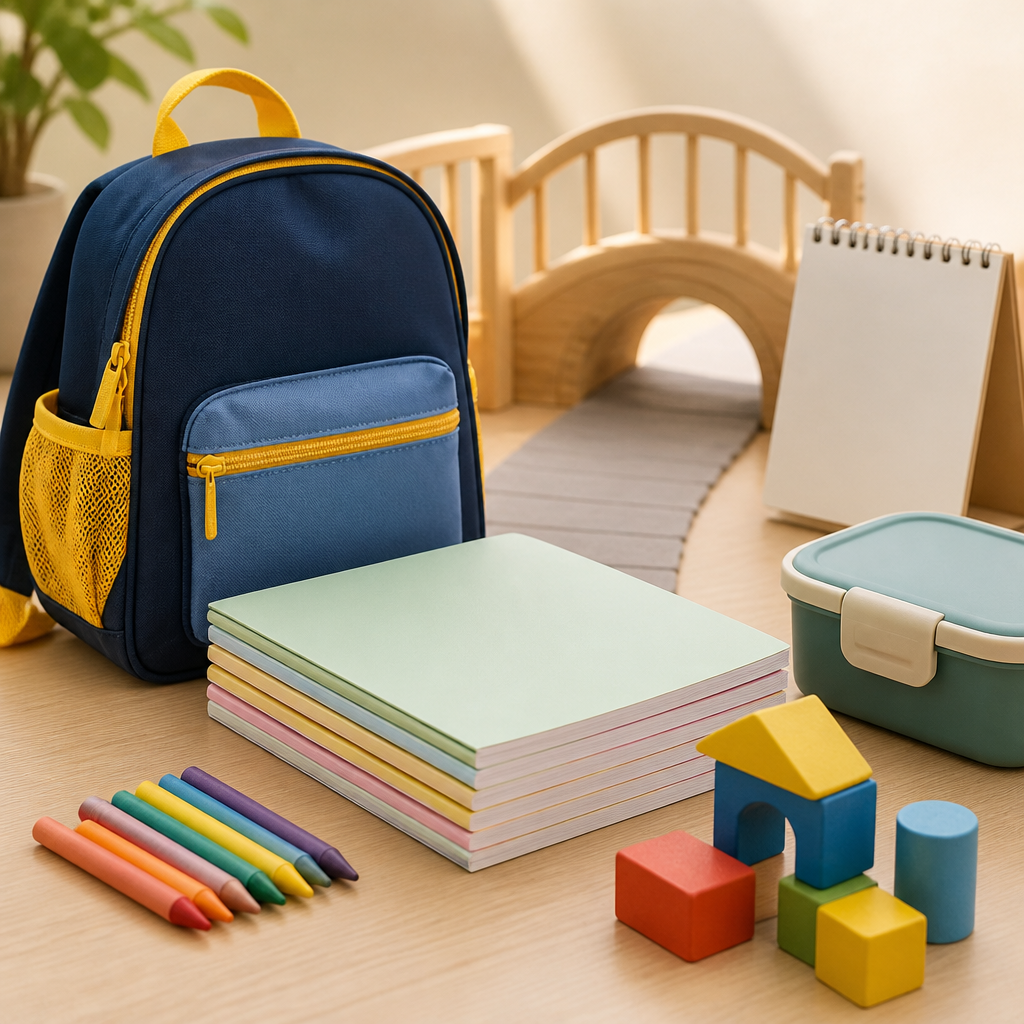
Preschool does not need to be seen as a race or a pressure cooker. At its best, it is a gentle bridge between home and formal school. And if your child needs a little more support along the way, you can learn more about age-appropriate preschool support here.