


Choosing among secondary Computing tuition centres in Singapore can feel difficult because programmes differ sharply in syllabus coverage, lesson format and practical coding support. Some teens understand Computing theory but freeze when debugging Python, while others can code yet lose marks when explaining algorithms or computer systems in written papers. The right Computing tuition should address both sides of the subject while matching your teen’s school syllabus, pace and examination timeline. This guide compares specialist tutors, small-group classes, online programmes, a home-tutor matching service and broader coding academies offering secondary Computing tuition. It examines teaching methods, tutor experience, class sizes, locations, fees and contact details, helping parents shortlist support that fits their teen’s learning gaps, weekly commitments and preferred level of guidance.
Key Takeaways
- Strong secondary Computing tuition balances programming practice with written theory, because Python confidence alone may not produce complete examination answers.
- Compare syllabus alignment, feedback quality and class size, especially when your teen needs active debugging guidance rather than additional notes.
- Online lessons reduce travel around school and CCA schedules, while physical classes may provide firmer routines for independent revision.
MindFlex – Your Platform for Secondary Computing Home Tuition

Overview of Business
MindFlex Tuition Agency is a Singapore home tuition agency that matches families with private tutors according to academic level, schedule, location, budget and learning needs. For secondary Computing tuition, parents can request a tutor familiar with the relevant school syllabus who can address conceptual knowledge alongside practical problem-solving. One-to-one lessons may be adapted around programming foundations, algorithmic thinking, school assignments, revision priorities and the teen’s pace. This format can suit learners who remain quiet during group classes or repeatedly encounter coding errors without understanding their causes. With more than 50,000 active tutors in its stated network, MindFlex gives families room to compare qualifications, experience and hourly rates. Lessons can take place at home or online, allowing support to fit around school, CCA commitments and examination preparation.
Why Parents Choose MindFlex?
Parents may choose MindFlex when their teen needs individual Computing help rather than another fixed classroom programme. Its free matching service lets families specify the syllabus, weaker topics, preferred tutor profile, timing and budget before considering recommendations. This can be useful when the difficulty is highly specific, such as tracing algorithms, correcting Python logic or explaining theory precisely. Coordinators are available seven days a week, while TUTOR EXPRESS™ may provide suitable tutor profiles within six hours for families seeking timely support.



They are always friendly, responsive, and efficient in coordinating tuition assignments. I especially appreciate that they take the time to check the details with both parties before proceeding, always doing their best to ensure that both tutors and parents are on the same page. Their communication is clear and they regularly check in with tutors and parents to ensure that everything is going smoothly.
Their attentiveness and dedication make the coordination process smooth and reassuring. Thank you, Jerlyn, Cassandra, and Alyssa, for your consistent hard work and excellent support! 😀


She was always responsive, professional, and genuinely supportive, making the whole experience hassle-free. I’m grateful for her assistance and would definitely be happy to work with Cassandra again in the future. Highly recommend her to any tutor looking for a reliable and dedicated tuition coordinator!

She was polite, efficient, and always responded quickly to my enquiries, making the whole process smooth and hassle-free. The tutor she recommended also came with excellent reviews from other parents and students, which gave me added confidence.
I highly recommend MindFlex Tuition Agency to anyone looking for a reliable and trustworthy tutor. Thank you, Jerlyn, for your excellent service!



Thank you for being so responsive and helpful throughout the arrangement process. Really appreciate the support and would definitely recommend them to other parents looking for reliable tutors.

Radah Kasiramu

The agents have always been professional and helpful throughout the process. Their support and dedication have made it much easier for me to find suitable students and successfully close assignments.
It is definitely a pleasant experience working with MindFlex. I look forward to work together on more assignments in the future!

Teacher Lay Chin is good at explaining the subject and makes the topic fun and interesting. She is able to guide students well and cater to their needs.
From student's mommy
My daugther feels comfortable with Teacher Lay Chin is very quickly. She is soft spoken, gentle & caring. My girl especially enjoy the fun challenge of doing the maths questions together.
Thanks to Teacher Lay Chin, my daugther''s results improved from F to A in 3 months!! I will strongly recommend Teacher Lay Chin.

Beyond the academic results, Mr. Tan’s teaching style has built my son’s confidence and interest in the subject. He is punctual, pleasant disposition and understands what a child needs. The entire experience with Mind Flex has also been very pleasant, professional, and supportive.
Highly recommended for anyone looking for a tutor who genuinely cares and delivers excellent results
Friendly, pleasant, swift, helpful and most importantly not pushy
Subjects Offered
- Secondary English (Sec 1-4)
- Secondary Mother Tongue: Chinese, Malay, Tamil (Sec 1-4)
- Secondary Higher Mother Tongue: Chinese, Malay, Tamil (Sec 1-4)
- Secondary Math (Sec 1-2)
- Secondary E Math (Sec 3-4)
- Secondary A Math (Sec 3-4)
- Secondary Science (Sec 1-2)
- Secondary Combined Science (Sec 3-4)
- Secondary Pure Sciences: Physics, Chemistry, Biology (Sec 3-4)
- Secondary Humanities: History, Geography, Literature, Social Studies (Sec 1-4)
- Secondary Principles of Accounts (Sec 3-4)
- Secondary Computing (Sec 3-4)
Teaching Methodology
- One-to-one tutors revisit programming foundations at each teen’s pace before introducing unfamiliar examination problems.
- Lessons target specific coding errors, helping teens understand faulty logic instead of copying corrected solutions.
- Tutors align revision with school topics, addressing urgent gaps before tests and practical assessments.
- Individual questioning gives quieter teens space to clarify algorithms, terminology and theory without classroom pressure.
- Home or online scheduling preserves revision time for teens balancing Computing practice, schoolwork and CCA commitments.
Location and Availability
Islandwide home tuition is available according to tutor location and schedule. Online lessons offer an alternative for families managing busy school weeks, longer travelling times or changing commitments. Parents can state their preferred days, lesson times and delivery format when requesting a tutor, although the final arrangement depends on tutor availability.
Price Range
The matching service carries no agency fee. Secondary 1 to secondary 2 tuition rates range from $30 to $45 hourly for part-time tutors, $45 to $55 for full-time tutors and $60 to $85 for current or former MOE teachers. Secondary 3 to secondary 5 rates range from $35 to $45, $45 to $65 and $70 to $95 respectively.
Website
Phone
+65 9695 3522
admin@singaporetuitionteachers.com
MindFlex has also helped compile practical information about the secondary Computing tuition options below, including programme focus, formats, fees and contact channels. Where available, current Google review widgets are included so parents can consider recent feedback alongside syllabus fit. Reviews remain only one comparison point, so families should discuss their teen’s coding experience, school requirements and study habits directly with each provider.
1. Mr Wei Kiat
Overview of Business
Mr Wei Kiat provides personalised one-to-one tuition for teens taking GCE O-Level Computing (7155), with lessons shaped around syllabus requirements and individual learning goals. Coverage includes programming fundamentals, algorithms, databases, data representation and computer systems rather than focusing narrowly on coding fluency. Practical preparation incorporates Python, pseudocode, debugging and spreadsheets, while written work develops explanations needed for theory questions. Mr Wei Kiat also brings software-development experience from the defence and public sectors, providing practical contexts for Computing ideas. His academic background includes First Class Honours and Dean’s List recognition from Nanyang Technological University’s School of Engineering. Structured exercises, curated notes, revision guides, custom worksheets, past-year analysis and examination strategies support teens who need conceptual repair alongside steady, purposeful practice.
Why Parents Choose Mr Wei Kiat?
Parents may consider Mr Wei Kiat when their teen needs close guidance across programming and written Computing components. One-to-one pacing may help learners who encounter recurring Python errors but receive insufficient debugging time in school. His software-development background can place abstract concepts in a practical context rather than leaving teens to memorise definitions. Curated resources and past-year analysis may also appeal to families seeking focused O Level preparation instead of broad coding enrichment.
Subjects Offered
- Secondary Computing (Sec 3-4)
- O Level Preparation
Teaching Methodology
- Personalised one-to-one lessons adjust explanations and practice to each teen’s syllabus gaps, pace and goals.
- Real-world examples connect abstract Computing concepts with software applications, making technical ideas easier to retain.
- Structured exercises develop logical problem-solving progressively before teens attempt more complex algorithms independently.
- Python and pseudocode practice helps teens translate problem statements into clear, workable solution steps.
- Past-year analysis and custom worksheets reveal recurring demands, supporting deliberate correction before O Level examinations.
Learning Experience
The one-to-one format allows lesson time to follow the learner’s immediate needs. A teen struggling with loops, validation or tracing can spend longer examining why a solution fails, while a stronger programmer may focus on precision in written explanations. Parents should ask how homework, practical assignments and progress are reviewed because no fixed class schedule is published.
Location and Availability
Tuition is available in Singapore through arrangements made directly with Mr Wei Kiat. No physical branch, standard timetable or online format is stated, so families should enquire about lesson delivery, timing and suitable arrangements for their location.
Price Range
No published fee is provided. Families should contact Mr Wei Kiat directly to ask about current lesson rates, lesson duration, frequency and the cost of a suitable tuition arrangement.
Website
Phone
+65 9474 1132
2. Atlas Academy

Overview of Business
Atlas Academy is a specialist Computing academy offering examination-focused tuition for secondary 3 and secondary 4 G3 and O-Level Computing (7155). Its programme prepares teens for Paper 1 written requirements alongside Paper 2 laboratory work, helping families avoid tuition that concentrates only on Python. Classes follow a structured 12-week curriculum aligned with the official syllabus, supported by assessments, mock examinations and tutor-validated feedback. In-person groups contain six to eight learners, which may give quieter teens more opportunities to ask about faulty logic or unclear theory. The tutor is described as a computer science graduate with hands-on software industry experience. An online practice platform supports work between lessons, with adaptive exercises, gap identification and progress tracking available for enrolled students or through an online-only option.
Why Parents Choose Atlas Academy?
Parents may shortlist Atlas Academy when their teen needs a structured bridge between Computing knowledge and examination performance. Small classes provide closer correction than a large lecture format, particularly when a coding mistake requires inspection of each step. The combination of mock examinations, written-answer work and laboratory preparation may suit teens whose results are uneven across both papers. Online progress information also gives families visibility between classes instead of relying solely on end-of-term marks.
Subjects Offered
- Secondary Computing (Sec 3-4)
- O Level Preparation
Teaching Methodology
- Small groups allow tutors to identify individual misconceptions before they become repeated examination errors.
- A structured 12-week curriculum sequences foundations and assessments, creating a consistent rhythm for revision.
- Paper 1 teaching develops algorithm explanations, while Paper 2 sessions strengthen practical laboratory execution.
- Regular assessments and mock examinations reveal timing weaknesses across written and practical requirements.
- Adaptive online exercises identify gaps between classes, with tutor validation supporting reliable feedback quality.
Learning Experience
Students work with the same tutor throughout the programme, supporting continuity when earlier misconceptions affect later topics. The academy combines worksheets, practice papers, answer structuring and time-management work with practical preparation. Parents can ask how frequently progress dashboards are updated and how tutors use the results to adjust subsequent lessons.
Location and Availability
Small-group classes are held in Bukit Timah. Secondary O-Level Computing sessions are listed on Saturday mornings, while an algorithms class is listed on Saturday afternoon. Exact availability may change. An online-only practice option is available for families seeking location-independent revision, and in-person enrolment includes basic online practice.
Price Range
In-person classes with basic online practice cost SGD 590 to SGD 650 monthly. Online examination practice without in-person lessons costs SGD 49 monthly. Practice Pro is offered as an add-on with timed papers, mock-examination tools, study plans and analytics, although its price is not stated.
Website
3. FlipAha!

Overview of Business
FlipAha! provides specialised online tuition for Singapore secondary 3 and secondary 4 teens taking G3 Computing K349 and O-Level Computing. Its stated emphasis includes Python and Algorithms and Programming, supported by structured practice that responds to what each learner demonstrates. Rather than supplying an answer immediately, the programme uses unsuccessful attempts to identify misconceptions before offering hints, short teaching interventions and targeted exercises. Coverage extends across Computing Fundamentals, Spreadsheets, Networking and the Impact of Computing, including practical problem-solving relevant to Paper 2. A human Guide monitors progress and steps in when a learner is genuinely stuck. Designed by an experienced Computing educator and curriculum designer, FlipAha! aims to develop independent problem-solving alongside syllabus knowledge, with a free online trial available before families commit.
Why Parents Choose FlipAha!?
Parents may consider FlipAha! if their teen depends on worked answers without learning how to recover from an unfamiliar problem. Its guided online format asks learners to attempt tasks first, allowing support to address the precise misconception instead of repeating an entire topic. Human monitoring may reassure families wanting online convenience without unsupported self-study. The free trial also lets teens experience Python practice and guided intervention before deciding whether the format suits their concentration habits.
Subjects Offered
- Secondary Computing (Sec 3-4)
- O Level Preparation
Teaching Methodology
- Structured online activities respond to demonstrated ability, directing teens towards practice addressing genuine skill gaps.
- Wrong answers expose misconceptions, helping learners understand why their algorithm or program failed before retrying.
- Hints and short interventions preserve productive struggle instead of removing essential independent problem-solving.
- Fresh challenges test whether understanding transfers beyond familiar examples and indicate genuine topic mastery.
- A human Guide monitors progress and intervenes when needed, adding personal oversight to online learning.
Learning Experience
The approach places the learner’s attempt at the centre of each activity. This can reveal whether a teen misunderstands a concept, applies an unsuitable method or makes a smaller coding mistake. Because the programme is fully online, parents should consider whether their teen can sustain attention and complete challenges without the physical routine of a classroom.
Location and Availability
Lessons and the free introductory trial are delivered online for Singapore secondary 3 and secondary 4 learners, making participation possible without travelling to a physical branch. No standard lesson timetable or physical address is provided in the available information.
Price Range
No published price is stated. Families should contact FlipAha! directly to ask about current fees, lesson access, billing arrangements and the cost of an appropriate online tuition programme.
Website
hey@heyhii.com
flipahasg@gmail.com
4. Stitch Interactive

Overview of Business
Stitch Interactive provides personalised Computing tuition centred on Cambridge O-Level G3 Computing (7155) for secondary 3 and secondary 4 teens. The programme covers programming, algorithms, data structures, databases and web technologies, combining theory with practical coding and examination preparation. Families can choose an independent Core Program, a Premium Small Group capped at six learners or one-to-one Elite Coaching. The tutor brings 20 years of web-development experience and seven years of tutoring, including adjunct lecturing at a local polytechnic and university. Past-year papers, marking-scheme analysis and structured examination techniques address the precision needed in written responses. Zoom tools allow live code review, screen-based debugging and recorded sessions, while private face-to-face tuition can be arranged at the student’s home.
Why Parents Choose Stitch Interactive?
Parents may choose Stitch Interactive for the flexibility to match lesson intensity with their teen’s independence and budget. The small-group option offers live teaching and marked assignments, while one-to-one coaching provides greater scope for customised pacing and detailed debugging. Real web-development experience may demonstrate why logical structure matters beyond producing code that runs. Regular progress updates can also help parents distinguish between weak effort, misunderstood theory and practical mistakes before assessments become more demanding.



Mr. Bo An was an excellent instructor. Knowledgeable, patient, and really good at breaking down complex concepts. He made the process of converting designs from Figma to Webflow easy to understand and follow. I appreciated the hands-on approach and all the resources he provided throughout the workshop.
Overall, it was a solid introduction to Webflow and gave me the confidence to build my own websites.



Subjects Offered
- Secondary Computing (Sec 3-4)
- O Level Preparation
Teaching Methodology
- Theory and practical coding exercises help teens connect written concepts with programs they can test.
- Past-year papers and marking-scheme analysis clarify expected depth and reduce vague technical explanations.
- Step-by-step problem breakdown develops logical solution design instead of encouraging memorised finished code.
- Zoom screen sharing enables live code inspection, allowing errors to be identified during debugging.
- Marked assignments and progress updates expose recurring weaknesses and guide subsequent revision priorities.
Learning Experience
The Core Program combines recorded material with a weekly live question session, while Premium Small Group tuition adds weekly teaching, marked work and monthly reporting. Elite Coaching is the most individual format. Families should select according to how reliably their teen studies independently, because access to resources does not automatically ensure consistent practice.
Location and Availability
Weekly Zoom classes serve secondary 3 and secondary 4 teens. Listed sessions include Tuesday or Sunday for secondary 3 and Wednesday or Sunday for secondary 4, subject to availability and term breaks. Private face-to-face lessons may be arranged at the student’s home.
Price Range
Monthly fees are SGD 280 for the Core Program or SGD 380 for Premium Small Group tuition. One-to-one Elite Coaching starts from SGD 90 hourly. Additional sessions for enrolled students cost SGD 70 hourly through Zoom or SGD 80 hourly face-to-face. A first-lesson trial is available for the Core and Premium options.
Website
boan@stitchinteractive.com
5. Loshberry Computing

Overview of Business
Loshberry Computing is led by Ms Tay HS, who has 15 years of coding, teaching and computer-programming experience. Its secondary offering covers O-Level G3 Computing (7155) for secondary 3 and secondary 4, with practical and written work incorporated into tuition. Lessons address Python or the programming language selected by the teen’s school, alongside algorithms, data structures, databases and networks. Ms Tay holds a Bachelor of Computing with Honours from the NUS School of Computing and is described as having more than 2,000 hours of teaching experience. Her background includes polytechnic lecturing, NUS teaching assistance and coding curriculum work, bringing academic and industry perspectives into explanations. Pre-tuition diagnostics, foundation-building and small groups of up to nine support teens needing targeted correction rather than undirected practice.
Why Parents Choose Loshberry Computing?
Parents may consider Loshberry Computing when tutor credentials and subject depth are major priorities. Diagnostics can identify whether poor results arise from weak programming foundations, missing theory or difficulty applying knowledge under examination conditions. Small groups offer peer interaction while retaining opportunities for questions and individual consultation during assessment periods. The choice between physical and live Zoom lessons also gives families flexibility when travel time competes with school, CCA commitments and revision.





Subjects Offered
- Secondary Computing (Sec 3-4)
- O Level Preparation
Teaching Methodology
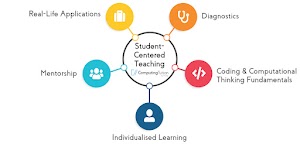
- Pre-tuition diagnostics identify weaknesses, allowing lessons to target gaps instead of repeating secure material.
- Systematic instruction builds programming foundations before teens attempt demanding algorithms and data structures.
- Practical and written exercises develop balanced readiness across coding ability and theoretical explanation.
- Small groups place learners with similar abilities where possible, supporting suitable pacing and discussion.
- Technology current-affairs discussions connect theoretical concepts with contemporary applications and broader Computing contexts.
Learning Experience
Students may request topics or bring questions linked to current schoolwork, while topical schedules provide structure. The small-group format can work well for teens who benefit from hearing other learners’ questions but still require opportunities for consultation. Parents should confirm whether a preferred lesson is physical, online or available in both formats.
Location and Availability
Small-group classes are held at Beauty World Centre, and Computing students may attend live through Zoom. Published sessions include Wednesday afternoon for secondary 3 and Saturday afternoon for secondary 4, although families should confirm current spaces and schedules before enrolling.
Price Range
Four small-group lessons cost S$255 for secondary 3 and S$285 for secondary 4, with each session lasting 1.5 hours. Private packages list four 1.5-hour lessons from S$450 to S$570, although the corresponding level for each package is not clearly stated. Fees were stated as correct in November 2024 and may be reviewed.
Website
hweeshan@computingtuition.com
6. Computhink Academy

Overview of Business
Computhink Academy offers G3 and O-Level Computing tuition for secondary 3 and secondary 4 teens, covering Paper 1 theory and Paper 2 practical work. The programme follows the stated 2027 K349 Computing areas, with Python, spreadsheet tasks, algorithm tracing and written responses integrated across each term. Nine weekly lessons provide a regular structure for explanation, guided examples, practice and correction rather than leaving examination preparation until secondary 4. Teachers are described as computer programmers by trade or training, which may bring practical clarity to unfamiliar technical concepts. Computhink also operates a graded coding curriculum for learners aged seven to sixteen, giving the academy broader experience in building programming foundations. Secondary Computing lessons are offered onsite at Toa Payoh or online, supported by quizzes and student-portal materials.
Why Parents Choose Computhink Academy?
Parents may shortlist Computhink Academy when their teen needs formal examination preparation but still benefits from hands-on programming practice. Its lesson sequence connects Paper 1 explanations with Paper 2 Python and spreadsheet work, preventing an imbalance between theory and practical skills. Regular assessments and parent reports may help when recurring misconceptions remain hidden despite completed revision. Onsite and online attendance options also provide flexibility without requiring families to change programmes when weekly travel becomes difficult.

Melanie from the admin team has also been very helpful and responsive whenever I need help changing my child’s class schedule. She always assists patiently and makes the process very smooth.

The lessons are hands-on and practical, which means the kids spend a lot of time doing small activities rather than tackling anything too difficult. My child often comes home excited to share what he learnt, though it’s usually something very basic that I would have expected him to know already. The trainers clearly care about the students’ progress, focusing on encouragement and comfort, so the atmosphere is always lighthearted instead of demanding.
Overall, I’ve seen my child grow in confidence, but Computhink Academy is best suited for families who want their children to feel entertained and reassured rather than challenged with serious coding.


Compared to his school, my son says that teacher David is patient, kind and knowledgable. His teaching is clear and in-depth, and since the class was quite small, teacher David could help all of the students individually and help bolster their knowledge of computing.
I cannot but highly recommend Computhink as it has done well to prepare my son for his O level Computing subject as evidenced by his O level scores!

Subjects Offered
- Secondary Computing (Sec 3-4)
- O Level Preparation
Teaching Methodology
- Guided examples connect syllabus explanations with algorithms, code tracing and written responses before independent practice.
- Python and spreadsheet tasks develop Paper 2 fluency under increasingly timed examination conditions.
- Topic-based and past-year questions reveal patterns, helping learners select suitable methods more deliberately.
- Misconceptions are corrected during lessons, preventing faulty logic from becoming embedded through repeated practice.
- Regular assessments and progress reports give parents visibility beyond homework completion and classroom confidence.
Learning Experience
Each term contains nine weekly 1.5-hour lessons. A typical flow includes explanation, worked examples, algorithm or code tracing, practical work, written responses and correction. Timed tasks, quizzes and assessment-style applications help learners move from supported practice towards independent performance. Student-portal resources provide material for revision outside scheduled lessons.
Location and Availability
Classes run at Computhink at Toa Payoh Library, 6 Toa Payoh Central, Singapore 319191, with online attendance available. Published secondary Computing times include Tuesday from 5.30 pm to 7.00 pm and Saturday from 4.00 pm to 5.30 pm. Families should confirm current availability.
Price Range
Secondary 3 and secondary 4 G3 and O-Level Computing tuition costs S$667 per term for nine weekly 1.5-hour lessons. A free trial is available before enrolment. The academy also lists a four-day Computing headstart camp at $548, totalling 12 hours.
Website
Phone
+65 8858 6173
classes@computhink.com.sg
7. Coding Lab

Overview of Business
Coding Lab offers GCE O-Level Computing tuition specifically for secondary 3 and secondary 4, alongside a broader coding pathway for learners aged seven to eighteen. The examination programme develops Python and spreadsheet foundations from secondary 3 before placing greater emphasis on strategies, revision and mock examinations in secondary 4. Classes have a maximum teacher-to-student ratio of one to eight, supporting closer observation when teens struggle to trace logic or debug code. Founded in 2015 by an MIT alumnus with Silicon Valley experience, Coding Lab uses an MIT-inspired curriculum centred on computational thinking and practical application. More than 25,000 learners have enrolled across its programmes. Multiple Singapore locations and live online learning give families several ways to fit Computing tuition around school, travel and CCA commitments.
Why Parents Choose Coding Lab?
Parents may consider Coding Lab when their teen needs O Level preparation within an established coding environment. The programme combines syllabus coverage, practical foundations, examination strategies and multiple mock papers rather than treating Computing as general enrichment. Small stated class ratios may help tutors catch misconceptions before learners repeat them across longer programmes. Families can choose among several physical locations or live online lessons, reducing disruption when a teen’s school and CCA schedule changes.

What impressed me the most is the daily updates we receive after each class, sharing what my son has learned. This is something we did not experience at other coding centres, and it truly makes a difference.
As a working parent, these detailed updates mean a lot and are greatly appreciated. My son genuinely enjoys learning at your centre, and we have since signed him up for Python Junior 2.
Thank you to the teachers for their dedication and hard work. Highly recommended.




Timothy was an outstanding mentor to my boy. He was patient, provided daily updates on my son’s progress, as well as the learning objectives attained for each class. The curriculum and structure of the lessons were impressive and effective, as my boy was able to understand and develop an interest in coding despite not having any prior experience.
I also noticed kids from other ongoing classes looking very satisfied and having fun with their lessons. Staff were friendly, helpful and themselves seem to enjoy their time at the school.
We will definitely come back for more classes! 🙂 Highly recommend Coding Lab to anyone who is looking for a coding school!
Subjects Offered
- Secondary Computing (Sec 3-4)
Teaching Methodology
- Computational-thinking tasks teach teens to break complex problems into manageable steps before writing solutions.
- Python and spreadsheet foundations begin early, providing time to strengthen practical accuracy before examinations.
- Multiple mock examinations develop time management and test whether knowledge transfers under formal conditions.
- Hands-on projects connect programming concepts with practical applications beyond memorised syntax and definitions.
- Classes capped at eight learners permit closer coaching during debugging and algorithm-design difficulties.
Learning Experience
The secondary pathway can support teens seeking examination preparation or wider programming development. O Level learners receive syllabus-specific work, while other courses cover Python, algorithms, data analytics, machine learning, web development and simulations. Parents should distinguish between enrichment and assessed Computing when choosing, as these options serve different learning goals.
Location and Availability
Classes are available at Marine Parade and Bukit Timah, with partner locations in Novena, Sengkang and Tampines. Live online learning is also available from home. Exact weekly schedules were not provided in the supplied information, so parents should confirm which locations currently offer O Level Computing.
Price Range
GCE O-Level Computing tuition costs $360 monthly, or $392.40 with GST. A one-time registration fee of $80, or $87.20 with GST, applies to new students and is waived for existing students. Prices for broader secondary Python courses begin at $495 before GST for five two-hour sessions.
Website
Phone
+65 6977 9641
learntocode@codinglab.com.sg
8. Modern Age Coders

Overview of Business
Modern Age Coders is a live online school offering coding, artificial intelligence and Computing programmes for teens in Singapore and other countries. Secondary-age options include Python, Java, C++, web development, databases, algorithms and data structures alongside syllabus-specific international examination pathways. For Singapore families, online tracks are available across secondary 1 to secondary 5 and IP levels, although parents should confirm the precise syllabus match before enrolling. Classes can run in small groups, mini-batches or one-to-one formats, with recorded sessions supporting revision after live teaching. Established in 2020, Modern Age Coders states that it has trained more than 10,000 learners and offers scheduling across different time zones. Its approach combines teacher demonstrations, active coding, assignments, feedback and project work, suiting teens wanting broader technical practice alongside academic support.
Why Parents Choose Modern Age Coders?
Parents may consider Modern Age Coders when live online access and scheduling flexibility matter more than attending a Singapore classroom. Group, mini-batch and individual formats let families balance interaction, personal attention and budget. Recorded sessions allow teens to revisit difficult programming demonstrations instead of relying on incomplete notes. Because the programme menu covers several examination systems, parents seeking secondary Computing tuition should confirm alignment with their teen’s exact Singapore syllabus and assessment requirements before committing.
Subjects Offered
- Secondary Computing (Sec 3-4)
Teaching Methodology
- Live instructors explain concepts and observe practice, addressing misconceptions during lessons rather than afterwards.
- Students write and improve code actively, developing judgement through repeated testing instead of passive watching.
- Project-based tasks apply programming to games, applications and websites, giving concepts concrete outcomes.
- Assignments receive feedback before progression, revealing whether teens understand reasoning behind completed technical work.
- Recorded sessions let learners revisit explanations around changing school, revision and CCA schedules.
Learning Experience
Lessons encourage students to explain their thinking, investigate mistakes and improve code. Practical projects may include games, websites, applications or artificial-intelligence tools, depending on the selected course. This breadth may appeal to motivated teens, but families prioritising Singapore examinations should ask how written theory, practical assessment and local question formats are covered.
Location and Availability
Lessons are delivered live online, with Singapore evening schedules available across secondary and IP levels. Small-group, mini-batch and one-to-one arrangements serve families seeking different levels of personal guidance. The organisation’s contact address is in Kolkata, India, and no physical Singapore branch is stated.
Price Range
International online coding plans cost US$100 monthly for group classes or US$150 monthly for one-to-one tuition. Group plans include two one-hour classes weekly, while the stated individual plan includes two private sessions weekly. No registration fee applies where stated, and a free live demonstration is available before payment.
Website
Phone
+91 9123366161
contact@modernagecoders.com
How to Choose the Best Secondary Computing Tuition for Your Child?
The best secondary Computing tuition for your teen depends on where difficulties arise, how independently they work and which syllabus their school follows. A confident coder may still need stronger theory and answer structure, while another teen may require patient support with Python foundations and debugging. Consider these points before choosing among secondary Computing tuition centres in Singapore.
- Confirm the exact syllabus match first, because general coding enrichment may omit written theory, spreadsheets or the required examination structure.
- Identify your teen’s weakest component clearly, then prioritise practical debugging, algorithm design, theory explanation or timed examination practice accordingly.
- Compare teaching and feedback methods carefully, because marked work and live code correction reveal mistakes that additional notes may leave unresolved.
- Match class size to learning habits, choosing individual support for persistent gaps or small groups for teens benefiting from peer discussion.
- Balance location, reviews and total cost, considering travel time, lesson frequency, registration fees and the usefulness of online practice access.
A trial lesson or direct conversation can clarify how the tutor diagnoses weaknesses, reviews code and supports written answers. Ask what happens when a student cannot solve a task, how misconceptions are recorded and whether parents receive progress information. Recent reviews may reveal communication patterns and lesson consistency, but families should weigh them alongside tutor experience, syllabus knowledge and programme fit. Published achievements can provide context, although another learner’s result does not predict your teen’s outcome. Choose an arrangement your teen can sustain throughout busy school weeks, with enough independent practice between lessons to turn explanations into reliable examination skills.