


Introduction
You know the scene. One centre says it has top scorers. Another promises small classes. A third looks polished, organised, and convincing. Meanwhile, you are looking at your child, already tired from school, homework, and CCA, and wondering what will truly help, not just what sounds good on paper.
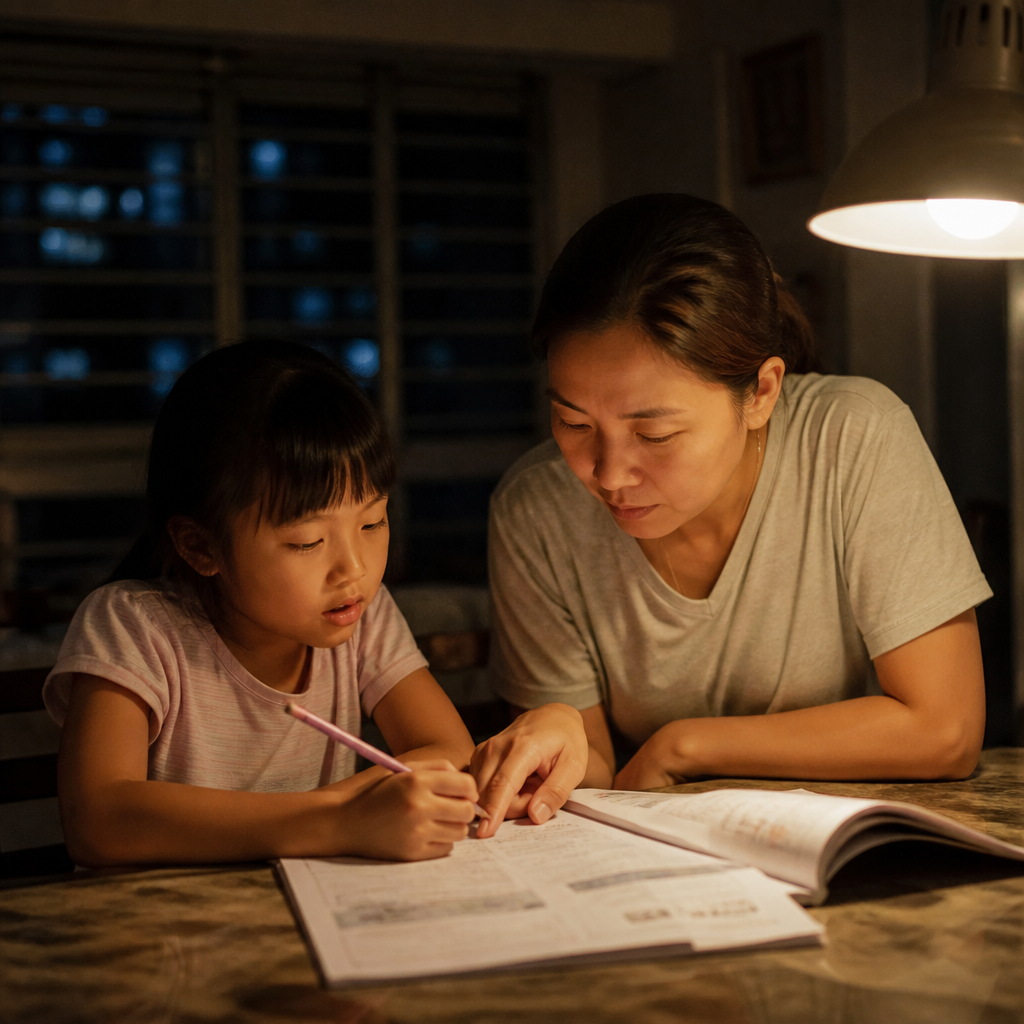
That is why choosing a tuition centre in Singapore can feel more stressful than it should be. Parents are not just comparing fees or locations. They are trying to avoid signing up for something that becomes one more weekly battle. The right choice is rarely about branding alone. It comes down to whether the centre’s teaching style, lesson pace, class size, subject support, and admin systems actually suit your child. This guide on how to choose a tuition centre breaks it down in a practical, realistic way, so you can compare options with more clarity and fewer regrets.
Key Takeaways
- Fit matters more than reputation. A famous tuition centre may still be a poor match if the class moves too fast, the teaching style is too lecture-heavy, or your child feels lost in a large group. The best centre is the one your child can actually learn from consistently.
- Look beyond results boards. High scorers on posters do not tell you how average or weaker students are taught, supported, or followed up when they fall behind. Ask how the centre helps students who are not already doing well.
- Class size changes the learning experience. A centre with 6 students and a centre with 20 students may charge differently for good reason. What matters is whether your child can ask questions, get corrected, and be noticed during lessons.
- Primary, Secondary, and JC needs are different. What works for a Primary school student is not always suitable for a Secondary student or a JC student. The right tuition support should match the student’s age, subject demands, and level of independence.
- Admin quality affects family stress. Makeup lessons, response time, scheduling clarity, and progress updates matter more than many parents realise, especially in busy working households where one missed class can disrupt the whole week.
- Use trial lessons properly. Do not just ask if your child “liked it”. Check whether the lesson pace, explanation style, materials, and teacher attention suit your child’s actual learning gaps.
- Price should be weighed against value. When comparing tuition centre fees in Singapore, many parents focus only on monthly cost. A better question is whether the format, support, and teaching quality will produce real learning.
Look Past Branding And Big Promises
A polished website can be reassuring. So can a wall of distinctions, smiling testimonials, and photos of top scorers. But when parents try to choose a tuition centre in Singapore, this is often where things go off track. What looks impressive is not always what works for their child.

Why a famous tuition centre may not be the right fit
Some centres are excellent for strong students who mainly need tougher questions and exam strategies. But place a child with weaker foundations into that same class, and the experience can turn discouraging very quickly. The teacher may be capable, but the lesson may assume too much too soon.
Tutors often notice this pattern. A child joins because a friend recommended the centre, or because the centre is known for PSLE or O-Level results. A few weeks later, the child is copying corrections without really understanding them. The centre did not necessarily do a bad job. It just was not the right fit.
Ask how weaker and average students are supported
This is one of the most useful questions to ask. How does the centre handle students who do not immediately keep up? Do they give extra explanation after class? Is there remedial support? Are weaker students actually noticed, or do lessons move on once most of the class can follow?
A common pattern among students is that they are not struggling because they are lazy. They are struggling because a misunderstanding was never caught early. A child who keeps getting fractions wrong, summary wrong, or mole concept wrong usually does not need more worksheets first. They need someone to identify the gap properly.
Focus On Teaching Quality And Lesson Pace
The real value of a tuition centre shows up inside the classroom. Teaching quality is not about how entertaining the teacher is, or how thick the notes are. It is about whether explanations are clear, paced appropriately, and adjusted to common student difficulties.
What strong teaching looks like
A good lesson usually includes explanation, guided practice, and some checking for understanding. In English, that might mean the teacher does not just hand out model compositions, but explains why a paragraph feels weak, repetitive, or emotionally flat. In Math, it means the teacher does not jump from worked example to final answer without checking whether students understand the method.
Strong teaching often includes:
- Clear breakdown of concepts. A Science teacher should explain keywords and common answering mistakes, not just ask students to memorise blindly.
- Active questioning. A teacher who asks why a student chose a method is usually teaching more deeply than one who only marks the final answer.
- Attention to recurring errors. Good teachers notice patterns, such as careless unit conversion, weak inference skills, or repeated grammar mistakes.
These details matter because many children can look busy in class while actually guessing their way through.
Why lesson pace matters so much
Some tuition centres teach at a pace that suits high-performing students preparing far ahead. Others move slowly enough for weaker students to rebuild confidence. Neither approach is automatically better. The real issue is fit.
If your child already comes home drained from school, CCA, and homework, a centre that piles on difficult work may increase anxiety without improving mastery. On the other hand, a student aiming for stronger grades may stagnate in a class that repeats basics every week.
This matters especially when choosing tuition for primary students. Younger children often need patient explanation, repeated guided practice, and emotional encouragement. Fast exposure to exam-level questions may look rigorous, but it does not always lead to understanding.
Compare Tuition Fees, Class Size, And Value
When parents compare tuition centre fees in Singapore, it is natural to focus on the monthly amount first. Tuition costs add up. But low fees can become expensive if the class is too large, too rushed, or too generic for your child to learn effectively.
How class size affects learning
A class of 4 to 8 usually allows more direct correction and more chances for your child to ask questions. A class of 15 to 20 may still work if the teacher is highly structured and your child is independent. But for a shy child, or one who needs repeated clarification, larger classes can become invisible spaces.
A Secondary 2 student weak in algebra might sit through a bigger class, hear the explanation, and still not understand factorisation. By the time the worksheet is reviewed, the child has copied half the working from the board. The lesson looked productive, but the gap is still there.
Here is a simple way to compare class size and learning experience:
Compare value, not just price
A more expensive tuition centre may include marked homework, short feedback after class, access to recordings, or makeup support. A cheaper centre may offer none of these. That does not mean the expensive one is always better. It means the comparison should be fair.
Ask yourself:
- What is included in the fee. Materials, marking, holiday revision, consultation time, or extra practice can make a real difference.
- Whether class size is capped. “Usually small” is not the same as a clear maximum.
- How much individual attention happens during class. Some centres promise support, but only after parents chase for it.
For busy working parents, a centre with clearer systems can reduce weekly stress far more than a slightly cheaper option with poor communication.
Ask Better Questions Before Enrolling
It is easy to walk into a tuition centre, hear a polished introduction, and forget to ask what will matter once lessons begin. Better comparison comes from specific questions, not general reassurance.
Questions about the classroom experience
These are some of the most useful questions to ask before enrolling in tuition in Singapore:
- How do you group students? If the answer is only by school level, that may be too broad.
- How do teachers help students who do not understand during class? Practical answers matter more than vague ones.
- How is homework handled? Assigning work is one thing. Marking it carefully and reviewing mistakes is another.
- How do you give parents progress feedback? If your child is struggling now, delayed updates may not help much.
Questions about logistics and admin
Admin quality often gets overlooked at the start, then becomes a major source of frustration later.
Ask about:
- Makeup lessons. This matters when your child has CCA events, school programmes, or falls sick.
- Replacement policy for public holidays or missed classes. You want to know whether learning time is protected.
- Response time. Some centres are attentive before sign-up and hard to reach after enrolment.
- Trial lessons. Check whether the trial is with the actual teacher and class your child would join.
If you are also comparing whether a centre format is right at all, you can learn more about our tutors if you would like help comparing one-to-one home tuition options based on your child’s subject needs, learning style, and schedule.
Choose Based On Your Child’s Level
A common mistake is assuming all students need the same kind of tuition support. They do not. The right tuition centre should match the student’s age, maturity, and academic demands.
Here is a quick comparison:
Primary school students
For younger children, structure and emotional safety matter a lot. What to look for in a tuition centre for primary students includes patient explanation, regular checking of understanding, and teachers who can keep children engaged without turning the whole class into pure entertainment.
Primary students often struggle quietly. They may say “I know” even when they do not, simply because they do not want to look slow. A good centre catches this early.
Secondary school students
Secondary students need a centre that can handle content depth and exam application. Many are not weak across the board. They may be coping in school lessons, but still lose marks in open-ended Science answers, essay development, or unfamiliar Math problem sums.
At this stage, look for a centre that teaches reasoning, not just answer copying. Short-term improvement can come from memorising methods, but exams often expose weak transfer.
JC students
JC students face speed, volume, and conceptual load. They often need concise but deep explanation. A centre that spends too long on basics may frustrate them. A centre that assumes too much may overwhelm them.
Timing matters too. JC students already have long school days, tutorials, and tests. A strong JC tuition centre is not just academically solid. It is also realistic about workload and feedback.
Use Trial Lessons Properly
A trial lesson can be useful, but only if you know what to look for. Many children say a class was “okay” or “boring”, and that does not tell you much. A trial should help you assess fit, not just atmosphere.
What to observe during and after the trial
Notice whether your child could follow the lesson pace. Did the teacher explain ideas in a way your child understood? Was there room for questions? Did the class feel too easy, too rushed, or reasonably pitched?
After the trial, ask specific questions:
- What did you learn that was new?
- Was there any part you did not understand?
- Did the teacher explain mistakes clearly?
- If you were confused, did you feel comfortable asking?
A child saying “The teacher is nice” is positive. But nice does not always mean effective.
Watch what happens over the next week
Sometimes the real answer appears later. Did your child remember what was taught? Could they apply it in homework? Did they become more anxious, or slightly more confident?
This is especially important if your child already has weekday tuition, school remedials, and CCA. If the centre adds overload without clarity, that usually shows up quickly in mood, resistance, or rushed homework.
Common Red Flags Parents Should Notice
Sometimes a centre sounds acceptable at first, but small warning signs appear early. These do not always mean the centre is bad, but they should make you ask more questions before committing.
Watch out for:
- Very vague answers about teaching methods. If everything is described as “proven” or “effective” without examples, that is not very helpful.
- No clear process for weaker students. A centre should be able to explain what happens when a child falls behind.
- Constant emphasis on star students only. This may suggest the centre is better at marketing outcomes than supporting a wider range of learners.
- Unclear fee structures. Parents should know what they are paying for, including materials, replacement lessons, and holiday programmes.
- Poor communication before enrolment. If replies are already slow and confusing, admin issues may continue after sign-up.
These red flags matter because tuition works best when expectations are clear from the start.
A Practical Checklist For Busy Parents
Busy parents do not need more theory. They need a comparison approach that still works when they are answering work messages in the MRT and checking corrections after dinner. A realistic tuition centre checklist should cover both academic fit and operational ease.
Before enrolling, check whether the centre has:
- A teacher who can explain at your child’s level. Strong credentials matter, but teaching clarity matters more.
- A manageable class size for your child’s confidence level. A vocal child may cope in a larger class. A quiet child may not.
- Clear curriculum fit with school demands. Support should complement school, not leave your child feeling lost every week.
- Reliable makeup and scheduling policies. This matters more than many parents expect.
- Consistent parent feedback. Even short updates can help you intervene earlier.
- Responsive admin communication. If simple questions already take days to answer, that is worth noticing.
A good tuition centre should lighten your family’s academic stress, not become another source of chasing, confusion, and resentment.
Frequently Asked Questions
Should I choose the nearest tuition centre to save travel time?
If two centres are equally suitable, the nearer one often makes more sense. Travel fatigue is real, especially for children who already have long school days. But convenience should not outweigh poor fit. A nearby centre that moves too fast or gives too little attention may waste more time in the long run.
Is a smaller class always better?
Not always. Smaller classes often allow more attention, but quality still depends on the teacher. A weakly run class of 4 is not automatically better than a well-managed class of 10. The real question is whether your child will be taught, corrected, and noticed.
How long should I give a tuition centre before deciding if it works?
Usually a few weeks to about one school term gives a clearer picture, depending on the subject and lesson frequency. Improvement may not show up immediately in marks, especially if foundations are weak. But you should at least see signs such as better understanding, fewer repeated mistakes, or less resistance toward the subject.
What if my child says every tuition centre is boring?
That can happen, especially if your child is already tired or unhappy about extra classes. Try to look beyond the first reaction. Ask whether the lesson was clear, whether the teacher helped, and whether the work felt manageable. Sometimes “boring” means “I had to think”. Sometimes it means the format really is a poor fit.
Should I switch centres quickly if results do not improve?
Not automatically. First check whether the issue is teaching fit, pacing, attendance, homework follow-through, or unrealistic expectations. Some children attend tuition but do not revise between lessons, or they rely too heavily on teacher guidance. If the centre is not diagnosing and addressing this, a change may help. But constant switching can also unsettle your child.
Conclusion
Choosing a tuition centre well is less about finding the most famous name and more about finding the right match for your child’s needs, personality, and weekly reality. A good tuition centre in Singapore should offer more than notes and test papers. It should have teaching your child can actually follow, a pace that supports progress, class size that allows attention, fees that make sense for the value given, and admin systems that do not create unnecessary stress at home.
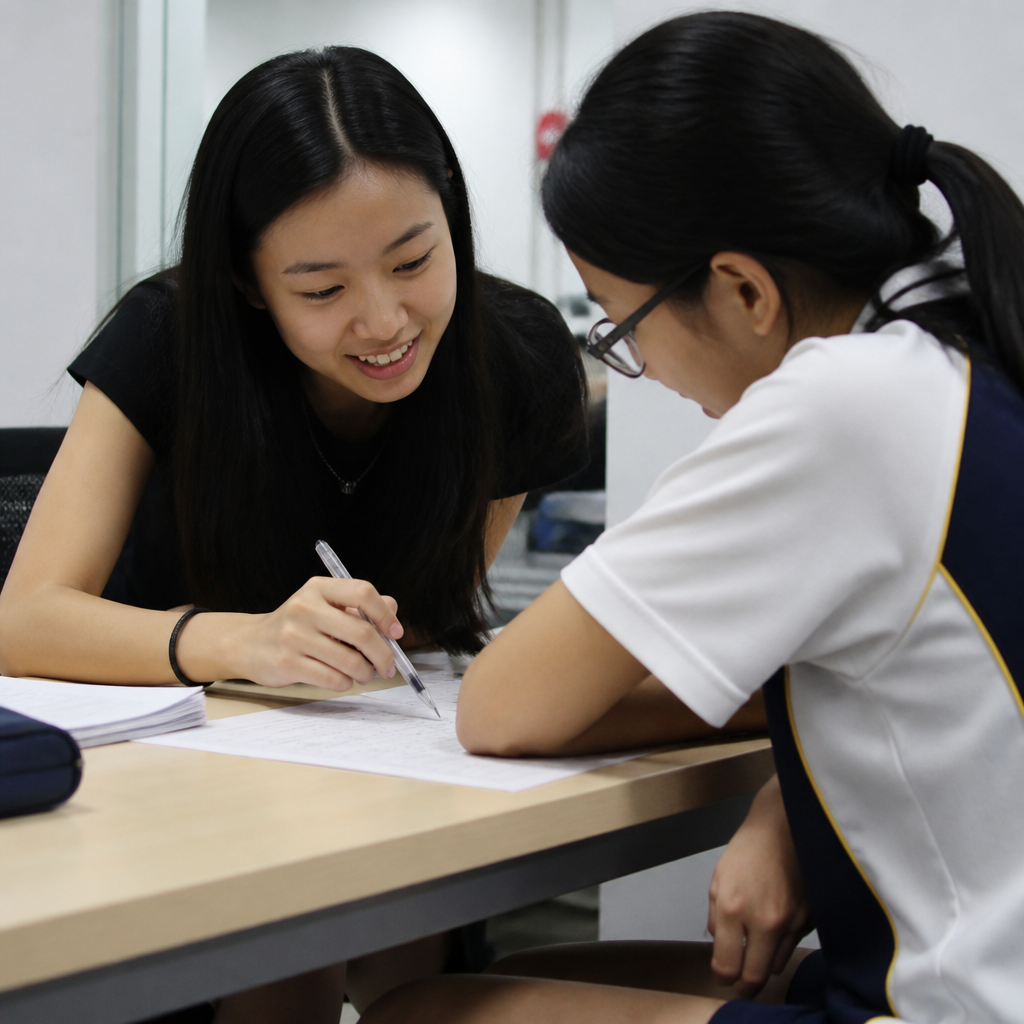
If you are comparing tuition centres, take your time, ask specific questions, and look past marketing. The best choice for one child may be a poor fit for another, even within the same family. And if, after comparing centre options, you feel your child may need a different format, you can learn more about our tutors if you would like help comparing one-to-one home tuition options based on your child’s subject needs, learning style, and schedule.
For broader context on Singapore’s education system and curriculum expectations, parents can refer to the Ministry of Education Singapore and official exam information from SEAB.